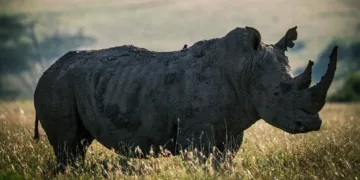























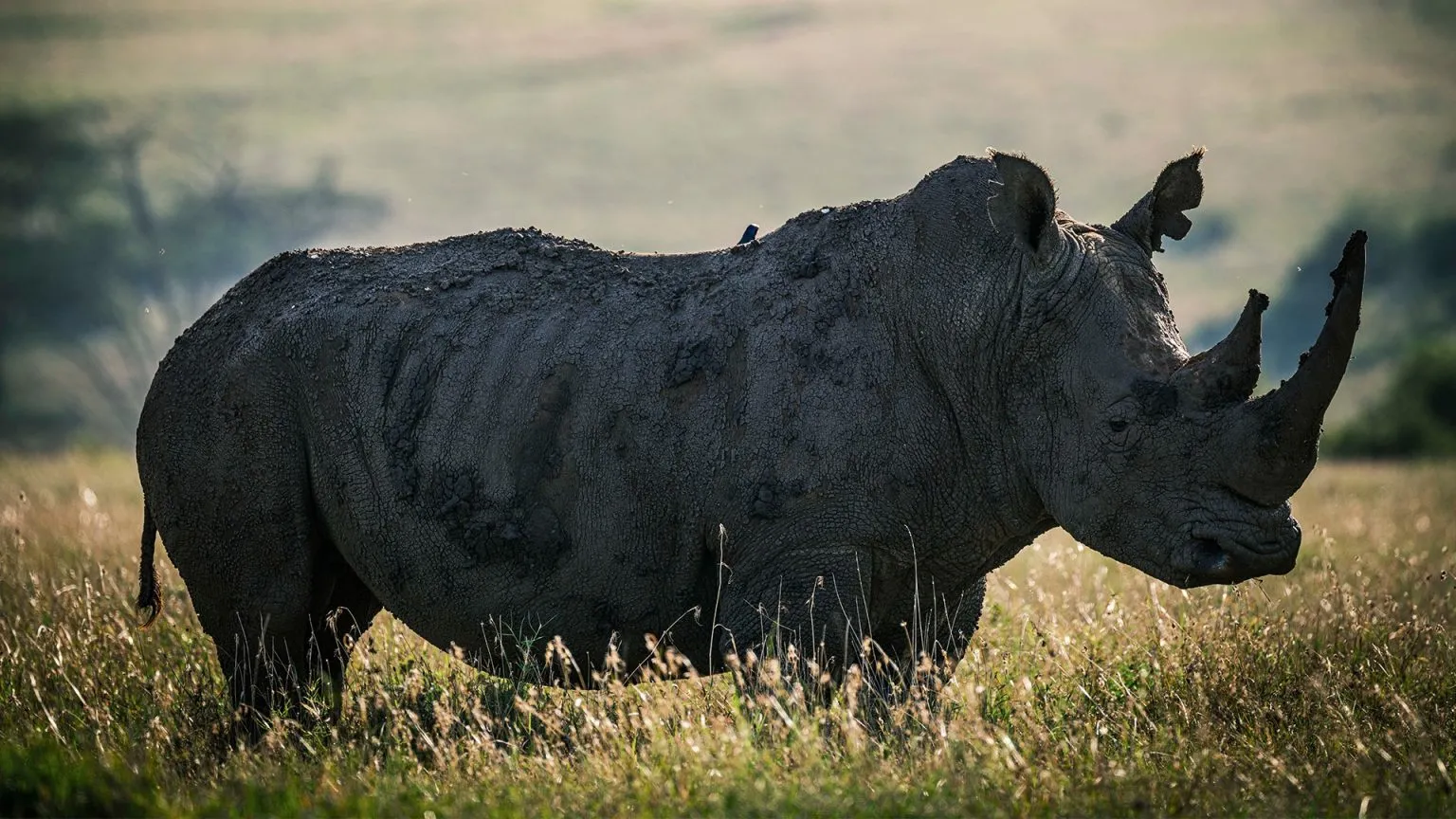

The Kenyan wilderness gives Rhino its harsh beauty and its constant sense of danger. The documentary tracks the high-stakes reality of modern conservation inside the Borana and Lewa sanctuaries, fenced reserves that function as a last line of defense for the black rhino. After decades of poaching and habitat loss, the global population has been cut down to a precarious few thousand. The film makes that number feel less like a statistic and more like a daily responsibility carried by local rangers.
Rhino stays close to that day-to-day work: long hours, meticulous routine, and the quiet stress of knowing a single slip can tip a species toward disappearance. The story plays as a hard-won wildlife success that still carries the weight of constant vigilance.
The footage keeps things concrete, grounded in physical effort and emotional strain, and it treats the sanctuaries as spaces where every animal is tracked, every risk is tallied, and every threat can demand armed response. Early on, the film frames sanctuary life as a fragile peace sustained through steady human intervention.
Guardians of the Grasslands
The documentary finds its heartbeat in the people doing the guarding, led by head ranger Ramson Kiloku. His connection to the land and its animals comes through in the details. He can identify individual rhinos through the nicks in their ears and the patterns in their footprints, and the film presents that knowledge as part of a tracking lineage that feels rarer in a digital age.
Alongside him is Rita Kulamu, bringing a university education and a different vocabulary for the same mission. Their shared work signals a changing approach to ecology, joining inherited skill with scientific data in a partnership built on trust and purpose.
Tom Hardy serves as the film’s narrator, and his voice keeps a calm, grounded presence. He guides the audience without drowning out the local voices, adding weight to what we are seeing through a tone that carries respect. His narration also triggered a personal flash of recognition for me: that old adventure-story cadence you hear in classic exploration documentaries, delivered here with a steadier, more down-to-earth humility.
Director Tom Martienssen’s camera does the rest of the persuasion. The photography balances the massive scale of the rhinos with the quiet domestic spaces of the rangers’ homes. That visual pairing tightens the distance between spectacle and routine, and it turns abstract danger into something that feels immediate and personal.
The Cost of Safety
A sharp tension runs through the film’s logic of protection. Fences keep poachers out, and those same barriers confine the rhinos to limited space. The documentary shows how that confinement can trigger territorial warfare among males that would naturally range far wider. The conservation system meant to preserve the species can also produce fatal clashes between the animals themselves, and the film lets that heartbreak sit plainly on screen.
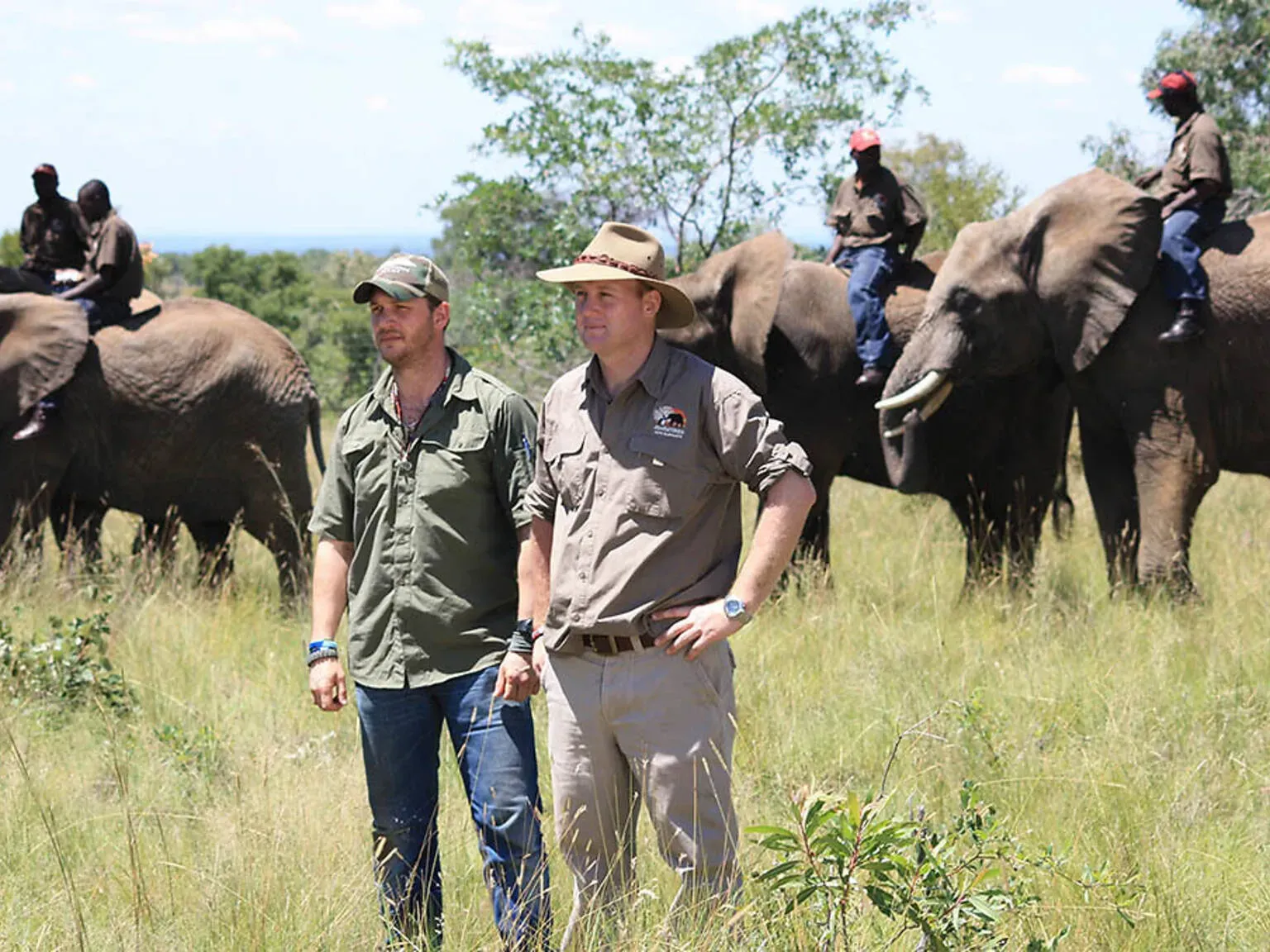
In response, the team plans to relocate twenty-one rhinos to the Loisaba Conservancy. The mission comes loaded with risk. The film notes that earlier relocation efforts have ended in disaster, with entire groups dying, and that history hangs over every decision. Martienssen shoots the operation through direct, active sequences that stress tension minute by minute.
What emerges is the constant balancing act between biology and protection: each rhino needs about ten square kilometers to establish itself, and the available land remains finite. The logistical nightmare becomes one of the film’s key conflicts. The rangers end up making godlike choices for the sake of survival, fully aware that any call can open the door to a different kind of tragedy.
Waiting for the Rain
A four-year drought sets the tempo for the film’s second half. The environmental crisis reaches into everything around the sanctuaries. The documentary shows local farmers growing desperate, and it tracks the rise of lawless bandits stealing cattle as resources dry up.
That dry spell delays the rhino relocation for a long stretch, and the narrative loses forward momentum in a way that feels painfully truthful. The film shifts from a mission-driven structure into a portrait of endurance, and it asks the viewer to sit with the slow grind that conservation often demands.
The wide-screen visuals lean into the dust and relentless heat, turning the landscape into a pressure that never lets up. The slower rhythm may test patience for some viewers, yet it mirrors the reality of waiting for the elements to change. The music choices sometimes drift toward sentiment, and the imagery stays stark enough to keep the emotion earned.
Rhino argues, through what it shows, that saving a species means surviving the environment and confronting human greed at the same time. Kenyan authorities and local residents keep pushing forward against shifting climates and social unrest, and the film leaves a clear picture of exhaustion, dedication, and the kind of work that continues long after the camera packs up.
Rhino is a poignant wildlife documentary that had its theatrical release on November 28, 2025. Directed by Tom Martienssen and narrated by Tom Hardy, the film captures a four-year journey within the Kenyan wilderness, specifically focusing on the Borana and Lewa conservancies. It follows the high-stakes mission of rangers attempting to relocate a herd of black rhinos to a new sanctuary to prevent territorial infighting. As of late 2025, the film is primarily available in UK cinemas, with international streaming and digital platforms expected to host the title following its theatrical window.
Full Credits
Title: Rhino
Distributor: Kaleidoscope Film Distribution
Release date: November 28, 2025
Rating: 12A
Running time: 80 minutes
Director: Tom Martienssen
Writers: Tom Martienssen, Cassandra Roberts
Producers and Executive Producers: Tom Martienssen, Cassandra Roberts, James May
Cast: Tom Hardy, Ramson Kiloku, Rita Kulamu, Teresia Maiyani
Director of Photography (Cinematographer): Tom Martienssen
Editors: Tom Martienssen
Composer: Simon Wilson
The Review
Rhino
Rhino offers a visceral and honest look at the heavy toll of modern conservation. It succeeds by stripping away the typical polish of nature documentaries to reveal the grit and ironies of the African bush. While the pacing shifts during the environmental crisis, the film remains a powerful record of human dedication. It provides a rare perspective on the biological costs of sanctuary life and the exhaustion of those who guard it. The experience is both eye-opening and deeply sobering for any viewer.
PROS
- Authentic photography captures the scale and intimacy of the Kenyan wild.
- Strong focus on the personal lives and traditional knowledge of the rangers.
- Honest exploration of the paradoxes within fenced conservation zones.
- Grounded and respectful narration provides weight to the imagery.
CONS
- Narrative momentum stalls during the extended drought sequences.
- Soundtrack choices occasionally feel sentimental or intrusive.
- Limited screen time dedicated to the specific biological habits of the animals.