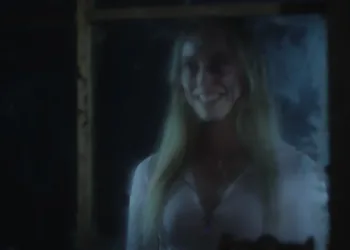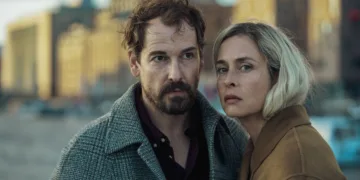


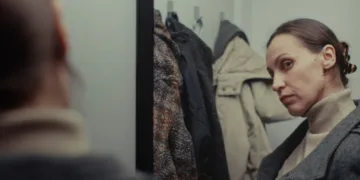
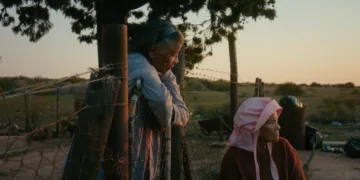






















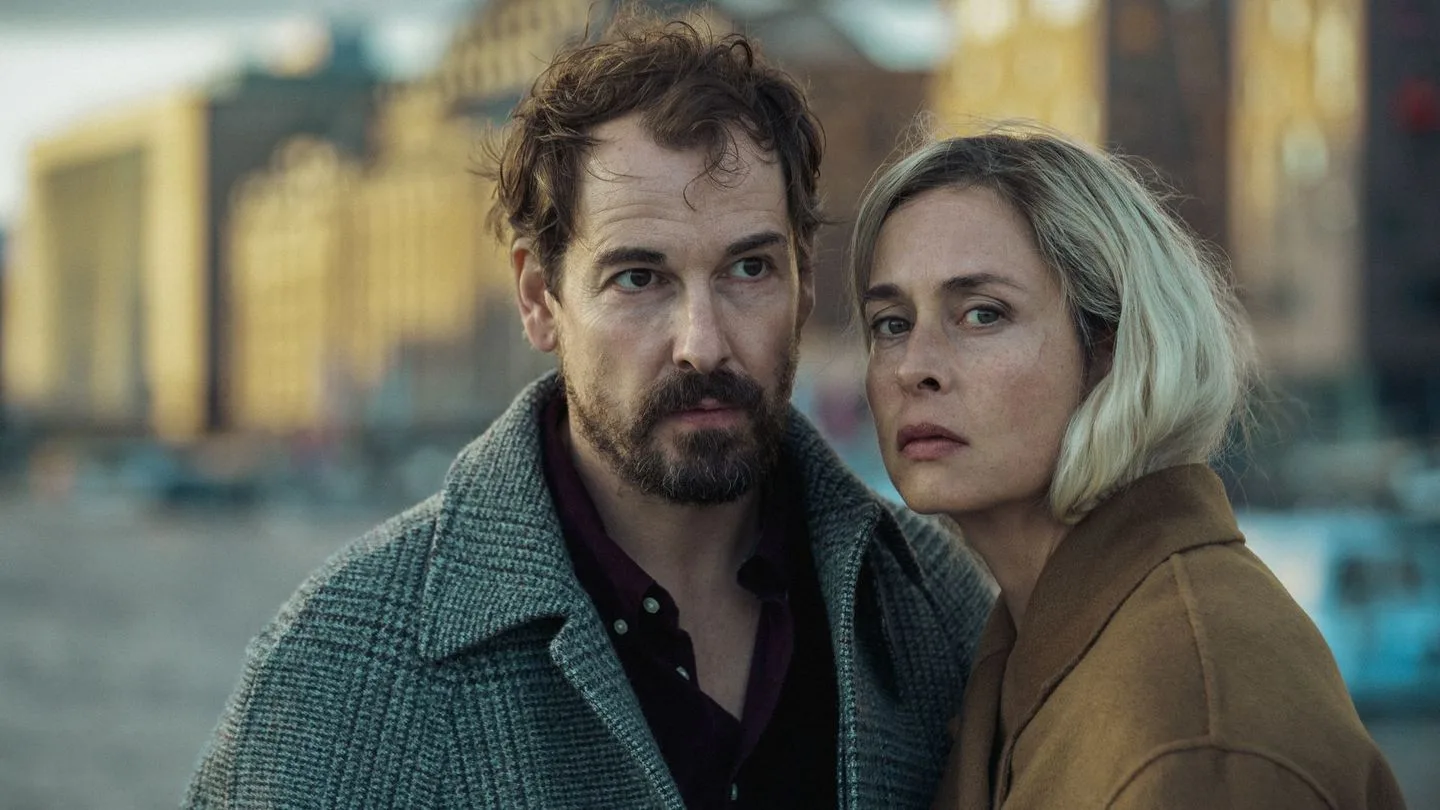

Berlin hides secret lives beneath gray concrete and winter coats. In a tucked-away restaurant, a man serves dinner as his wife watches the room with practiced eyes. They pass for a tired couple running a family business. In truth, they died years ago. That premise propels this German thriller. It swaps flashy spy gadgets for a kitchen knife and a hidden medical ward. Meret and Simon Schäfer exist like ghosts with a mortgage. Nights are spent patching up people who officially do not exist.
Their teenage daughter Nina accepts a normal life and thinks her parents run a boring restaurant. The arrival of a wounded client destroys that illusion. He did not find them by accident and he carries a history that traces back to a failed mission in Belarus. The series moves with cold, calculated efficiency and asks what happens when a life built on lies runs out of room. The result reads as a tense study of survival and the heavy cost of professional silence.
The Bone Palace and the Belarus Incident
The story opens on a riverbank. A man eats a sandwich with the calm focus of someone who has decided how his day ends. He produces a gun and a knife, cuts a transponder from his own side, steps on it, and shoots himself in the knee. The self-mutilation serves as his entry ticket into Meret and Simon’s world. The opening scene sets stakes clearly: violence functions as a tool. The man needs help that official channels cannot provide. He seeks the Bone Palace, the nickname for the Schäfers’ secret clinic.
At home, the couple celebrates Nina’s sixteenth birthday. Laughter frames the next phone call from an unknown number that drags them back into old roles. They play evens-odds to decide who goes to the safe house and who stays with their daughter. That small ritual signals how routine danger has become. It reads like household choreography.
The plot then rewinds to 2008 and a mission in Belarus. Meret and Simon enter a safe house to find a bloodbath. Their mentor Gregor is shot in the stomach. Their asset Katya is poisoned and dying. The man behind the violence is Josef Koleev. Flashbacks supply context for the present threat. Fragments of that night in Belarus explain why the Schäfers are legally dead.
At BND headquarters a modern investigation begins. Julika and Ben track Koleev after his return to Berlin. He hides in plain sight as the husband of the Russian ambassador. The series suggests a mole aids him. Julika operates as an active agent who suspects her bosses conceal the truth. The spy world appears as a set of favors and shadows. The safe house functions as sanctuary until the arrival of this client proves the sanctuary has been breached. The episode closes with a question of how long a sanctuary lasts when its walls contain so many secrets.
A Family of Ghosts and Mentors
Susanne Wolff gives Meret a cold, sharp efficiency. She assumes the protector’s role and watches the new client through hidden cameras with a gaze that could cut glass. She notices a lifted fingerprint on a glass and moves without hesitation when a fight becomes necessary. Maternal instincts sit under layers of training. She aims to keep Nina safe; her own history renders safety impossible. Meret appears as a woman who has lived several lives. Identity has been reduced to function while skills endure.
Felix Kramer’s Simon reads as a man at odds with his own body. A medical professional who cannot heal himself, he carries a heart condition and refuses surgery. Physical vulnerability increases strain on the household. He treats the wounded and registers as the most fragile person in the room. His relationship with Meret resembles a partnership of survival. They rely on one another because they do not have anyone else to trust.
Maja Bons plays Nina with a grounded, anxious energy. She DJs at raves and imagines a future. She has no knowledge her parents were spies. Her presence anchors the series. She stands as the figure with the most to lose. As suspicion grows, her life begins to fracture. She becomes a normal girl caught inside an international web.
Josef Koleev appears as a man of quiet menace. Samuel Finzi renders him as a predator who uses diplomacy as a shield. He needs to eliminate witnesses of the Belarus mission to protect his wife’s political career. He pursues erasure. Henry Hübchen’s Gregor Klein functions as the crusty, retired spy who knows where the bodies are buried. He serves as guide to Meret and Simon and connects the present to an earlier code of rules. He injects a sense of history onto the screen.
The Architecture of Deception
The series attends to the reality of being legally dead. Meret and Simon possess no official records and exist without a paper trail. That status buys distance from the government while leaving them isolated. They cannot call the police when a killer enters their home. Handling every threat themselves becomes mandatory. Isolation proves the price of their freedom. They integrate into Berlin by pretending to be ordinary. The restaurant acts as mask: a place of warmth and community that conceals a basement stocked with medical supplies and weapons.
Secrecy introduces a rift in the marriage. A phone call at the end of episode one confirms Simon has lied to Meret for sixteen years. Shared history forms the partnership, and holes in that history widen tension. They hide information from one another to maintain sanity. Everything is hidden from Nina to protect her innocence. The household turns into a stage where conversations count as performances.
When danger intensifies, the couple attempts to send Nina away on a trip. Concerned-parent language covers the fact that they are targets. Nina reads through the performance and grows aware of the adults’ true identities. The series foregrounds moral gray zones in their decisions. Meret and Simon emerge as people who made choices with severe consequences. They carry blood on their hands. They have saved lives and taken them.
The restaurant functions as a strong metaphor. In the dining room they serve the public. In the basement they command life-and-death decisions. A chef’s apron sits against a tactical vest. Movement between these spheres occurs at a wearisome speed. The series raises a question: can a family remain intact when the foundation of their home depends on secrecy? Silence often holds the answer.
The Aesthetics of a Cold War
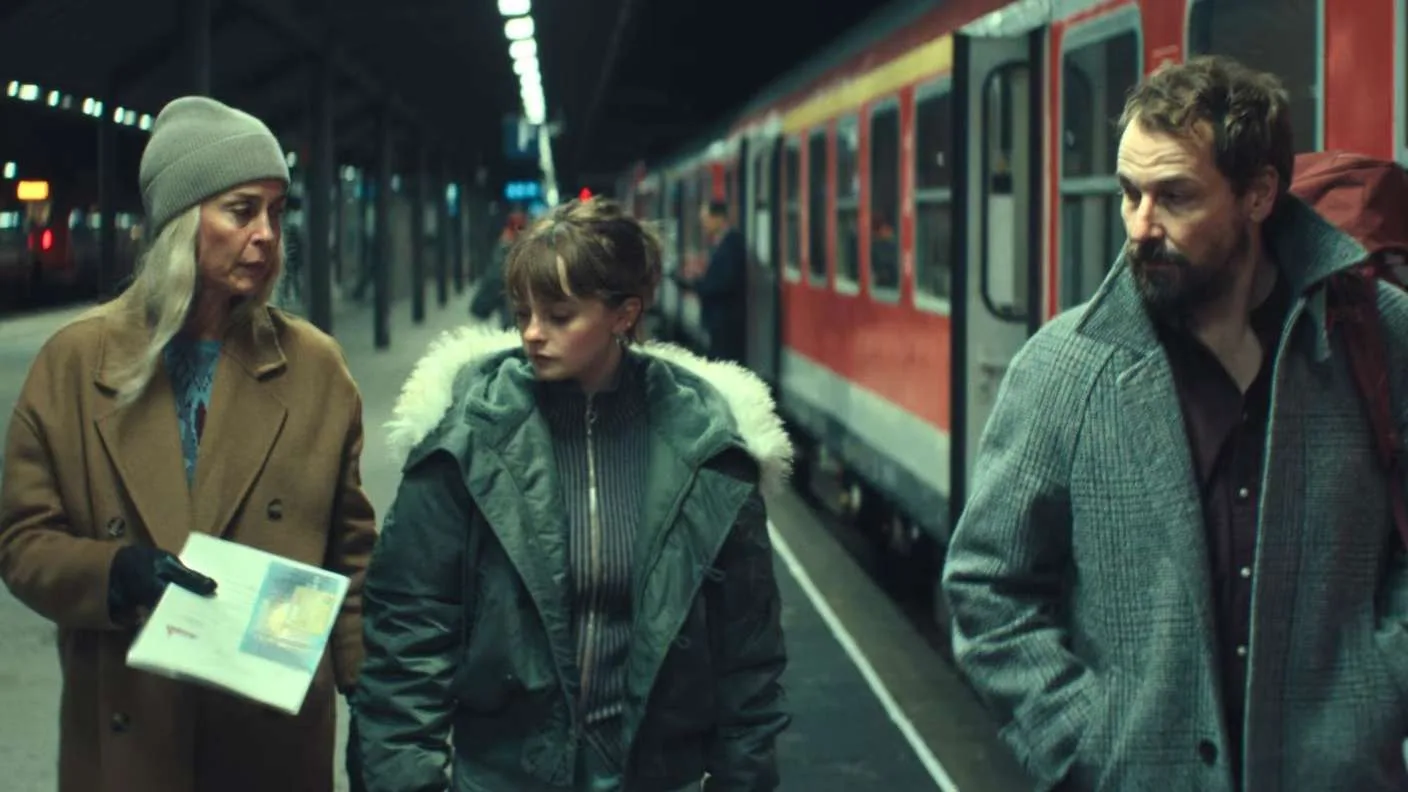
Berlin proves an apt setting. The city appears in cool, dark tones and grim lighting. Alleyways and subway stations feel like locations where deals can go wrong. Cinematography uses the city’s history to amplify mood. The sense arises that the Cold War never fully ended here. Shadows run deep. Interiors of the safe house feel cramped and sterile, producing a claustrophobic effect.
Action scenes favor grounded realism. The fight between Meret and the client in the safe house reads as a desperate struggle for survival rather than a stylized set piece. Characters use whatever they can reach. A kitchen knife turns into a deadly implement. Violence arrives sudden and messy. Hits have cost. Fatigue shows. Blood appears. Age carries weight.
Pacing stays tight across a six-episode season. The story advances without filler. The first episode establishes stakes within fifteen minutes and the tension expands as past events and present danger converge. Technology increases plausibility. The narrative shows the dark web transmitting fingerprints and relies on hidden cameras and transponders. The series depicts a contemporary world of surveillance grounded in everyday practices.
Sound design works in subtler registers. Silence in the restaurant after hours gains texture and makes a gunshot or breaking glass feel sharper. Original German audio offers vocal textures that align with the visuals. Dubbing reduces some emotional nuance of the performances. The series constructs a visual and auditory world that feels lived-in and dangerous, and attention to small espionage details strengthens the believability of larger events. How long can these details hold the house together?
Unfamiliar is a German spy thriller series that premiered globally on Netflix on February 5, 2026. Set in contemporary Berlin, the narrative follows two former BND agents living under assumed identities who operate a clandestine medical safe house for intelligence assets. Their carefully constructed domestic life is upended when a mission from their past resurfaces, forcing them to protect their daughter while navigating a dangerous web of Russian operatives and internal agency betrayals. You can stream the entire six-episode first season exclusively on Netflix.
Full Credits
Title: Unfamiliar
Distributor: Netflix
Release date: February 5, 2026
Rating: TV-MA
Running time: 45–55 minutes per episode
Director: Lennart Ruff, Philipp Leinemann
Writers: Paul Coates, Alexander Seibt, Kim Zimmermann
Producers and Executive Producers: Andreas Bareiss, Sabine de Mardt
Cast: Susanne Wolff, Felix Kramer, Maja Bons, Samuel Finzi, Andreas Pietschmann, Seyneb Saleh, Laurence Rupp, Henry Hübchen
Director of Photography (Cinematographer): Christian Stangassinger
Editors: Jan Ruschke, Simon Gstöttmayr
Composer: Jessica Jones
The Review
Unfamiliar
This German thriller grounded in the messy reality of a failing marriage succeeds by avoiding glossy genre traps. It prefers the grit of a Berlin basement over the glamor of high-tech labs. The six-episode structure keeps tension high. The visual style feels familiar. The emotional weight of a family living a lie provides a fresh perspective. This is a solid, smart addition to modern spy fiction.
PROS
- Susanne Wolff's sharp, efficient performance
- Realistic combat using everyday objects
- Authentic Berlin atmosphere and setting
- Tight pacing across six episodes
CONS
- Jarring shifts between timelines
- Standard thriller visual palette
- Underdeveloped supporting characters
- Predictable internal mole subplot