




















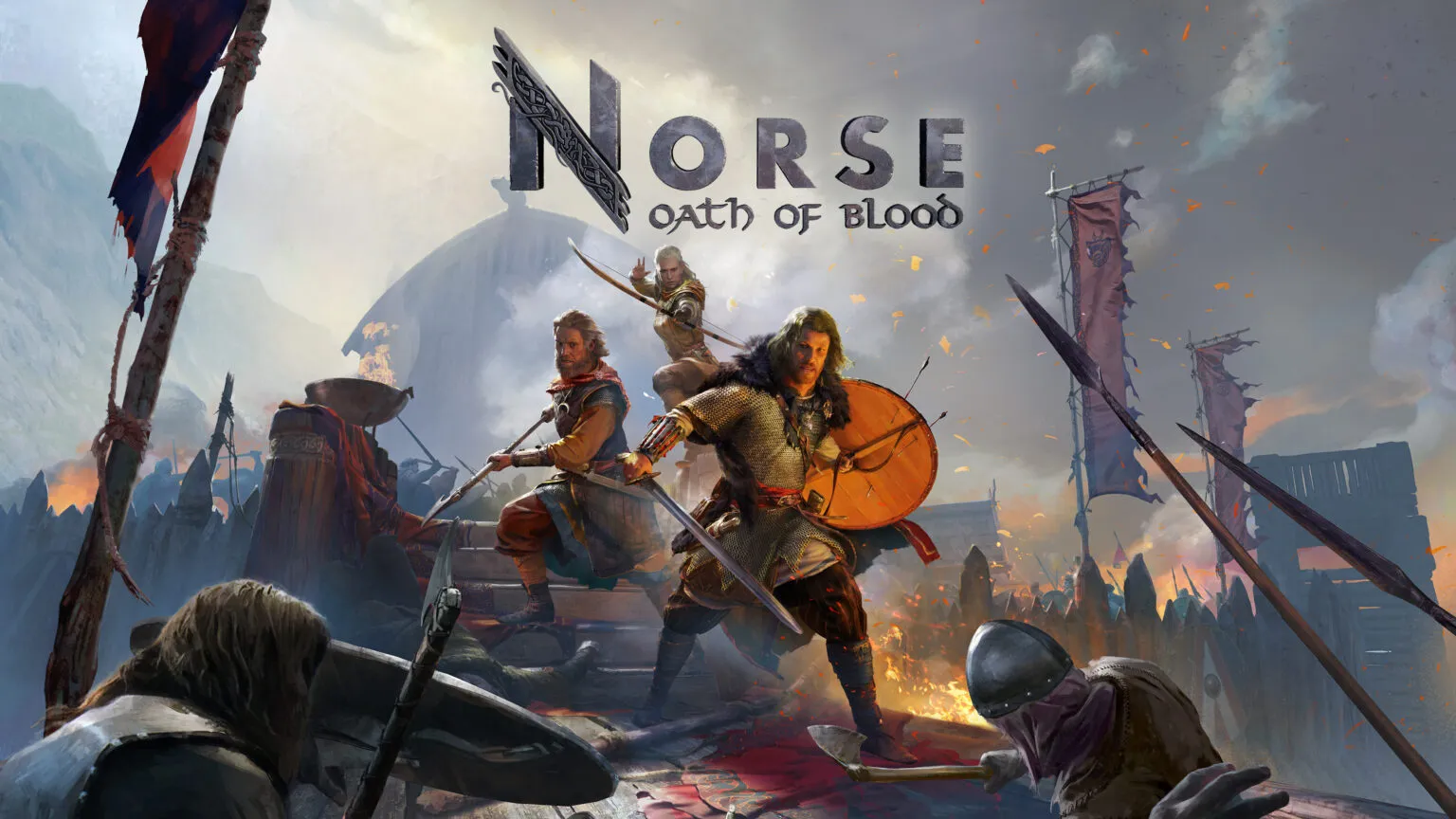

NORSE: Oath of Blood drops you into 9th-century Norway, a time marked by shifting cultural tides and brutal political betrayal. You play as Gunnar Gripsson, a young man whose life breaks apart after the traitor Steinarr Far-Spear murders his father, Jarl Grip. Gunnar escapes with his sister Sigrid and ends up on a dangerous, unsettled patch of land in western Norway that his uncle grants as shelter.
The harsh territory becomes the base for a campaign built around survival and vengeance. The narrative stays rooted in clan politics and keeps clear of the genre’s usual magic and fantasy habits. Novelist Giles Kristian writes the cast as people living with real trauma.
The central thread runs as a serious revenge story, and the dialogue still makes room for sibling rivalry and a streak of humor that keeps them feeling human. As Gunnar grows into leadership, every choice carries weight. Personal rage sits beside the pressure of rebuilding a fallen legacy before facing the man who shattered your family.
Precision and Consequence on the Battlefield
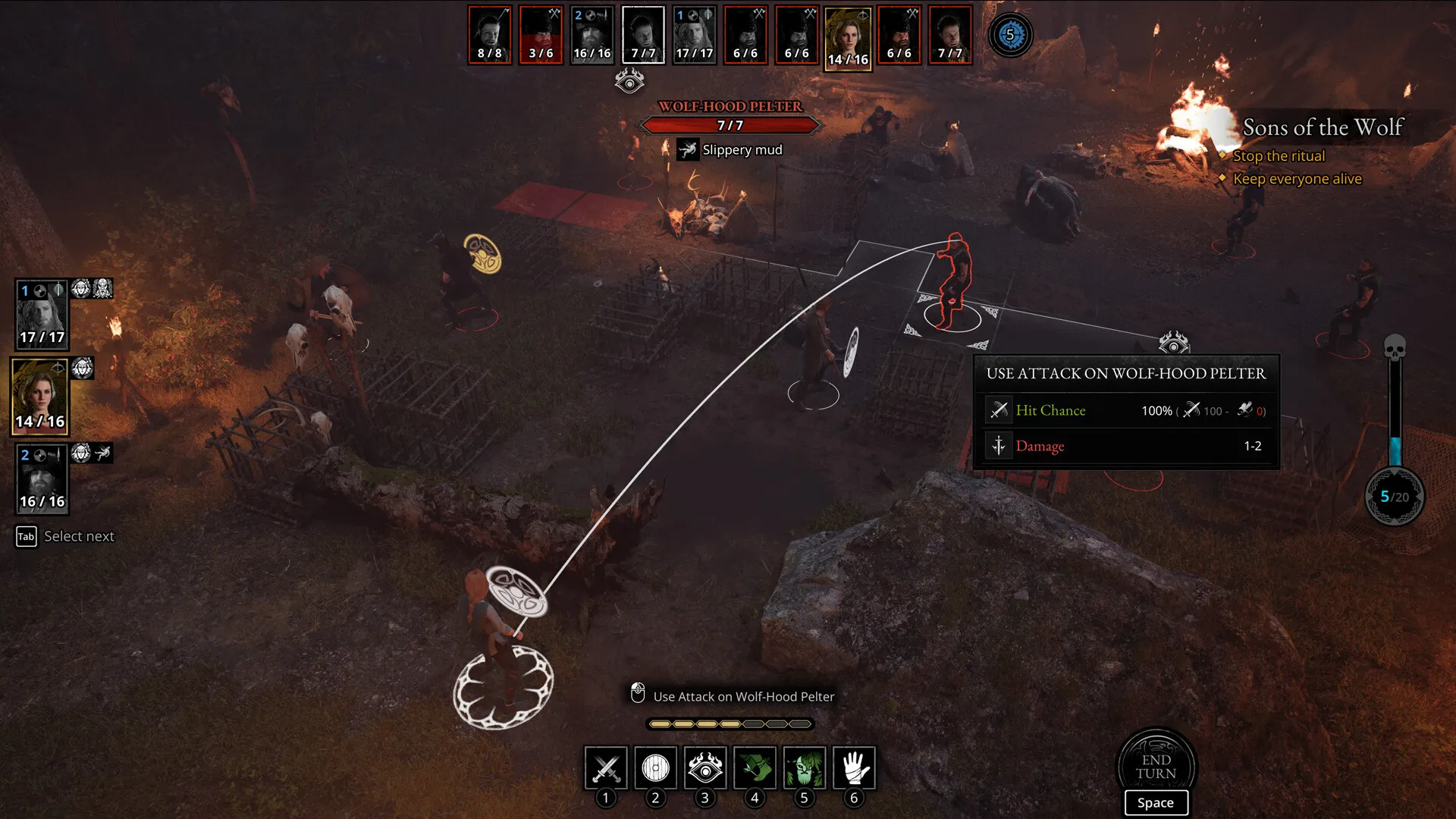
Turn-based combat sits at the center of the experience, built on a grid where positioning decides outcomes. Action Points control movement and combat actions, so each turn asks for a real cost-benefit read. A committed strike can pay off, and it can also leave you exposed if you skip a defensive or alert stance.
The tactical texture echoes XCOM’s emphasis on calculated advantage, with factors like high ground and flanking shaping your odds. The environment adds its own kind of danger. You can shove enemies into walls or into open fires to stack extra damage and turn the map into a weapon.
The game leans into historical authenticity by cutting out mages and spells. Ancient spirit stones step in as the source of buffs, and healing often comes from foraging plants between fights. Progression has real heft across five classes, each supported by branching skill trees. Party synergy matters in concrete ways, like using a warrior to shove an enemy into an archer’s line of sight for a punishing combo.
The momentum system adds pressure by rewarding kills with increased critical hit chances and cinematic “Oath of Blood” executions. These finishers refund Action Points to the attacker, which can flip a fight that seemed to be slipping away.
Permadeath keeps every decision sharp. Losing a veteran warrior removes a combat unit and cuts out an important contributor to your growing community. The game shows clear hit percentages to support a sense of fairness, and one mistake can still carry a permanent price.
The Foundation of a New Settlement
Your success in combat connects directly to the management of your village, Sudervik. This layer runs on structured turns that take place between combat trips, and settlement building is mandatory if you want to raise an army that can hold its own. You oversee construction projects like smithies, workshops, and housing. These buildings mark visible growth, and they also shape power. They unlock improved gear and open new skill paths for your fighters.
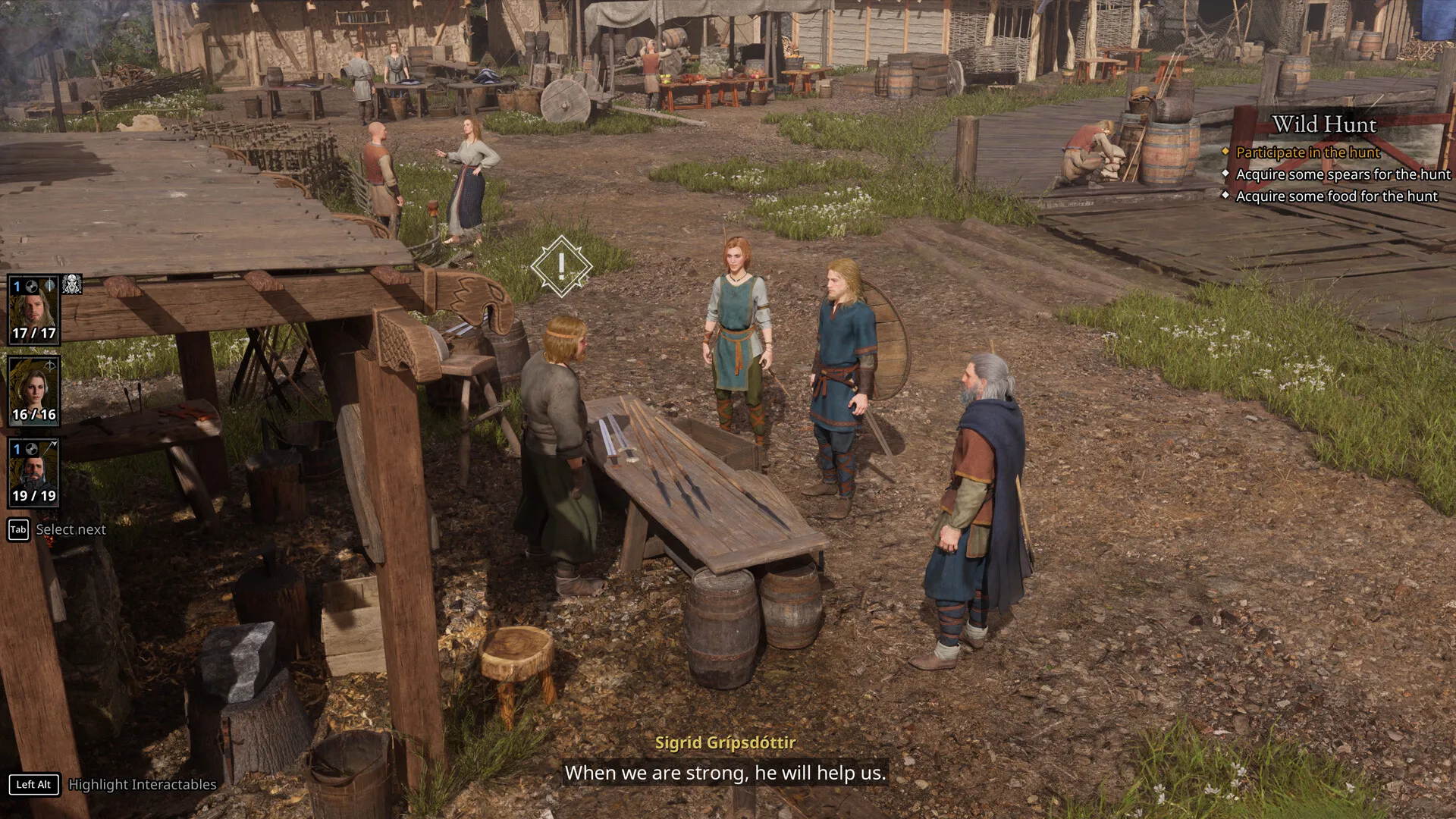
Resource gathering and building tasks often take multiple turns, which forces long-term planning that many tactical RPGs skip. Exploration has its own job beyond scouting and fighting. Gunnar recruits tradespeople out in the world to keep the settlement working. Blacksmiths, hunters, and tailors sign on for protection, then generate specific resources based on the roles you assign.
That creates a satisfying loop: exploration supplies the settlement, and the settlement strengthens the warband. Watching a rocky island develop into a thriving hub lands as tangible progress. Each finished workshop or upgraded hut changes what your troops can do in the next clash. Victory on the battlefield feeds into a larger clan win, reinforcing the themes of leadership and communal survival.
Atmospheric Cold and Technical Friction
Unreal Engine 5 drives the game’s visual identity and builds a chilly, evocative European mood. Dense forests, gloomy lighting, and detailed character models set a somber tone that matches the story. Some models carry a budget-friendly feel, and the facial performance capture stays expressive and gives the dialogue more emotional weight.
The script is supported by strong voice acting that holds steady across primary and secondary roles. A melancholic Nordic score pairs with heavy, realistic sound effects, giving each axe strike a grounded impact and pulling you deeper into Gunnar’s damaged world.
Technical problems interrupt that immersion. Performance stability swings, with many players reporting stuttering and high VRAM demand on mid-range hardware. Glitches show up often enough to stand out, including floating character torsos and slow texture streaming.
The bigger concern comes from issues that shake confidence in the tactics. Save file errors and rare moments where a listed 100% hit chance still misses can undermine trust in the system. Mouse and keyboard feel like the cleanest way to manage menus and fights, and controller support exists at a basic level for players who prefer it. The rough edges point to a game that needs more refinement, even with core systems holding firm.
The Review
NORSE: Oath of Blood
NORSE: Oath of Blood succeeds as a gritty, narrative-driven strategy game that honors its historical setting. The synergy between rebuilding Sudervik and leading high-stakes tactical skirmishes creates a compelling loop. However, the current technical state often undermines this vision. Frequent bugs and performance stutters distract from the excellent writing and atmospheric world. While the mechanical depth and permanent consequences offer significant weight, the experience requires more polish to truly shine. It remains a promising saga for patient genre fans, though technical friction remains a persistent hurdle.
PROS
- Meaningful connection between settlement building and tactical success.
- Deep, historically grounded storytelling penned by Giles Kristian.
- High stakes driven by permadeath and the momentum system.
- Immersive atmospheric lighting and strong voice performances.
CONS
- Persistent performance stutters and high VRAM requirements.
- Technical glitches that compromise tactical reliability and trust.
- Visual inconsistencies in character models and environmental loading.
- Generic early-game narrative structure despite strong writing.