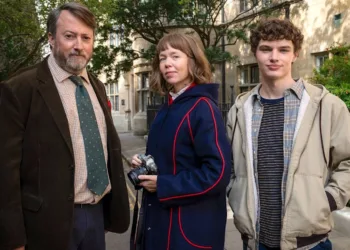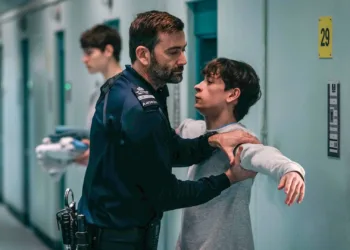











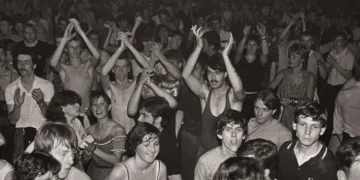




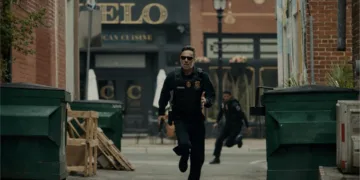











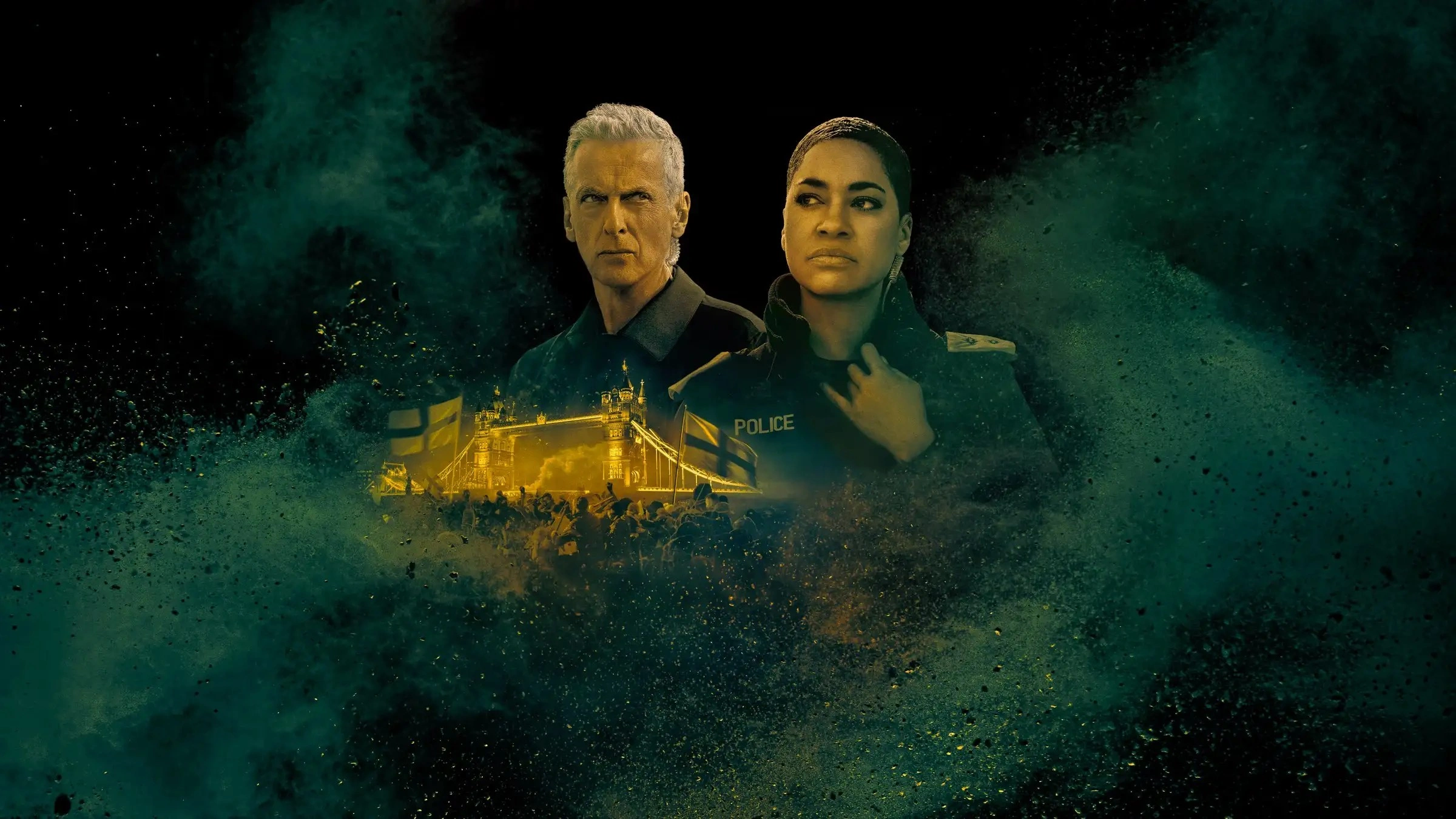

London returns to the screen as a landscape of shadow and systemic friction. This second season finds Detective Sergeant June Lenker and Detective Chief Inspector Daniel Hegarty pulled back into one another’s orbits following a long period of silence. A violent eruption at a political rally serves as the catalyst for their reunion. When a young man named Rohan Hussain is fatally stabbed during a protest, the immediate chaos forces Lenker to confront her own perceived failures as a senior officer on the scene.
The investigation quickly shifts from a street level homicide to a larger operation involving police intelligence. Hegarty has moved into a shadowy role within the intelligence sector. He approaches Lenker with a proposal for an uneasy alliance. The search for a killer transforms into an effort to intercept a far-right extremist group planning a significant attack in the city.
The production maintains its focus on the difficult realities of modern policing, where personal history and institutional corruption frequently collide. This season attempts to expand the scope of the original story, moving from a cold case investigation to a high-stakes counter-terrorism narrative set against the backdrop of a politically volatile capital.
Scaling the Narrative Stakes
The transition from the previous season involves a significant change in scale. The plot moves from the precision of a singular investigation to the hunt for a domestic terror cell. This shift introduces a different kind of tension. The threat of a bomb plot changes how the story moves.
The internal logic of law enforcement remains a primary focus. Truth appears malleable. Those who control the intelligence dictate the reality of the situation. Hegarty remains a figure of moral ambiguity. He justifies his unethical methods by claiming they serve a greater purpose.
The show presents far-right radicalization with a sense of grim realism. It looks at how online influence leads to physical violence. The rhetoric of “England for the English” has clear consequences for the characters. Justice requires personal sacrifice in this world.
The legal system often lacks clear resolution for its victims. The death of the teenager becomes a tool for larger political maneuvers. This mirrors how the series handles its own priorities. The victim is a starting point for a game played by powerful men. The narrative drags at times because of this expansive scope. Precision is sacrificed for size. Some subplots feel disconnected from the central urgency. Still, the exploration of policing in a politically volatile environment gives the series a sense of weight.
A Study in Friction and Performance
Cush Jumbo provides a performance that captures the slow erosion of idealism. June Lenker carries the weight of her work in her physical presence. The strain shows in her face and her posture. She remains vulnerable enough to rejoin a man she knows to be corrupt.
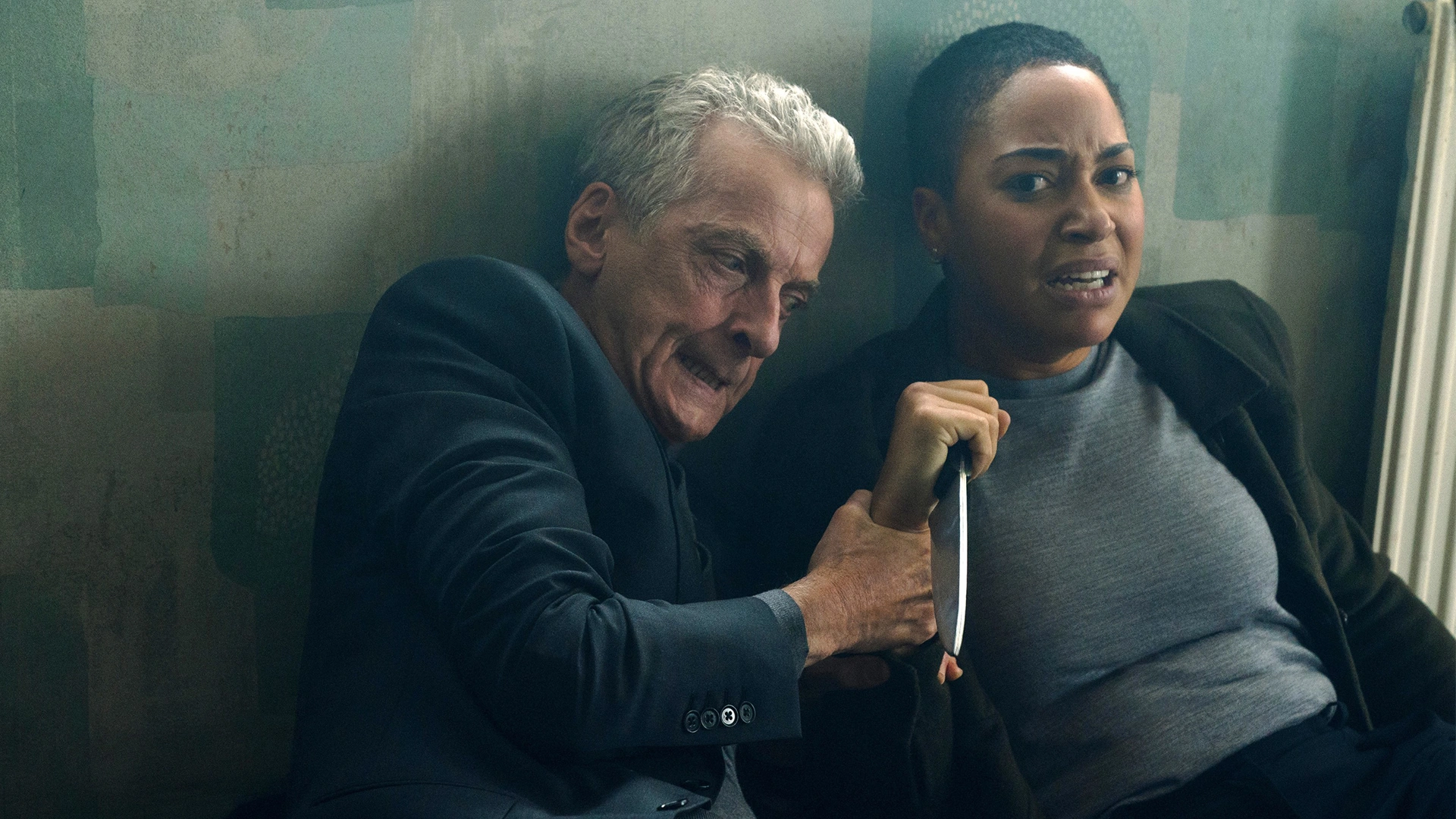
Her desire to correct her failures overrides her professional caution. Peter Capaldi plays Hegarty with a ferrety intensity. He uses information as a blunt instrument. His new role in intelligence provides a natural habitat for his secretive nature. He remains unchanged by his previous scandals.
The alliance between the two leads is defined by friction. Trust is absent from their interactions. Their meetings take place in shadowy spaces like poorly lit cafes. These settings emphasize their power struggle. Billy Fielding acts as a bridge between the police and the extremists.
Hegarty shows a strange devotion to broken individuals like Billy. This personal bias influences his tactical decisions. The relationship between the mentor and the protege is a study in manipulation. Jumbo is more authoritative this season. She shows different sides to her character that clash with her past actions. Their team is fragile. This fragility adds a sense of danger to the story. Every decision comes with its own set of consequences.
Charismatic Hate and the Extremist Base
Dustin Demri-Burns provides an antagonist who feels disturbingly plausible. Cosmo Thompson leads his far-right group with a mischievous sort of charm. He functions as an entertainer who uses digital platforms to broadcast hostility. His charisma makes his message more dangerous.
The extremist group operates out of an MMA gym. This setting provides a concrete look at the recruitment of foot soldiers. The series explores the reality of their ideologies through their interactions. They use recordings and psychological tactics to pressure the police.
A problem arises as the story progresses. The narrative moves away from the original murder victim. The games played by the antagonists take center stage. The death of the young man of color becomes a footnote in the final episodes. This shift is a disappointment.
It suggests that the show prioritizes the spectacle of extremism over the human cost of the crime. The series accidentally mirrors the actions of its characters. It overlooks an injustice in the pursuit of its larger mission. The lack of connection to the victim’s family in the final hour feels like a significant oversight. This choice limits the emotional impact of the resolution.
The Aesthetic of Institutional Decay
The visual identity of the series is defined by a lack of natural light. London appears as a city of oily textures and flickering streetlights. This aesthetic reflects the moral decay within the police force. The cinematography suggests a world where transparency is impossible. The pacing is deliberate. The storytelling moves slowly to allow tension to build. Narrative twists emerge like handkerchiefs from a sleeve. There are moments when the suspense reaches a breaking point.
Certain structural flaws are present. Unnecessary subplots distract from the central plot. Long sequences of irrelevant material affect the momentum. The second season operates with greater ambition, sacrificing something of the first season’s precision. The expanded scale disperses the focus. This trade-off between scale and accuracy creates a different viewing experience.
The show remains a mirror of real-world complexities. It trades the tight grip of a thriller for the broad strokes of a social commentary. The deliberate speed can feel frustrating. Viewers may find themselves waiting for the plot to catch up with the atmosphere. The performances anchor the experience. The series reflects the socio-political tension of the modern world with effective clarity.
Criminal Record is an Apple TV+ original production that returned for its second season today, April 22, 2026. The series focuses on the friction between veteran officer Daniel Hegarty and Detective Sergeant June Lenker within the London Metropolitan Police. This installment tracks an investigation into a violent political rally and a subsequent domestic terror plot. Audiences can access the show through an Apple TV+ subscription to watch the unfolding tension between these two central figures.
Where to Watch Criminal Record Season 2 Online


Full Credits
Title: Criminal Record
Distributor: Apple TV+
Release date: April 22, 2026
Rating: TV-MA
Running time: 45 to 55 minutes
Director: Jim Loach, Shaun James Grant
Writers: Paul Rutman
Producers and Executive Producers: Paul Rutman, Elaine Collins, Peter Capaldi, Cush Jumbo
Cast: Peter Capaldi, Cush Jumbo, Dustin Demri-Burns, Charlie Creed-Miles, Dionne Brown, Shaun Dooley, Stephen Campbell Moore, Cathy Tyson
Director of Photography (Cinematographer): David Higgs, Sergio Delgado
Editors: Elen Pierce Lewis, Ben Lester
Composer: Toydrum
The Review
Criminal Record Season 2
This season succeeds through the power of its lead performances. It effectively captures the grim reality of radicalization and institutional shadow. The pacing stumbles. The narrative focus drifts away from the human cost of the crime. Still, the series remains an essential look at friction within law enforcement. It trades surgical precision for a broader exploration of political violence.
PROS
- Exceptional performances by Peter Capaldi and Cush Jumbo.
- Realistic portrayal of extremist recruitment.
- Atmospheric cinematography of London's urban decay.
- Direct exploration of systemic bias and moral compromise.
CONS
- Sluggish pacing that weakens the momentum.
- Irrelevant subplots that distract from the investigation.
- Reduced focus on the murder victim in later episodes.
- Less narrative precision compared to the first season.