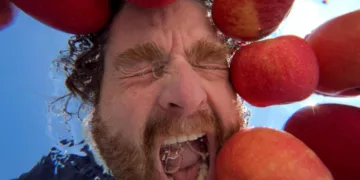


















Netflix’s This Is a Gardening Show arrives on Netflix as a six-part series fronted by Zach Galifianakis, with episodes running about fifteen minutes each. The format is compact, yet the program gives sustained attention to the everyday work of a kitchen garden. Decorative flowers are pushed to the margins. Food takes precedence.
Apples, tomatoes, root vegetables, and corn receive dedicated episodes, while foraging and composting expand the show’s view of what cultivation means. Filmed against the damp, rough-hewn scenery of Vancouver Island and British Columbia, the series keeps its feet in the soil. Galifianakis functions as a stand-in for the viewer. He says he has spent twenty-five years gardening casually.
He refuses the label of expert and adopts the role of learner. That framing clears away the distance that often separates host from audience. The series becomes an invitation to study sustenance and survival without the varnish of professional horticulture. Its attention stays fixed on edible life, and the working farms in the background lend the material a sense of urgency and plainspoken truth.
Shambolic Persona and Juvenile Inquiries
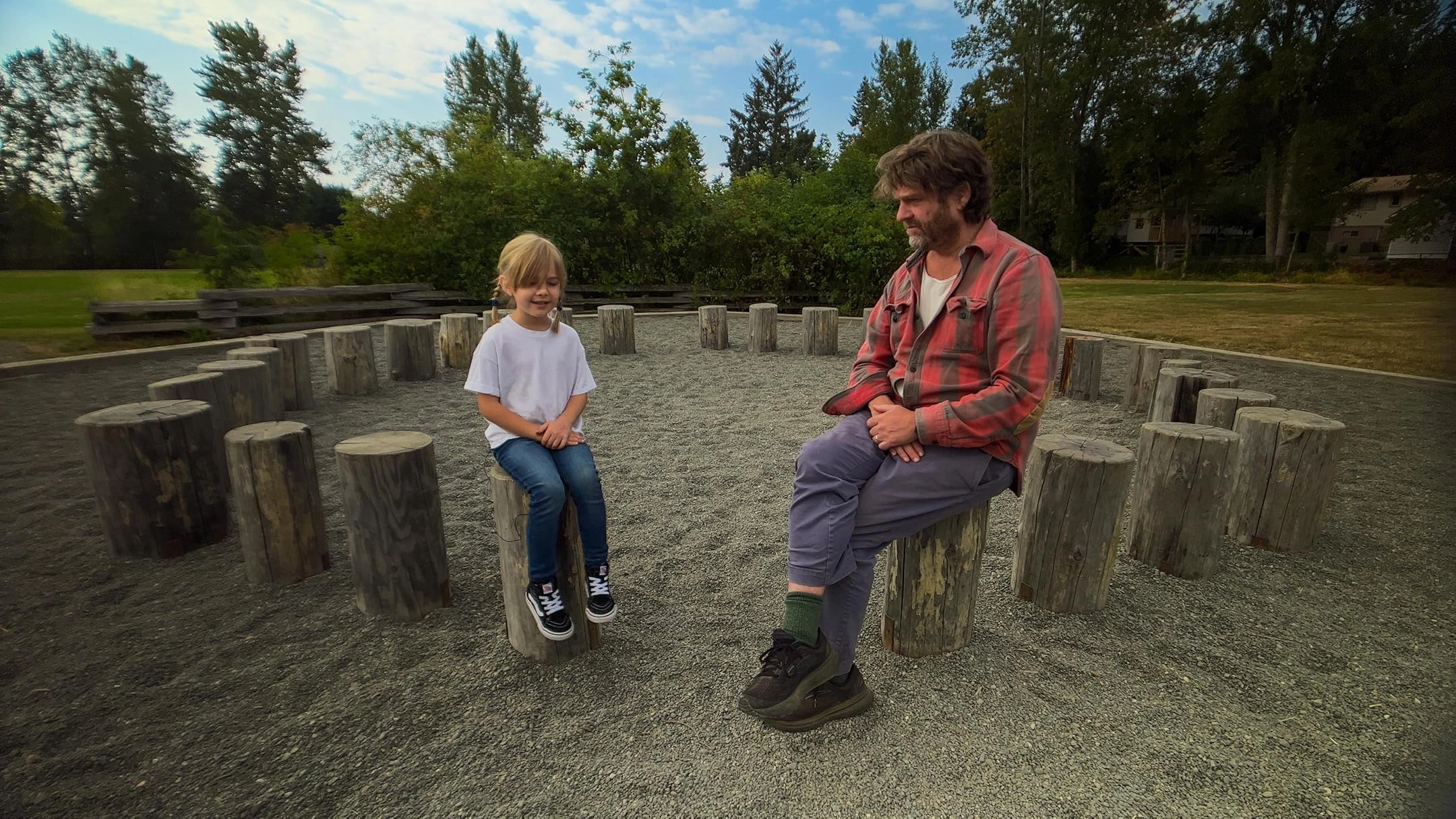
Galifianakis brings a shambling comic presence that shapes the entire series. His manner depends on deadpan rhythm, awkward pauses, and a readiness to let discomfort hang in the air for an extra beat. Recurring segments with children sharpen that sensibility.
He quizzes them on invented apple varieties with names like “sausage fingers” and “diarrhea town,” then follows the bit with bizarre questions about their private lives. These exchanges keep the material light on its feet and give the series a mischievous pulse. There is playful friction in those moments, though the performance never slips into cruelty. A dry, skeptical comic persona remains visible, yet so does real curiosity.
That curiosity matters most once Galifianakis stands beside people who know the land intimately. He visits Danielle at an apple farm and spars verbally with Murray, a weathered corn farmer. In those scenes, the mockery softens and listening takes over. The sharper edge associated with his earlier talk-show persona recedes. What remains is gentler, more open, and much better suited to the material. He jokes about his “yellow liver” and calls himself “decrepit,” turning his own body into part of the comic texture.
The self-ridicule gives his presence a kind of rough sincerity. His inexperience becomes a useful dramatic tool, since it leaves room for the farmers to command attention. Many of them appear as vivid eccentrics, and the series has the good sense to let their oddness, their assurance, and their habits shape the movement of each episode. Galifianakis uses awkwardness as a form of pacing. The jokes carry the information along. They do not smother it.
The Aesthetic of the Unpolished Harvest
The show keeps its lessons pitched at the beginner, and that choice gives it clarity. Instruction arrives through demonstration rather than abstraction. Galifianakis learns to graft apple trees. He watches tomato plants being watered from below so the soil stays protected. The series covers compost construction and lays out the dangers attached to foraging wild mushrooms. These details give the program practical value, though the instruction never hardens into a classroom lecture.

Visual variety helps. Brief animated interludes sketch the histories of different fruits and vegetables, while time-lapse photography compresses growth into something close to wonder, showing seeds becoming food with startling speed. The production also drops in concrete bits of information, including the average number of tomatoes eaten by an American each year. These facts are folded into a style that remains deliberately lo-fi. Bloopers and technical mishaps stay in the edit.
That choice gives the show the atmosphere of a farmers’ market: busy, unvarnished, a little loose around the edges. The structure follows suit. Episodes wander. A segment announced as one thing may slip into a conversation about a loose tooth. The drift feels consistent with the subject itself. Work on the land resists clean lines and perfect sequencing.
That casual construction makes the material easy to absorb. The series treats gardening as available, practical work, free of ceremonial fuss. Its images suggest that a person does not need a sterile workspace or costly equipment to begin. Mud, failed attempts, and small embarrassments remain fully visible. So does the pleasure of learning through doing. Many of the educational passages carry the intimacy of conversation, as though the viewer has wandered into a lively exchange between friends who happen to know a great deal about growing food.
Sincerity and the Agrarian Imperative
Each episode rests on a clear belief. Galifianakis returns again and again to the idea that the future is agrarian. He argues that survival depends on renewed contact with the earth and on stepping away from a culture organized around unsustainable consumption. The point recurs across all six episodes, giving the series a steady ideological through line. The show asks viewers to touch the soil, to dirty their hands, and to reckon with the source of what they eat. Beneath the comic surface lies a firm faith in sustainability.
The striking quality here is the way sincerity survives inside the jokes. Galifianakis keeps the tone loose through remarks about his digestion and through the sheer ridiculous force of a well-placed poo joke, yet the conviction underneath those jokes remains unmistakable.
The garden is presented as a site of hope and as a route toward a fulfilling form of life. The series links life on the land with ease, satisfaction, and a different relation to time. Patience and labor emerge as moral practices as much as practical ones. That agrarian vision also carries a warning. The present world appears frayed, wasteful, and detached from the conditions that sustain it.
What gives the show its peculiar charm is the way it delivers that message without the grim heaviness common to environmental nonfiction. Galifianakis frames a simpler life as pleasurable, communal, and funny. By the closing stretches, the series presses the idea that everyone has a role in the change it imagines. The soil becomes both instrument and symbol, a means of repair and a ground on which another future might be built.
The documentary series This Is a Gardening Show premiered on April 22, 2026. This release date coincided with Earth Day. The program is available for streaming on Netflix. It features six episodes that focus on the host, Zach Galifianakis, exploring the basics of agriculture on Vancouver Island. The show provides a look at small scale farming through conversations with experts and children. Each segment offers a whimsical perspective on growing food while remaining grounded in practical advice.
Where to Watch This Is a Gardening Show Online


Full Credits
Title: This Is a Gardening Show
Distributor: Netflix
Release date: April 22, 2026
Rating: TV-14
Running time: 15, 16, 20 minutes
Director: Brook Linder
Writers: Zach Galifianakis, Brook Linder
Producers and Executive Producers: Justin Wilkes, Jon Kamen, Jon Doran, Chris Kim, Frank Scherma, Zach Galifianakis
Cast: Zach Galifianakis, Arzeena Hamir, Danielle, Murray, Brooklyn Elementary Students
Director of Photography (Cinematographer): Logan Triplett
Editors: Bryan Shaw
Composer: Thunderclap Newman
The Review
This Is a Gardening Show
The series succeeds by grounding its absurdist comedy in a sincere environmental plea. Zach Galifianakis transforms a simple instructional premise into a meditation on sustainability. His interactions with children and experts provide a refreshing lack of pretension. The short episodes make the transition to agrarian life feel manageable and joyful. It represents a rare instance where a celebrity persona serves a cause with genuine humility. It avoids the polished artifice of traditional lifestyle television.
PROS
- Short episodes maintain high engagement.
- The host delivers a grounded, self-deprecating performance.
- Practical advice remains accessible for beginners.
- Visual aids clarify the growth process.
CONS
- Advanced gardeners might find the information basic.
- The loose structure occasionally ignores the main topic.