















![Kingdom Hearts Collection [I-III] Review](https://gazettely.com/wp-content/uploads/2026/10/Kingdom-Hearts-Collection-I-III-1-360x180.webp "Kingdom Hearts Collection [I-III] Review: KHII Holds Steady as Newer Entries Fluctuate 37")




The film opens in a hush that already feels final. The director’s father died in 2021, and that loss pulls her back into a home packed with the material evidence of another person’s life. I once spent a summer clearing out a relative’s old workshop, and the smell of cedar mixed with old paper still carries the dense feeling of inherited memory.
Here, the director and her brother, Tom, handle the blunt physical task of emptying a house. They sort through unopened letters, household mess, and boxes that seem to hold years of silence. That practical labor grounds the film in the everyday mechanics of grief.
Among the clutter, they discover high school journals filled with careful handwriting and small drawings. Those notebooks open a path toward a past that had been stored away. The siblings move between French and Swedish, and the language shifts give their dual heritage a lived-in texture. The film studies identity through objects, asking how a person comes to understand herself by returning to the traces she once left behind.
Finding Clarity in the Family Archive
The film holds two versions of memory in close contact. One version carries the pain of a father remembered as aggressive and volatile. The other carries the heightened, romantic inner life preserved in teenage notebooks. Archival home videos and old audio recordings help assemble the family story from fragments.

These pieces capture household tension as something often unseen, present in the air rather than declared. The director keeps the drama quiet. She observes the long climate of a parent’s struggle, the kind of instability that can sit behind ordinary routines for years.
That choice gives the film its plainspoken emotional force. Childhood unease appears as background weather, and forgetfulness becomes a form of self-protection. The old writing offers another route: recovery through attention. Tom gives the story its steady emotional base.
His bond with his sister feels warm, teasing, and lived-in. During the house-clearing scenes, grief mixes with humor in a way that feels recognizable. Anyone who has handled boxes after a death knows how quickly sorrow can sit beside absurdity.
Their shared work becomes a form of repair. The film is honest about the release that can arrive after a difficult presence has gone. Sorting through the estate turns into a way of claiming independence. The prose of the film, like the siblings’ conversations, stays clean and direct. They use memory together, comparing what each carried forward, and that shared process lets them reshape their understanding of childhood.
The High School Journal as a Survival Tool
One major thread follows the young director’s intense crush on a high school history teacher named Mademoiselle Bresson. In the journals, literature and cinema give shape to feelings she could barely name. She presents the teacher as elegant and intelligent, a vision of adulthood for a teenager searching for escape.
I have always loved the way French cinema from that period could make intellect feel glamorous, almost musical. The desire here has fluid edges. It combines attraction, admiration, and the wish to grow into the qualities she saw in another person.
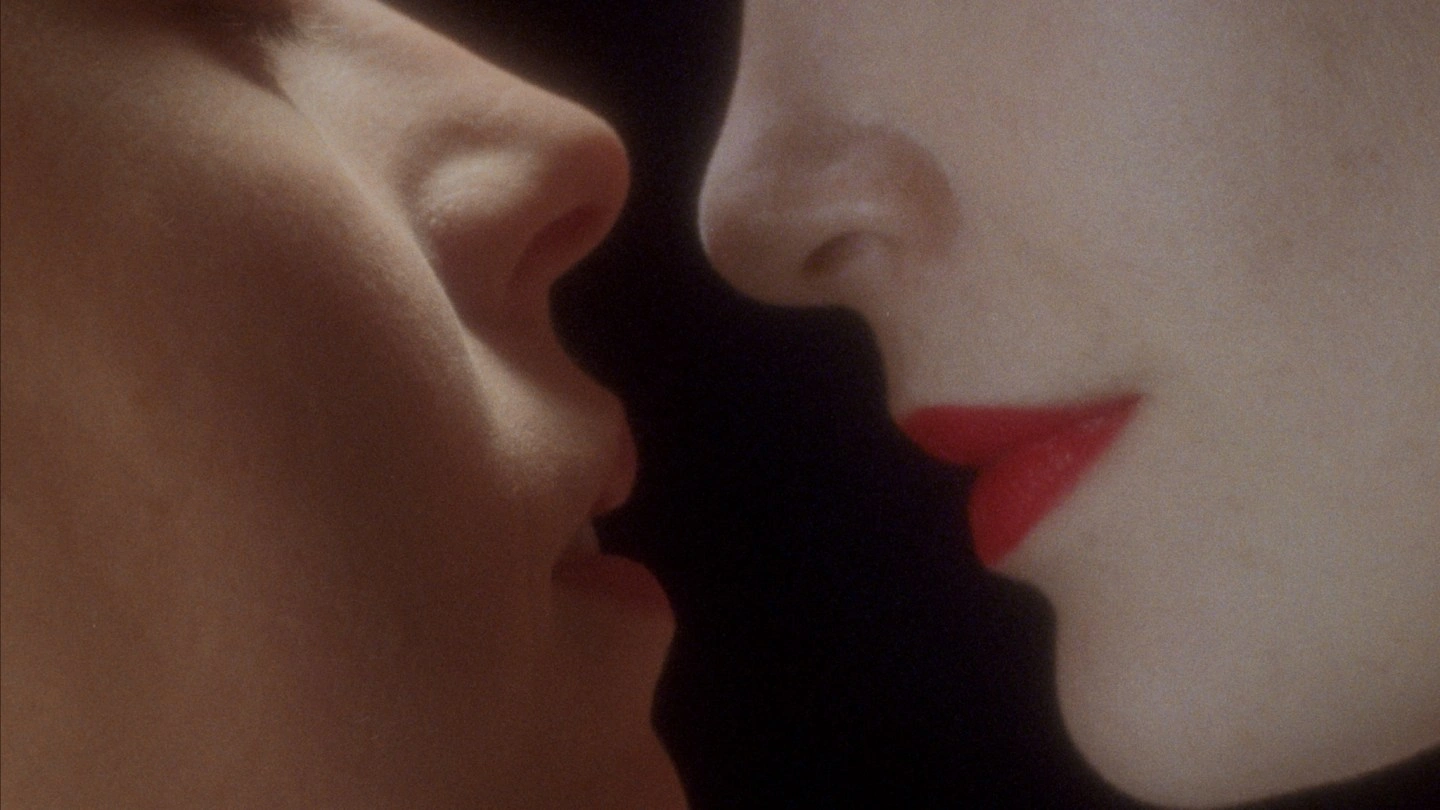
The film’s form begins with close observation, then opens into stylized and experimental passages. A striking sequence recreates a moment from the cult film Daughters of Darkness. The director appears in a spangly silver dress and a blonde wig, turning memory into performance. That cinematic gesture changes the film’s energy. She stops treating the past as fixed material and begins shaping it through image, costume, and fantasy.
The score deepens that inner movement. Leo Svensson Sander uses piano, clarinet, and cello to build a spare, sometimes jagged atmosphere. The music feels emotionally precise, like thoughts being tested before they can become language.
It gives sound to embarrassment, longing, and self-recognition. The film treats this aesthetic education as shelter during a painful upbringing. Art gives the young director a structure for emotion, a private grammar for feelings that did not yet have a safe place in daily life.
Paper Trails and the Act of Preservation
Simon Averin Markström’s cinematography keeps close to hands, paper, surfaces, and rooms. The handheld camera attends to small gestures and the worn texture of old objects. We see the grain of paper, the expressive disorder of the house, and the physical presence of things that memory alone could soften or distort.
The film’s hybrid structure moves through home movies, present-day observation, and reflective passages, creating a form that feels assembled from lived evidence. I often think about how digital life lacks the tactile proof of a journal, that stubborn little object that can survive dust, boxes, and embarrassment.
The production timeline runs from the father’s death to the death of a grandfather, framing a period of major personal change. Against the heaviness of mourning, the film places simple pleasures: picking olives, harvesting cherries, and attending a village party. These scenes matter because they keep grief from becoming the film’s single register. Life continues beside the work of sorting, remembering, and naming what happened.
The search leads at last to a real-world meeting with Sylvie, bringing the long-forgotten journals into the present. That encounter gives the paper archive a living echo. The act of filmmaking has a clear purpose here. Writing holds details that memory may revise across time.
By transforming the journals into cinema, the director grants her own history form and authority. She reaches a sense of personal triumph. The film becomes a confident study of the stories people build to survive their pasts, and of the physical histories they keep carrying long after the boxes have been cleared.
“La belle année” debuted at the International Film Festival Rotterdam in early 2026. It earned the Tiger Special Jury Award before arriving in Swedish cinemas on April 17, 2026. The film follows the director as she cleans her late father’s home and explores her teenage journals. This hybrid work is currently available through limited theatrical screenings and major international film festivals such as CPH:DOX and Tempo.
Full Credits
Title: La belle année
Distributor: Odd Slice Films, MDEMC
Release date: January 29, 2026 (World Premiere), April 17, 2026 (Sweden)
Running time: 95 minutes
Director: Angelica Ruffier
Writers: Angelica Ruffier
Producers and Executive Producers: Marta Dauliūtė, Brynhildur Þórarinsdóttir, Elisabeth Marjanović Cronvall, Elin Lilleman Eriksson
Cast: Angelica Ruffier, Tom Ruffier, Henrik Ruffier, Sylvie Bresson
Director of Photography (Cinematographer): Simon Averin Markström
Editors: Anna Eborn
Composer: Leo Svensson Sander
The Review
La belle année Angelica
Angelica Ruffier delivers a striking debut that handles the heavy labor of mourning with grace. By treating old journals and home videos as physical evidence of a shifting identity, the film avoids typical sentimental traps. It offers a meditative look at how we use art and memory to survive difficult beginnings. While the pacing occasionally reflects the slow bureaucracy of inheritance, the emotional payoff feels earned. This is a thoughtful exploration of desire and the tactile nature of the past.
PROS
- Intimate, tactile cinematography that captures the texture of the family home.
- Honest portrayal of sibling dynamics and shared healing.
- Evocative use of archival media and stylized recreations to explore internal desire.
CONS
- Occasional repetitive segments regarding the legal paperwork of inheritance.
- Self-conscious layering of cinematic references in the middle act.