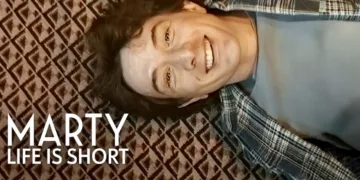






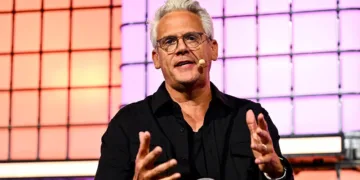














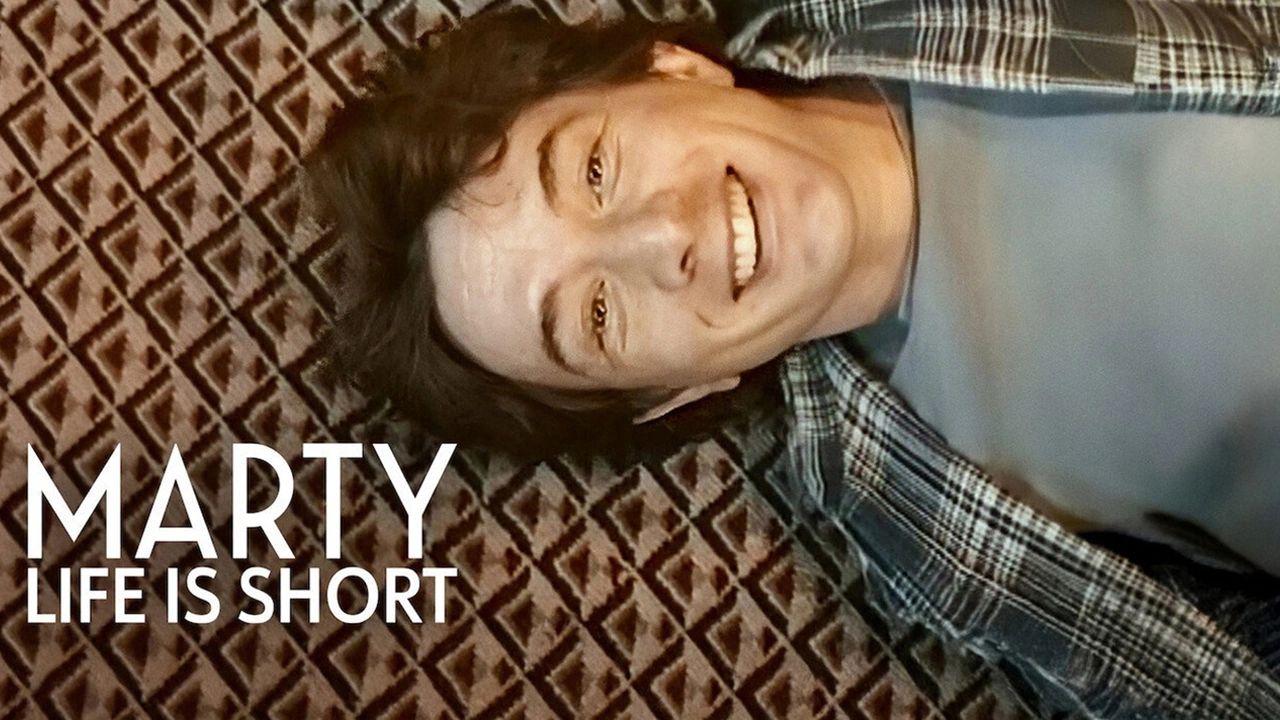

Lawrence Kasdan’s documentary Marty, Life Is Short arrives as a close, searching portrait of Martin Short’s durable place in comedy culture. The film moves away from the stiff architecture of a standard biography and treats its subject through conversation, memory, and friendship.
Kasdan shapes the documentary as an open exchange between two companions, giving Short’s career and personal code room to breathe. That choice creates the film’s main tension: the restless comic force of Short’s public work sits beside the quieter weight of his private life. The project moves across decades, from his beginnings in the Toronto theater scene to his recent success in Only Murders in the Building.
That long view shows how an artist survives the instability of show business through temperament, loyalty, and a practiced sense of proportion. Short comes across as someone who filters experience through persistent optimism. Kasdan’s portrait defines him through connection, craft, and friendship rather than commercial scorekeeping. The documentary becomes a thoughtful study of resilience as a cultural and artistic survival skill.
The Philosophy of Success Through Perceived Failure
A central pillar of the film comes through Short’s unusually frank view of professional failure. He says a staggering eighty to ninety percent of his projects failed to meet conventional measures of success. That admission reframes his career around pleasure, friendship, and personal meaning.
Three Amigos, Innerspace, and Clifford appear as important markers of creative enjoyment. Kasdan treats them as shared adventures among friends, giving the work a communal dimension that feels rooted in performance traditions built on trust and timing. This philosophy gives the documentary its clearest framework for understanding Short’s balance between labor and life.
The film gains emotional force when it turns to personal loss. The deaths of his brother and parents came early in his life. Later, the death of his wife, Nancy Dolman, altered his reality in a deep and lasting way. Kasdan handles these experiences with restraint. The film studies how Short absorbs grief into a life guided by joy, keeping sentiment under control without draining the feeling from the material.
Also Read





His marriage is presented as a nourishing source of strength, a relationship that continues to shape his emotional bearing. Short’s optimism emerges as discipline, a practiced method for living through pain without allowing it to define the whole story. The documentary presents collaboration and shared laughter as protection against the disappointments built into entertainment work. Short speaks about his past with a lightness that signals control, clarity, and a deep command of his own story.
Directorial Intimacy and the Power of Private Archives
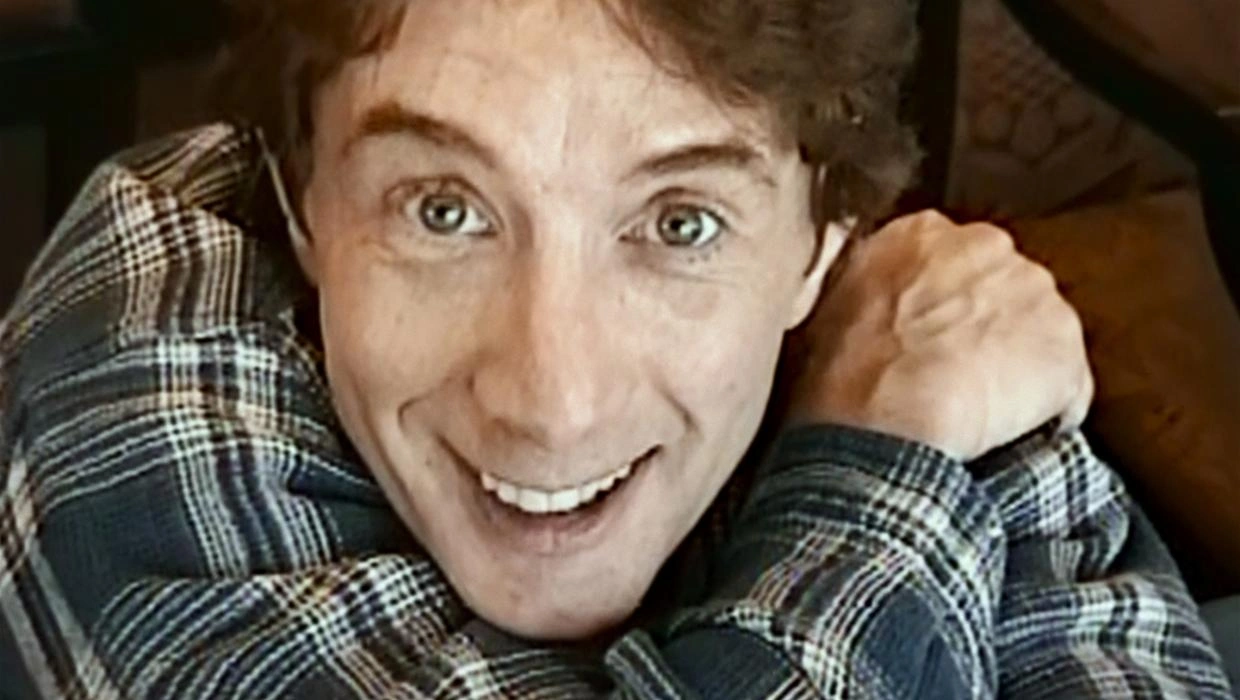
Kasdan’s formal approach depends on the intimacy of private archives. He steps away from the standard interviewer position and creates a setting where conversation can move with natural ease. The home movie footage carries major weight. Clips from beach house gatherings and Christmas parties open a private world usually hidden behind public images.
One memorable scene shows Steven Spielberg acting as cameraman for a parody in which Short and Tom Hanks recreate a classic cinematic moment. The scene gives familiar public figures a disarming informality. They appear as artists taking real pleasure in each other’s company.
The archival material works as evidence of the warmth Short gives to the people around him. Traditional talking-head segments with Eugene Levy, Catherine O’Hara, and Steve Martin add outside perspective. Their memories confirm the sincerity of Short’s public and private character. They describe a steadiness of spirit that has held across decades.
Kasdan layers image, voice, and recollection to form a full portrait of a performer who values the act of making things alongside the finished work. His direction places the viewer near a genuine friendship, like a quiet observer invited into the room. That structure supports the film’s belief that a meaningful life is made from small, unscripted moments and private rituals as much as public achievement.
The Evolution of Character and the Streaming Resurgence
The documentary traces the development of a comic voice that began in the 1972 Toronto production of Godspell. That moment in Canadian cultural history becomes fertile ground for an extraordinary generation of talent. Short’s movement through Second City and Saturday Night Live shows his dedication to character-based comedy, a form built on precision, exaggeration, and social observation. The film examines Jiminy Glick and Ed Grimley as proof of his range and technical control.
A key observation concerns the gap between his manic public persona and his quieter role as a facilitator of comedy. The film presents his high-energy performance style as a tool for reaching audiences. His private self appears grounded, observant, and generous. That difference gives the documentary a strong sense of craft. Short’s comedy depends on excess, timing, and theatrical attack, yet the man behind it seems defined by attentiveness.
His renewed visibility comes through his partnership with Steve Martin and the success of Only Murders in the Building. This late-career rise reflects the cyclical nature of fame, where sustained quality can meet a fresh audience in a new media climate. The film shows how the early Toronto scene encouraged mutual inspiration among peers. Short becomes a bridge between classic sketch comedy and the streaming age.
He adjusts to shifts in media consumption while keeping the central principles of his craft intact. The documentary presents him as an artist who has crossed major changes in format, platform, and audience habit while preserving a clear comic identity. His career suggests a graceful meeting of traditional performance values and contemporary narrative design.
Marty, Life Is Short premiered on Netflix on May 12, 2026, marking a significant addition to the platform’s library of deep-dive celebrity portraits. Directed by the legendary Lawrence Kasdan, the film provides an incredibly intimate look at the 50-year career and personal philosophy of comedian Martin Short. By blending rare archival home movies with new, candid interviews with his closest friends, the documentary explores how Short has navigated profound personal grief while remaining one of the most consistently joyful figures in entertainment. The film is currently available for streaming exclusively on Netflix.
Where to Watch Marty, Life Is Short (2026) Online


Full Credits
Title: Marty, Life Is Short
Distributor: Netflix
Release date: May 12, 2026
Rating: TV-14
Running time: 1 hour 42 minutes
Director: Lawrence Kasdan
Writers: Lawrence Kasdan
Producers and Executive Producers: Sara Bernstein, Meredith Kaulfers, Christopher St. John, Justin Wilkes, Lawrence Kasdan, Blair Foster, Brian Grazer, Ron Howard
Cast: Martin Short, Steve Martin, Tom Hanks, Eugene Levy, Catherine O’Hara, John Mulaney, Rita Wilson, Steven Spielberg, Andrea Martin, Conan O’Brien, Paul Shaffer, Michael Short
Director of Photography (Cinematographer): Bryant Fisher, Antonio Rossi, Emily Topper
The Review
Marty, Life Is Short
Kasdan provides a moving study of how a resilient spirit handles the volatile nature of celebrity. The film succeeds as a meditation on the value of long-term artistic community and the power of a joyful perspective. It prioritizes emotional truth over biographical data. This creates an intimate portrait of a performer who treats success and disappointment with equal grace. This documentary provides a refreshing look at a career defined by the quality of its connections.
PROS
- Conversational intimacy between the director and the subject.
- Excellent archival home movies featuring iconic peers.
- Thoughtful perspective on professional setbacks and resilience.
- Explores the foundations of the Toronto comedy scene.
CONS
- Follows a traditional narrative path despite the casual tone.
- Limited technical dissection of specific comedic methods.