






















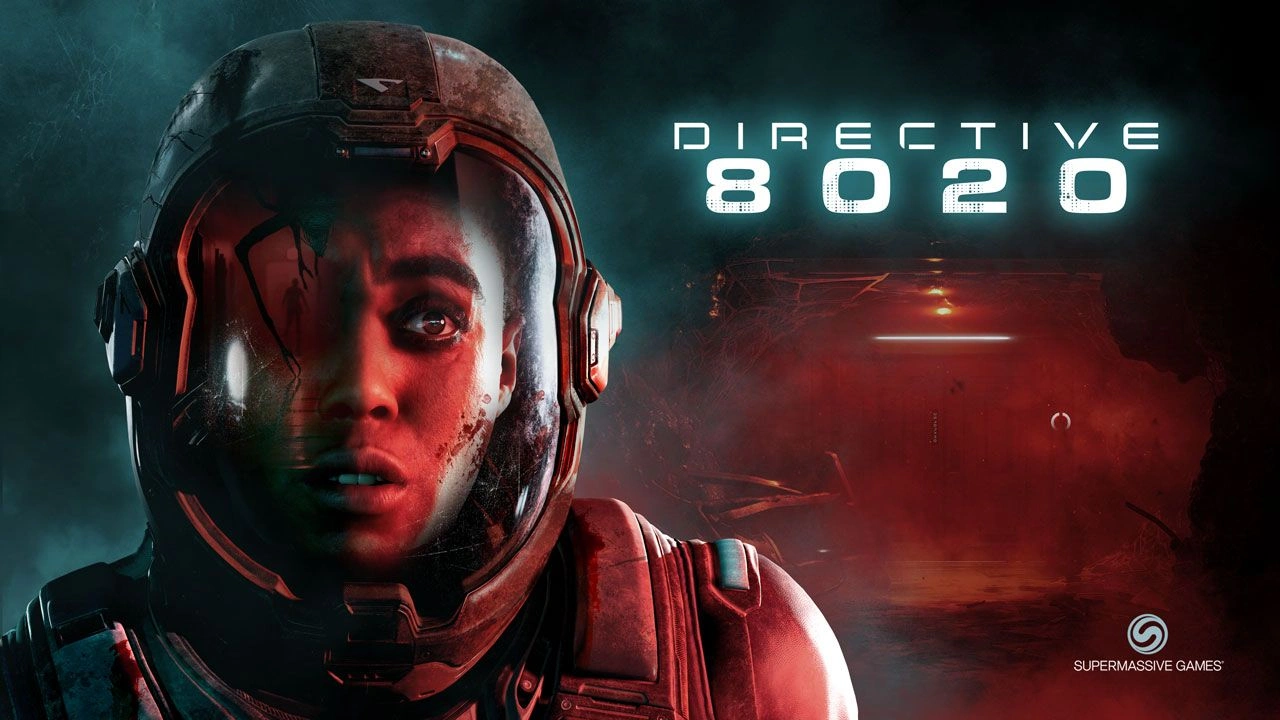

The starship Cassiopeia operates like a cemetery in motion for a species still clinging to life. Its course is set for the exoplanet Tau Ceti f, since humanity’s future depends on locating a substitute for a devastated Earth. The mission begins as a technical answer to extinction. The arrival of a parasitic organism turns that purpose into something far less stable: a crisis of identity, memory, and recognition.
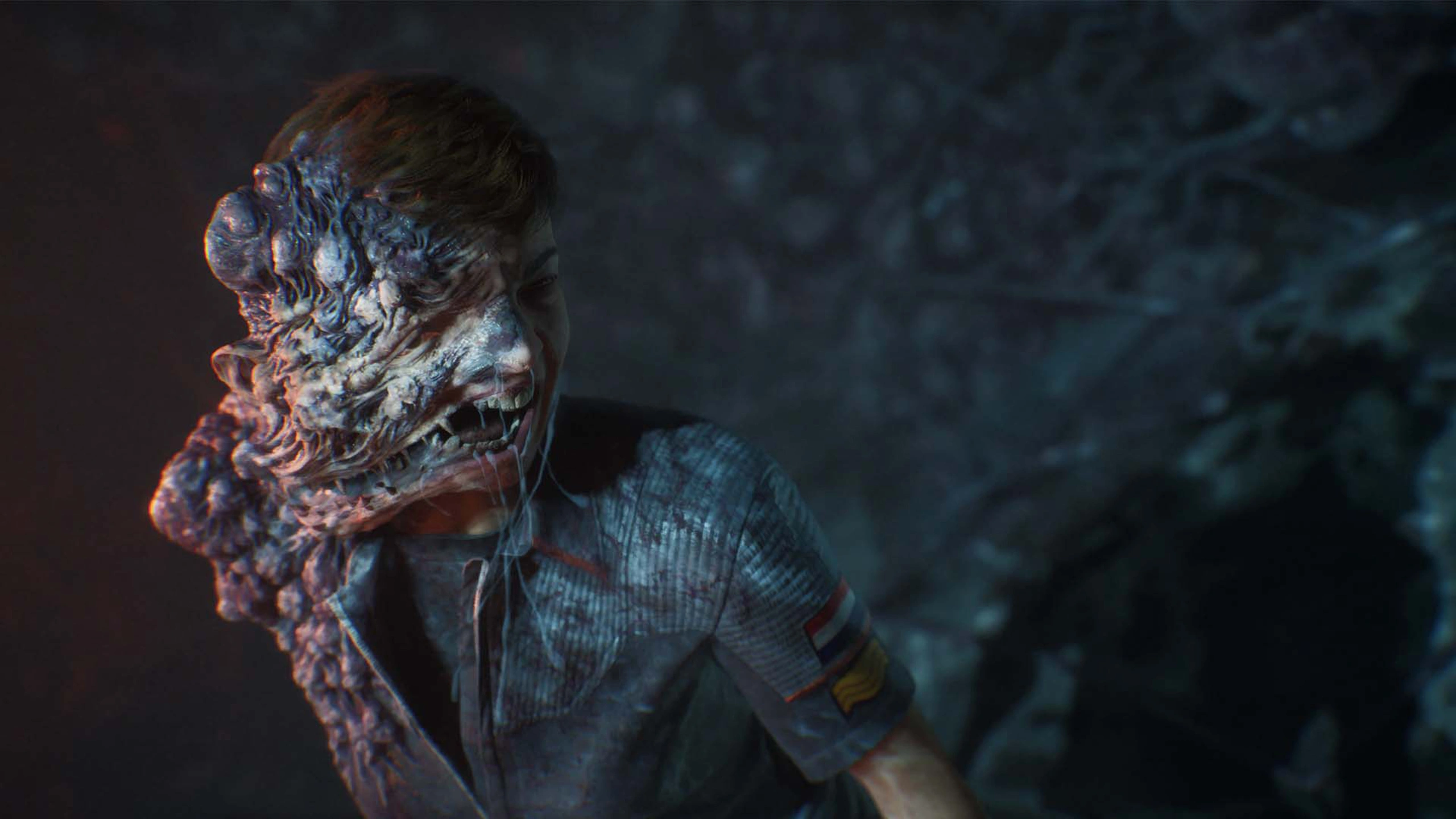
The creature kills by taking the biological material of the crew and rebuilding their faces and bodies. That process leaves the survivors trapped in a ship where a familiar appearance can no longer be treated as proof of safety. Mimicry becomes the engine of fear, and the game uses it to create an atmosphere of severe isolation.
Players oversee a group of specialists who must keep the Cassiopeia functioning during a prolonged collapse of trust. Their responsibilities are practical, yet every repair task carries social pressure because any member of the crew could become a threat. The vacuum outside the ship strengthens the sense of confinement.
The corridors feel narrow, exposed, and hostile, with each passageway capable of becoming an ambush point. The story builds its tension around fragile human bonds inside a corporate mission with possible lethal secrets written into its directives. Survival depends on evasion, equipment management, and a constant reassessment of familiar faces.
The Mechanics of Spatial Anxiety
The over-the-shoulder camera changes the player’s physical relationship with the world. Earlier entries relied on fixed angles that created a cinematic distance from the action. This perspective gives the player a stronger sense of control and presence. Moving through the Cassiopeia’s functional corridors feels grounded, with the camera close enough to make each turn into a tactical decision.
The approach also gives the ship’s architecture greater weight. Cold laboratory surfaces, tight ducts, service rooms, and industrial passages register as practical spaces with clear survival value. The environment feels larger because the player must read it from within, using walls, shadows, and cover as part of every encounter.
That shift supports the active stealth mechanics. Players use the three-dimensional layout to avoid threats in real time, crouching behind crates, slipping into darker areas, and watching enemy patrol patterns. The mimic’s movement demands steady observation, since a safe route can become dangerous with a small change in timing.
Tension grows from the player’s ability to stay unseen. Scripted quick-time events remain part of the design, sharing space with survival sequences that give the player greater responsibility. The result moves the experience away from the passive rhythm of watching a horror film and toward the pressure of physically moving through one.
Environmental obstacles push the crew into the role of technicians trying to keep a dying machine alive. One key puzzle type asks players to scan rooms for hidden power lines, trace those lines through walls, and reroute electricity to open locked doors. The process favors patient exploration. Other tasks are specific, including mixing chemical elements to synthesize drugs and identifying serial numbers on wreckage. These actions make the science-fiction setting feel practical. Progress depends on tools, procedures, and careful attention to the ship’s systems.
The handheld scanner gives players essential environmental information, and the radar tracks the mimic’s location. The radar’s wireframe outlines can crowd the screen, creating a useful tactical layer that can interfere with the ship’s atmospheric lighting. This tradeoff fits the game’s larger systems. Information helps the player survive, yet the interface can weaken the visual clarity that makes the ship so oppressive.
The repair work also shapes the pacing. Repeated power puzzles can slow the story, then reinforce the idea that the Cassiopeia is a complex vessel failing one system at a time. During these technical interactions, players must balance speed against the noise and risk created by each action.
The Architecture of Choice and Rewinding
The Turning Points system marks a clear change in the handling of narrative branching. It lets players see immediate results from their decisions and then reverse them. If a character dies during a frantic escape, the rewind feature allows a different approach. The game becomes a study of cause and effect, with character death treated as a variable under the player’s control. This gives players a practical way to pursue a preferred outcome without replaying several hours of progress.
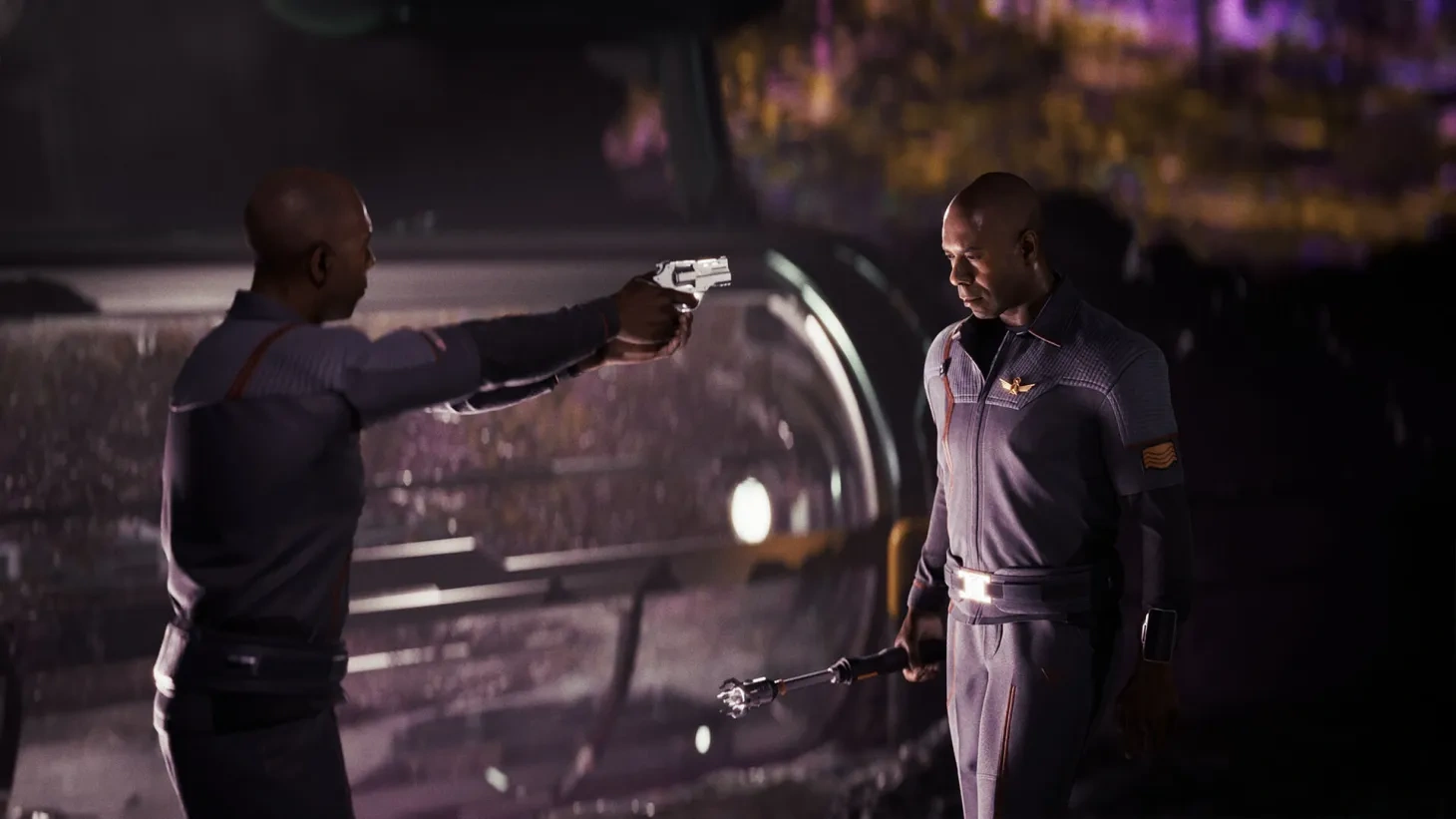
The scene tree expands that idea by mapping the structure of the story. It shows where decisions occurred, where the story turned, and how events could have moved in another direction. This transparency helps players understand the logic behind each character’s survival. The branching structure becomes readable, which changes the player’s relationship to failure. Death can still carry emotional weight, since the characters have been built through dialogue, performance, and private exchanges. The rewind system also invites close study of how a single choice reshapes the group.
The game separates this system into Explorer and Survivor modes. Explorer mode grants access to rewind tools and the scene tree from the start, giving players maximum control over the story’s direction. Survivor mode withholds those tools until the first full completion, forcing players to live with the consequences of their first decisions. The two modes acknowledge different player priorities. Some players want authorship over outcomes, and others want the pressure of irreversible choices during an initial run.
The Character Destiny system extends choice beyond immediate danger. Dialogue decisions shape internal crew traits over time, including Professional and Serious. Those traits eventually create a permanent destiny for each character, and that destiny can open or close story paths in later episodes.
A character who becomes too rigid may lose access to a risky decision needed for group survival. Conversation management therefore becomes part of the long-term strategy. The player is shaping personalities through small responses, then watching those patterns harden into narrative consequences.
Private text-style messages give the system a quieter social dimension. Crew members use these exchanges to reveal backstory and form relationships outside the main cutscenes. The player can choose responses, adjusting trust between characters while movement through the ship continues. These interactions make interpersonal management feel continuous. The crew’s internal lives carry mechanical importance, matching the emphasis placed on physical survival.
Visual Fidelity and Auditory Pressure
The Cassiopeia’s aesthetic relies on functional futurism. Clean lines, orderly rooms, and analog interfaces suggest a world built around dangerous space travel and strict operational control. As the mimic spreads, that order breaks down. Sterile surfaces give way to distorted flesh and organic matter, creating a sharp visual clash between human technology and the alien presence. The ship’s design tracks the collapse of the mission in physical form, turning familiar workspaces into places of contamination.
Performance capture gives the crew a strong sense of presence. Facial animation captures fear, suspicion, and camaraderie with close attention to small expressions. Lashana Lynch and Anneika Rose bring warmth and history to the group, making the crew feel like individuals with lived relationships.
Their performances help the player invest in who survives, which matters in a story built around branching deaths and shifting trust. Some lighting can create a mild uncanny effect, yet the acting usually carries the emotional weight of those scenes. The threats feel immediate because the characters register as physically present inside the same confined space.
Sound design builds constant pressure. The voice work is crisp and controlled, allowing emotional dialogue to land during intense scenes. End-of-episode music uses emotive tracks to mark narrative transitions and shape the mood of each chapter. Directional audio plays a clear mechanical role in stealth sections, since players are meant to track the mimic before seeing it. A metallic scrape or biological noise can serve as an early warning, turning listening into a survival skill.
The mix can lose precision at points, making the location of a threat difficult to judge during tense encounters. That imprecision can create confusion at moments that need clean spatial information. Cutscene cinematography stays focused on character reactions.
The camera lingers on faces, measuring the effect of rising paranoia across the crew. Scenes often move with deliberate pacing, holding tension before sudden bursts of action. Visual storytelling remains one of the game’s strongest tools for defining the stakes of the mission. The silent void outside the ship and the chaotic soundscape inside it work together to intensify the claustrophobic mood.
Shared Suspicion and Narrative Momentum
The multiplayer modes turn the mimicry premise into a social deduction structure. In cooperative play, different players control different characters, often positioned in separate areas of the Cassiopeia. Separation creates unequal information. One player may witness something another player misses, and that gap can damage communication. The game then asks players to make decisions that can determine the survival of a character controlled by someone else. Cooperation becomes a trust exercise under pressure.
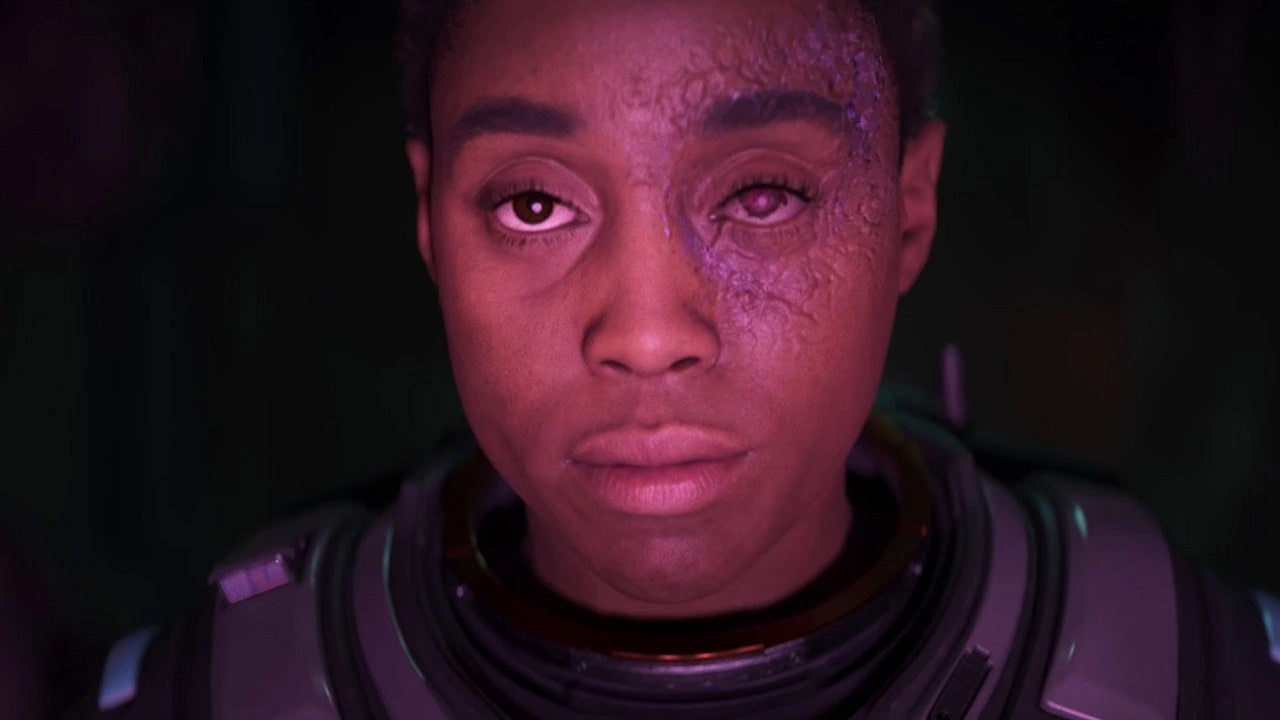
The alien’s power to impersonate crew members creates specific scenes built around suspicion. The bioscanner sequence demonstrates this clearly. Characters must pass through a scanner to prove their humanity, forcing players to judge their friends’ actions during a high-stakes moment. The horror gains a social layer because fear is directed through conversation, hesitation, and second-guessing. The creature’s physical threat matters, and the emotional cost of doubt becomes equally important.
The game’s eight-episode structure manages the pace of that suspicion. The opening uses a slow build, introducing the crew and the early failure of ship systems before the threat is fully revealed. This gives the characters room to develop before the danger takes control of the story. Later acts increase the pace through a higher frequency of stealth sections and life-or-death choices. The episodic format uses cliffhangers to maintain interest between play sessions.
Flashbacks provide context for the corporate conspiracy and the mission’s background. This non-linear structure keeps the plot from feeling too predictable. The story logic contains a high number of permutations, encouraging repeat playthroughs. Forty four character deaths and dozens of scene variations create a large amount of material to uncover. A single run exposes a limited portion of the possible paths, making the scene tree and rewind tools especially useful for players interested in tracing the full design.
The shifting loyalties of the small crew keep the experience grounded in human emotion. The movement from slow-burn setup to frantic survival maintains the internal logic of the world, so the threat feels present through the final stretch. The Cassiopeia’s mission begins as a search for humanity’s future, then becomes a test of identity, trust, and the fragile systems that hold people together under pressure.
The Review
Directive 8020
Directive 8020 marks a bold transition for the anthology into the depths of space. The shift to a third-person perspective and real-time evasion systems provides a fresh layer of agency. While the stealth and puzzles become repetitive, the narrative weight and strong performances from the cast ground the experience. The Turning Points mechanic is a major addition for those who value story flexibility. It is a technically ambitious effort that succeeds in creating a tense atmosphere of paranoia.
PROS
- Tense deep space atmosphere and a strong sense of isolation.
- The Turning Points system offers excellent narrative flexibility and replay value.
- High-quality performances from the cast provide an emotional anchor for the story.
- The mimicry mechanics create genuine suspicion during multiplayer sessions.
- A vast array of branching paths and unique character deaths to discover.
CONS
- Stealth sequences and power-based environmental puzzles feel repetitive over time.
- Directional audio precision is sometimes inconsistent during active evasion.
- The radar and scanning interface can cause unnecessary visual clutter.
- Enemy pathing in real-time sections often feels predictable.