
















Netflix has acquired U.S. and Latin American distribution rights to Danny Boyle’s “Ink,” a drama about the early days of Rupert Murdoch’s media empire, a day after the film was named the opening selection for this year’s Venice Film Festival.
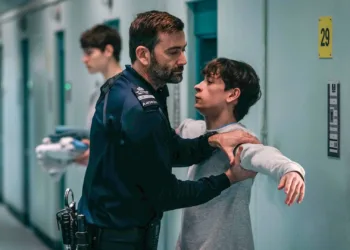
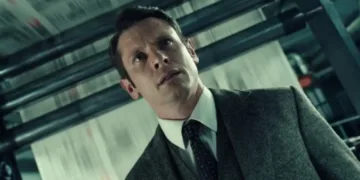
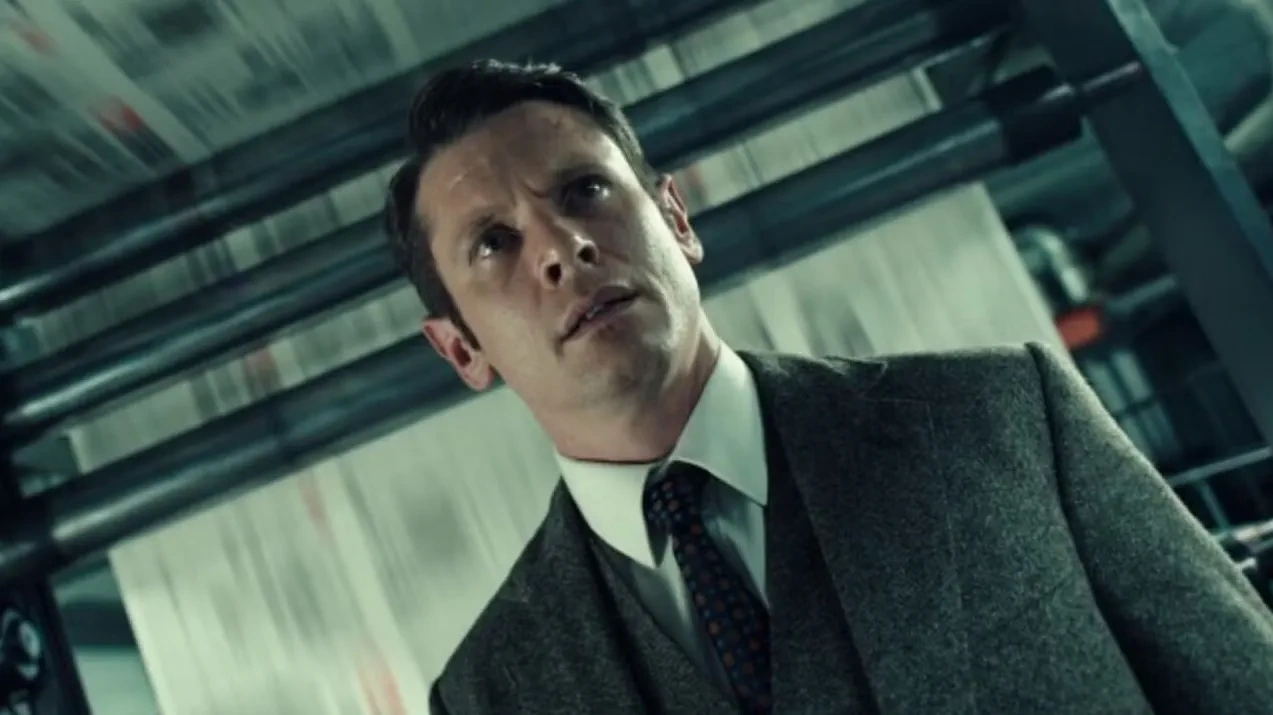
“Ink” stars Guy Pearce as Murdoch and Jack O’Connell as Larry Lamb, the tabloid editor Murdoch hired in 1969 to build The Sun into a mass-market phenomenon. Claire Foy rounds out the cast. James Graham, who wrote the Tony-nominated play the film is based on, also adapted the screenplay, tracing the newspaper’s rapid transformation into one of the best-selling papers in the world and the rivalry it sparked with the Mirror that reshaped British tabloid journalism for decades.
The deal reunites Boyle with producer Tessa Ross, who worked with him on “Slumdog Millionaire,” the film that won him a directing Oscar. Boyle also produces alongside Tracey Seaward and Michael Ellenberg through Media Res, with Studiocanal and House Productions rounding out the production companies behind the film. Studiocanal financed the project outright and will handle its theatrical release across the U.K., France, Germany, Italy, Poland, the Benelux countries, Australia and New Zealand, while WME Independent brokered the Netflix agreement for North and South American rights.
Boyle described the Murdoch-Lamb partnership as one that upended the British press establishment, turning The Sun into what he called the biggest-selling newspaper in the world. The film will premiere in competition at Venice on September 2, opening the festival’s 83rd edition before a wider rollout later this year.
The acquisition is notable in that Netflix took a regional slice of the film rather than global rights, an arrangement it rarely settles for. The streamer has leaned heavily into awards-season prestige titles in recent years, and “Ink” gives it a Boyle-directed entry with the kind of pedigree, a Tony-nominated source play and a starry British cast, that tends to travel well through the fall festival circuit. The deal also arrives as Boyle returns to awards-oriented material following the warm reception to his 2025 horror sequel “28 Years Later,” a shift back toward the character-driven period work that built his reputation with films like “Trainspotting” and “127 Hours.”