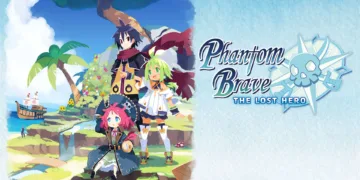








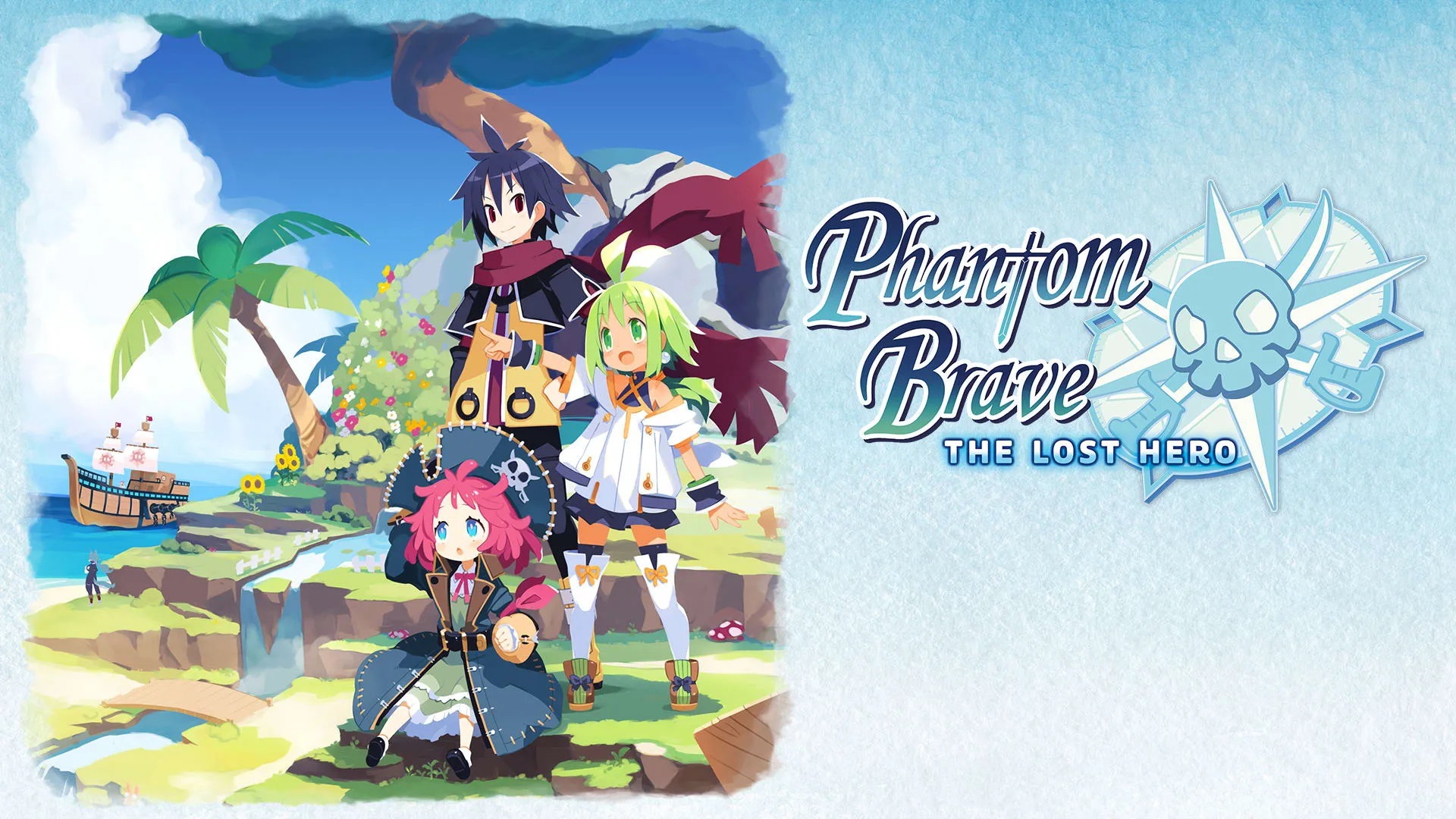
In Phantom Brave: The Lost Hero, ghosts transcend being mere traces; they actively engage in Marona’s quest, influencing her path and surrounding world.
Diverging from Western RPGs that typically portray undead entities as antagonists or cursed beings, The Lost Hero explores a Japanese interpretation of spirits—deeply connected to Buddhist philosophy of transience and the Obon ritual, where deceased souls return not to menace, but to provide guidance.
Marona’s skill in binding Phantoms to objects transforms spectral entities into temporary companions, emphasizing the game’s exploration of ephemeral connections. Ash’s sudden absence disrupts her narrative stability, compelling her toward leadership and adaptability beyond the typical mentor-student relationship common in Japanese role-playing games.
This dynamic perspective on identity resonates with storytelling in works like Natsume’s Book of Friends, where spirits embody both playful and somber qualities. Within a world of constant change, The Lost Hero explores the essence of endurance.
The Ephemeral Battlefield: Transience and Tactical Innovation
In most strategy RPGs, permanence seems certain. Units endure across battles, gaining experience, creating an illusion of a stable, expanding force. Phantom Brave: The Lost Hero disrupts this expectation by emphasizing transience as both a mechanical limitation and narrative concept.
Marona does not gather fixed party members but summons Phantoms, attaching them to objects for limited turns before they disappear. This mechanism, grounded in Japan’s cultural understanding of impermanence (mujō in Buddhist thought), transforms player combat strategies—compelling players to accept loss, strategize with shifting reinforcements, and interact with battlefields as living, changing environments.
Also Read




Western tactical RPGs typically use rigid grid-based movement, while The Lost Hero introduces free-range positioning, similar to Valkyria Chronicles’ spatial freedom while maintaining tactical complexity. Players negotiate each move carefully—characters maneuver around obstacles, adjust attack ranges, and manipulate environmental elements to change terrain.
The Confriend system extends this dynamism, enabling Marona to merge with Phantoms, temporarily altering her battlefield identity. Such mechanics reflect Japanese role-playing game themes: identity as changeable, roles as shifting. Western RPGs often maintain strict character classes, whereas Phantom Brave treats identity as flexible, defined by momentary connections instead of fixed archetypes.
Weapons function less as permanent investments and more as adaptive tools. Skills connect to weapons rather than individual characters, encouraging experimentation over attachment. A starfish might grant unexpected abilities, while discarded weapons can redirect an ally’s movement mid-battle.
This approach echoes resourcefulness found in older Japanese action RPGs like Secret of Mana, where improvisation surpasses rigid optimization. Unlike Disgaea’s excessive, grind-heavy character progression, Phantom Brave emphasizes spontaneity—its systems resist mastery, compelling players to embrace unpredictability.
Western RPGs typically reward players through power accumulation—stronger characters, persistent enhancements—while The Lost Hero operates through controlled impermanence. Battles focus on navigating a shifting, ephemeral landscape rather than overwhelming opponents through incremental stat improvements. Such design challenges traditional SRPG structures, questioning player adaptability within fleeting moments.
Mastery Through Uncertainty: Learning Curve and the Philosophy of Adaptation
Tactical RPGs typically guide players toward mastery through structured tutorials and gradual learning. Phantom Brave: The Lost Hero takes a different path, challenging players to adapt quickly. The game’s combat system introduces complex mechanics—free movement, temporary allies, and deep environmental interactions—that challenge traditional genre expectations.
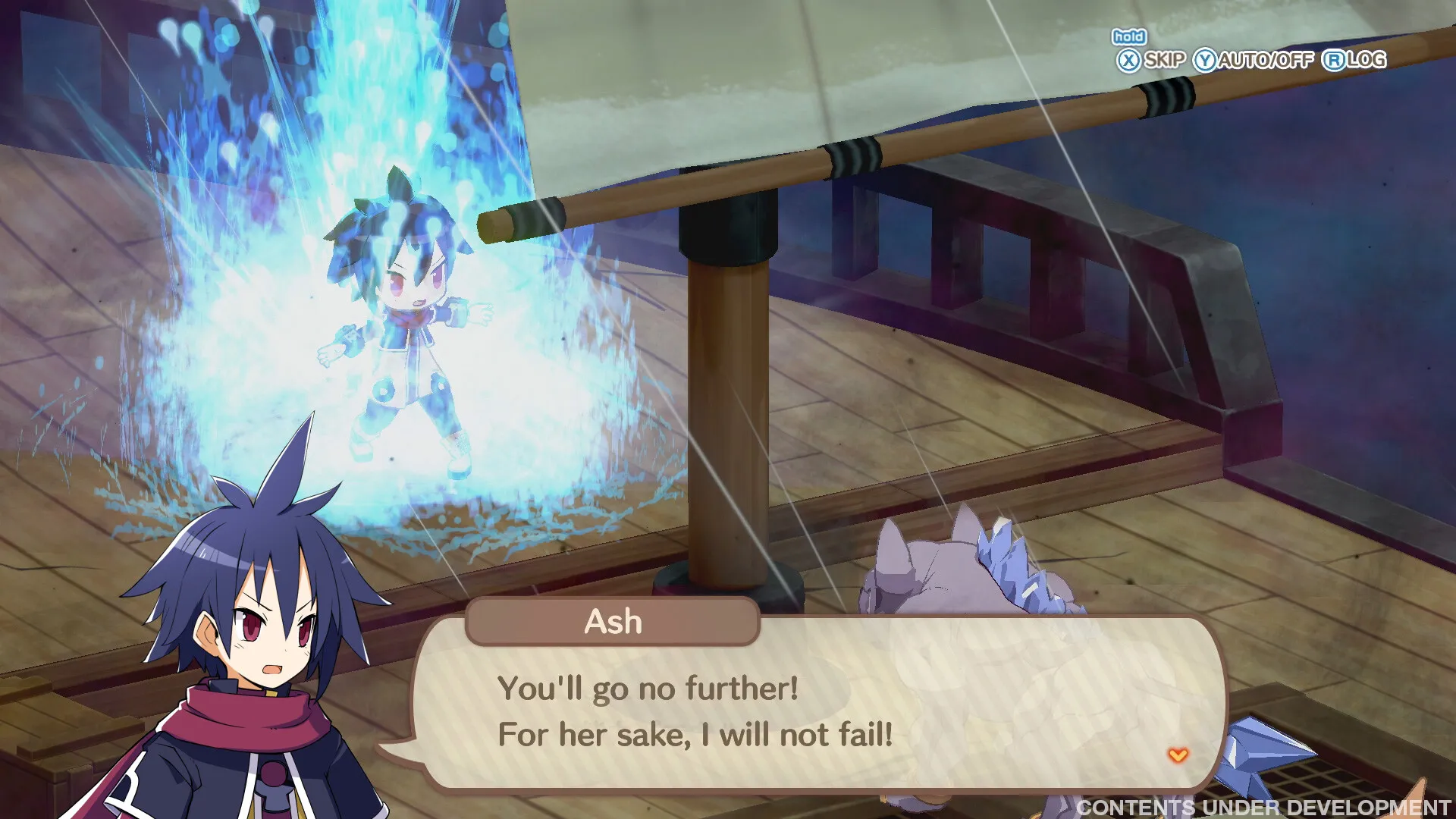
Grid-based tactics games emphasize controlled gameplay, while The Lost Hero embraces unpredictability, requiring players to approach strategy like an improvisational performance: understanding basic rules, recognizing emerging patterns, and responding to changing battlefield scenarios.
Japanese game design often embraces player confusion as part of the learning experience. The game’s core systems—like Confine and Confriend—receive minimal explanation, forcing players to explore through experimentation.
Western RPGs typically prioritize clear guidance, whereas this approach reflects design philosophies seen in challenging games like FromSoftware titles or older strategic RPGs such as Final Fantasy Tactics. Player success depends on understanding the game’s internal logic through repeated attempts and learning from setbacks.
Phantom Brave: The Lost Hero presents a unique challenge for players. The difficulty stems not from aggressive enemy tactics or brutal encounters, but from understanding the game’s unconventional approach to player interaction and strategy.
Fragmented Worlds: The Archipelago as a Narrative and Mechanical Device
Phantom Brave: The Lost Hero depicts a world as an archipelago—a storytelling and design approach reflecting cultural and mechanical elements. Japanese archipelagic storytelling explores isolation, self-sufficiency, and brief encounters.
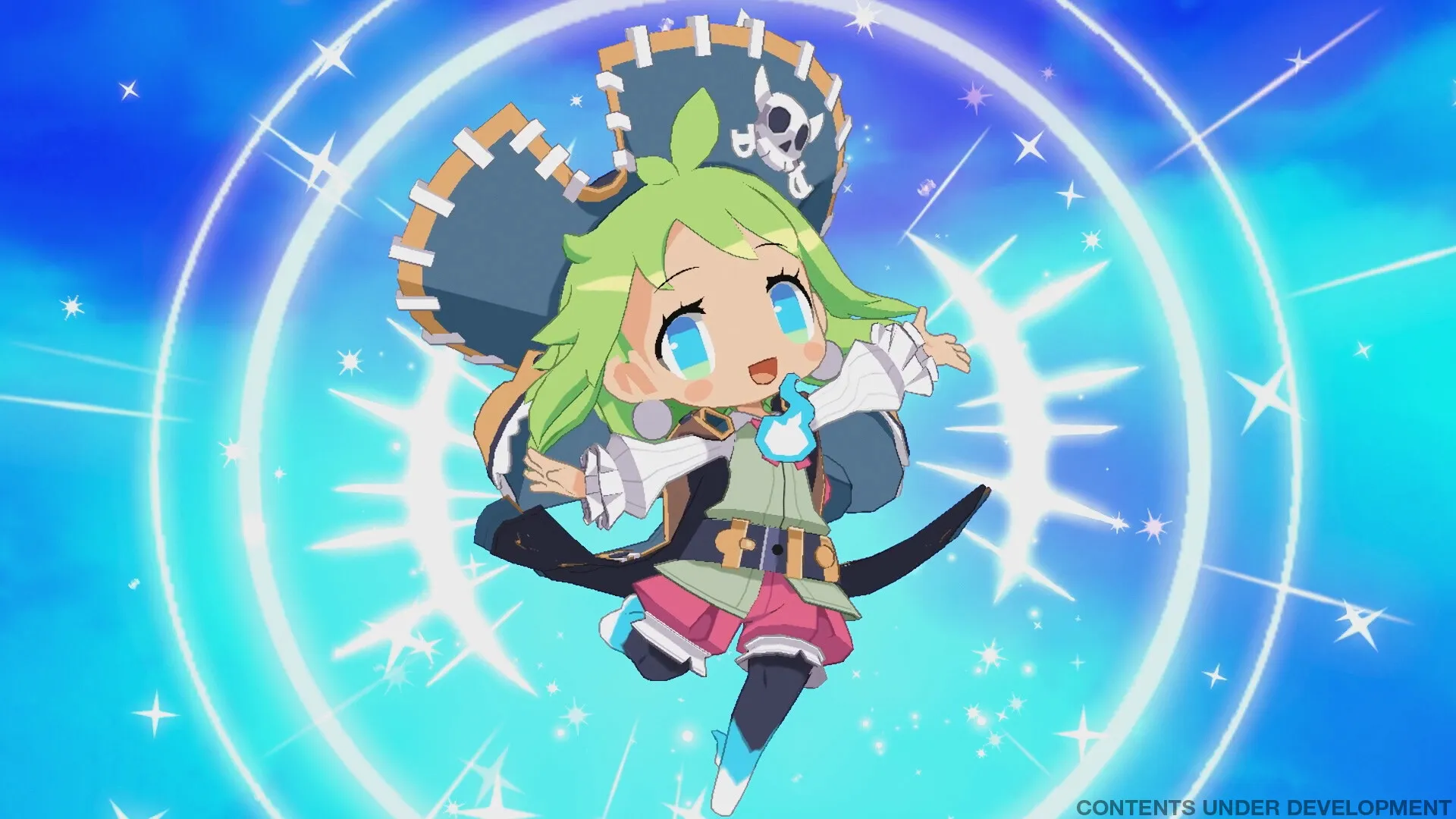
Folklore about wandering spirits and island survival tales like Urashima Tarō reveal deep connections to scattered, self-contained worlds. Marona’s expedition across islands echoes a nagara (flowing) narrative structure, where stories emerge through episodic, non-linear sequences, departing from Western storytelling’s linear progression.
Each island creates a distinct cultural and environmental world—knights populate one region, zombies another—generating a setting that reads like a collection of narrative fragments rather than a unified landscape. This approach sometimes conflicts with themes of connection, creating a sense of fragmentation. Skull Rock Island emerges as a liminal space, blending temporary and permanent elements, where characters exist within a spectral social framework.
The world refuses static exploration. Players can fish for weapons, engage with wandering Phantoms, and summon allies from environmental elements. These islands become living, changing spaces. Unlike expansive worlds that encourage deep attachment, The Lost Hero challenges players to reconsider the meaning of home and connection.
The Ghost in the Weapon: Customization, Identity, and the Fluidity of Power
Phantom Brave: The Lost Hero explores customization through a lens of impermanence. Disgaea presents characters as exaggerated personalities with specific growth trajectories. The Lost Hero treats units as spectral entities, with their essence defined by wielded weapons. Japanese RPG design often views identity as external—shaped by tools, environment, and social contexts rather than inherent characteristics.
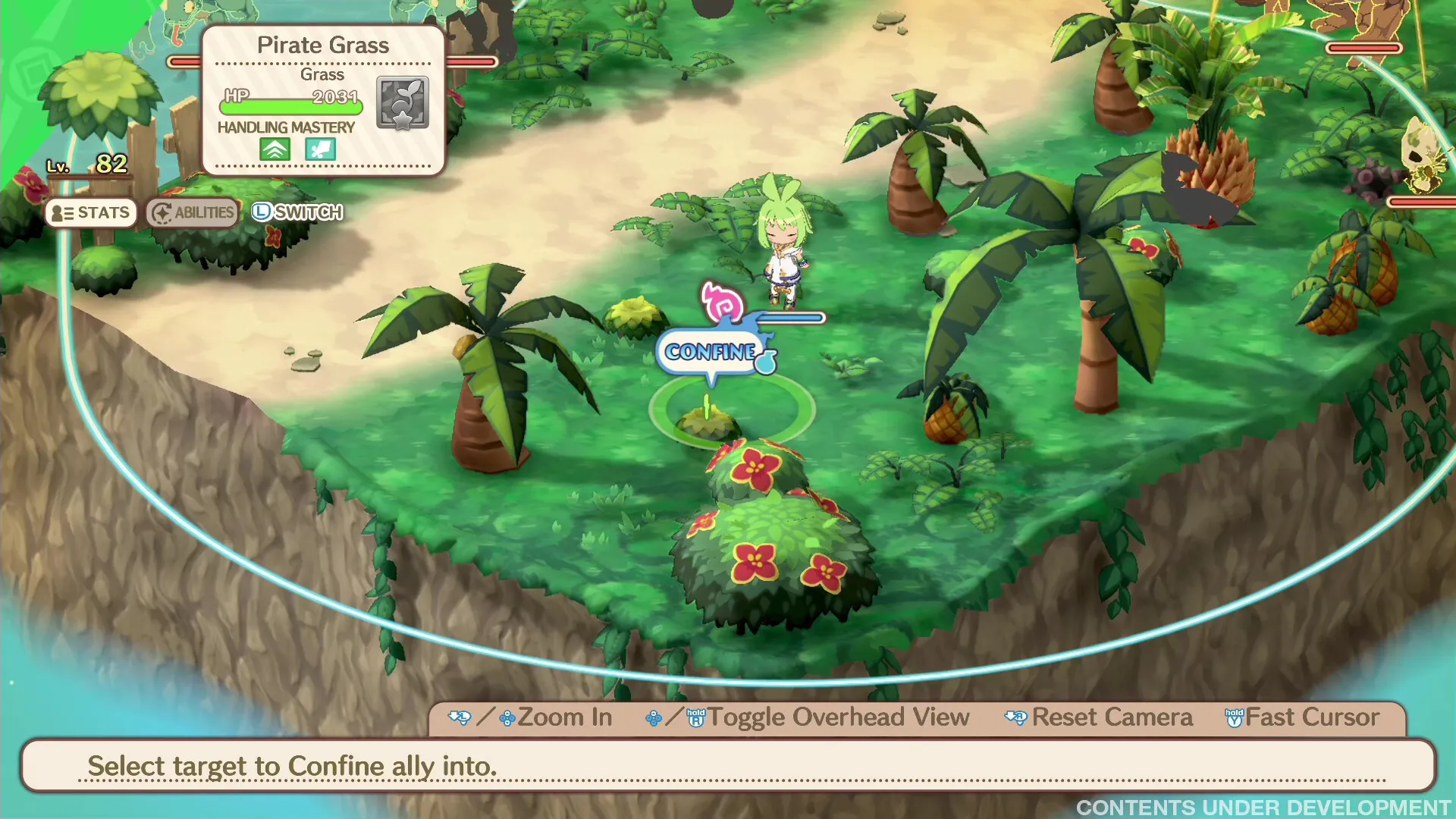
Weapon types determine skill progression, similar to mechanics seen in Final Fantasy Tactics Advance or The Legend of Zelda: Breath of the Wild. Combat potential emerges from equipment instead of rigid character classes. Players experience flexibility at the cost of individual distinction. One Witch closely resembles another, with abilities dictated by current weapon. Fusion systems and skill acquisition methods emphasize character mutability, reinforcing the concept that strength remains temporary.
The game creates mechanical depth through ship upgrades and Juice Bar systems. Progression centers on collective growth, reflecting collectivist principles in Japanese RPG design. Warriors exist briefly, weapons can transform battlefield dynamics. The Lost Hero challenges traditional hero narratives by exploring power as a fleeting, borrowed experience.
Aesthetics of the Ephemeral: Visual and Sonic Identity
Phantom Brave: The Lost Hero crafts a visual language merging nostalgia with ethereal qualities, emphasizing themes of impermanence. Chibi-style character models, a staple of Japanese RPG design, soften the narrative’s somber elements, rendering loss and mortality less intense.
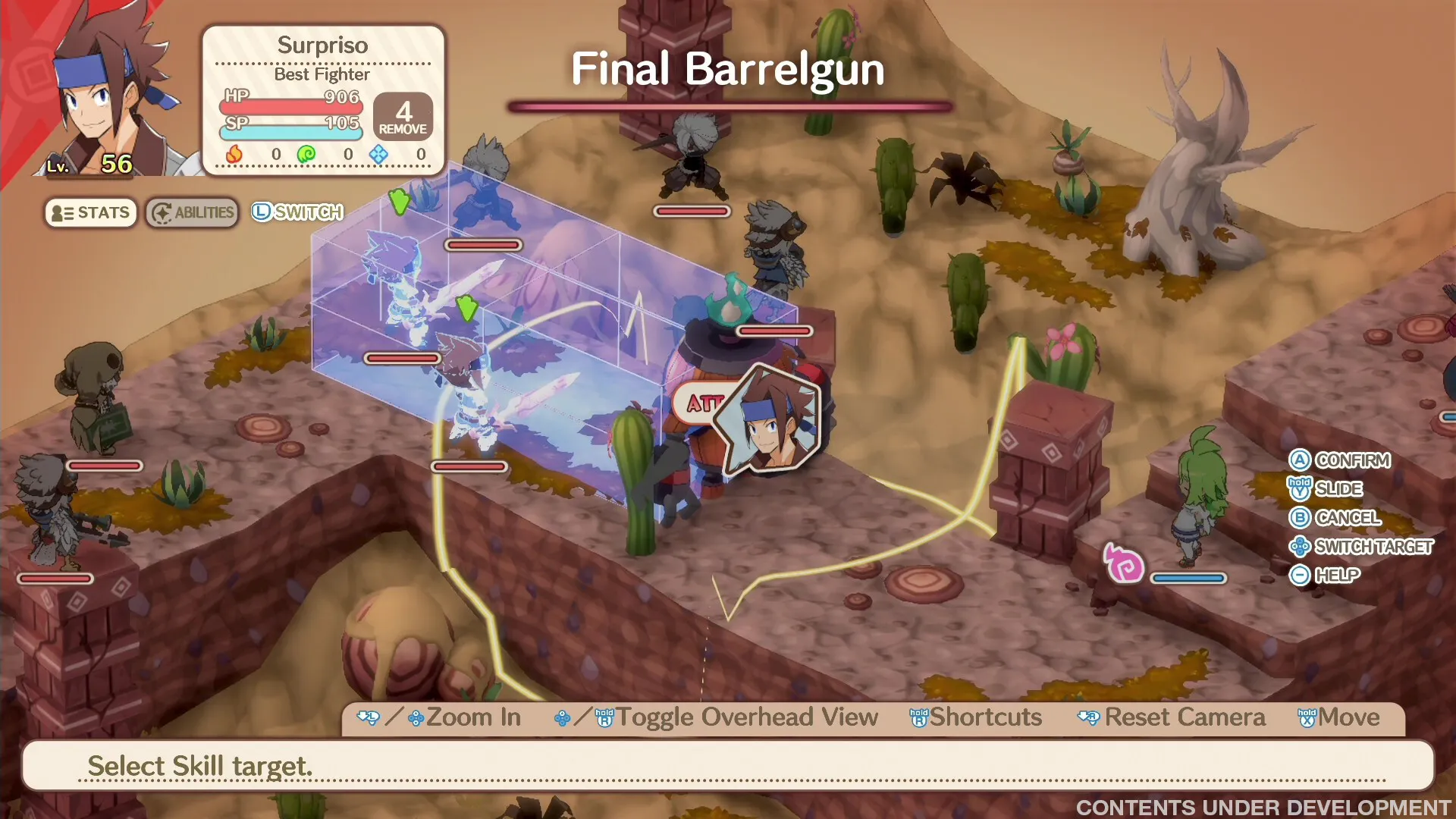
Studio Ghibli films offer a similar approach—where bright aesthetics intertwine with profound emotional landscapes. Combat animations carry expressive depth—each summoned Phantom and thrown object becomes a fleeting spectacle, visualizing the game’s dynamic battlefield.
Musical composition creates a gentle, contemplative environment. Compared to NieR or Final Fantasy’s narrative-driven soundscapes, The Lost Hero’s soundtrack blends subtly into the background, reflecting the world’s transient nature.
Japanese voice actors infuse characters with emotional authenticity, while the English translation struggles to capture similar nuanced tones. The game’s audio experience exists like its Phantoms—present momentarily, then dissolving, leaving subtle emotional traces.
A Game of Ghosts: Who Stays and Who Moves On
Phantom Brave: The Lost Hero explores impermanence through gameplay and narrative. Dedicated fans of the original Phantom Brave receive an unexpected sequel to a distinctive Nippon Ichi Software title. Players familiar with Disgaea’s extravagant style might struggle with this game’s experimental approach.
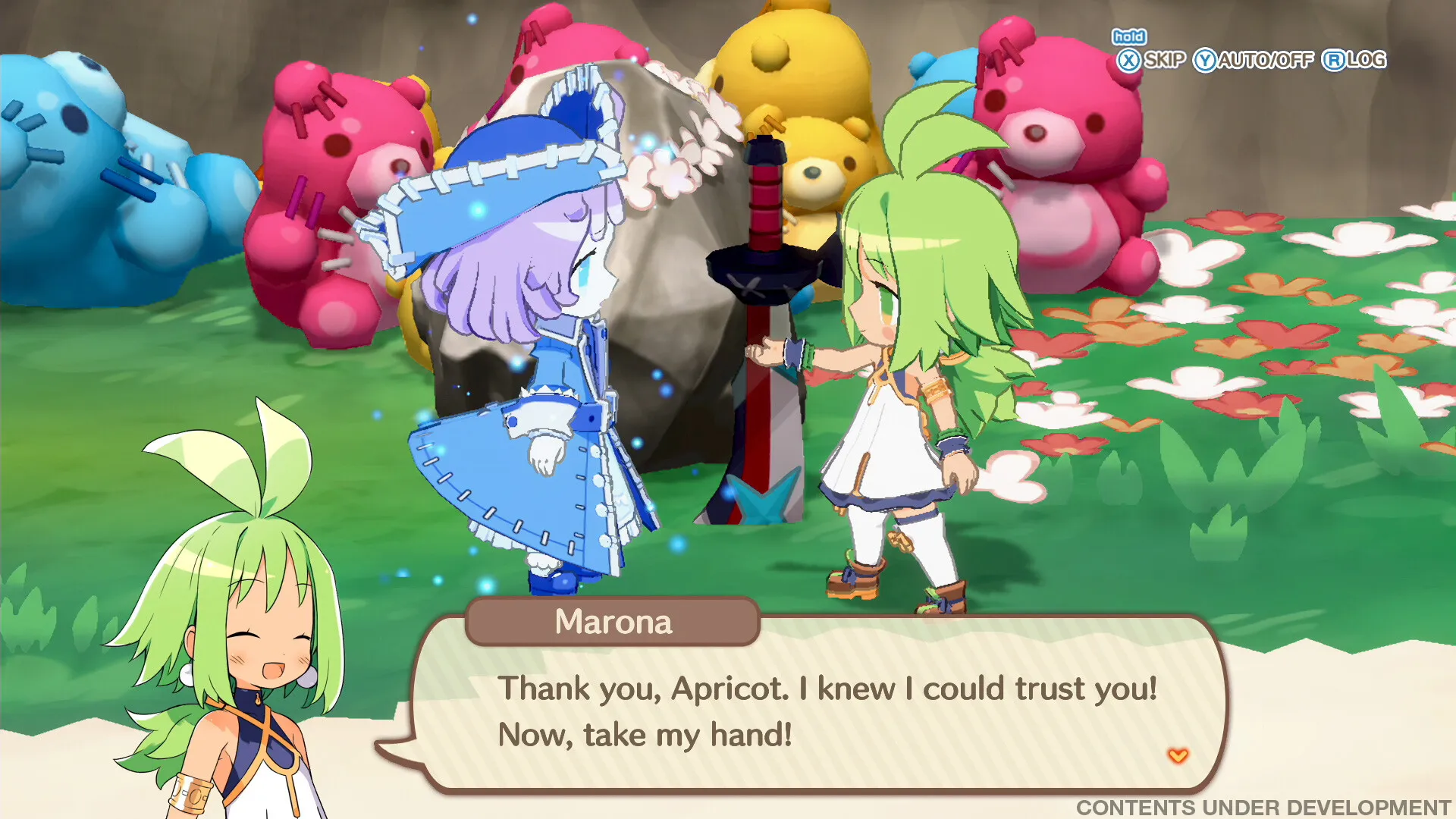
Strategic gameplay demands player adaptation. Players must learn new mechanics while discarding traditional strategy RPG expectations. Early stages may feel challenging as players adjust to a world where allies disappear, weapon capabilities shift, and battle strategies change quickly.
The structure challenges players to develop creative problem-solving skills. Party composition and combat flexibility create varied play experiences, though the complex system might discourage some players.
The game seeks to create a distinctive experience between traditional strategy RPG design and experimental gameplay. Marona’s spectral world presents players with a unique strategic challenge.
The Review
Phantom Brave: The Lost Hero
Phantom Brave: The Lost Hero revisits a cult-classic strategy RPG through a distinctive lens. The game explores impermanence as a core narrative and mechanical concept. Freeform combat and temporary character systems challenge traditional strategy game expectations. Players encounter deep tactical options alongside a complex learning experience. Storytelling carries emotional depth, though the fragmented world structure and repetitive progression might frustrate some players. Strategic game enthusiasts will find engaging elements, while players seeking standard RPG experiences may feel disconnected.
PROS
- Unique and fluid Phantom Confining combat system that challenges traditional SRPG mechanics.
- Freeform movement allows for dynamic and creative tactical strategies.
- Deep customization options with flexible class and weapon systems.
CONS
- Steep learning curve with minimal in-game tutorials, making mechanics overwhelming for newcomers.
- Some islands and world design elements feel disconnected and thematically inconsistent.
- Character classes feel interchangeable due to weapons defining skills.