










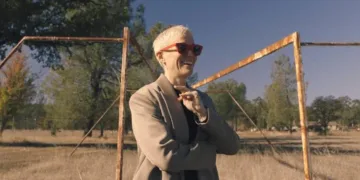










“Renaissance: The Blood and the Beauty” reinterprets a historical period through dramatized portrayals of key figures in Italy’s artistic past. The program spotlights three celebrated individuals—Michelangelo, Leonardo da Vinci, and Raphael—whose lives altered the course of art and culture.
Staged scenes intercut with insights from experts offer viewers a layered view of personal ambitions and competitive forces that animated the Renaissance. The narrative format pairs vivid reenactments with reflective commentary drawn from authentic writings, presenting a portrayal of rivalry and creative spirit set against a backdrop of political turbulence and social unrest.
The series aims to emphasize the role of personal conflict and political tension in sparking creative innovation during a transformative period. It seeks to make historical art accessible to contemporary audiences by presenting events and figures through a lens that resonates with today’s cultural debates.
Drawing on Michelangelo’s later writings, the program presents art as a living narrative that mirrors shifts in societal values. A focus on casting and production choices further contributes to discussions about fair representation in historical storytelling. This attention to detail points to emerging trends in televised storytelling, suggesting a move toward more reflective and socially aware programming on streaming platforms.
Historical Context and Cultural Landscape: Renaissance Italy in Focus
The series explores a period of intense artistic expression and political tension. It guides viewers through cities like Florence, Milan, Rome, Tuscany, and Umbria, each portrayed as a vibrant center where art intertwined with daily life and civic culture.
Florence emerges as a wellspring of creative vitality, its architectural intricacies and intellectual exchanges capturing an era of deep personal expression. Milan appears with its blend of strategic power and cultural production, while Rome symbolizes lasting authority and artistic vision.
Tuscany and Umbria provide settings that, though more subdued, resonate with historical depth and social dynamics. Each location contributes to a rich tableau where art was intrinsically linked to community life and personal ambition merged with public responsibility.
The program illuminates a time when power dynamics and shifting relationships shaped urban experiences. Influential families, such as the Medici, provided critical financial support that enabled artistic exploration. Their patronage is explored through the prism of economic influence that propelled creative achievements and defined artistic trajectories.
The series reveals an environment where religious shifts and emerging philosophical concepts transformed public discourse and cultural production. The narrative explores how intellectual discussions and humanist thinking sparked innovations in art and science, creating a complex interplay between economic, political, and creative forces. This portrayal invites contemplation of how historical dynamics might reflect contemporary media landscapes, suggesting potential transformations in storytelling and representation within current streaming platforms.
Narrative Structure and Storytelling Techniques: A Dual-Faceted Approach
The series employs a dual narrative approach that intertwines verified historical commentary with dynamic dramatizations. One component consists of expert interviews and archival research that ground the narrative in a wealth of scholarly insight. This facet establishes a firm connection with historical reality and invites viewers to consider the complex interplay between documented events and personal ambition.

Simultaneously, carefully re-enacted scenes bring Michelangelo’s later-life recollections to the forefront, linking his inner struggles with the transformative events of Renaissance Italy. This framing device generates a conversation between intimate memory and established fact, revealing the human side of a figure often celebrated solely for his artistic achievements.
The script is adapted from classical writings alongside contemporaneous sources, lending the dialogue an air of authenticity that speaks directly to audiences in search of a deeper understanding of art and power.
Scenes of intense creative activity and heated personal rivalries are interspersed with quieter passages that invite reflection on the weight of artistic vision amid societal pressures. The pacing shifts deliberately between charged sequences and measured pauses, a method that mirrors the unpredictable rhythms found both in the historical moment and in current streaming content trends.
Production choices, especially in casting and set design, contribute significantly to the series’ overall texture. Actors are selected with care to portray historical figures as multifaceted individuals rather than one-dimensional icons.
The visual environment, meticulously crafted to reflect period details, complements the narrative’s focus on personal conflict and cultural evolution. This method of storytelling challenges conventional television formats and signals a new direction for content on streaming platforms, one that is prepared to reconsider established portrayals of history and art.
Character Portrayal and Casting: Faces of Genius and Complexity
Charles Dance delivers a nuanced performance as Michelangelo, revealing a complex individual grappling with artistic genius and personal vulnerabilities. His portrayal unveils a man wrestling with inner tensions while creating works that transformed artistic expression.

Leonardo da Vinci appears with inventive energy and restless creativity, shown through an approach that highlights his experimental spirit beyond traditional genius. Raphael emerges as a study of fleeting brilliance and quiet resolve, his character defined by a sensitivity that softens the intense artistic competition surrounding him.
The series assigns each historical figure a role reflecting their contributions to art and society while exploring the pressures they encountered from evolving social dynamics and power structures. Moments charged with personal tension reveal the simmering rivalry that drove these icons toward exceptional creative achievements.
Scenes filled with intense dialogue and carefully crafted visual elements provide insight into how personal ambition confronted external expectations. These dramatized sequences expose internal struggles that humanize figures typically remembered only for their technical skill.
Casting choices profoundly impact how audiences engage with these historical personalities. Decisions about makeup, costume, and performance subtleties contribute to a portrayal that challenges traditional interpretations of historical figures. The exploration of relationships with influential patrons reveals the intricate networks of influence and dependency during their time.
Artistic Representation and Visual Style: Crafting a Living Past
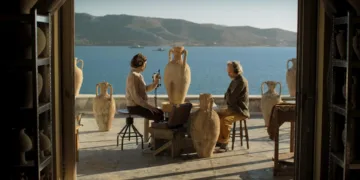
The production recreates Renaissance Italy with meticulous attention to detail, offering a visual experience that transports viewers into the heart of a bygone era. Sets constructed with authentic materials and textures evoke the stately architecture of Florence and Rome.

Costumes reflect a careful study of period attire, with fabrics and accessories that capture the elegance and complexity of the time. Each element of the visual design is intended to evoke the grandeur associated with works like Michelangelo’s Pietà, David, and the frescoes of the Sistine Chapel.
The recreation of these iconic masterpieces comes through in subtle details—a carefully painted background here, a sculptural prop there—that serve to remind audiences of the original artistic achievements without resorting to overt imitation.
Lighting plays a vital role in shaping the atmosphere, with soft shadows and strategic illumination highlighting both the characters and the richly decorated settings. Camera work shifts fluidly between expansive views of bustling urban squares and intimate close-ups that capture the nuanced expressions of the performers.
These choices create a visual rhythm that mirrors the dynamic pulse of the era. A carefully chosen color palette, inspired by the hues found in period artwork, lends a sense of continuity to the narrative, marrying factual exposition with artistic dramatization.
The production design strikes a delicate balance between historical accuracy and creative freedom. Attention to details such as ornate ceilings, hand-painted murals, and period-appropriate props not only anchors the narrative in its historical moment but also invites modern viewers to reconsider the enduring impact of Renaissance art.
This commitment to a richly detailed aesthetic suggests a shift in storytelling techniques on streaming platforms, where visual authenticity and cultural commentary are merging into a format that encourages both reflection and engagement.
Themes, Symbolism, and Cultural Legacy: Renaissance Reexamined
The series explores artistic competition and political dynamics during a tumultuous historical period. At its core lies the tension between creative vision and institutional pressures. Rivalries among celebrated artists reveal how personal ambition can spark unexpected creativity, even amid societal challenges.

The depiction of the human form emerges as a recurring symbol, reflecting the sculptural achievements that defined an entire era. Meticulously composed scenes, with interplays of light and shadow, offer visual metaphors for the complex human experience.
Classical imagery, drawn from ancient myths and period masterpieces, permeates the show. Architectural elements, carved reliefs, and strategic lighting work as silent storytellers, connecting artistic expression with social and political contexts.
These visual components create a conversation between historical and contemporary perspectives, encouraging viewers to reconsider established narratives about creativity and power. The production suggests a deliberate approach to reinterpreting historical portrayals through a modern lens.
The storyline connects historical insights with contemporary questions about ambition, recognition, and artistic power. Production elements, including thoughtful casting and intricate costume design, challenge traditional representations of historical figures. The visual presentation and narrative rhythm invite audiences to critically examine established ideas about success and leadership.
The Review
Renaissance: The Blood and the Beauty
Renaissance: The Blood and the Beauty delivers a thoughtful reimagining of Renaissance history through its seamless integration of factual commentary and dramatic retellings. By exposing the inner conflicts and societal pressures shaping legendary figures, the series invites viewers to reexamine established narratives. Its precise casting and immersive design underscore a shift in television storytelling that mirrors modern discussions on representation and artistic legacy. The series stands as an influential example of how historical narratives can influence contemporary media trends.
PROS
- Rich historical detail
- Innovative docu-drama format
- Impeccable production design
- Strong character portrayals
- Thoughtful integration of expert commentary
CONS
- Occasional pacing issues
- Some dramatized scenes may seem forced
- Limited focus on lesser-known figures