




























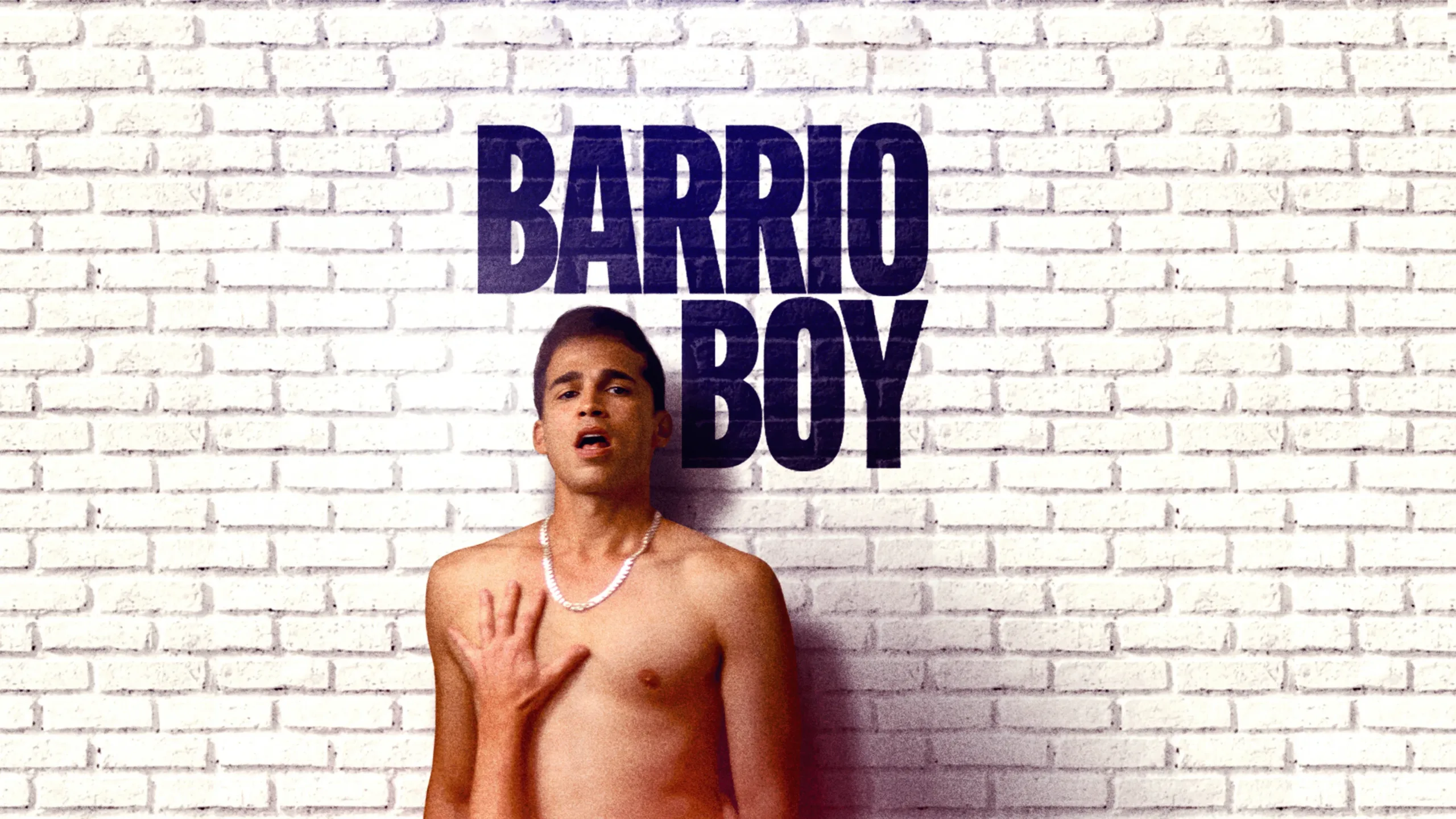

From his eight‑minute 2014 short to this full‑length debut, writer‑director Dennis Shinners revisits Barrio Boy with fresh ambition. Released in February 2025, the film follows Quique (Dennis Garcia), a Puerto Rican barber whose scissors sculpt more than hair—they carve out moments of refuge in a tightly knit Brooklyn block. Shinners keeps one foot in sensory detail and the other in emotional undercurrents, weaving city sounds—the metallic clink of tools, distant traffic, muted chatter—into Quique’s hidden world.
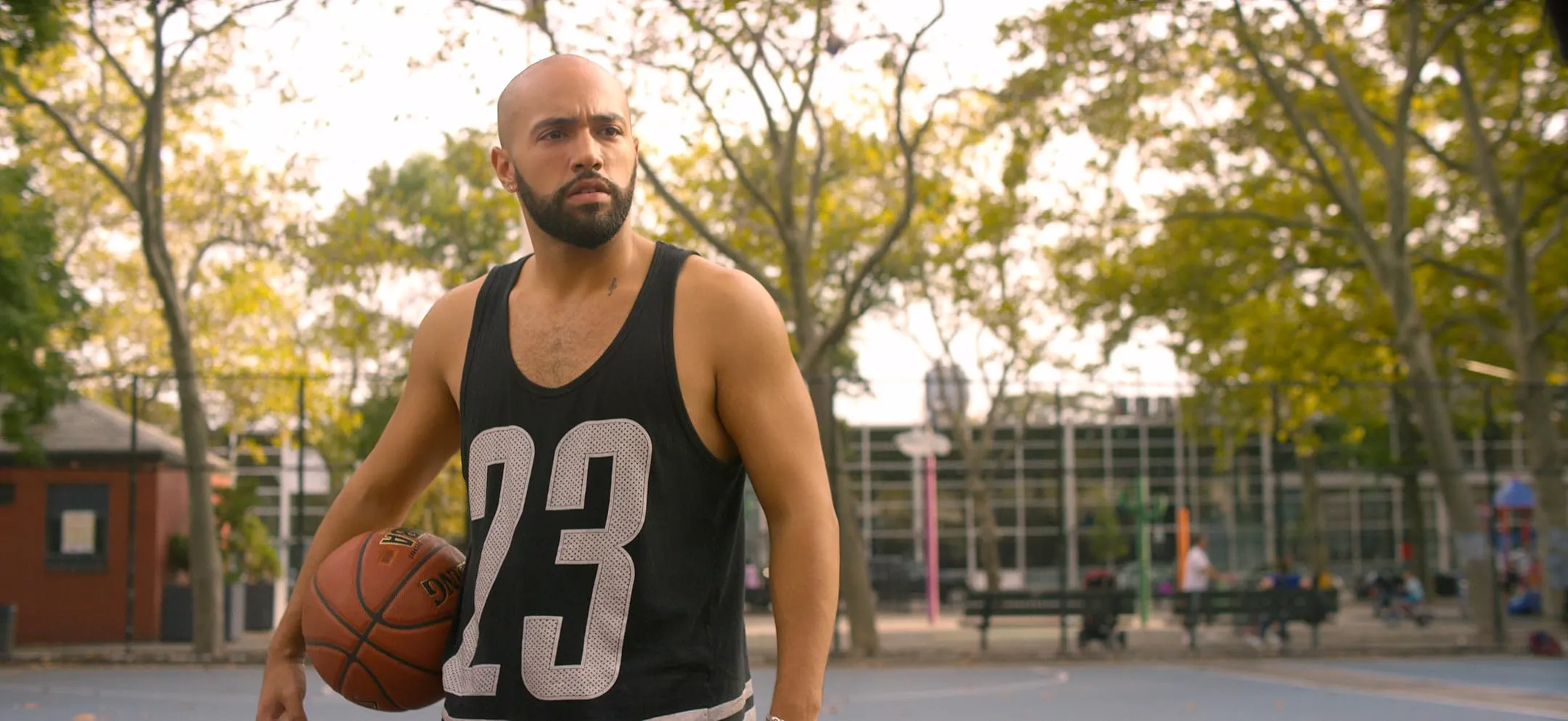
At its core, Barrio Boy tracks a single spark: Quique’s chance encounter with Kevin (James Physick), an Irish newcomer drawn into the barber’s orbit through a stray basketball and shared glances. This simple premise—an unexpected attraction igniting in a community where any hint of difference breeds suspicion—becomes the film’s engine. Quique must weigh his longing against the rigid expectations of Cuz (Keet Davis), his homophobic cousin, and the unspoken code among his friends and family.
Shinners embraces a city‑symphony approach: wide shots of Brooklyn streets segue into tight close‑ups of trembling hands and furtive smiles. The result is an intimate drama that pulses with local color and emotional risk. As you settle into Quique’s world, you’ll find yourself asking how much of our true selves we’re willing to expose when the stakes feel impossibly high…
Choreographing Brooklyn’s Rhythm
Shinners kicks off Barrio Boy with a sensory montage that feels almost interactive—cargo barges chug along the East River as the camera lingers on graffiti‑streaked walls, then cuts to the tinny jingle of an ice‑cream truck threading through crowded streets. This rapid sequence not only establishes a vibrant backdrop but sets up a rhythm that the rest of the film constantly returns to, much like how a game uses leitmotifs to signal shifts in mood.
We land in the barbershop, Quique’s daytime refuge and narrative hub. Here, the camera’s patient pans over scissors and combs mirror a tutorial screen guiding players through mechanics: each snip carries character weight. Outside these walls, we glimpse Quique’s secret world—late‑night hookups and whispered rendezvous. This duality unfolds with deliberate pacing, alternating warm, luminous shop interiors with shadowy street corners, underscoring the stakes of his hidden life.
Kevin’s arrival disrupts the tempo. A stray basketball becomes a clever “trigger event,” forcing Quique and Kevin into close quarters—an encounter as well‑timed as a tutorial level transition. Their initial banter feels unscripted, organic, drawing us in with low‑stakes dialogue before raising the emotional tension.
As the plot advances, Rafa’s steady support acts like a friendly NPC guiding the protagonist forward, while Cuz’s aggression serves as an escalating difficulty spike. The midpoint family dinner offers a rare safe zone—warm lighting, overlapping chatter—only to have Cuz shatter it with a homophobic outburst, jolting both Quique and the audience.
The climax pits personal truth against communal pressure in a scene that plays like a confrontational boss battle: Kevin faces Cuz’s threat, and Quique must choose concealment or self‑acceptance. In the final moments, the editing rhythm falters slightly—scenes stumble over one another in pursuit of emotional payoff, leaving us wondering if the film’s episodic structure ultimately sustains its own momentum…
Shaping Identity Through Performance
Dennis Garcia anchors Barrio Boy with a magnetic presence that often feels at odds with the screenplay’s reluctance to dig deeper. In the barbershop, his gestures are precise—each haircut a ritual of control in a life otherwise governed by secrecy. Yet off‑duty, Garcia’s posture shifts: hunched shoulders, darting eyes, as though the weight of community judgment is a tangible force pressing him inward.
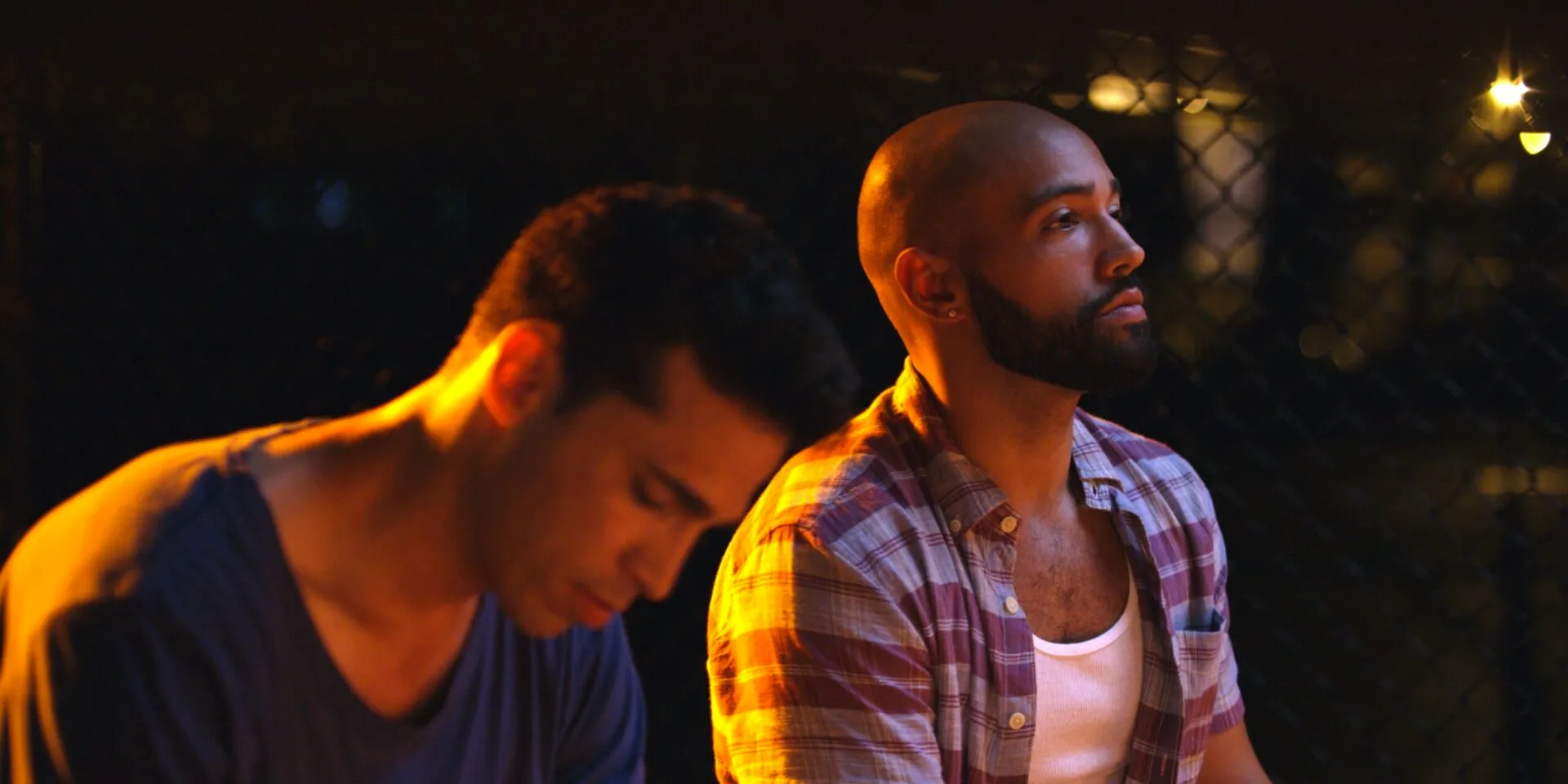
His emotional arc moves from cautious curiosity to trembling vulnerability, though the script sometimes leaves those shifts feeling abrupt. When Quique first laughs alongside Rafa, the release is genuine; later, in a tender moment with Kevin, the stakes heighten palpably—but those peaks arrive without enough connective tissue, blunting our full investment.
James Physick’s Kevin arrives as a breath of fresh air, embodying outsider status with easy charm. His Irish‑accented lines land with casual warmth, and his initial kindness toward Quique—returning a stray basketball, offering a helping hand—sets him up as a stabilizing force. Yet Physick is often shoehorned into the sidelines: his backstory about settling a family estate hints at greater depth, but it never fully integrates into the main narrative. As a result, the chemistry between Quique and Kevin sizzles in isolated bursts rather than building through shared scenes the way, say, God’s Own Country did with its farm‑country lovers.
On the flip side, Keet Davis’s Cuz is a study in controlled menace. He speaks softly, then escalates through gestures—a raised eyebrow, a clenched fist—reminding us that violence in this world is as much psychological as physical. Pierre Jean Gonzalez’s Rafa counters that tension: his easy banter with Garcia offers moments of genuine brotherhood, as if he’s the only NPC programmed for empathy.
Meanwhile, Quique’s mother, sister, and grandmother appear like side‑quests that never fully resolve. Their brief scenes suggest rich family dynamics—warm laughter, shared meals—but vanish just as we start to care. In ensemble moments like the basketball game or barbershop banter, the cast clicks, creating patches of authenticity. Yet these vignettes hover alongside the main story rather than weave into a single tapestry, leaving us to wonder which relationships will ultimately carry Quique forward…
Crafting Scenes Like Game Levels
Turning an eight‑minute short into an 80‑minute feature is akin to expanding a tightly focused game demo into a full release: the potential is there, but every added beat must earn its place. Dennis Shinners shows real flair in visual storytelling—his camera glides through the barbershop like a player avatar exploring a safe hub, then plunges into shadowy streets with the same urgency as a surprise encounter in an RPG. Yet the film sometimes feels stretched, as if extra “side quests” were bolted on without clear integration into the main storyline.
Structurally, Barrio Boy opts for episodic vignettes rather than a classic three‑act blueprint. Each scene—whether it’s the HIV‑clinic reminder or the late‑night club sequence—shines in isolation but doesn’t always connect smoothly, much like standalone chapters in a choice‑driven game that lack a strong throughline. A more consistent use of voice‑over could’ve functioned like tutorial prompts, giving us deeper access to Quique’s inner conflict, but instead those moments are scarce, leaving his motivations partially obscured.
Dialogue often rings true: the mix of Spanish and English crackles with authenticity, recalling the texture of Alejandro González Iñárritu’s community scenes in Amores Perros. Casual banter—like the blonde party‑girl jokes tossed around the barber chairs—provides levity, yet occasionally undercuts the weight of Quique’s struggle, similar to comic relief that interrupts tension in narrative‑driven titles such as Life Is Strange.
Thematic glimpses—a photographer’s request, a nervous hook‑up in a back room—act as subtextual “collectibles,” hinting at deeper layers of fear and desire. But without weaving these threads into a coherent emotional progression, they risk feeling like optional content rather than crucial chapters in Quique’s journey…
Framing Emotion Through Lens and Cut
Barrio Boy paints Brooklyn in two distinct tones: the barbershop glows with warm, natural light that casts soft highlights on leather chairs and polished shears, while the exterior streets feel raw and textured, as if you can almost taste the grit. Shinners frames those wide, panoramic “city‑symphony” shots—ferries crossing the river, neon storefronts—like establishing vistas in an open‑world game, setting mood before the story proper begins.

Once inside the shop, handheld cameras tilt and sway, capturing Quique’s unease. Angles tilt during moments of crisis, mirroring how a game might tighten its field of view when a stealth section introduces new threats. Close‑ups on combs slicing through hair become intimate revelations: every drip of sweat, every hesitant glance, carries narrative weight.
Editing in Barrio Boy often feels rhythmic, chopping between sunlit interiors and shadowy alleys much as a game director cuts between gameplay and cutscene to maintain drive. Brief montages of street art and corner bodegas thicken the atmosphere, though they sometimes pause the story’s forward push—like secondary quests that enrich a world but can stall momentum if overused.
Pacing swings between moments that just breathe—lingering on a silent gaze—and scenes that race ahead, especially during confrontations. Transitions from daytime comfort to nighttime tension use simple fades and match cuts, moving us from public routines into private fears. In these shifts, the film reminds us how much power lies in the space between shots…
Tuning Brooklyn’s Heartbeat
Barrio Boy unfolds through a layered ambient soundscape that feels as immersive as the best open‑world game audio. In early scenes, the low rumble of an East River barge engine underpins street chatter, punctuated by the ice‑cream truck’s tinny chime. These elements aren’t mere decoration—they establish a lived‑in locale where every honk and footstep anchors us in Brooklyn’s rhythm.

The film’s score weaves in musical motifs drawn from Puerto Rican folk traditions and subtle electronic pulses nodding to queer club culture. When Quique slips out for a late‑night meetup, a soft Guaracha beat swells just below the dialogue, signaling a shift in mood without overwhelming the scene. Conversely, moments of silence—such as the beat before Cuz confronts Kevin—amplify tension more effectively than any swelling strings, much like a well‑timed pause in a narrative‑driven title that readies players for an emotional reveal.
Mixing choices here strike a careful balance. In the barbershop, dialogue sits front and center—Garcia’s quiet confessions aren’t lost beneath background noise—while in the gay club, bass and laughter bleed in, evoking sensory overload. Non‑diegetic cues slip in sparingly, ensuring we never lose track of on‑screen reality. By treating sound design as a storytelling partner rather than an afterthought, Barrio Boy transforms simple street noise into a character of its own, inviting us to listen as closely as we watch.
Identity Woven Into Community
In Barrio Boy, Quique’s life unfolds under a constant spotlight of scrutiny, where a single misstep could force him back into silence. His double life—snipping hair by day, chasing secret encounters by night—reveals how much hiding costs when macho posturing rules the streets. The tension between personal longing and the unspoken demands of friends and family creates an undercurrent that keeps each scene charged with risk.

Cuz stands as more than a menacing figure; his narrow beliefs act like a wall that confines Quique’s world. From sharp words to clenched fists, Cuz demonstrates how homophobia isn’t only physical—it seeps into everyday interactions, turning casual banter into a minefield. Rafa’s steady presence offers brief relief, yet even his support can’t fully shield Quique from the threat of exposure.
Shinners layers this personal conflict over the rich tapestry of Brooklyn’s Nuyorican neighborhoods: corner bodegas, family‑run barbershops, late‑night chicken spots. These hubs feel lived‑in, drawing clear lines between inherited roots and the outsider’s gaze. Kevin’s Irish backstory—settling a late father’s estate—isn’t just window dressing; it mirrors the immigrant experience, highlighting both shared hopes and cultural gaps.
Representing a queer‑Latino protagonist on screen remains rare, and Barrio Boy stakes its claim by placing Quique at the center. The film adds to important conversations about intersecting identities, showing how heritage and desire can clash yet also enrich one another. As the final frames linger—light spilling onto sidewalk cracks—we’re left wondering how much courage it takes to step out of the shadows, and what happens when you finally do.
Full Credits
Director: Dennis Shinners
Writer: Dennis Shinners
Producers: Dennis Shinners, Crystal McIntosh, Liz Ortiz Mackes
Cast: Dennis Garcia (Quique), James Physick (Kevin), Keet Davis (Cuz), Manny Ureña (Jorge), Pierre Jean Gonzalez (Rafa), Michael Borrelli (Seth), Teresa Yenque (Abuela Rosa), Caitlin Mehner (Shelly), Andrea Morales (Nieves), Nancy Ticotin (Elena)
Director of Photography (Cinematographer): Garrett Shannon
Editors: Dennis Shinners, Carl Vasile
The Review
Barrio Boy
Barrio Boy offers a raw, intimate portrait of identity and community through vivid visuals and committed performances. While episodic pacing and underexplored characters occasionally stall its momentum, its cultural authenticity and emotional stakes resonate powerfully. Shinners’s debut signals a talented storyteller worth watching.
PROS
- Immersive Brooklyn atmosphere and attention to detail
- Dennis Garcia’s nuanced lead performance
- Sound design that brings street life to the forefront
- Focus on a rarely seen queer‑Latino perspective
- Intimate camera work that captures emotional beats
CONS
- Episodic scenes can interrupt story momentum
- Supporting characters remain sketchily drawn
- Key emotional moments feel rushed
- Limited use of tools (like voice‑over) to reveal inner conflict