















From its first frame, How to Be Normal and the Oddness of the Other World drops us into a world where everyday routines feel as fragile as glass. Florian Pochlatko’s debut turns Pia’s struggle to reclaim a “normal” life into a cinematic puzzle, with each scrambled timeline and surreal gag like a game mechanic that shifts the rules mid-play. We meet Pia, freshly discharged from psychiatric care, wandering beneath her parents’ roof—an environment full of half-finished board games of corporate takeover and sensationalist TV news that echo her inner chaos.
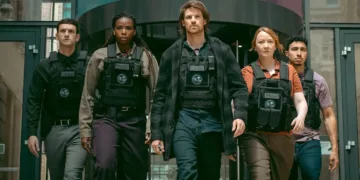
The film’s pacing mirrors the unpredictability of a well-designed narrative-driven game: moments of quiet tension—a post-it–covered face at her office desk—give way to sudden fantasy bursts, whether it’s her towering monster form or covert agents tailing her down sterile hallways. These tonal swings provoke genuine emotional jolts: a flare of sympathy when Pia pauses, exhausted, and a burst of laughter at her absurd disguises.
Pochlatko’s use of shifting aspect ratios functions like shifting camera angles in a stealth mission, casting doubt on what is real and what is hallucination. Much like indie titles that trade blockbuster polish for bold ideas, this film expects viewers to piece together its fractured reality—and to question who really decides what counts as normal.
Shifting Story Beats and Surreal Interludes
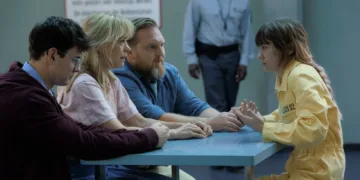
Pochlatko structures Pia’s journey with clear milestones that feel almost like mission checkpoints in a narrative-driven game. First, she leaves the clinic and returns to her childhood bedroom, greeted by her parents’ careful routines—medication schedules, gentle reminders, even color-coded calendars. Next comes her attempt to reconnect with Joni, a scene charged with longing when she confronts him in his new life, and a fleeting sense of hope when she takes the dull office job at her father’s printing firm.
Soon the film escalates into vivid hallucinations: men in black suits tail her through empty streets, she towers over city blocks as a cheese-masked monster, and sensationalist documentary clips on parasitic snails and rogue asteroids interrupt her reality. At its peak, both parents crack under pressure—Elfie’s car crash and Klaus’s corporate collapse collide in a montage that leaves Pia’s fate suspended in uncertainty.
The timeline itself refuses to stay put. Flashbacks and flash-forwards tumble together as Pia’s second-person voiceover—addressing “you” as if guiding a player—blurs memory and present action. This approach echoes what Hellblade: Senua’s Sacrifice does with audio cues to unsettle the player’s sense of time, or how Donnie Darko rearranges scenes to reflect its hero’s fractured mind. Point-of-view cuts alternate between pristine reality and grainy fantasy, so each cut challenges viewers to decide what’s real and what’s drawn from Pia’s medicated perspective.
Pacing acts like a rhythm game: panic sequences explode in rapid-fire editing, while quieter moments—her staring at Post-It notes covering her face—linger with slow, deliberate beats. Comic relief arrives in slapstick moments, yet sits beside genuine heartbreak when her voice cracks mid-confession. That blend of levity and weight keeps emotions off-balance, making each shift hit harder and urging us to question whether regaining “normal” is ever truly possible.
Character Builds: Performance Mechanics
Gaffron levels up Pia’s arc with every scene—she starts in a tutorial phase of hopeful recovery, only to face increasingly unstable “quests.” Early on, her body language is guarded: shoulders hunched, eyes darting, like a player learning stealth controls.
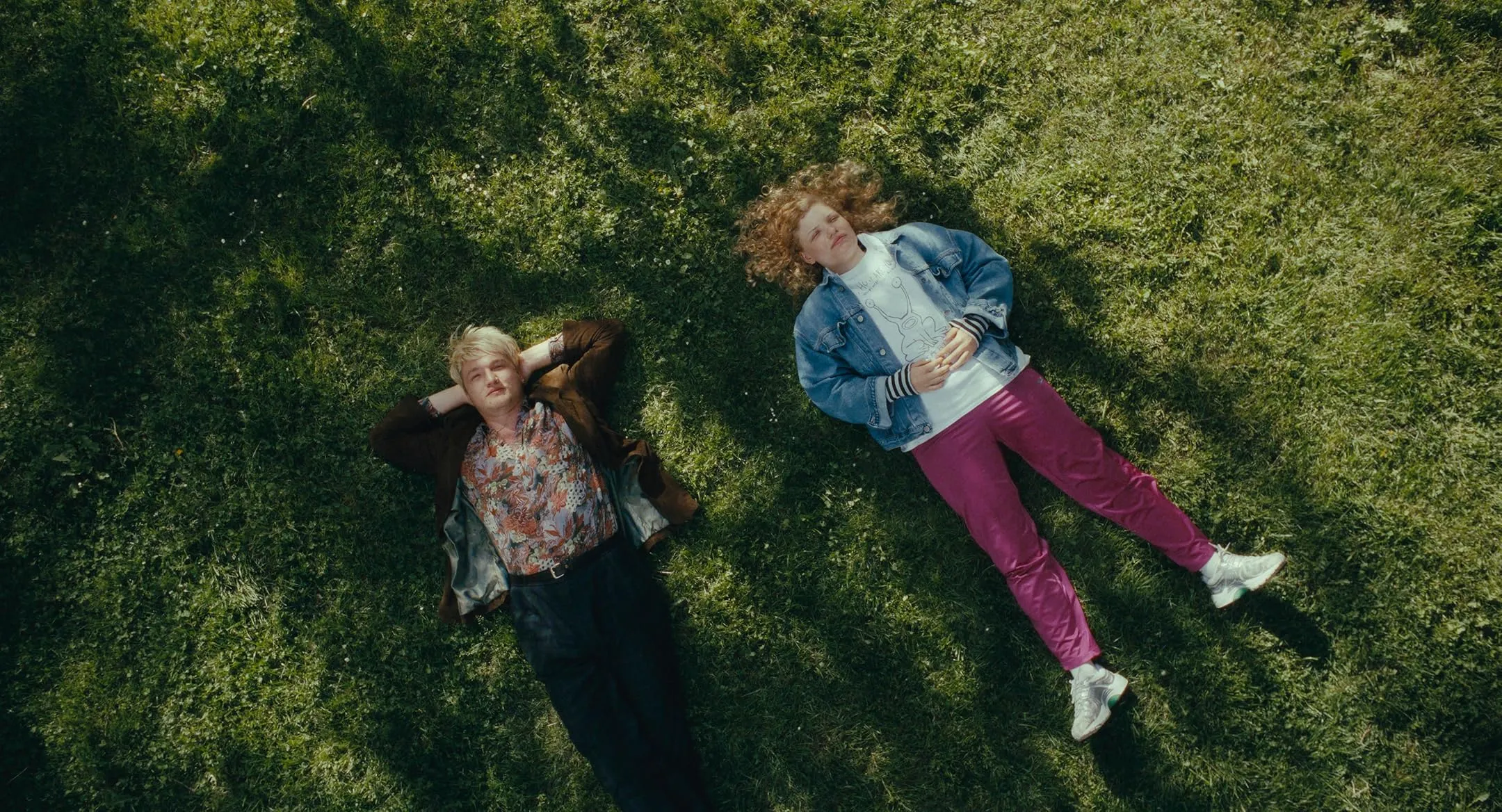
As the story unfolds, Gaffron unlocks rage and vulnerability animations—her face contorts in rage when Joni rebuffs her, then softens into a fragile calm as she flings Post-It notes over her desk. These shifts mirror what Celeste does in gaming—where Madeline’s emotional highs and lows are woven directly into mechanics—only here it’s a performance-driven progression.
Winkens’s narration of sensationalist documentaries functions like an ambient soundtrack in a cult indie title, setting a tone of creeping dread. In her car-crash scene, her controlled delivery fractures into panic, a dramatic “glitch” that visualizes her mental overload. Her dry wit—deadpan commentary on zombie snails—feels akin to a snarky NPC delivering side-quest banter, masking deep anxiety beneath routine lines.
Obonya embodies a “boss level” of familial pressure: he starts with a stoic facade—steady camera angles, measured dialogue—then, as his printing business gets “defeated” by a corporate takeover, cracks appear. It’s reminiscent of Papers, Please’s moral weight: his attempts to normalize Pia through chores play like enforced daily tasks, revealing empathy beneath the grind.
Joni (Felix Pöchhacker) functions as the ultimate fetch-quest denial, his rejection triggering Pia’s next arc. Neighbors and co-workers appear as environmental storytelling—brief vignettes of modern isolation, like background NPCs in Kentucky Route Zero. And the cameo monsters, clowns, and agents act as hallucinated “mini-bosses,” each reflecting a facet of Pia’s psyche and challenging us to decide which threats are coded into reality. Which of these performances will resonate as the final boss of your own understanding of normal?
Framing the Fractured Canvas
Pochlatko shifts the aspect ratio like a signal flare—wide frames collapse into tighter, square images when Pia’s anxiety spikes, then breathe back out in calmer moments. Those sudden squeezes feel as visceral as a button prompt warning in a horror game.
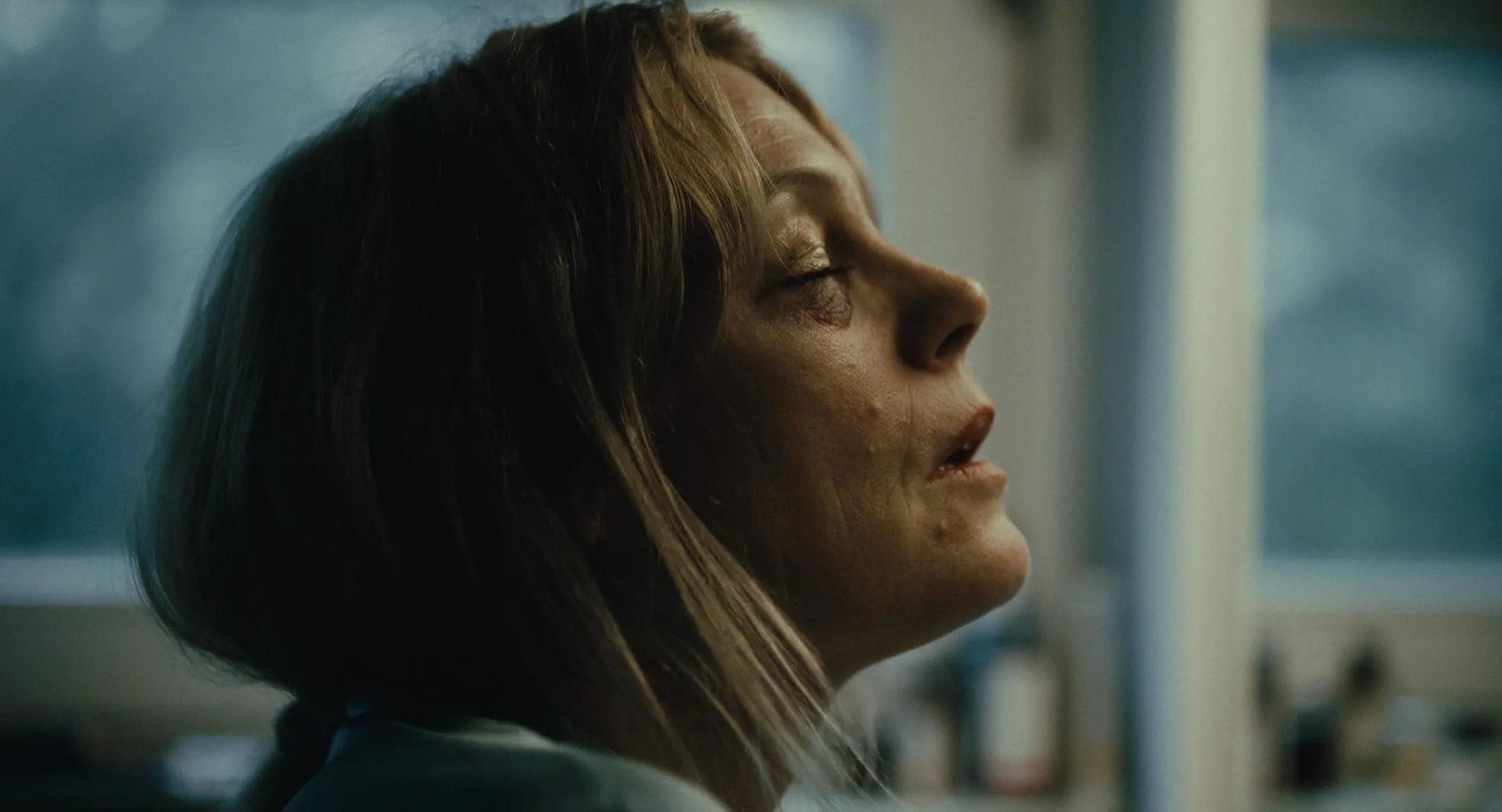
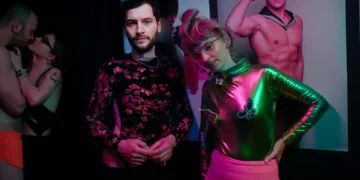
Color swings underline her mental state: drab grays and washed-out pastels in the “real” world give way to saturated teals and magentas during her fantasy breaks, much like how Control floods the screen with color when Jesse gains new powers. Handheld sequences during panic scenes jolt the viewer, while locked-off static shots let tension simmer in quieter beats.
The film cuts between TV snippets on mutant snails, Joni’s rejection, and Pia’s inner visions with a tempo that mimics a rhythm game’s shifting beat. Rapid montages hurl you through her memories and hallucinations, then drop you back into the slow clip-and-paste of office routine. That contrast—grinding office machinery against kaleidoscopic flashbacks—injects every mundane photocopy with a sense of creeping unreality.
Pia’s signature striped jumper and makeshift cheese mask serve as bright beacons in otherwise muted rooms, anchoring her as both oddball and anchor for our sympathy. The family home bristles with nostalgia—framed childhood drawings, paper cranes—beside sleek corporate logos hinting at a hostile takeover. It’s a clash of warm domestic clutter and cold boardroom menace.
When Pia looms over buildings like a city-sized creature, it feels less like a cheap gag and more like the emotional boss fight of her own mind. Sensationalist documentary inserts—zombie parasites, asteroid impact warnings—play like nightmare cutscenes, each one pitching her world further off its hinges. These flourishes make you wonder which images will cling to your memory long after the screen goes dark.
Questioning Normal: Symbols in a Shifting Reality
In How to Be Normal and the Oddness of the Other World, the idea of “normal” plays out like a tug-of-war between outside rules and Pia’s inner truth. Her daily grind—medication checklists, photocopy chores at her dad’s firm, family dinners with color-coded routines—resembles a game loop designed to reset her state. Those mechanics promise stability, but each completed cycle only reminds her that these rituals force her into an identity that might never have existed.
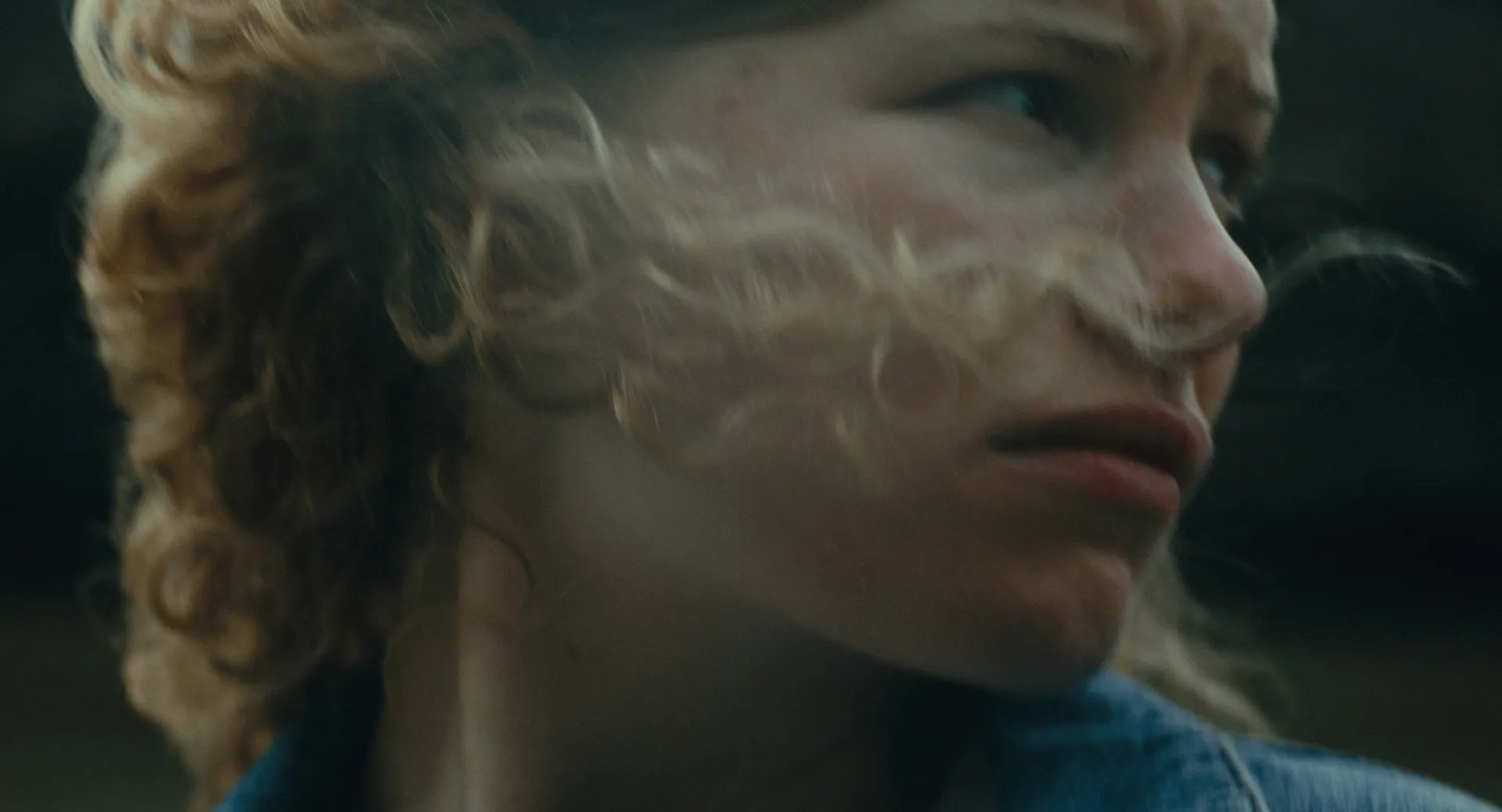
The film’s refusal to name Pia’s condition feels like a design choice in an indie game that leaves character stats hidden, inviting everyone to project their own struggles onto her experience. We see therapies warp into absurd routines—a therapist dancing to Haddaway’s “What Is Love?” becomes a feature-length glitch that underlines how clinical fixes can misfire. Pia’s medication side effects—slurred speech, jittery posture—function as gameplay handicaps, altering her performance in the world. The stigma she endures ripples through Elfie’s mounting panic and Klaus’s silent worry, a reminder that mental health reverberates through every character’s arc.
At the same time, the film holds up a mirror to our modern crises. The “Friendly” takeover reads like a level boss in a satirical RPG about corporate monopolies, while sensationalist TV snippets—zombie snails, asteroid doom—feel ripped from a dystopian side quest. Those images blur into Pia’s reality, making industrial collapse and personal meltdown feel equally catastrophic.
Pia’s transformations—giant-monster rampages through city blocks—act as external boss fights, literalizing her inner fracture. Each stomp and destruction sequence highlights how she battles identity and self-worth, challenging us to decide who really writes the rules of normal. What happens when the final boss reveals that “normal” was just a lie?
Sound and Style: The Audio Engine
Pochlatko sculpts the film’s emotional landscape through a clever mix of music and ambient noise. The sudden drop into Haddaway’s “What Is Love?” during a therapy scene feels like an Easter egg in an indie game—unexpected, catchy, but laced with irony against dissonant synth drones that underscore Pia’s fractured mind. Those ambient motifs creep in during quieter moments, like distant machinery hum or the whir of a photocopier, turning routine office tasks into uneasy sound cues.
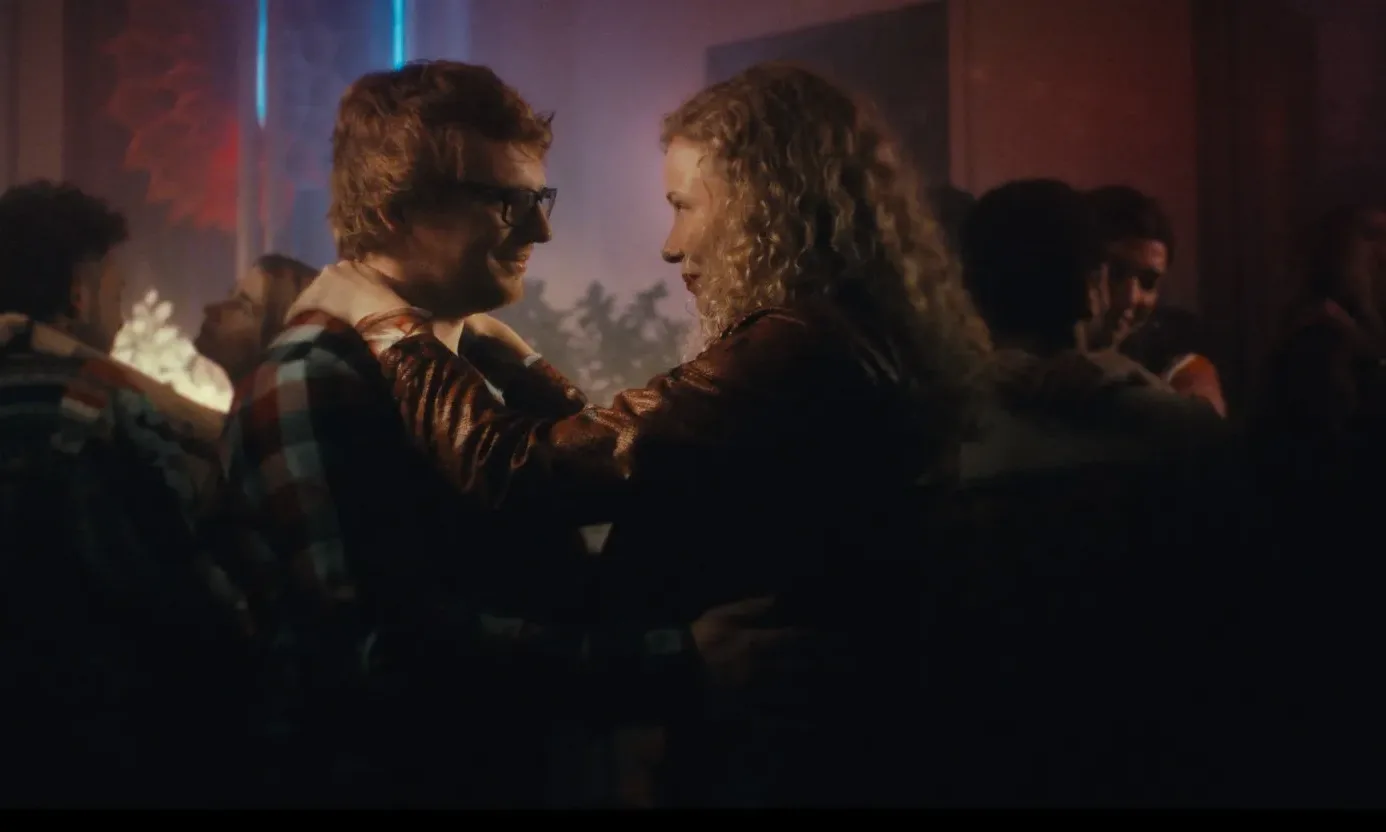
Diegetic sound stitches the world together: TV news bulletins crackle with reports of asteroid threats, while Elfie’s documentary voice fills the room with ominous narration about parasite invasions. These elements overlap, creating audio layers that pull viewers into Pia’s perspective—much like a game toggling between exploration music and combat themes to signal shifting stakes.
The second-person voiceover—Pia addressing “you”—acts as a whisper in a stealth game headset, drawing you into her choices and doubts. When Elfie’s narration interrupts, it lands like a tutorial popup reminding you of the rules you never asked for.
Comic timing emerges through physical gags—a Post-It plastered over Pia’s face is punctuated by a sudden office clatter—reminding us that levity can hit hardest against a backdrop of tension. Genre pivots happen seamlessly: a tender dialogue about self-worth dissolves into a low growl of synth bass, then back to the soft click of a turntable needle. Each shift keeps us off balance, questioning whether we’re listening to a drama, a dark comedy, or a social satire—and what that means for Pia’s journey ahead.
Closing Reflections & Audience Guide
Pia’s moments of quiet despair—staring at her reflection through a cheese mask or pausing mid-task in her father’s office—ring with genuine feeling. The film places you inside her head, much like a stealth sequence that tightens your chest with every step. That up-close vantage builds real empathy for anyone who’s ever felt pulled apart by expectations and inner turmoil.
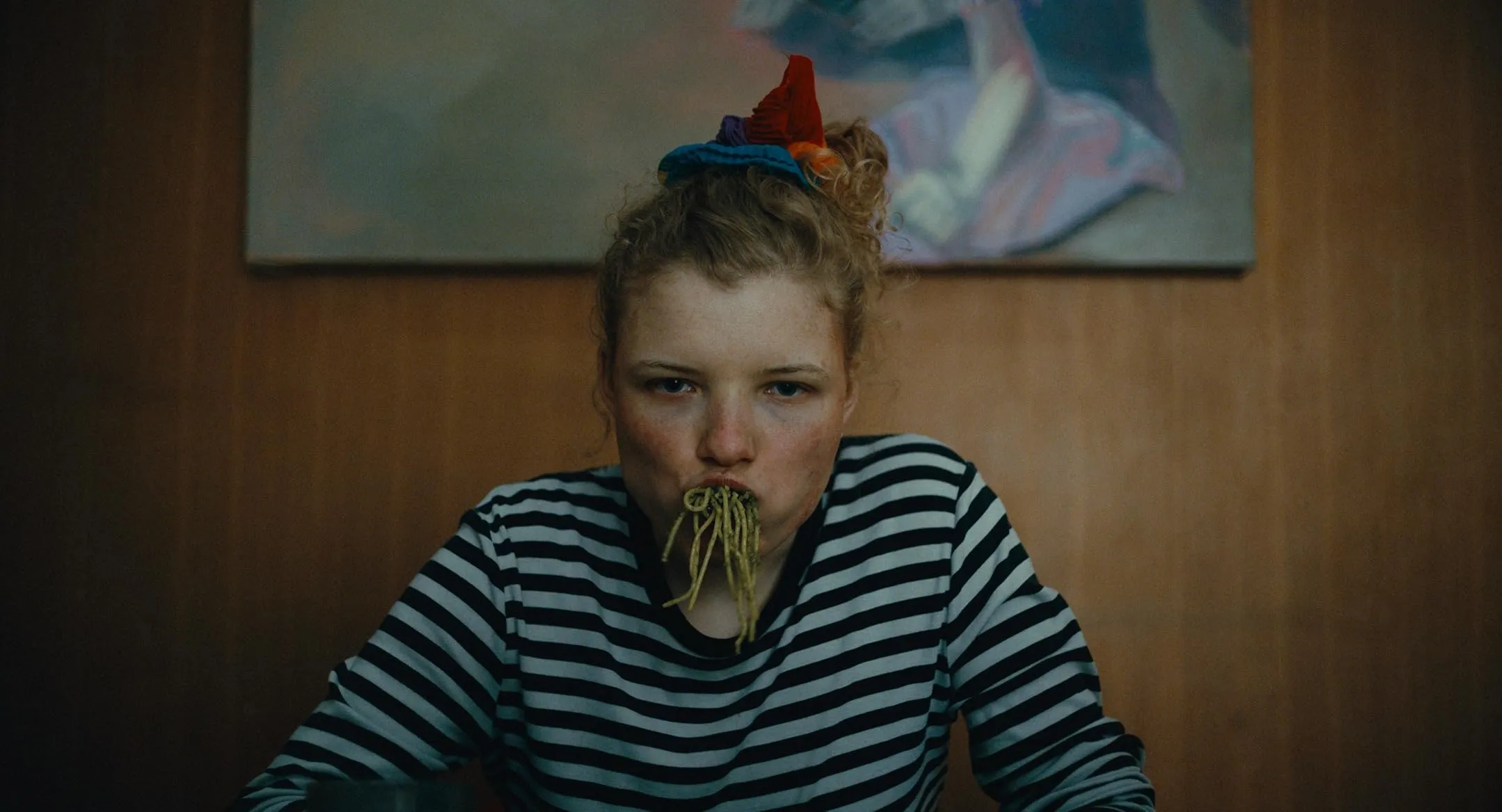
By never naming Pia’s diagnosis and ending on an ambiguous note, the film hands you the controller. Are those agents following her real? Will routine ever feel like freedom? These open threads keep viewers guessing long after the credits, echoing how some of the best cult films leave room for personal interpretation.
This is a perfect pick for arthouse fans who enjoy experimental pacing and for players who’ve felt the emotional weight of games like Kentucky Route Zero or What Remains of Edith Finch. Anyone curious about how form can reflect a fractured mind will find plenty to discuss.
Consider ending your piece by focusing on Pia’s voiceover as she addresses “you”—that final burst of direct appeal captures the heart of her struggle, inviting each of us to decide what “normal” really means in our own lives.
Full Credits
Director: Florian Pochlatko
Writer: Florian Pochlatko
Producers: Arash T. Riahi, Sabine Gruber
Cast: Luisa-Céline Gaffron (Pia), Elke Winkens (Elfie), Cornelius Obonya (Klaus), Harald Krassnitzer (Inspector Moritz Fuchs-Müller), Felix Pöchhacker (Joni), Lion Thomas Tatzber (Lenni), Wesley Joseph Byrne (Ned), David Scheid (Till), Oliver Rosskopf (Paul), Jutta Fastian (Dana Schaller), Dagmar Kutzenberger (Mrs. Weixner), Martina Poel (Lenni’s Mother), Christian Holzmann (Policeman), Gregor Kohlhofer (Employee), Tamara Semzov (Girlfriend), Gordan Kukic (Policeman), Fanny Altenburger (Patient), Ruchi Bajaj (Doctor), Reinhold G. Moritz (Psychiatric Physician)
Director of Photography (Cinematographer): Adrian Bidron
Editor: Julia Drack
Composer: Rosa Anschütz
Production Company: Golden Girls Filmproduktion
Distributor: Filmladen Filmverleih
Runtime: 102 minutes
Language: German
Country: Austria
The Review
How to Be Normal and the Oddness of the Other World
How to Be Normal and the Oddness of the Other World delivers a punchy blend of heartfelt emotion and surreal whimsy, anchored by a fearless lead performance and inventive visual flair. It’s a captivating, if occasionally disorienting, debut that invites reflection on what “normal” truly means.
PROS
- Luisa-Céline Gaffron delivers a raw, multifaceted performance.
- Bold visual design with shifting aspect ratios and vivid montages.
- Effective blend of humor and genuine emotional stakes.
- Surreal sequences externalize Pia’s inner turmoil.
- Invites audience engagement through open-ended narrative.
CONS
- Nonlinear structure can feel disorienting.
- Key themes occasionally lack depth.
- Ambiguous ending may frustrate some viewers.
- Tonal shifts sometimes jolt rather than enhance mood.