



























To call Superstar a biopic is like calling a hurricane a bit of a breeze. This is no paint-by-numbers life story. Instead, creator Nacho Vigalondo grabs the strange, true tale of Spanish pop phenomenon Tamara and shatters it into a thousand glittering pieces, creating a fever-dream fantasia on the nature of fame.
The series dives headfirst into the early 2000s, a wild west era for television where a singer with a limited voice and an extravagant aesthetic could become a national obsession. Superstar isn’t interested in a simple chronicle of Yurena, the name Tamara would later adopt.
It seeks to capture the bizarre cultural weather system that surrounded her: the phenomenon of “Tamarísmo.” Vigalondo, a master of sci-fi comedy and fantasy, uses his distinct style not to escape reality, but to find a more profound truth within the media-fueled madness. It’s a chaotic, hilarious, and often unsettling ride.
A Star Told in Shards
The series promptly throws the linear narrative into a glitter-fueled bonfire, rejecting the A-to-B-to-C structure of its genre. In its place is a fascinating and daringly fragmented approach. We don’t follow Tamara’s life in a straight line; we orbit it like satellites picking up strange signals.
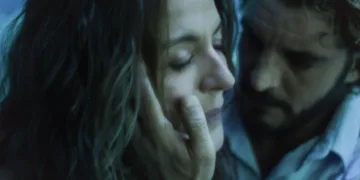
Each of the six episodes refracts her story through the eyes of a different figure, creating a constellation of perspectives around a chaotic central star. This anthological choice is the show’s foundational gambit. The first chapter views her through her mother, Margarita, establishing an emotional core that is both powerful and surreal.
We see the world as Margarita does, where her globally recognized daughter remains a small child in a leopard-print coat, singing into a curling iron. This isn’t just a flashback; it’s a sustained visual metaphor for a parent’s immutable perception.
From there, the focus pivots. An episode dedicated to collaborator Leonardo Dantés explores the strange alchemy and personal complexities behind the music, part creative partnership and part psychological duel. The structure then brilliantly expands its aperture to map the entire media ecosystem.
We get episodes centered on her opportunistic manager, Arlekín, whose fall from grace is charted through the fading patterns on his clown suit, and on her rival singer, Loly Álvarez, whose story is rendered as a tragic, Lynchian nightmare of stolen identity. Another chapter follows the bizarre quest of Paco Porras, a television mystic whose mission to “silence” Yurena spirals into an occult conspiracy.
Each of these episodes adopts a different cinematic style, yet they all contribute to a singular portrait of a fame machine built from vultures, jesters, and heartbroken hopefuls. The final episode delivers the boldest stroke: a speculative fiction piece showing an alternate reality where Tamara never left her hometown.
This poignant “what if” scenario finally allows an examination of the woman separate from the myth she became. Tying it all together is Vigalondo himself, appearing as Joaquín Sardana, a talk show host who frames the entire saga as a hazy, magical, and deeply unreliable memory, a master of ceremonies for a circus long since passed.
An Eye-Popping, Ear-Bending Fiesta
Visually, Superstar is a full-blown riot, a sensory experience designed to exhilarate and disorient in equal measure. Vigalondo and co-director Claudia Costafreda stage a cinematic fever dream where the bizarre is the baseline and reality is a negotiable concept.
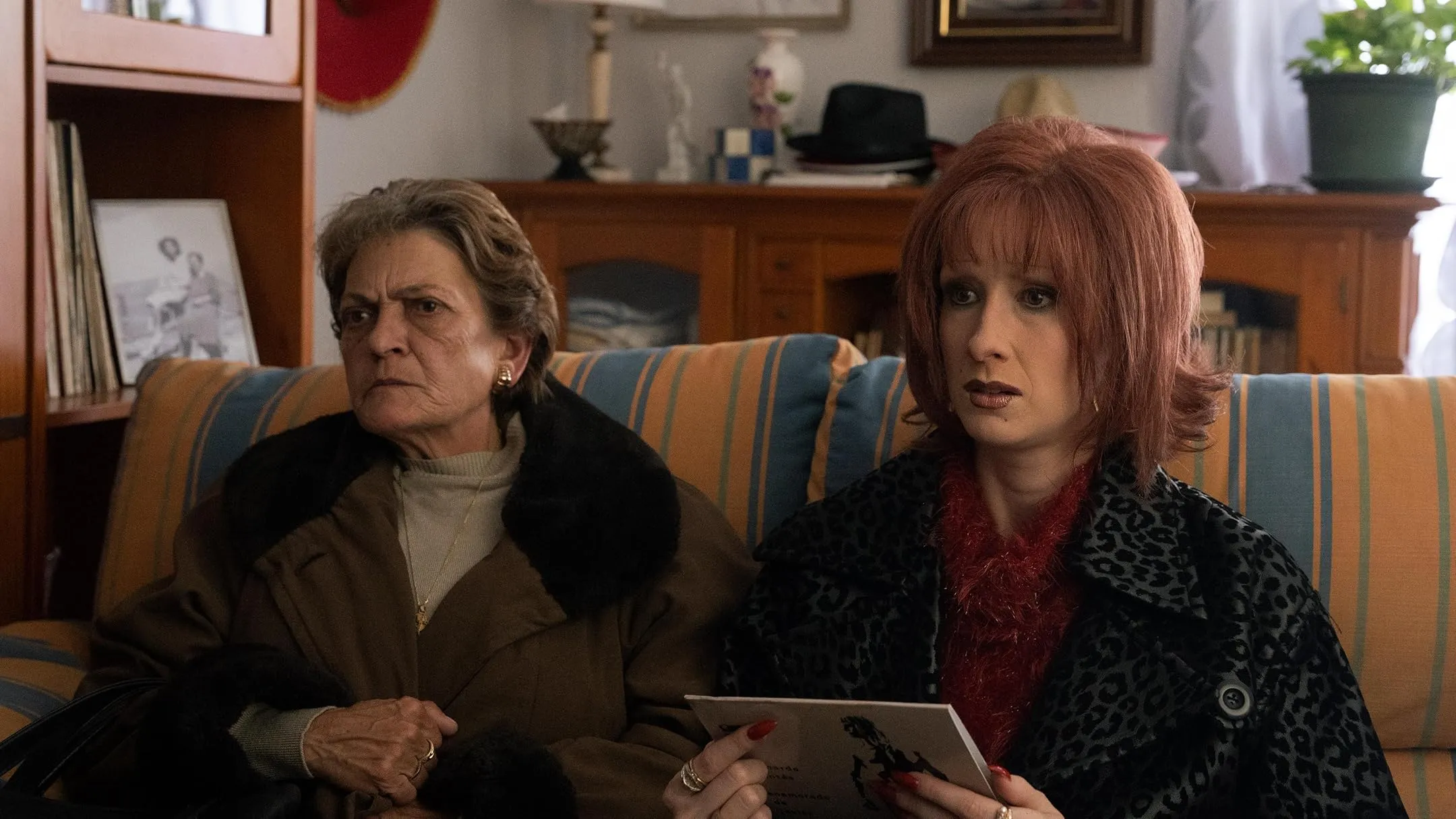
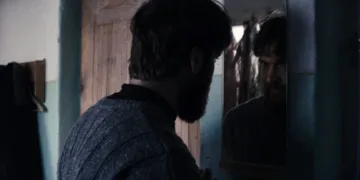
The aesthetic is proudly theatrical, a high-low fusion of David Lynch’s unsettling dream logic, the splash-panel energy of a graphic novel, and the unnerving calm of arthouse cinema. Hallucinations are not aberrations; they are conversational partners. The show’s visual grammar is built on a foundation of audacious, often practical, effects that constantly remind you that you are watching a constructed reality.
A simple window in a waiting room functions as a literal slideshow of the outside world, clicking through locations as characters remain static. This isn’t just a gimmick; it’s a visual representation of a world passing by two people with a singular, unshakeable goal.
The directors’ stylistic choices are both inventive and purposeful. The much-discussed casting of a child actor to play Tamara in very adult situations is a jarring but unforgettable device. It’s a sustained visual metaphor that pays off with startling emotional depth.
The episode focused on Paco Porras descends into a phantasmagoria of phallic and yonic imagery, a nightmarish journey into Spain’s misogynistic underbelly that feels like a forgotten sequence from Stanley Kubrick’s Eyes Wide Shut. This visual chaos is never self-indulgent. It is the show’s primary method of immersion, forcing the viewer to feel the disorienting frenzy of public life rather than simply observe it from a safe distance.
The sonic landscape is just as crucial. The bombastic pop of Tamara’s hits is often contrasted with unsettling ambient noise, creating a soundscape that can pivot from euphoric to menacing on a dime. The entire production is a masterclass in using every cinematic tool to articulate a feeling: the dizzying, terrifying, and intoxicating vertigo of becoming a superstar.
The Faces in the Funhouse Mirror
Amidst this maelstrom of style, the performances provide a crucial and powerful anchor. The entire series rests on the supremely capable shoulders of Ingrid García-Jonsson, who delivers a career-defining turn as Yurena. She is the show’s gravitational center, the calm eye of a hurricane of absurdity.
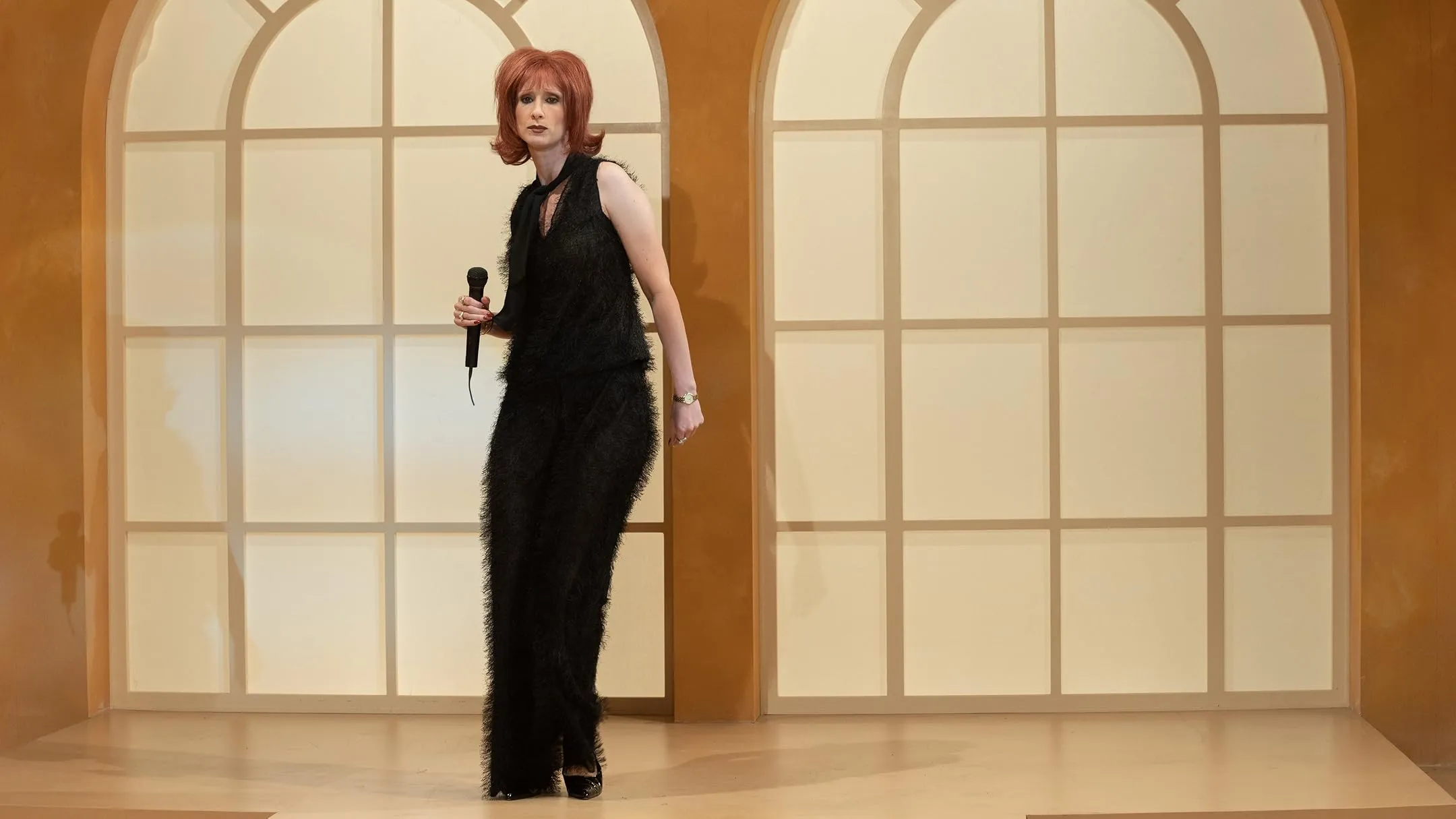
Her performance is a tightrope walk, capturing the impossible mix of wide-eyed fragility, fierce ambition, and the learned public strangeness that defined the star. She communicates volumes in quiet moments, her eyes registering the hurt and confusion even as her mouth repeats a confident platitude for the cameras.
Her work in the final episode is simply phenomenal, as she shifts effortlessly between the hardened, almost alien persona of the celebrity Yurena and the soft, ghostly presence of Marimar, the girl she might have been.
Acting as the emotional ballast is Rocío Ibáñez as Margarita, Tamara’s mother. In a show dedicated to the outsized and the outlandish, Ibáñez gives a performance of profound, grounding humanity. She finds the quiet tragedy and unwavering resolve in a woman standing by her daughter, a figure of stoic loyalty in a world of noise. Her silent reactions to the circus around her often provide the show’s most potent emotional beats.
The supporting ensemble, meanwhile, collectively goes for broke. Performers like Secun de la Rosa, who plays Leonardo Dantés with a mix of camp flair and hidden sorrow, and Carlos Areces, whose commitment to the deranged mission of Paco Porras is both hilarious and terrifying, are essential to the show’s success.
They commit fully to their unhinged characters, lending a strange credibility to the madness. They refuse to play caricatures, instead portraying deeply flawed people who have been irrevocably warped by their proximity to the spotlight.
What Lies Beneath the Glitter
At its heart, Superstar uses its surrealist canvas to paint a sharp and resonant critique of media consumption. It is a brilliant autopsy of the ravenous appetite of early 2000s “trash television,” a specific cultural moment right before the rise of social media, when television screens were the primary battlefield for public identity.
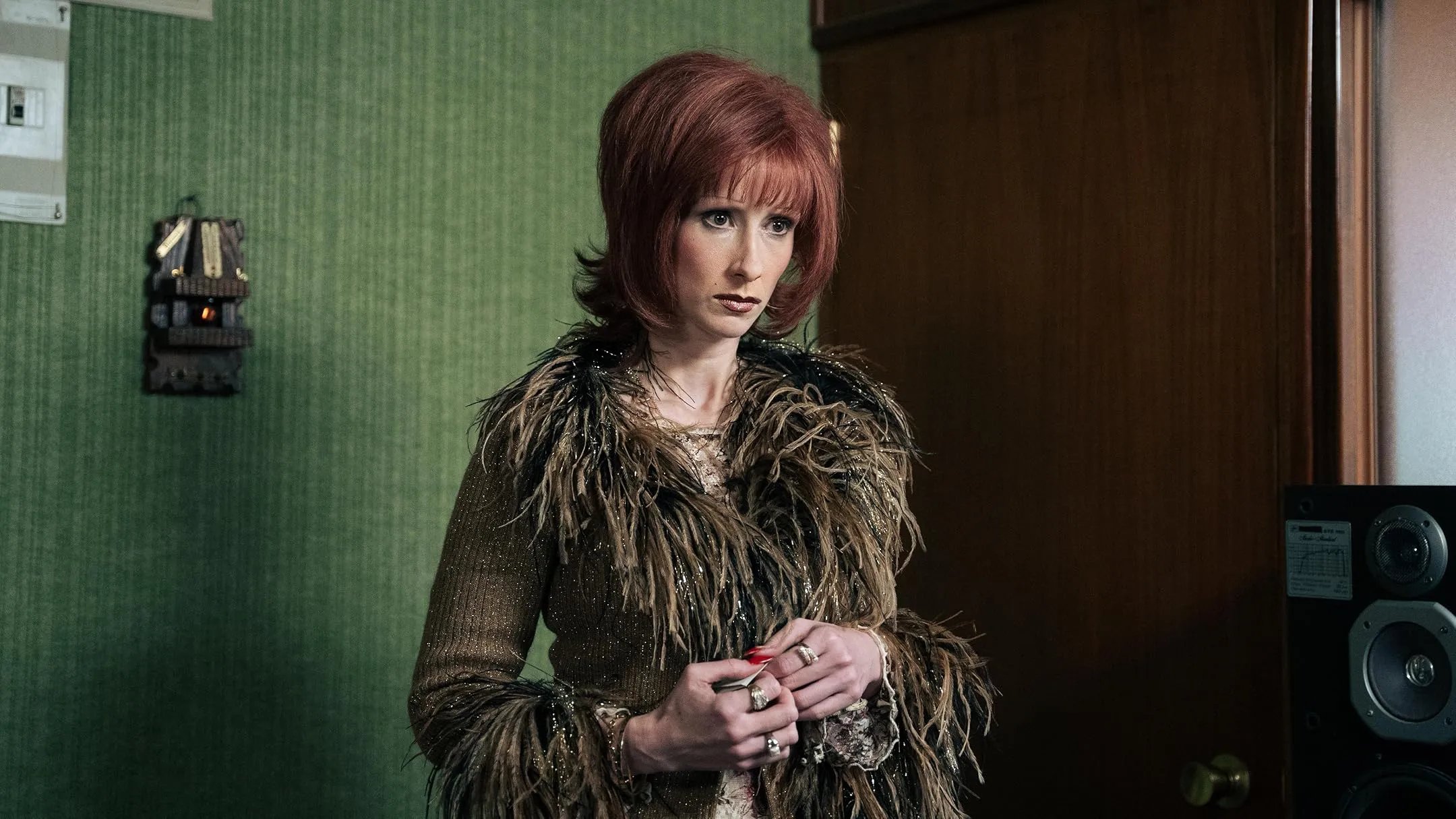
The show dissects the exploitative machinery that built stars only to tear them down for the amusement of millions. The show’s fractured, dreamlike structure is a statement in itself, questioning the very idea of an objective history or a stable truth. It suggests the “truth” of a public figure is nothing more than a chaotic collection of conflicting memories, distorted soundbites, and subjective experiences, an idea that feels more relevant than ever.
The greatest success of the series, however, is its ability to find a deep, aching melancholy inside its own outlandish design. It treats its cast of often-mocked, marginalized figures with a peculiar and moving respect, exploring their human fragility without offering them easy redemption or sentimental absolution. The show makes the grotesque feel deeply human. It dares you to look past the spectacle you consumed and ask who, exactly, was paying the price for the entertainment.
Superstar premiered on Netflix on July 18, 2025.
Full Credits
Directors: Nacho Vigalondo, Claudia Costafreda
Writers: Nacho Vigalondo, María Bastarós, Paco Bezerra, Natalia Boadas, Claudia Costafreda, Yurena
Producers: Javier Calvo, Javier Ambrossi
Cast: Ingrid García Jonsson, Secun de la Rosa, Natalia de Molina, Pepón Nieto, Carlos Areces, Rocío Ibáñez, Julián Villagrán
The Review
Superstar
Superstar is a dazzling, chaotic, and profoundly intelligent piece of television. It trades the comfort of a conventional biopic for a thrilling, surrealist exploration of fame, memory, and the human heart of a media circus. While its frenetic style might alienate some, it's an inventive, unforgettable, and essential watch for anyone bored with the standard streaming fare. A true original.
PROS
- Daring and unconventional narrative structure that rejects biopic clichés.
- Inventive, visually stunning direction and cinematography.
- A phenomenal, career-defining lead performance from Ingrid García-Jonsson.
- A deeply committed supporting cast that fully inhabits the absurd world.
- Intelligent, sharp commentary on media exploitation and celebrity culture.
CONS
- The abstract, surrealist style may be inaccessible for viewers seeking a straightforward story.
- Its fragmented, non-linear plot could feel disjointed or hard to follow at times.
- The intense, frenetic pace and jarring visuals might be overwhelming for some.