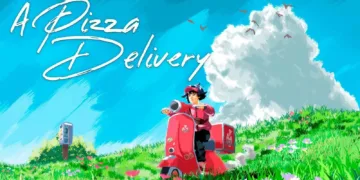




















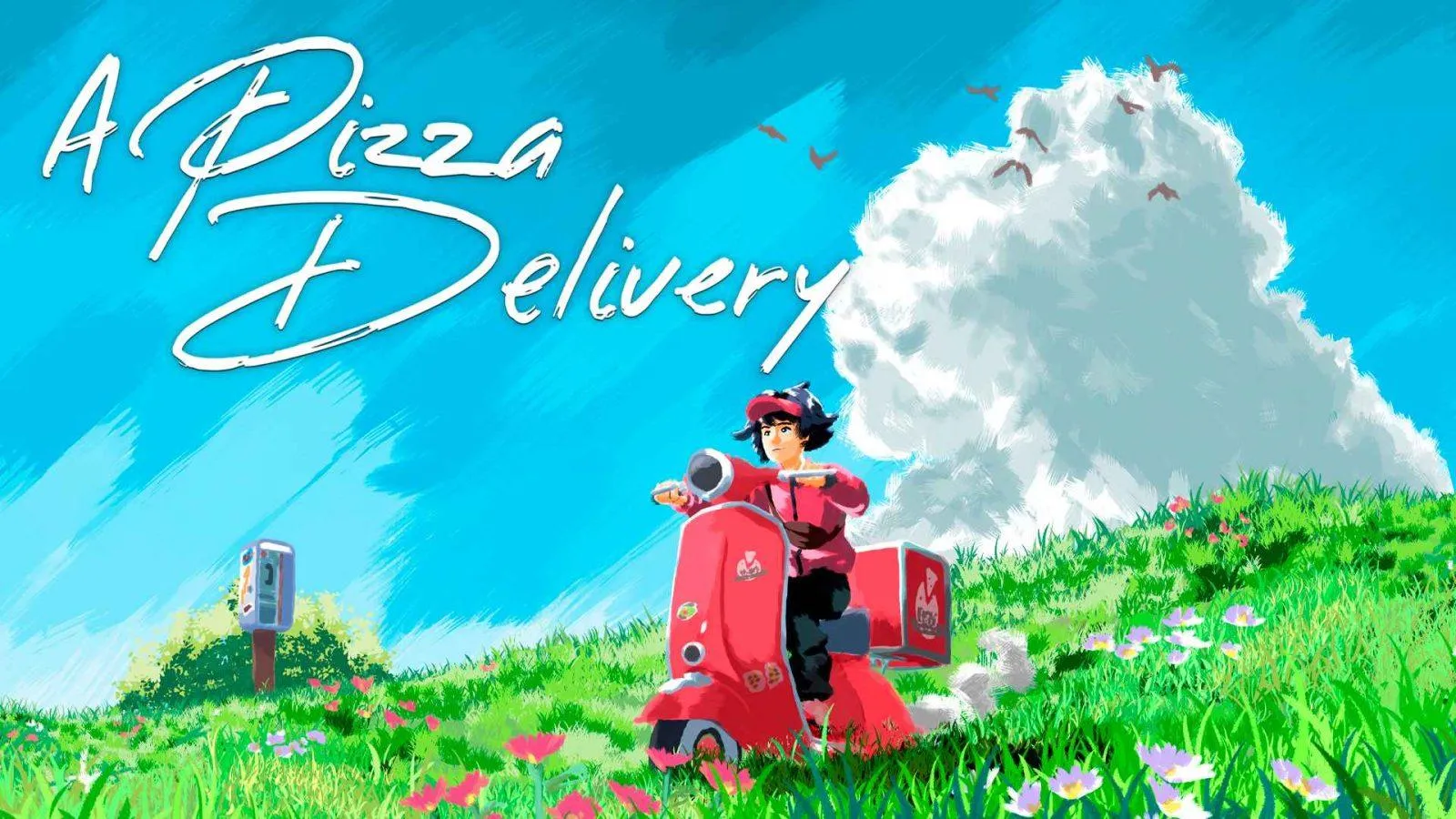

A Pizza Delivery, developed independently by Eric Osuna, frames a compact narrative adventure around B, a courier finishing the day’s final job. The ordinary errand opens into a dreamlike passage through a mental limbo populated by stalled figures.
The premise reframes a delivery run as an introspective trek. The tone stays soft, strange, and contemplative, setting aside conventional action for quiet observation. Play centers on riding a scooter through shifting spaces, speaking with stranded souls, and solving light environmental puzzles. The experience wraps in under two hours.
The design invites a cross-cultural reading. Meditative motion, sparse interaction, and open-ended meaning echo tendencies in independent cinema that travel well between regions, where pacing and atmosphere carry as much weight as plot. The work reads like a small parable that could screen at an art showcase or surface in an indie game lineup, meeting audiences who respond to stillness, repetition, and mood.
The Synergy of Scooter and Solitude
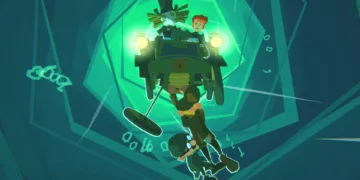
The structure mixes active movement with passive reflection. Most of the time goes into riding the scooter, pausing to dismount for environmental prompts or short conversations with NPCs. Long, unbroken drives set a cadence that music and gentle visuals stretch into a meditative drift. That rhythm creates a portable screening room on wheels: the landscape becomes a moving lightbox, and the scooter’s throttle acts like a projector speed control.
Mechanical demands remain simple. Puzzles ask for familiar tasks such as locating keys, tinkering with small devices, or shielding the pizza box from rain. The low challenge level brings pacing trouble. Momentary stops break the ride’s flow and flatten tension, since fetch-style steps seldom rise to a more demanding tier. The scooter’s continuous glide communicates far more than the interludes do, which makes each halt feel like an intermission without a reveal.
A single action ties mechanics to theme. B carries an extra pizza, and sharing slices opens people up about regret and strain, often leading to their release from limbo. Treating that exchange as optional places agency in the player’s hands and folds the central idea of connection into a basic verb. Optional collectibles add light biography and world hints, expanding context without heavy exposition. The approach reads like social storytelling through small rituals, a design move that resonates with global indie traditions where a minor gesture carries larger meaning.
Also Read






Limbo, Memory, and the Human Condition
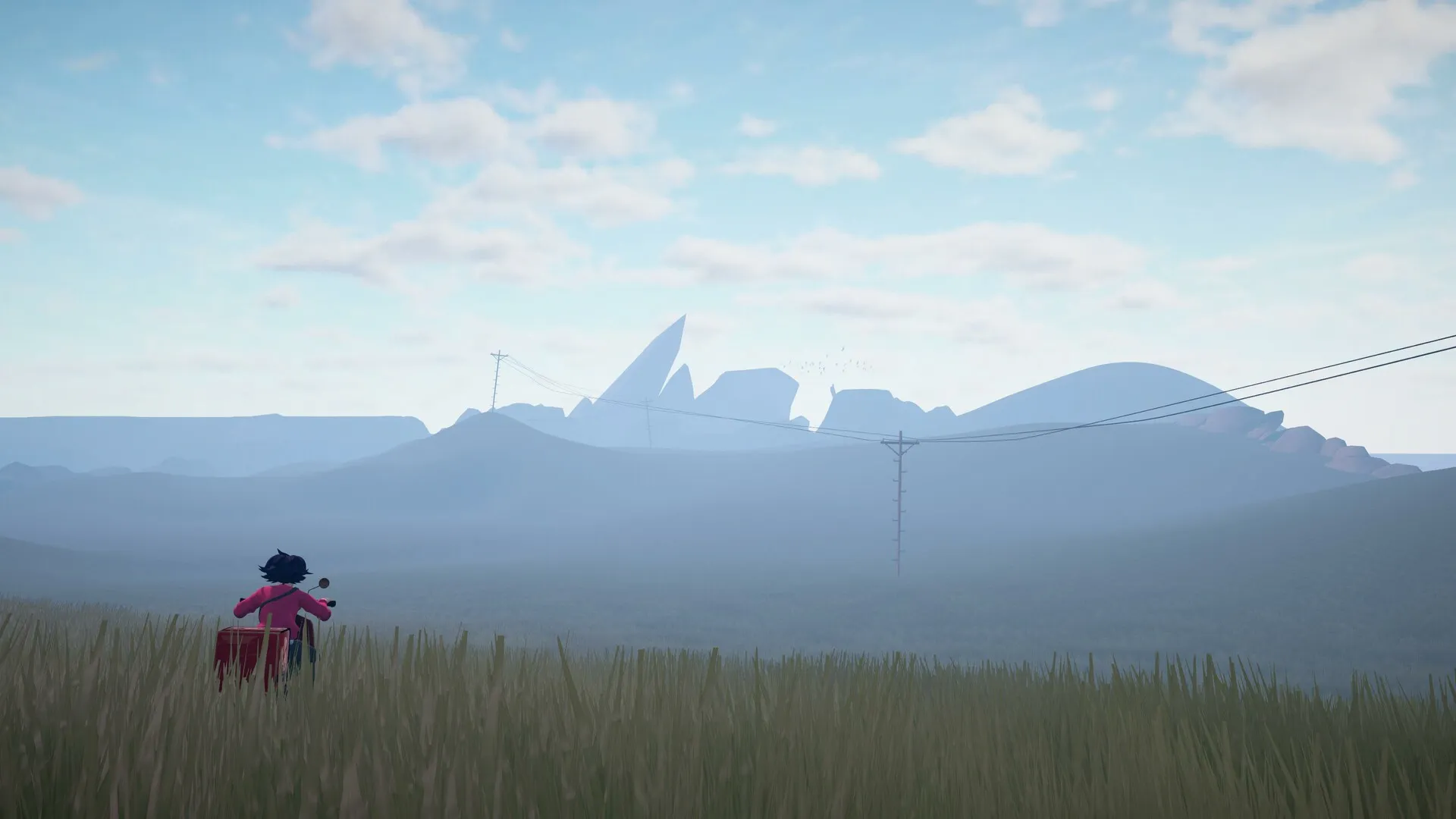
The setting plays as an emotional map rather than a geographic one. Bright natural stretches give way to foggy abstraction, and the abruptness becomes part of the identity, recalling liminal spaces common in contemporary independent film. The jumps in color and form suggest memory fragments arranged for contemplation, inviting viewers and players from different backgrounds to project their own referents.
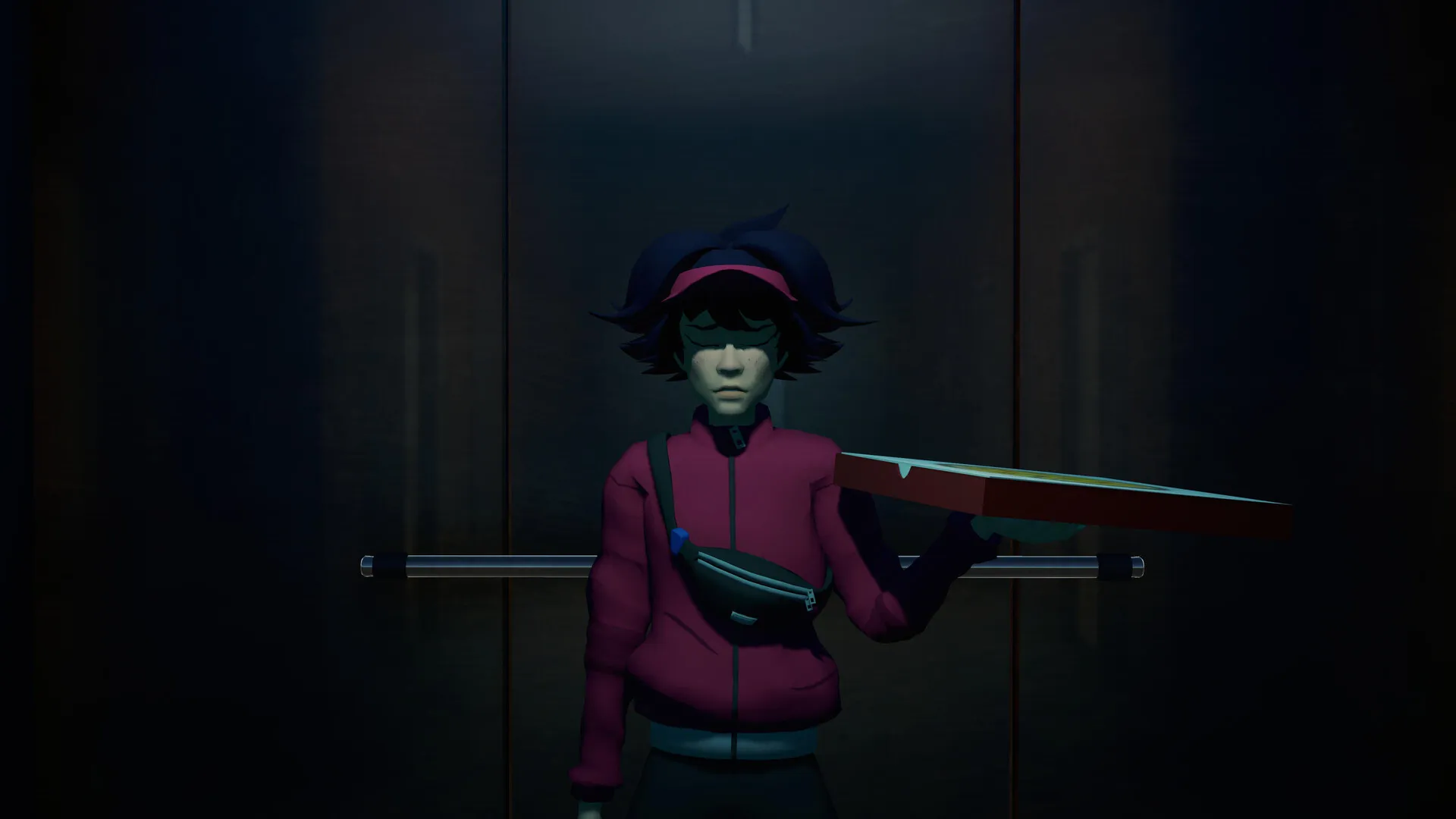
Brief encounters with stalled characters provide most of the story. They speak of loneliness, regret, and uncertainty. The game touches themes of memory, purpose, and stasis through short conversations that stay pointed and digestible. Silence and environmental cues stand beside dialogue, setting a register that rewards attention over mastery. The narrative posture keeps interpretation open, asking the player to assemble meaning rather than receive a fixed thesis. That openness lines up with global art practices that favor suggestion, creating room for varied cultural readings.
B presents as a quiet listener. The player infers B’s hopes and frustrations from collectibles and environmental hints. The role resembles passive figures in certain Eastern European art-house traditions, where stillness redirects gravity to setting and secondary players. The most affecting passages arrive during the long rides after short talks, when the mind replays fragments and fits them together. Motion becomes reflection, and the road becomes an editing timeline.
This interplay between form and theme invites a comparison across media. The scooter’s steady hum works like a traveling long take, whereas the puzzle pauses act like cuts that stall a scene without adding momentum. The result suits audiences who enjoy slow cinema techniques and narrative games that privilege tone, memory, and small acts of care.
Aesthetics and the Technical Toll
Art direction leans into soft pastels with a clay-like feel that has currency in indie narrative work. Lighting stands out, throwing warm sunsets and aurora-like skies that lift mood and lend scenes a gentle afterglow. The palette and illumination build a shared visual language that viewers from different regions can read without translation, since color and light travel across borders with ease.
Visual consistency varies. Isolated vistas look lovely, while wide empty fields can read as messy or thin, turning sparseness into vacancy rather than intention. Character models do the job but leave little imprint. Sound fares better. Music supports the sense of dislocation and pairs with purposeful silence to shape pacing and reflection.
Technical stability breaks the spell. Reports point to game-breaking bugs, progression-stopping glitches, and unresponsive controls with the scooter. Sessions sometimes require restarts. Visual problems add strain, with heavy texture popping and moments where essential assets fail to load, tearing holes in the world. Scooter and character inputs feel imprecise, producing stutter and physics quirks such as dangling limbs. Extended play becomes a trudge under these conditions, and the project reads as one that needed more development time before reaching players.
Taken together, A Pizza Delivery aligns narrative intent with a simple mechanical grammar and a reflective audiovisual register that connects with traditions found in independent cinema and minimalist games across regions. The work places a communal ritual at the center of its interactions, uses silence as a storytelling tool, and sketches a limbo that behaves like memory. The concept travels well across cultures through mood and gesture, yet pacing hiccups and a heavy technical burden limit what the piece aims to deliver.
The Review
A Pizza Delivery
A Pizza Delivery has a powerful, quiet vision centered on introspection and shared connection. Its contemplative scooter riding and poignant dialogue create an affecting atmosphere that rivals some modern art house cinema. However, this artistic success is severely sabotaged by numerous, distracting technical failings. Game-breaking bugs, progression glitches, and unresponsive controls repeatedly turn what should be a beautiful meditation into a frustrating slog. The experience possesses a brilliant conceptual core that demands significant post-launch refinement.
PROS
- Poignant narrative themes of memory and connection
- Meditative and relaxing scooter riding sections
- Affecting atmosphere enhanced by strong audio design
- Innovative core mechanic of sharing pizza
CONS
- Severe, game-breaking technical bugs and crashes
- Clunky and unresponsive controls, especially for the scooter
- Puzzles are too simple and disrupt the desired pace
- Inconsistent visual quality in wider, empty areas