



















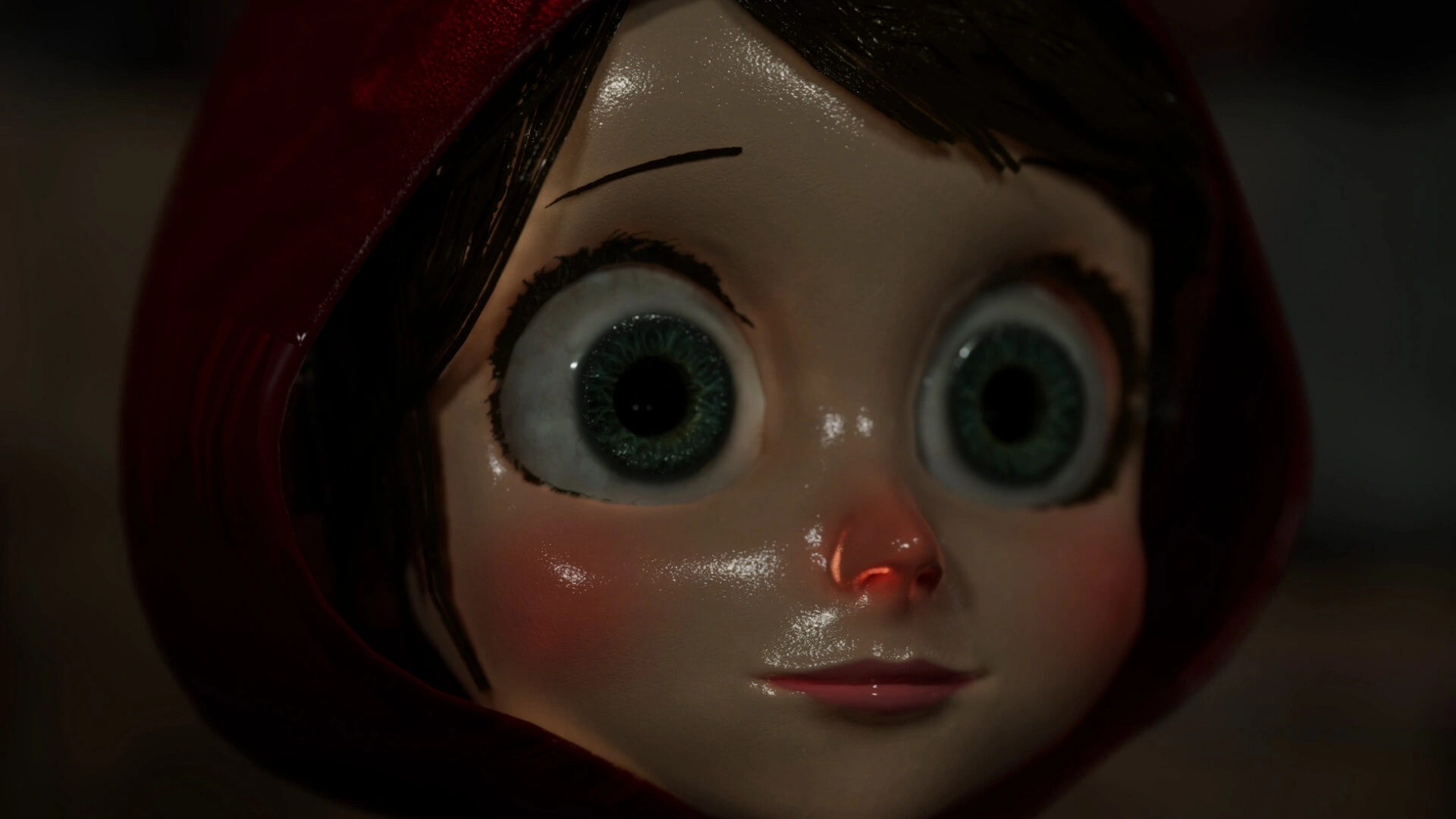

BrokenLore: FOLLOW presents a first-person psychological horror experience grounded in memory, trauma, and self-perception rather than combat or spectacle. Serving as a prequel to BrokenLore: UNFOLLOW, it traces Anne’s origin story, revealing the formative experiences that drove her obsession with social media. Childhood bullying, toxic family dynamics, body dysmorphia, and eating disorders are central to her development, and the game emphasizes these with narrative and environmental storytelling.
Players awaken alongside Anne in her parents’ house, a familiar domestic setting that becomes increasingly distorted as her memories take shape. Objects shift, shadows lengthen, and rooms warp to mirror her mental state. Monsters in this world are symbolic, representing the psychological weight Anne carries. Each encounter serves as an emotional metaphor rather than a physical threat.
Development included collaboration with Italian psychologist Emanuela Papa to ensure that sensitive topics are depicted authentically and responsibly. The result is intimate and often uncomfortable storytelling that builds unease from anxiety and shame rather than jump scares. The game positions itself as an emotionally direct horror experience, inviting players to navigate the spaces of trauma with a focus on immersion and atmosphere.
Story, Themes, and Psychological Horror
The narrative structure of FOLLOW is organized around key traumatic nodes from Anne’s life. Classmates’ ridicule, a fraught relationship with her mother, and the persistent inner voice of self-doubt form the backbone of her psychological landscape. These experiences are presented as active threats that shape the environment and the player’s journey.
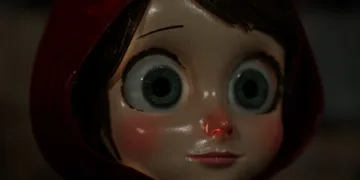
Monsters in the game function as personifications of emotional pain. Each creature embodies guilt, shame, or self-loathing, transforming abstract trauma into a tangible challenge. Players do not simply avoid enemies; they confront the manifestations of Anne’s past, creating a tension that is both narrative and mechanical.
The story unfolds across chapters tied to specific locations, with optional collectibles and notes providing deeper context. These fragments enrich the understanding of Anne’s psyche but are not required for progression, allowing the player to experience a streamlined core narrative or a more detailed exploration.
The game’s approach to sensitive subjects is unflinching. Bullying, body dysmorphia, eating disorders, and toxic familial relationships are depicted without dilution. This directness enhances immersion and emotional impact, though some players may find the material difficult to engage with. Content warnings are appropriate, as these themes are central to the experience and rarely softened.
Gameplay, Exploration, Puzzles, and Creature Encounters
Gameplay in FOLLOW emphasizes first-person exploration, light puzzle-solving, stealth, and chases. The player navigates Anne’s memories without weapons, combat mechanics, or branching choice systems. The experience is linear, focused on atmosphere and narrative immersion rather than mechanical complexity.
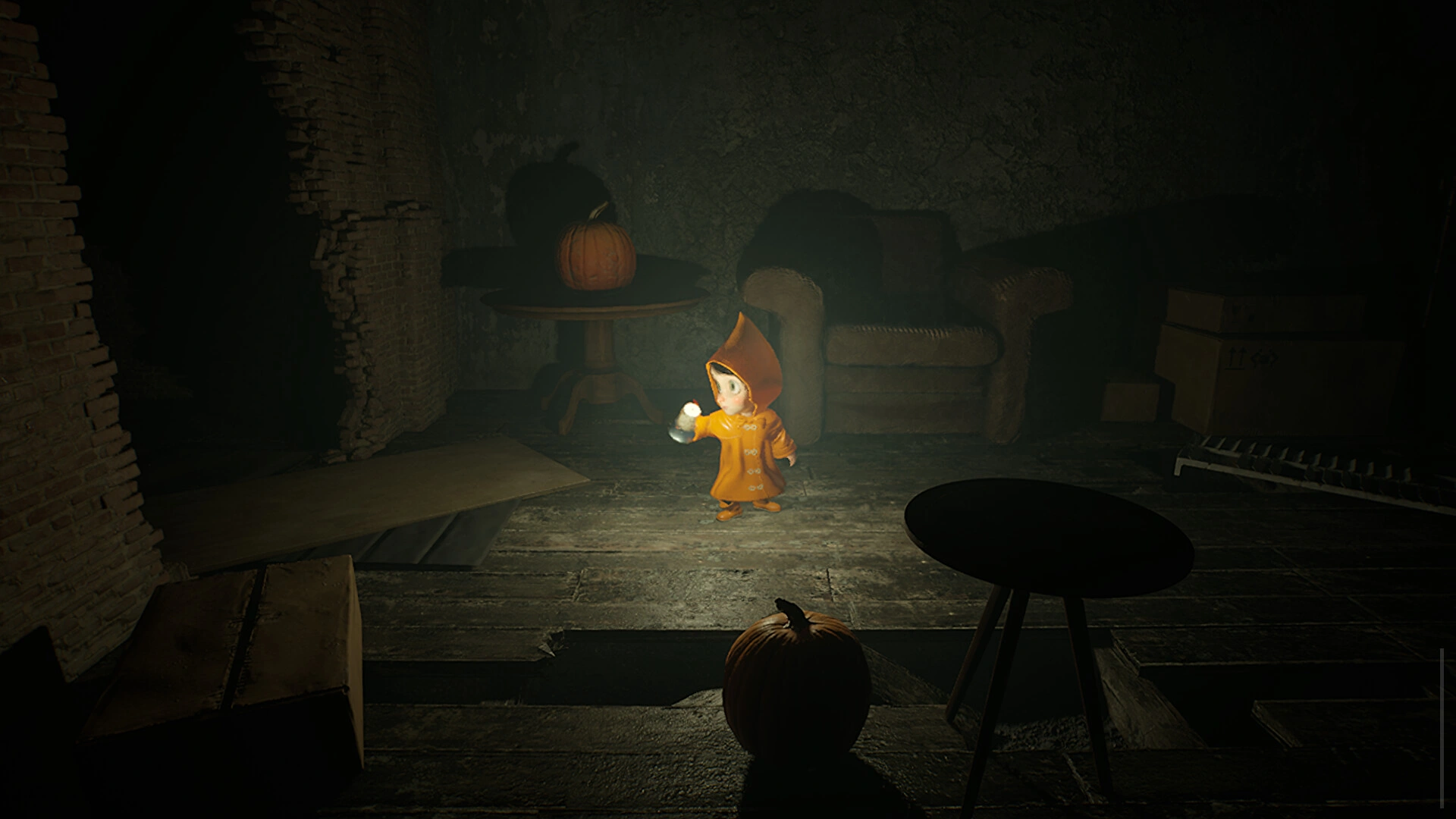
The game begins in Anne’s family home, a three-story structure with multiple rooms. Initially familiar, the environment gradually destabilizes. Lighting is limited, requiring players to locate batteries for a flashlight, adding tension without imposing heavy resource management.
Interaction design differentiates between key objects, marked with subtle white circles, and hidden collectibles, which demand careful observation. Puzzles are simple, functioning primarily to control pacing and encourage engagement with the environment rather than to challenge players intellectually.
Creature encounters are divided between frantic chases and stealth sections. Chase sequences leverage narrow corridors and dead ends to create panic, while stealth requires careful movement and attention to line-of-sight. The tension derives from strategic placement, audio cues, and environmental design rather than innovative mechanics. The interplay between exploration, environmental storytelling, and these encounters reinforces the emotional weight of Anne’s memories.
Atmosphere, Presentation, Comparisons, and Limitations
FOLLOW constructs atmosphere by transforming a familiar domestic space into a psychological labyrinth. Rooms elongate, shadows deepen, and the flashlight’s narrow beam reinforces vulnerability. Each spatial distortion reflects Anne’s loss of control over memory and self-perception.
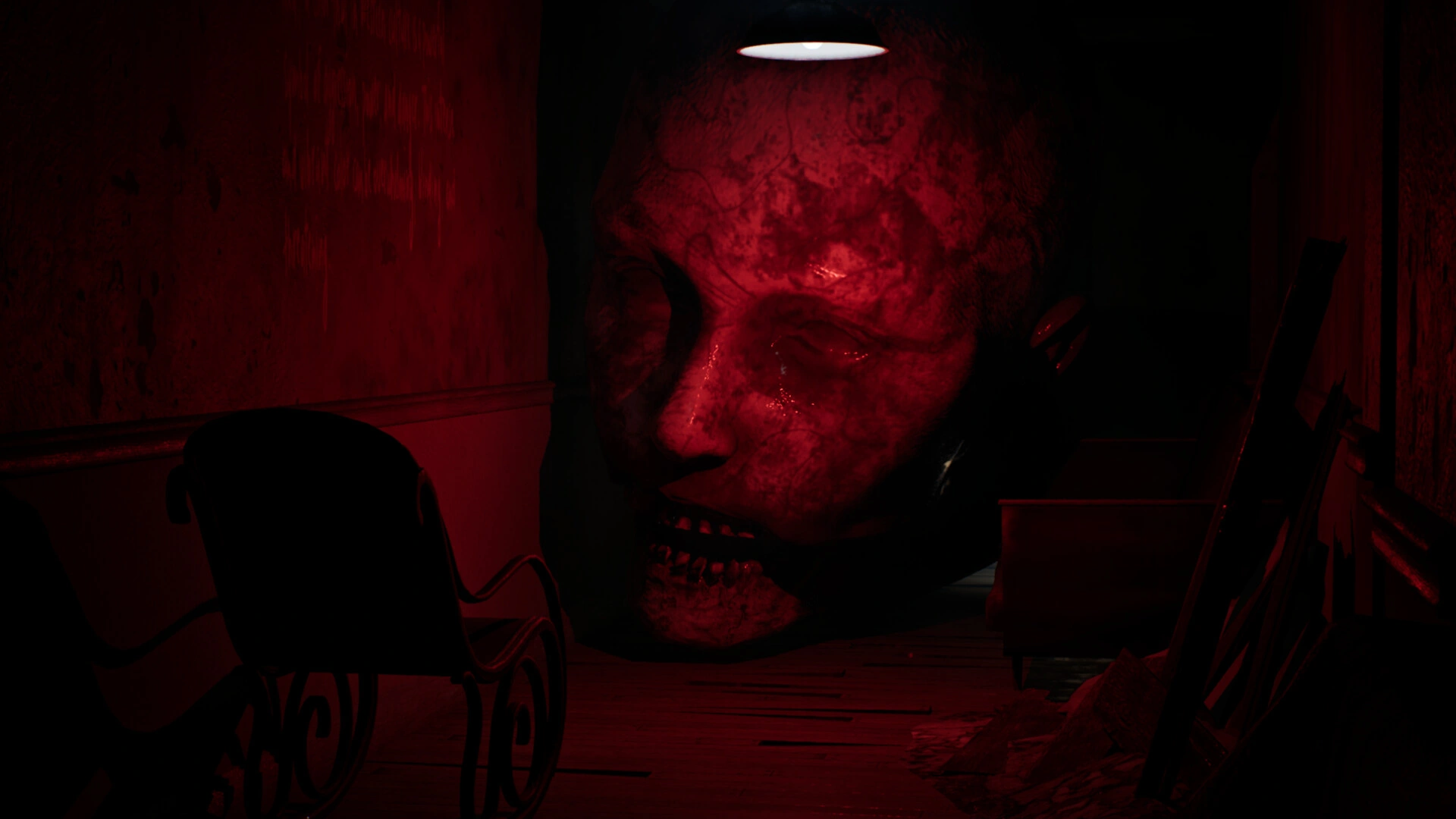
The game aligns with traditions of psychological horror through environmental storytelling and progressive spatial shifts, akin to the narrative layering seen in other indie horror titles. It focuses on social trauma and personal pain rather than speculative or science-fictional horror.
Limitations include a familiar formula for players of UNFOLLOW, a brief overall playtime, and straightforward puzzles. Extended quiet sequences may test players seeking continuous action. Its strengths lie in concentrated psychological horror, symbolic monster encounters, and a compelling character study of Anne’s formative experiences. The game is best suited to players seeking narrative-driven, emotionally charged horror with immersive environmental design.
The Review
BrokenLore: FOLLOW
BrokenLore: FOLLOW delivers a deeply personal and unsettling psychological horror experience. Its strength lies in weaving Anne’s past trauma directly into gameplay, with monsters and environmental design reflecting emotional wounds. Exploration, stealth, and light puzzles support the narrative rather than overshadow it. While mechanically familiar and brief, the game excels at creating tension through atmosphere and story, making it a compelling character study for those drawn to emotionally driven horror.
PROS
- Emotionally powerful narrative
- Symbolic creature design
- Immersive environmental storytelling
- Atmospheric tension and pacing
- Thoughtful treatment of sensitive topics
CONS
- Short overall playtime
- Mechanically straightforward
- Limited novelty for series veterans
- Quiet stretches may feel slow