





























Dracamar from Petoons Studio and 3Cat presents itself as a colorful, family-friendly 3D action-adventure platformer. It channels the charm of N64 and early PlayStation collectathon platformers, while softening the difficulty for a more approachable, relaxed experience. Players step into a world inspired by Mediterranean and Catalan landscapes, where bright beaches, hills, and quaint villages serve as backdrops to a story of restoration and heroism.
The core narrative is simple and clear. The sunken island of Draclantis resurfaces, allowing King Crad, a power-hungry dragon, to capture the energy of the Coroki flower and corrupt the playful Okis into hostile Mokis. Choosing between three young heroes—Caliu, Foc, or Espurna—the player explores islands, defeats corrupted creatures, rescues Okis, collects stars and Moki-balls, and rebuilds bridges to reconnect the fragmented kingdom.
The game encourages exploration without penalizing players who prefer a straight path, and its tone emphasizes healing and renewal over destruction. This sets it apart from more punishing modern platformers, establishing a world that is inviting for children, families, and anyone seeking a cozy, nostalgic adventure.
Story, World, and Character Design: Simple, Wholesome, and Built Around Restoration
The narrative of Dracamar relies on classic platformer conventions: a land overtaken by corruption, a clear villain, and heroes tasked with restoring balance. The simplicity of the story ensures a steady pacing across levels and keeps players engaged without overwhelming exposition.
Themes of care and restoration permeate gameplay, with combat focusing on removing corruption rather than inflicting harm. When Mokis are defeated, they revert to Okis, allowing for interaction, petting, or environmental assistance. This mechanic reinforces the world’s gentle ethos and adds emotional resonance to each encounter.
Playable characters Caliu, Foc, and Espurna share core abilities, with minor animation and attack differences that allow players to switch at checkpoints. This design keeps the learning curve shallow, ensuring younger players remain comfortable while slightly limiting replay diversity for veterans.
Companion Oki Iko expands interactivity without overcomplicating controls. He assists in puzzles, transforms into environmental tools such as springs, screws, cannons, or jump pads, and participates in boss encounters, tying narrative progression to gameplay mechanics in meaningful ways. His presence adds personality to the journey, giving players a sense of collaboration in restoring the island rather than simply defeating enemies.
Gameplay, Level Design, and Progression: Accessible Platforming With Plenty to Collect
At its core, Dracamar offers a loop of exploration, collection, and environmental interaction. Players navigate each level following a clear main path while being rewarded for exploring side routes, collecting stars, rescuing creatures, and uncovering hidden coins or items. Combat is light, with enemies serving to slow progression rather than pose high risk, and armored foes requiring simple strategy. Boss encounters are scripted but approachable, blending humor with challenge to maintain engagement without frustration.
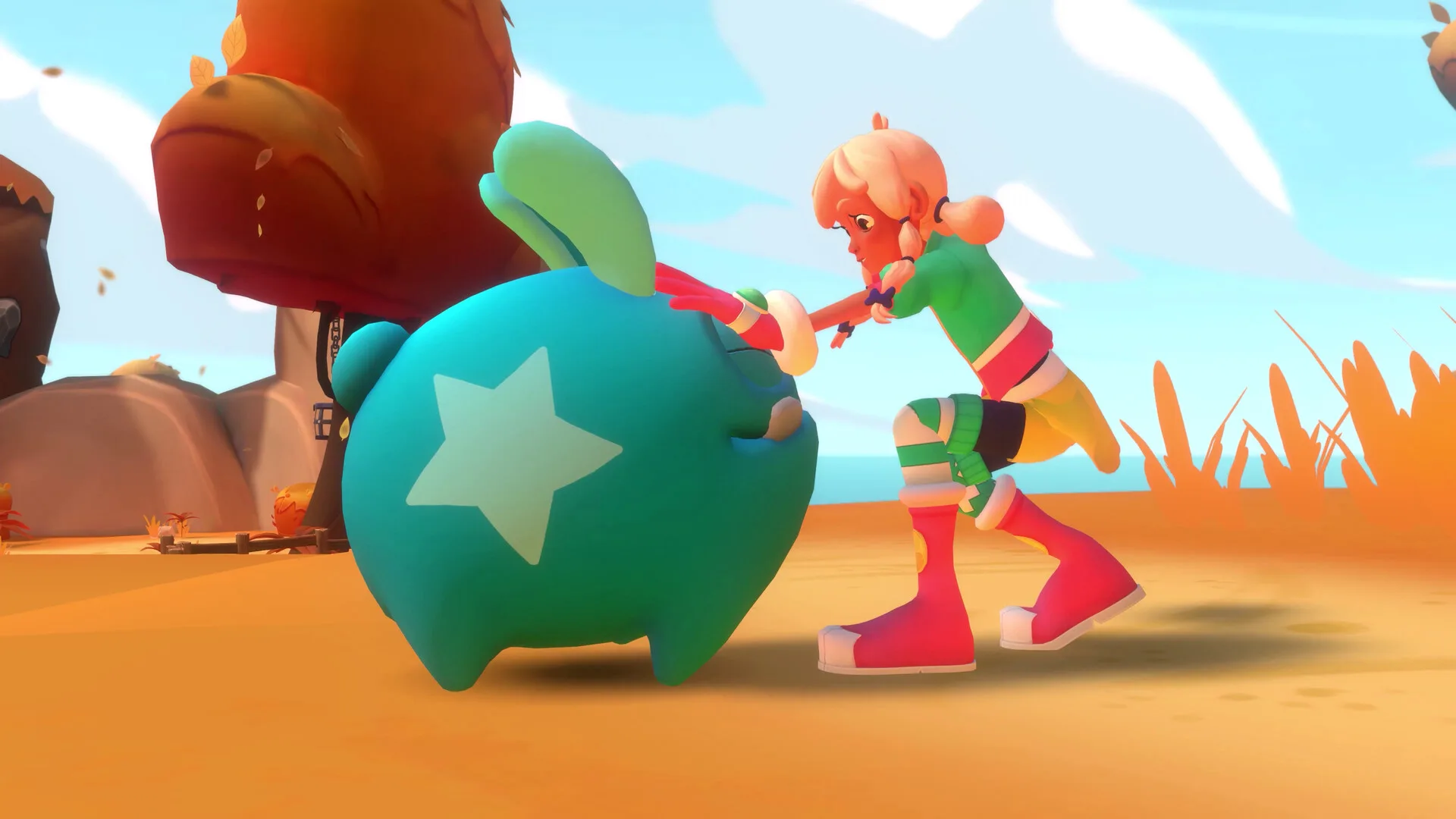
Traversal mechanics are varied, from rails, chutes, and kites to bounce mushrooms, spring flowers, rotating platforms, magnets, and timed sequences. Wall jumps, cannons, and screw-based platform puzzles further expand movement options.
Iko often enables or enhances these mechanics, making environmental interaction feel dynamic and purposeful. While the abundance of mechanics ensures variety, it can sometimes blur the game’s identity, as it incorporates almost every platforming tool without a unifying focus.
Level structure supports pacing. Fifteen main stages and five secret bonus levels provide progression, with three to four levels leading into each boss fight. Collectibles contribute to optional replay value and cosmetic unlocks, including hats and outfits, while seed packets and mini-games add brief diversions. Occasionally, progression requires replaying levels to gather items, which may frustrate players eager to advance but reinforces exploration as a core incentive.
Presentation, Accessibility, Performance, and Audience Fit: Charming, Polished, Yet Light on Challenge
Dracamar’s visual presentation is vibrant and approachable. Bold outlines, soft color palettes, and expressive creature designs create a Mediterranean-inspired world that encourages exploration. Environments remain detailed and engaging without overwhelming the player, maintaining readability and immersion.
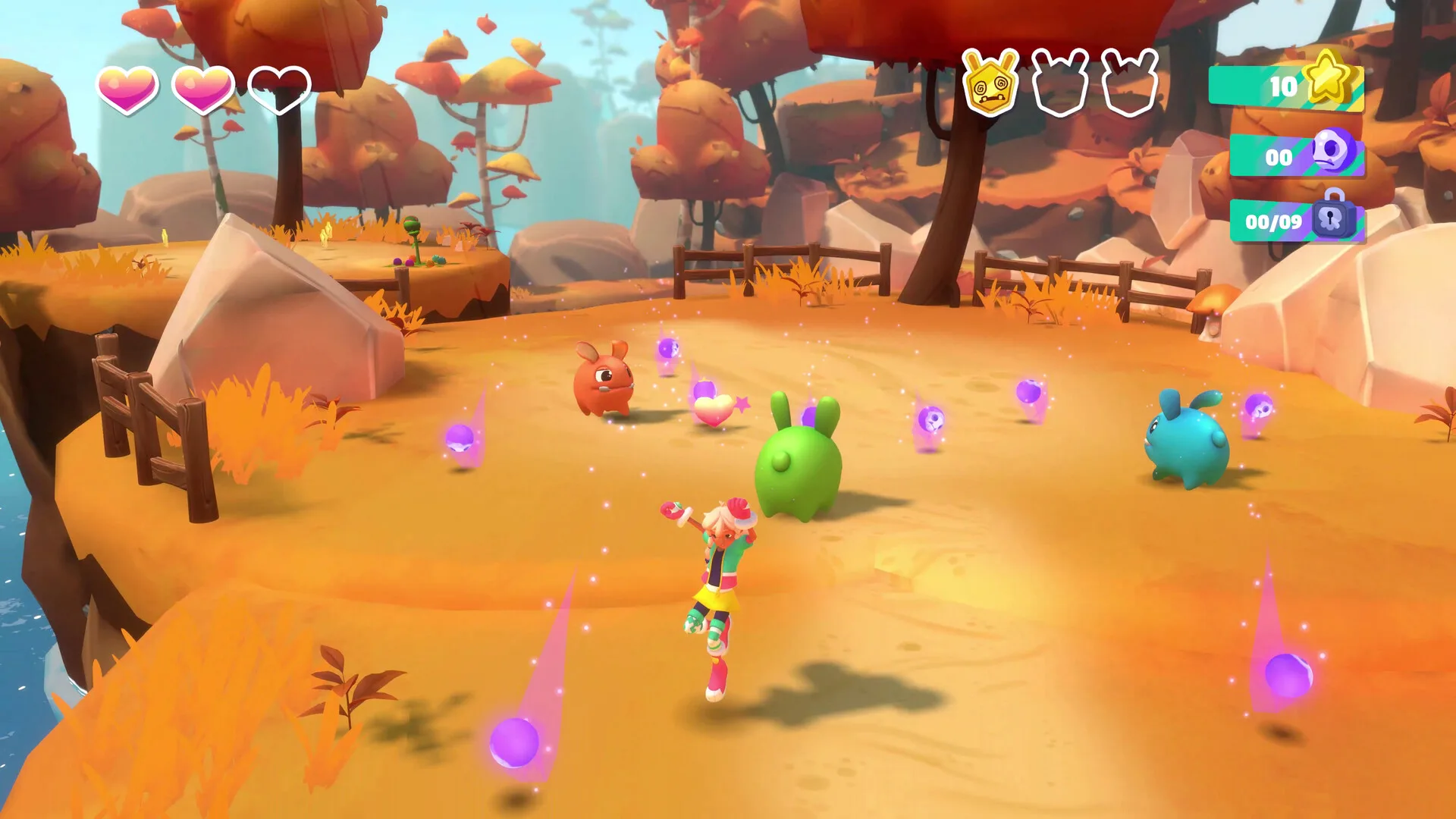
Even enemies retain a cuddly appearance, emphasizing a family-friendly aesthetic. Audio complements visuals with a Mediterranean-tinged soundtrack and light voice acting that enhances character identity while reinforcing the cozy atmosphere.
Controls are intuitive and responsive. Jump mechanics provide floaty adjustments midair, and shadow-based depth perception aids navigation. The camera recentering function is useful, though platforming occasionally suffers from angles that mislead distance judgments.
Accessibility options include color-blind modes for Deuteranopia, Protanopia, and Tritanopia, auto-run, camera inversion, vibration toggles, and adjustable health, ensuring that a wide range of players can enjoy the experience comfortably.
Dracamar is best suited for younger players, parents sharing gameplay with children, handheld audiences, and fans of lighthearted collectathon adventures. While its challenge and mechanical depth remain modest, it succeeds in creating an emotionally positive and narratively cohesive platforming experience. Players seeking punishing platforming, complex combat, or high mechanical variety may find it tame, but the game delivers a rewarding sense of exploration, charm, and gentle world-building that holds its own among indie platformers.
The Review
Dracamar
Dracamar delivers a cheerful, approachable platforming adventure that emphasizes exploration, restoration, and charm. Its vibrant Mediterranean-inspired world, cuddly creatures, and gentle narrative create an inviting experience for younger players and families. Gameplay is accessible and varied, with creative traversal and collectible-focused progression, though challenge remains modest and mechanics occasionally feel crowded. Its heart lies in feel-good design rather than difficulty, making it an enjoyable, low-stress journey through a whimsical world.
PROS
- Vibrant, expressive visuals and character design
- Accessible and forgiving platforming mechanics
- Engaging exploration with rewarding collectibles
- Charming narrative and gentle tone
- Companion system integrates with puzzles and traversal
CONS
- Low challenge for experienced platformer fans
- Traversal variety can feel excessive at times
- Minor camera issues affecting platforming precision
- Limited replay value beyond collectibles
- Story is simple and familiar