
















Mahesh Pailoor’s Paper Flowers opens in direct conversation with Shalin Shah’s real life, turning a widely shared viral story into a narrative that feels both intimate and public. We first encounter Shalin as an energetic USC graduate with a strong drive to serve, leaving his home and his devoted girlfriend, Fiona, to volunteer with the Peace Corps in Peru.
The film presents this early stretch as a story of outward purpose. That motion collapses when, at 21, Shalin receives an aggressive cancer diagnosis, and the film pivots from a tale of global service to a focused study of survival. This rupture functions as the key dramatic hinge, the point where carefully imagined plans give way to a fierce struggle to stay alive.
Watching that shift, I found myself thinking about how quickly stories of youthful ambition can turn into stories about what we do with limited time. Pailoor treats this turn with warmth and clarity, setting up the inspirational message Shalin would share with the world. The tone leans toward hope and human connection and keeps despair at a distance, which gives the film a steady emotional pulse.
Love, Legacy, and Cultural Reflection
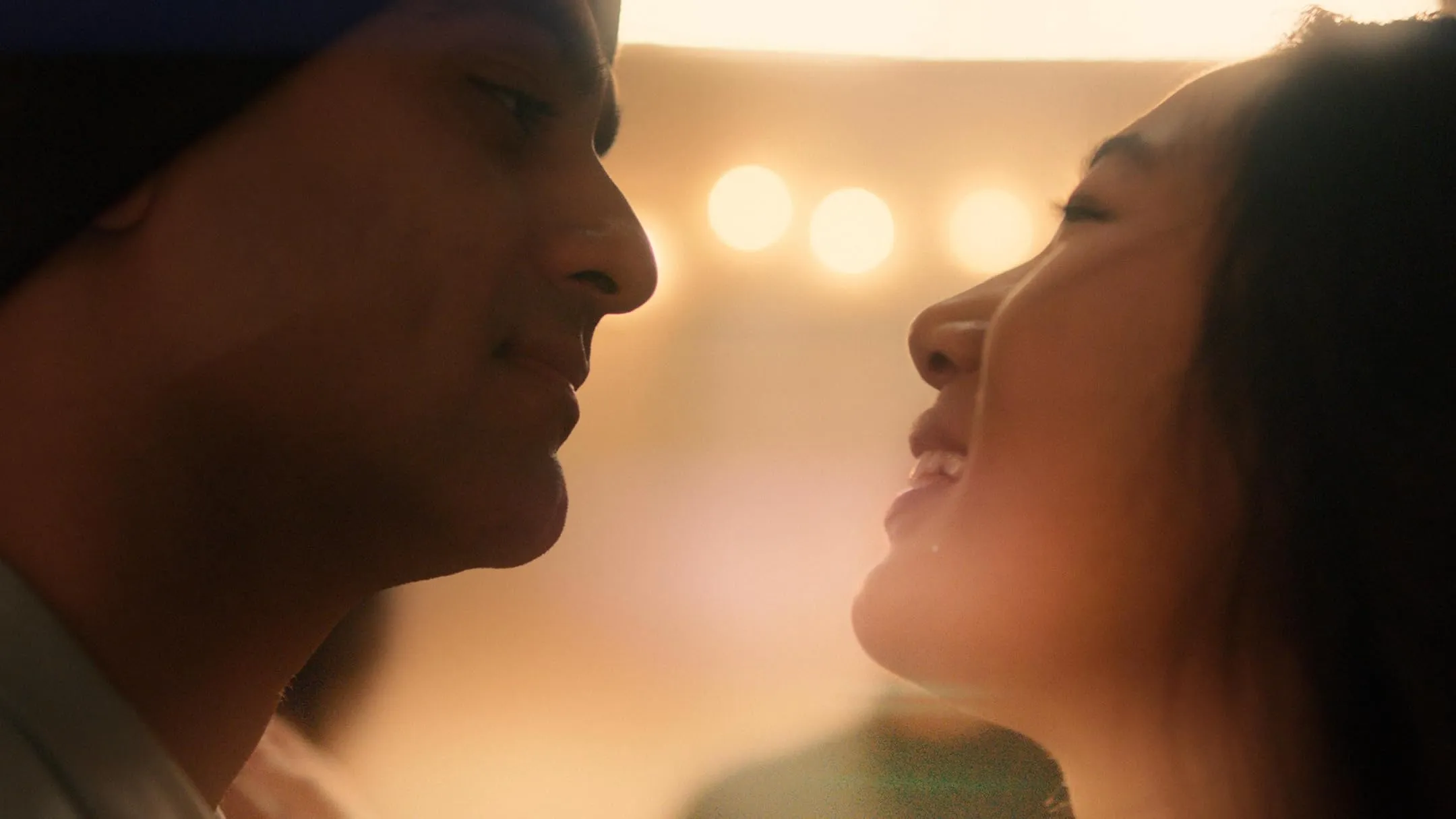
The film’s richest material lies in the relationships around Shalin’s diagnosis. The romance between Shalin (Kapil Talwalkar) and Fiona (Olivia Liang) acts as the emotional through-line. At first, Shalin’s Indian American parents reject Fiona because she is Taiwanese American, and the film uses that rift to echo tensions many first- and second-generation families recognize, where questions of culture and acceptance surface in everyday life.
As Shalin’s illness deepens, the family’s priorities shift. Concern for his survival pulls everyone into the same emotional space, and his parents move from opposition to full acceptance of Fiona. That change turns their relationship into the film’s most stabilizing force, a portrait of love under pressure.
The wider Indian American family network acts as a support village, gathering in hospital rooms to hold the crisis together. Faran Tahir and Meera Simhan chart the parents’ arc from firm adherence to tradition to a more open embrace of their son and his partner. The story moves through familiar stages of the “cancer weepy” template, with denial, hope, and setback shaping the rhythm of Shalin’s final years.
The directness of the performances and the urgency of the true story keep the film from feeling calculated. Shalin’s choice to lean into joy during the time he has left produces the “Thank You, Cancer” manifesto, which spreads worldwide and continues through the #sunsetsforshalin movement. This emphasis on viral gratitude and shared ritual ties the film to a moment where stories of illness move across social media.
Directional Restraint and Character Depth
Pailoor’s direction approaches melodramatic material with a careful, measured touch that favors sincerity over spectacle. Instead of chasing constant tears, the film keeps its attention on what Shalin and those around him learn from the fragility of his life. The result feels grounded and builds toward an inspirational arc.
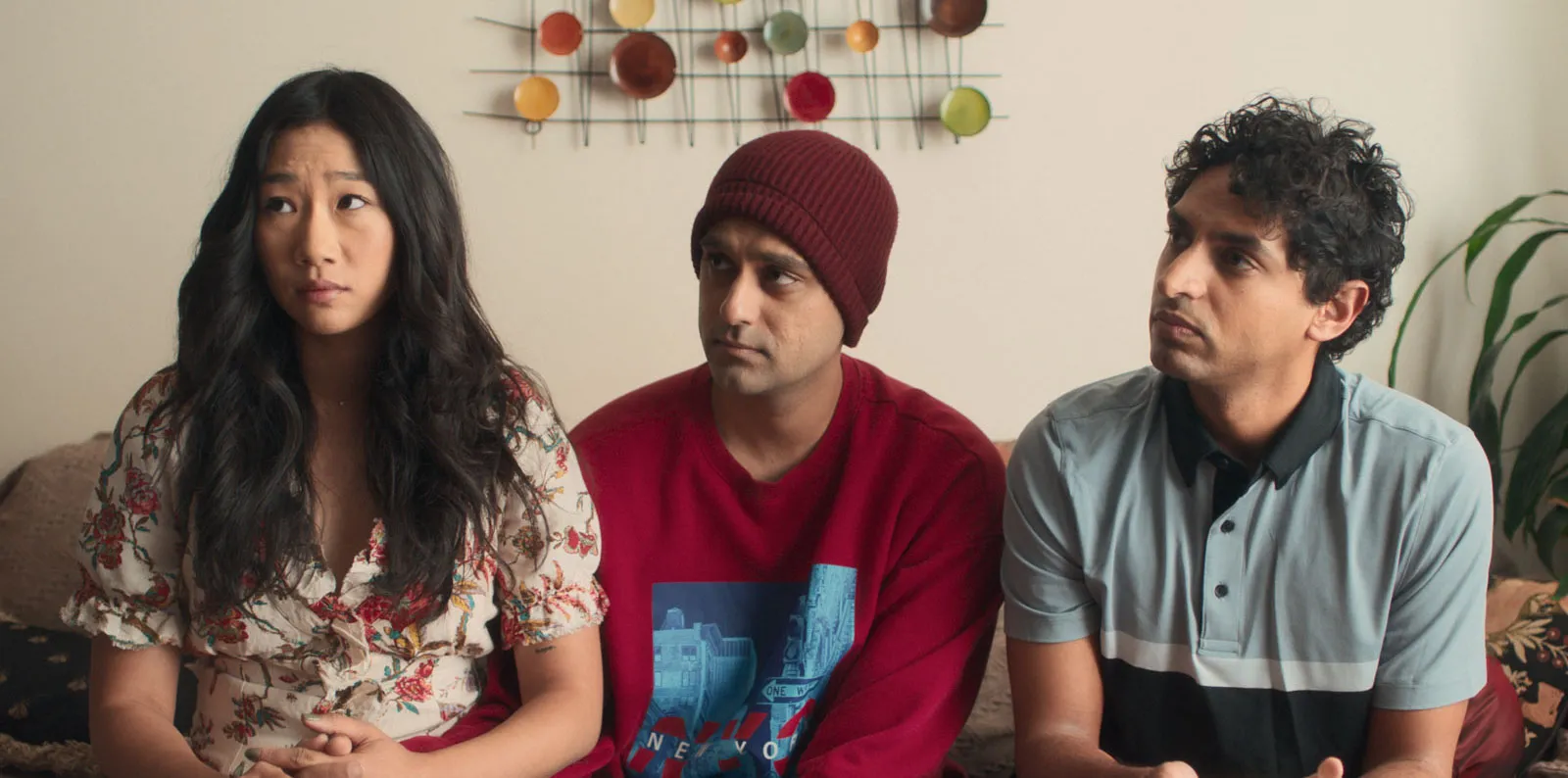
The two leads carry much of that work. Kapil Talwalkar gives Shalin a mix of idealism and physical vulnerability, charting the toll of the disease while maintaining positivity. Olivia Liang, as Fiona, brings calm strength and emotional steadiness.
Her commitment to Shalin gives their shared scenes weight. Around them, Faran Tahir and Meera Simhan embody the exhaustion and devotion of parents who face the unthinkable, while Karan Soni’s lighter moments fold into the story’s emotional fabric. Pailoor guides these performances toward a quiet register and avoids crude triggers, giving the film a sense of sincerity.
Metaphor and the Technical Misfire
The film’s guiding idea focuses on gratitude, on embracing what life offers and searching for meaning in the middle of chaos. Pailoor and his team lean on metaphor to carry that idea. The title Paper Flowers captures both fragility and resilience. The recurring sunsets and the onscreen title cards that present Shalin’s journal entries turn his personal reflections into visual signposts, with simple, earnest lines of philosophy that invite the viewer to sit with his perspective.
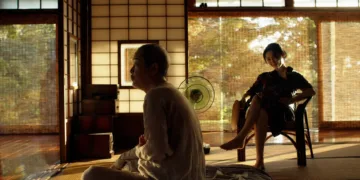
On the technical side, the film presents a mix of strengths and shortcomings. The score supports the emotional shape of scenes, and certain stretches rely on quiet, non-verbal exchanges. At the same time, the craft wobbles in early passages. Lighting and makeup in the first act create a yellowish cast that feels off and pulls attention away from the performances.
Once the story moves into interior and overcast settings, that problem recedes, yet the earlier misstep leaves a mark on the viewing experience. Even with these visual flaws, the film holds together through the genuineness of its intentions and the appeal of its central performances, which keep Shalin’s true story of inspiration in focus.
Paper Flowers is a drama film based on the true story of Shalin Shah, a young Indian American man whose life and Peace Corps plans are interrupted by a rare cancer diagnosis. The film premiered at film festivals in 2024, including Dances With Films and the London Indian Film Festival. As of now, it has primarily been on the festival circuit, so its wider distribution platform is not yet confirmed, though it is currently listed on platforms like MUBI.
Credits
Title: Paper Flowers
Release date: 2024 (Festival Premiere)
Running time: 101 minutes
Director: Mahesh Pailoor
Writers: Mary Krell-Oishi, Mahesh Pailoor
Producers and Executive Producers: Asit Vyas, Asit Vyas, Mita Vyas, Santosh Govindaraju, Brandon Miree, Naman Gupta
Cast: Kapil Talwalkar, Olivia Liang, Karan Soni, Faran Tahir, Meera Simhan, Tom Everett Scott, West Liang
Director of Photography (Cinematographer): Aakash Raj
Editors: Cary Lin
Composer: Kristin Øhrn Dyrud
The Review
Paper Flowers
The film Paper Flowers is built on a recognizable cinematic formula, yet its sincerity elevates the material beyond a simple tearjerker. Director Pailoor balances the heavy subject with warmth, largely avoiding manipulative excess. The powerful, authentic performances by Kapil Talwalkar and Olivia Liang give the story its necessary emotional gravity. It is a heartfelt reflection on life’s fragility and purpose, succeeding through its honesty rather than narrative innovation. It is an effective, moving tribute to a truly inspirational story.
PROS
- Sincere and moving emotional core.
- Strong lead performances from Kapil Talwalkar and Olivia Liang.
- Successful reflection and resolution of inter-cultural family conflicts.
- Directional restraint avoids manipulative melodrama.
CONS
- Formulaic structure and predictable emotional beats.
- Noticeable technical flaws in lighting and color palette during the first act.
- Occasional use of simple philosophy via onscreen journal quotes.