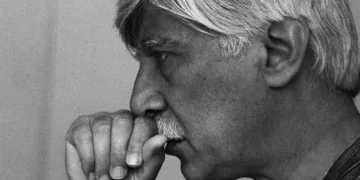














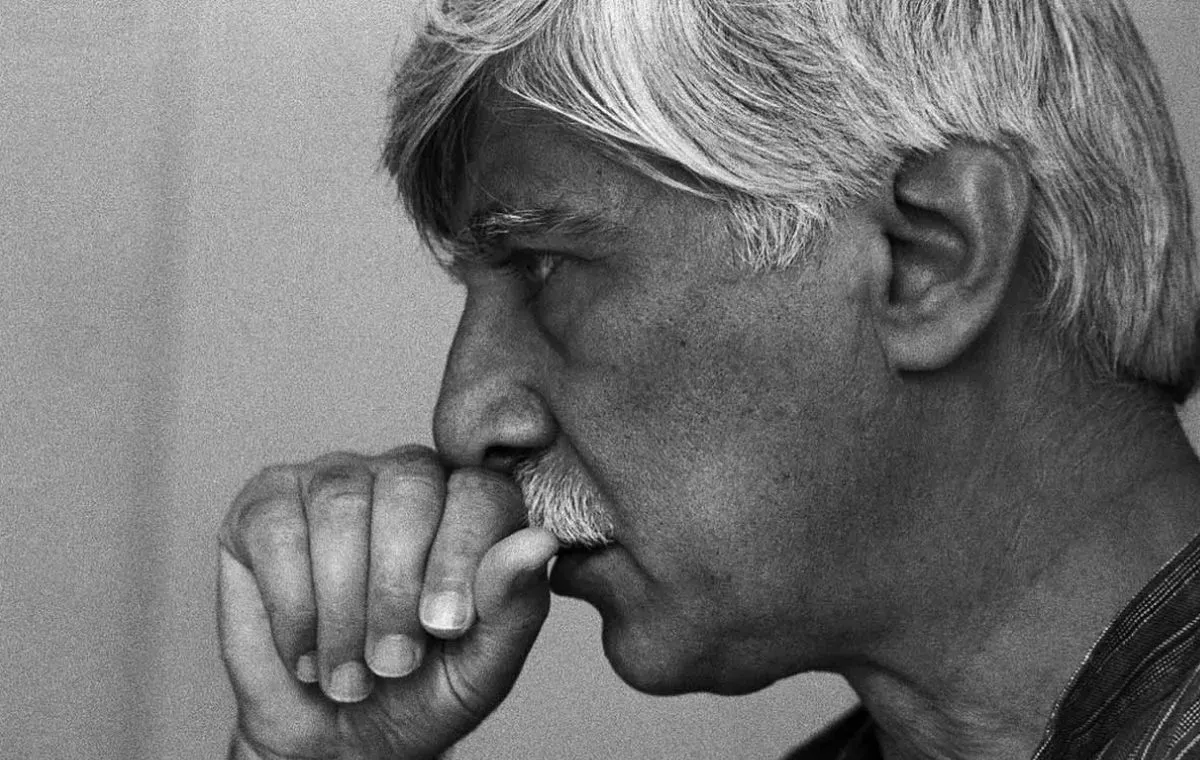

Iranian playwright and filmmaker Bahram Beyzaie, a defining voice in modern Persian theatre and a key figure in Iran’s post-1960s cinema, died on Dec. 26 in the United States on his 87th birthday, according to the Stanford Iranian Studies Program. He had lived in California since 2010, teaching courses on theatre, cinema and mythology while continuing to write and stage work.
In announcing his death, the Stanford program said Beyzaie viewed “his true home and calling” as culture and remained committed to protecting Iran’s artistic heritage even as officials and institutions blocked or limited the staging of his plays and the production of his films. The program said it planned a memorial event in the coming weeks and praised Beyzaie’s wife and longtime collaborator, actress Mojdeh Shamsaie, for supporting his late-career work.
Beyzaie built a career that moved between research, stagecraft and filmmaking. Stanford credits him with helping energize Iranian performing arts by bringing Indo-Iranian mythology and Iranian performance traditions into modern drama and cinema, and notes he wrote scores of books, plays and screenplays. A 2018 essay from the British Academy described him as a central force in reworking Iranian performing traditions and in studying Iranian myth.
His reputation widened again this year after a 4K restoration of “Bashu, the Little Stranger” received the Venice Classics award for best restored film at the Venice International Film Festival. In a statement read at the ceremony, Beyzaie recalled that during the Iran-Iraq War era, “any word that did not glorify the war … was strictly forbidden,” then dedicated the moment to civilian victims and condemned war profiteers.
News of his death set off a wave of tributes from Iranian artists and writers. Filmmaker Asghar Farhadi called Beyzaie his “great teacher” in a message posted online, mourning that he died far from Iran. Others praised his discipline, his insistence on craft, and the way his characters carried Iranian history and present-day unease without bending to power.