
























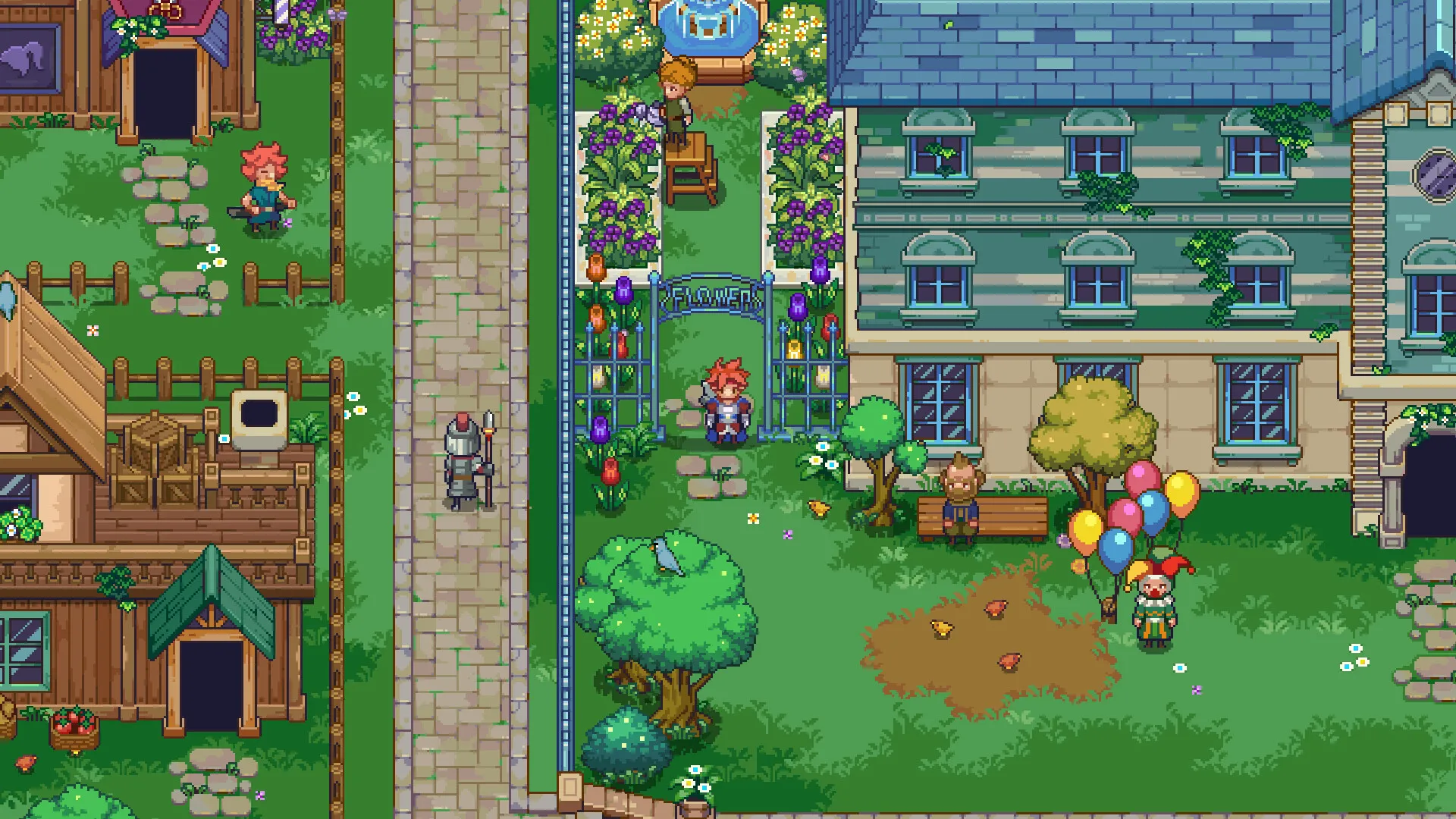
Philna Fantasy opens with an abrupt shift from high-tech sci-fi to classic high fantasy. You play a silent, amnesiac traveler ejected from a spaceship, crashing onto a colorful planet below. The fish-out-of-water premise settles into a steadier routine after you reach the Kingdom of Votland. A central hub city becomes your home base, and joining the local Adventurers’ Guild gives you a practical way to find your footing.
The early structure is straightforward: take mission board jobs, complete them, and climb the guild ranks. Many of those first assignments frame adventuring as blue-collar problem solving, with errands that address the townsfolk’s immediate needs.
The story later turns toward bigger stakes involving black magic and ancient demons, yet those opening hours keep things remarkably personal. Detailed pixel art helps sell that tone, leaning into a quaint, cozy look that recalls classic 16-bit adventures. It creates a warm backdrop for your progression from confused castaway to a recognized hero of the realm.
Blades, Spells, and the Magic Belt
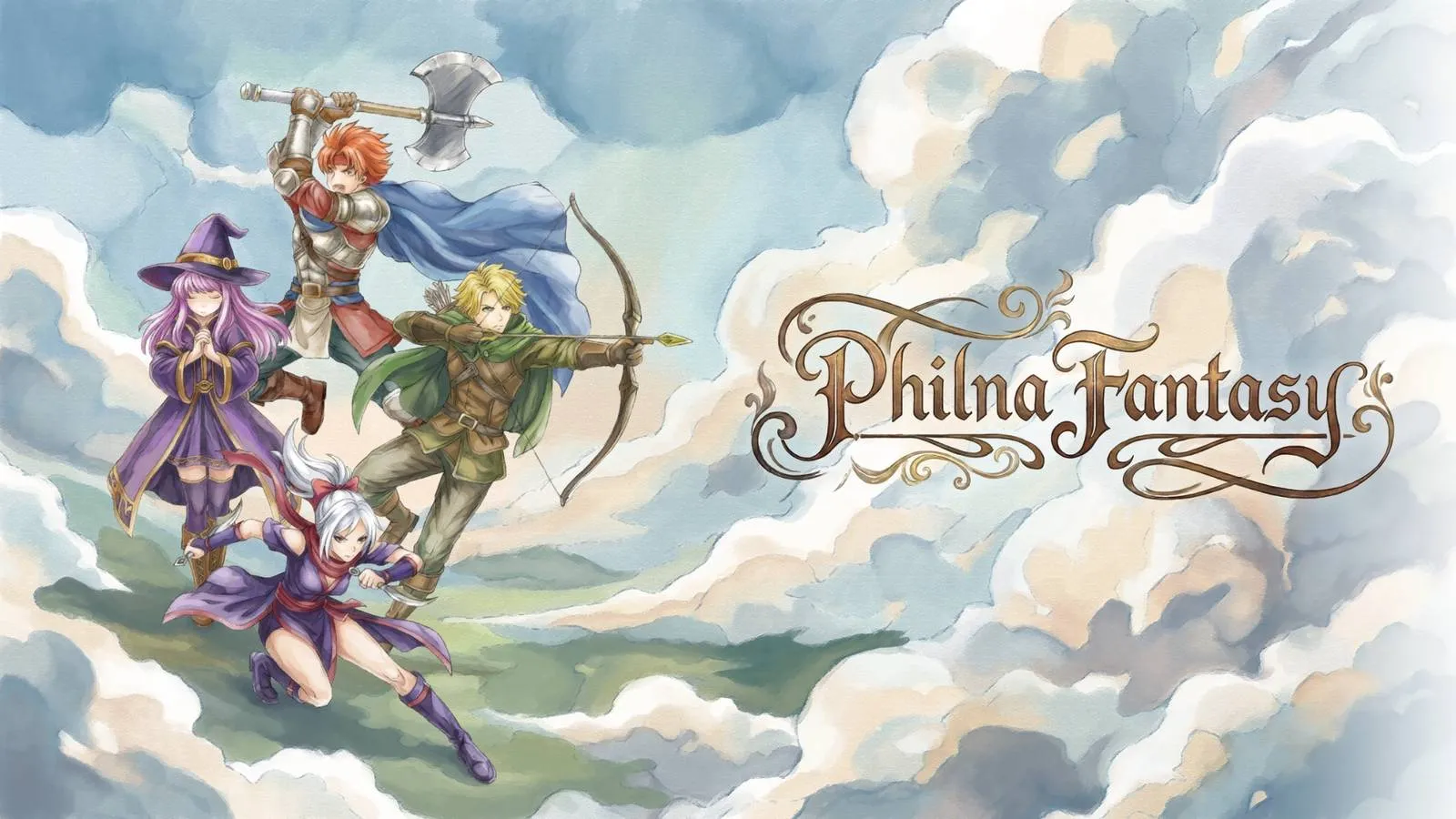
Combat revolves around four classes, each built around a distinct tempo and toolset. The Berserker thrives on aggression, swinging a massive two-handed axe and spinning through enemies with a signature whirlwind move. The Ranger covers the familiar long-range approach. The Chrono Mage brings time manipulation into the mix, changing how fights flow from moment to moment.
The Assassin prioritizes speed, pairing dual-wielding with quick teleportation slashes. Each class has a dedicated skill tree where you spend points to unlock active abilities and passive buffs. The Berserker line shows the intended build expression clearly, letting you chase significant damage boosts by keeping relentless consecutive hits going.
The Magic Belt pushes build decisions past the standard level-up routine. Defeated monsters drop cards, and those cards slot into the belt for passive enhancements. An overheat mechanic prevents the same card combinations from carrying you indefinitely, so you rotate power-ups and adjust your setup as you go. That design turns customization into an ongoing choice instead of a one-time answer you lock in and forget.
Equipment follows a familiar action-RPG pattern seen in Diablo, with different loot rarities and randomized affixes feeding the reward loop. The constant drip of new numbers invites tinkering, and it keeps you scanning drops for the next upgrade. Gear progression can land unevenly, though. A basic item from a newer dungeon can deliver a massive stat jump that makes carefully optimized older gear feel obsolete in an instant.
Encounters keep a methodical pace. Most dungeons ask you to clear rooms with three or four enemies at once, leaning on readable patterns and measured positioning. Survival hinges on a limited pool of three dodge charges that refill over time, so movement becomes a resource you manage as carefully as health. Clear the room, collect the loot, and keep the cycle moving. That rhythmic loop forms the backbone of progression.
Environmental Trials and Life Skills
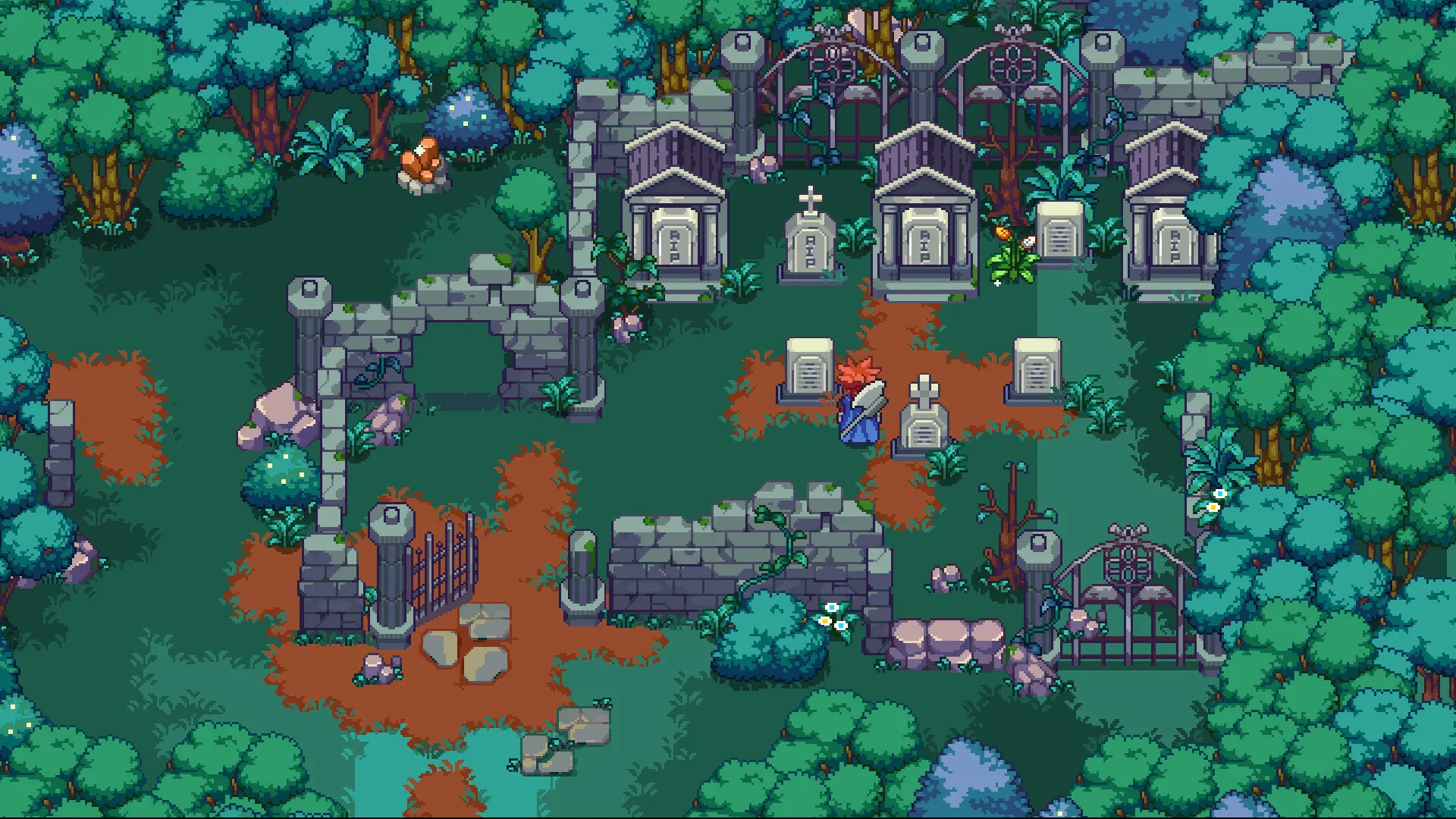
Exploration borrows heavily from top-down classics like Zelda. Dungeons pack in environmental puzzles that reward attention as much as reflexes. Sliding block challenges appear, Tic-Tac-Toe boards show up, and pillars need repositioning to bridge gaps. These brain teasers break up the fighting and give the dungeon space a chance to carry the pacing for a while.
Progression through the story unlocks traversal abilities that add a light Metroidvania element to the world. Powers like growing plants into platforms or vines open routes to previously inaccessible chests and secret rooms, giving older areas new points of interest once your toolkit expands.
Crafting and Life Skills provide a deeper long-term track alongside combat leveling. You gather materials in dungeons and use them to create essential potions and better equipment. Repeating specific recipes improves their quality over time, which makes crafting feel like practice with a payoff. Engaging with these activities levels up your gathering and crafting proficiencies, leading to stronger results.
Dungeon layouts stay static instead of randomized. Every enemy spawn, material node, and puzzle sits in the same spot on every visit. That predictability makes the crafting grind easier to plan, since you can map efficient routes for materials. Backtracking missions can start to feel repetitive, since the same rooms replay the same way. The user interface adds friction here too. Menus have a habit of overlapping or obscuring important information, and it stands out most when you are trying to track requirements at a crafting table.
Heavy Metal Mayhem and Technical Rough Edges
Boss encounters hit the highest peak of the gameplay experience. These fights shift away from standard dungeon crawling and turn into focused tests of pattern reading and movement. Early bosses introduce basic patterns. Late-game titans escalate into bullet-hell chaos that fills the screen with projectiles and area-of-effect zones. These moments demand total concentration and strong command of your dodge mechanics.
Presentation spikes during these set-pieces. Each boss gets a stylized anime-inspired introduction featuring high-quality pixel animations, capped by a name splash reminiscent of the Mega Man series. It frames the fight like a headline event and makes the ramp-up feel intentional.
Audio commits to the same surge in energy. Exploration music stays calm and atmospheric, and stepping into a boss arena triggers a jump into high-energy heavy metal. Intense guitar riffs match the frantic action on screen and keep the pressure high during repeated attempts. If a fight turns into a wall, the town church lets you switch between four difficulty settings. Dropping the difficulty keeps progress accessible and reduces the rewards for the victory.
The technical presentation holds together for the most part, and the localization and script need more polish. Typos appear with increasing frequency later on, and some pivotal lore dumps contain untranslated text. That makes the nuances of the conspiracy harder to follow and can break immersion in an adventure that otherwise lands as charming and mechanically sound.
The Review
Philna Fantasy
Philna Fantasy succeeds as a reliable, cozy action RPG that prioritizes mechanical depth over narrative ambition. While the story and characters remain uninspired, the loop of class-based combat and environmental puzzle-solving provides a steady sense of progress. It is a comfortable title for those seeking the addictive grind of classic dungeon crawlers, though technical polish and repetitive backtracking prevent it from reaching legendary status.
PROS
- Evokes a warm, detailed sense of nostalgia.
- High-octane bullet-hell mechanics paired with a stellar heavy metal soundtrack.
- Environmental challenges offer a rewarding change of pace.
- Distinct playstyles and the Magic Belt system provide meaningful customization.
CONS
- Neither the plot nor the characters leave a lasting impression.
- Frequent typos and untranslated text hinder late-game immersion.
- Static dungeon layouts make forced return trips feel tedious.
- New loot tiers often invalidate build-crafting efforts too quickly.