



















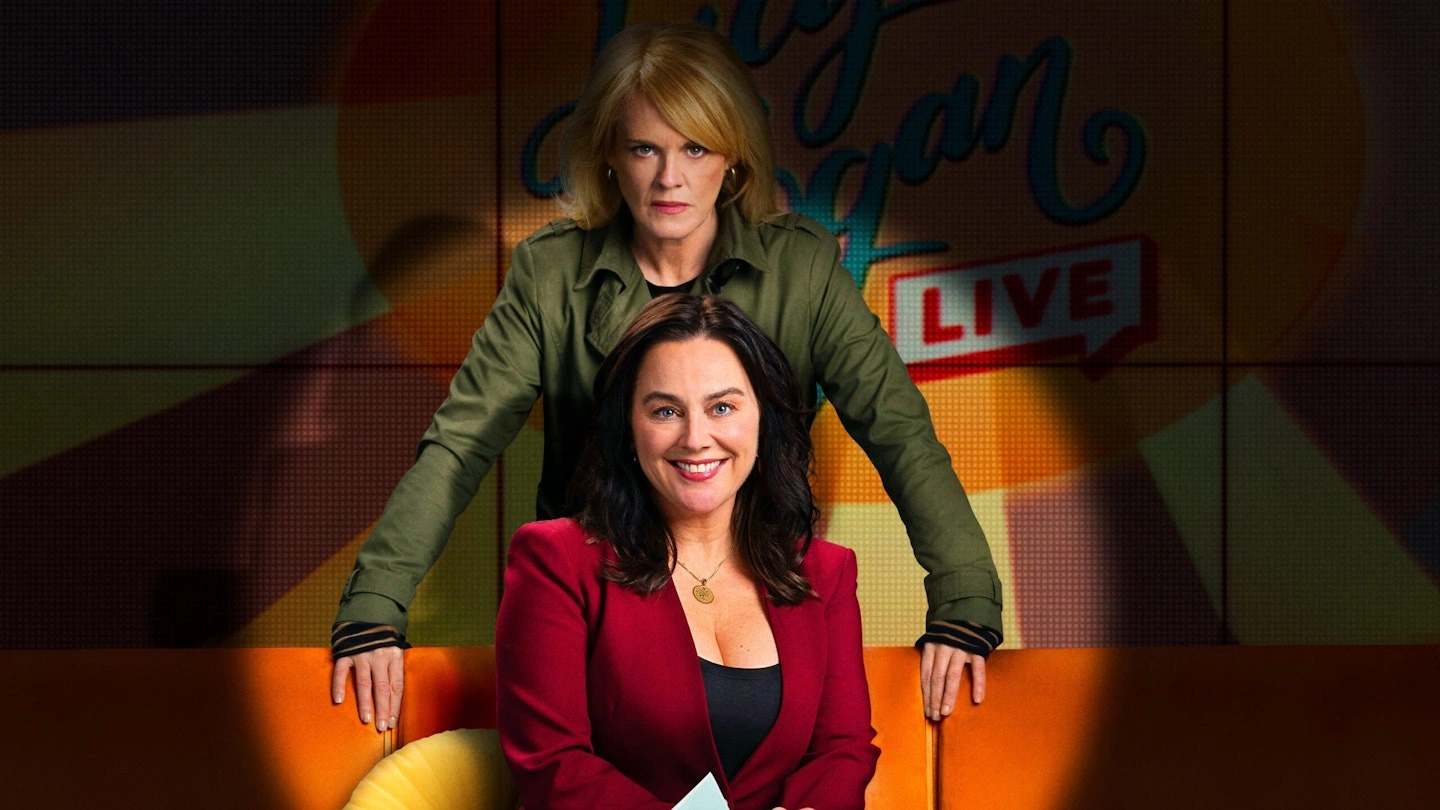

Channel 5 thrillers hold a strange little property in the British psyche. They are the televisual version of a midnight fridge raid: regrettable ingredients, immediate surrender, empty plate. Number One Fan stars Jill Halfpenny and Sally Lindsay, two performers carrying the muscle memory of a richer British soap age.
That history matters. They give this tale of a supermarket rescue the kind of seasoned authority that a plot this heated needs. Lucy Logan sells daytime reassurance by the cardigan load, along with face creams for a devoted public. Her realm is synthetic comfort polished to a shine, and “Lucy Live” radiates a cheerfulness so aggressive it could curdle milk. After Donna stops a bag snatcher, Lucy thanks her with a studio tour.
In thriller grammar, this is the meet-cute with a warning label. The bright lights of the set sharpen the menace tucked beneath Donna’s grateful fan act. The show skips the slow simmer and drops the viewer into potboiler mode with the hob already smoking. The studio, all gloss and prearranged warmth, turns into a stalking arena. A designer jacket opens the door. A nightmare walks through it.
Soap Royalty and the Calculated Stalking
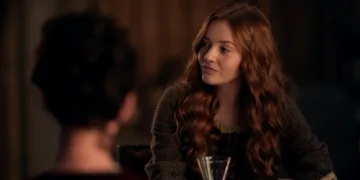
Halfpenny and Lindsay turn the plot into a cat-and-mouse routine between two women fluent in masks. Lucy Logan is corporate polish in human form, treating fans like market research for her self-care empire. She hands Donna gifts with a practiced, empty elegance. Her warmth belongs to the camera, and the camera gets first claim. Lindsay, opposite her, is terrific as Donna mutates from gushing hero to predator with a loyalty card.
She says “Number One Fan” with frightening sincerity, the kind that makes restraining orders feel like stationery. The tension works through repetition: Donna in the studio audience for weeks, Donna outside the school gates, Donna appearing as a shadow with excellent persistence.
Halfpenny and Lindsay understand the four-part thriller rhythm. They give the melodrama a theatrical charge and keep the danger grounded. The shift from chance encounter to obsession arrives at a frantic clip, which suits the material. This thing has no patience for atmospheric throat-clearing. Lindsay can look simpering in one beat and lethal in the next. Her Uriah Heepish gratitude for fashion cast-offs sits beside a plan for total destruction.
That shared screen time creates the friction that pushes the story along whenever the script swerves into delicious nonsense. The twists grow preposterous, yet the performances sell them with admirable straight faces. Donna writes messages in lipstick on bedroom mirrors. She sends multiple bouquets of flowers. She makes Lucy’s casual invitation to “come by anytime” sound like the worst customer-service policy in Britain.
The Ghosts of The Verdict and Media Ethics
The story cuts deepest when it looks back at the predatory television culture of the early 2000s. Lucy’s lifestyle-guru success rests on the remains of The Verdict, a show that turned vulnerable people into entertainment for a studio audience. Stewart Jones led that machinery, transforming human misery into a repeatable format with a host’s smile. Ben Hughes supplies the buried fuse for Donna’s stalking campaign.

He had a gambling addiction and was offered up for a segment built on public shame. The program withheld care and staged humiliation. Ben died by suicide after his appearance. That fictional past taps into real debates about duty of care in broadcasting, and the series sharpens its claws there.
Its media world is a snake pit with better lighting. The presenters who smiled through those segments carry responsibility for what followed. Donna’s revenge grows from that vacuum of accountability. The backstory turns the stalker thriller into an attack on an industry that treats people as disposable material, then rebrands the survivors with soft lighting and retail products. The past keeps billing Lucy, and a skincare line cannot clear the account. The smoke and mirrors of television fame look especially ugly once the show places Disposables behind the glass.
Manure Truffles and the Domestic Meltdown
The main rivalry drives the engine, and the domestic chaos gives it a pleasingly deranged rattle. Shawn, Lucy’s husband, is sinking under financial debt at his gym, a human crack in the foundations of her perfect life. The children fare little better. A teenage son drifts toward a radical eco-activist group, bringing volatile danger into the home. A mysterious man sends chocolates made of manure.
He throws darts at Lucy’s face in his dark room. The image aims for blunt force and lands with grubby efficiency. It visualizes the hatred simmering beneath her celebrity gloss with the bluntness of a tabloid front page. The production has its own charmingly erratic texture. One scene shows Lucy’s program playing on an ancient 4:3 television, as if progress itself refused her brand partnership.
The car number plates look printed at home in the wrong font. These blemishes feed the guilty-pleasure mood. The editing favors speed, and the pacing treats logic like a guest who arrived without an invitation. The series gives the viewer an untaxing mental mini-break, a ride best enjoyed with limited questions about technical precision.
A venal news journalist circles the family like a vulture, because this world has room for every carrion feeder with a notebook. Once cow-dung truffles enter the mail, the show has long since chosen momentum over realism. Why interrogate the rollercoaster when it is already halfway down the drop?
Number One Fan premiered on Channel 5 on May 4, 2026. This four-part series follows the intense psychological battle between a morning television host and a woman who claims to be her most devoted admirer. Viewers can watch the drama unfold each night at 9pm on Channel 5 or stream every episode on the My5 platform after the broadcast concludes.
Full Credits
Title: Number One Fan
Distributor: Channel 5
Release date: May 4, 2026
Rating: 15
Running time: 60 minutes
Director: Paul Wilmshurst
Writers: Marcus Fleming, Rachel Kilfeather
Producers and Executive Producers: Brett Wilson, Mike Benson, Rachel Kilfeather, Suzi McIntosh, Paul Wilmshurst, Sebastian Cardwell, Paul Testar
Cast: Jill Halfpenny, Sally Lindsay, Daniel Adegboyega, Dean Andrews, Sharlene Whyte, Erin Shanagher, Tiffany Gray, Ben Stevenson-Langley, Freddie Dawson, Harvey Rhys Conway, Bryan Quinn, Sushil Chudasama, James O’Driscoll
Editors: John Phillipson
Composer: Steve Lynch
The Review
Number One Fan
Channel 5 delivers a propulsive ride fueled by the reliability of its lead actors. It succeeds because it leans into the absurdity of its plot while offering a cynical look at the ghosts of television past. While the domestic subplots occasionally stumble into cliché, the central rivalry remains electric. It is a loud, unapologetic piece of entertainment that treats logic as a suggestion. The twists feel preposterous, yet the momentum keeps the viewer hooked. It is the perfect television snack for a rainy weeknight.
PROS
- Commanding lead performances from Sally Lindsay and Jill Halfpenny
- Biting critique of the early 2000s media industry
- Relentless pacing that prioritizes entertainment
CONS
- Flimsy domestic subplots involving the children
- Distracting technical errors and production quirks
- Lacks narrative nuance or psychological depth