

















A double-decker bus making a routine trip through Kowloon ends in a flash of destruction. Herman Yau sets the suicide bombing on Valentine’s Day, giving the opening a cruel design: a public ritual of romance becomes a scene of social rupture. Seventeen people die, left across asphalt among burned metal, charred bodies, and severed limbs. After recent high-budget action work, Yau turns to a self-financed production model and uses the smaller scale to study systemic breakdown with a tighter grip.
The state brings in Lung, a disgraced forensic specialist played by Patrick Tam, to read the debris and bodies. Lung has been pushed to the margins too. A personal scandal ended his police career, and he now runs a modest barbecue venue with his wife. His investigation uncovers the two young bombers, Fai and Ike.
Pop vocalists Anson Kong and Anson Chan play them with their idol images stripped away, presenting alienated men trapped in the shadow of an affluent global hub. Drawing from a real 1998 transit explosion in Wuhan, the screenplay turns historical violence into a present-tense portrait of urban displacement and psychological fracture.
Mechanics of an Inevitable End
The film’s narrative design removes the usual engine of a crime procedural. The perpetrators and their fate appear at the start, so suspense has little room to operate as a whodunit. The structure becomes a grim tracking system, charting how people collapse under pressure.
Non-linear editing links Lung’s forensic work to flashbacks from the couple’s domestic life, creating a painful kind of player-like awareness for the viewer. We can read the map before the characters can, watching ordinary choices and routines move them toward the burning bus. The effect resembles a fatal game state loaded before the viewer gains control.
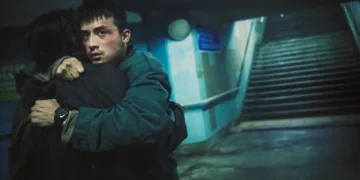
Those flashbacks expose the economic systems grinding Fai and Ike down across months of misery. Fai, a casual laborer, suffers open wage theft at a construction site after his supervisor refuses to pay him. His lone protest for his wages triggers state intimidation, with threats of arrest for civic disobedience, and leaves the predatory contractor untouched. Ike’s displacement follows a parallel route. He sells sketches along Victoria Harbour, and his father casts him out of the family home after discovering his orientation.
Also Read






The script builds their pressure chamber through domestic and workplace details, then uses supporting characters to show how few escape routes exist. Ike’s pregnant sister, played by Rachel Leung, wants to help him yet remains pinned down by her own fragile finances and impending motherhood.
Fai’s home gives him no relief, with an abusive father, played by Ben Yuen, intensifying the childhood trauma he already carries. Each flashback adds another demand on their bodies and minds. The final act of mass violence emerges as a slow accumulation of despair, a system failure turning into human catastrophe.
The Aesthetics of Despair
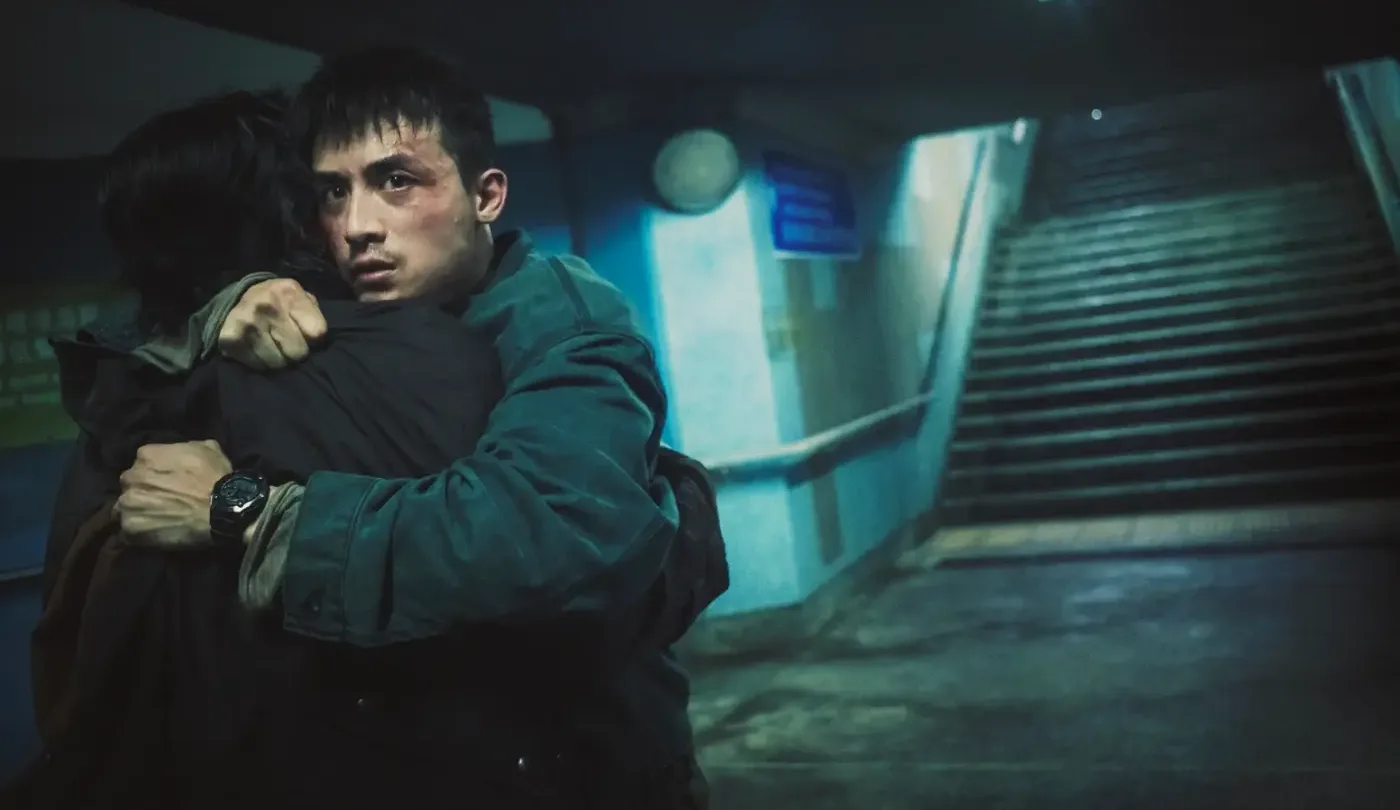
Derek Siu Hing-wa and Mandy Ngai Man-yin divide the film’s visual field by power and vulnerability. Institutional spaces, including police headquarters and forensic labs, carry cold steely blue tones. These rooms feel sterile and bureaucratic, built to convert human loss into evidence numbers. The private world of Fai and Ike moves through skuzzy sepia and warm gold. Their cramped sub-divided flat glows like an amber refuge, claustrophobic and protective, pressed in by the gray towers outside the window.
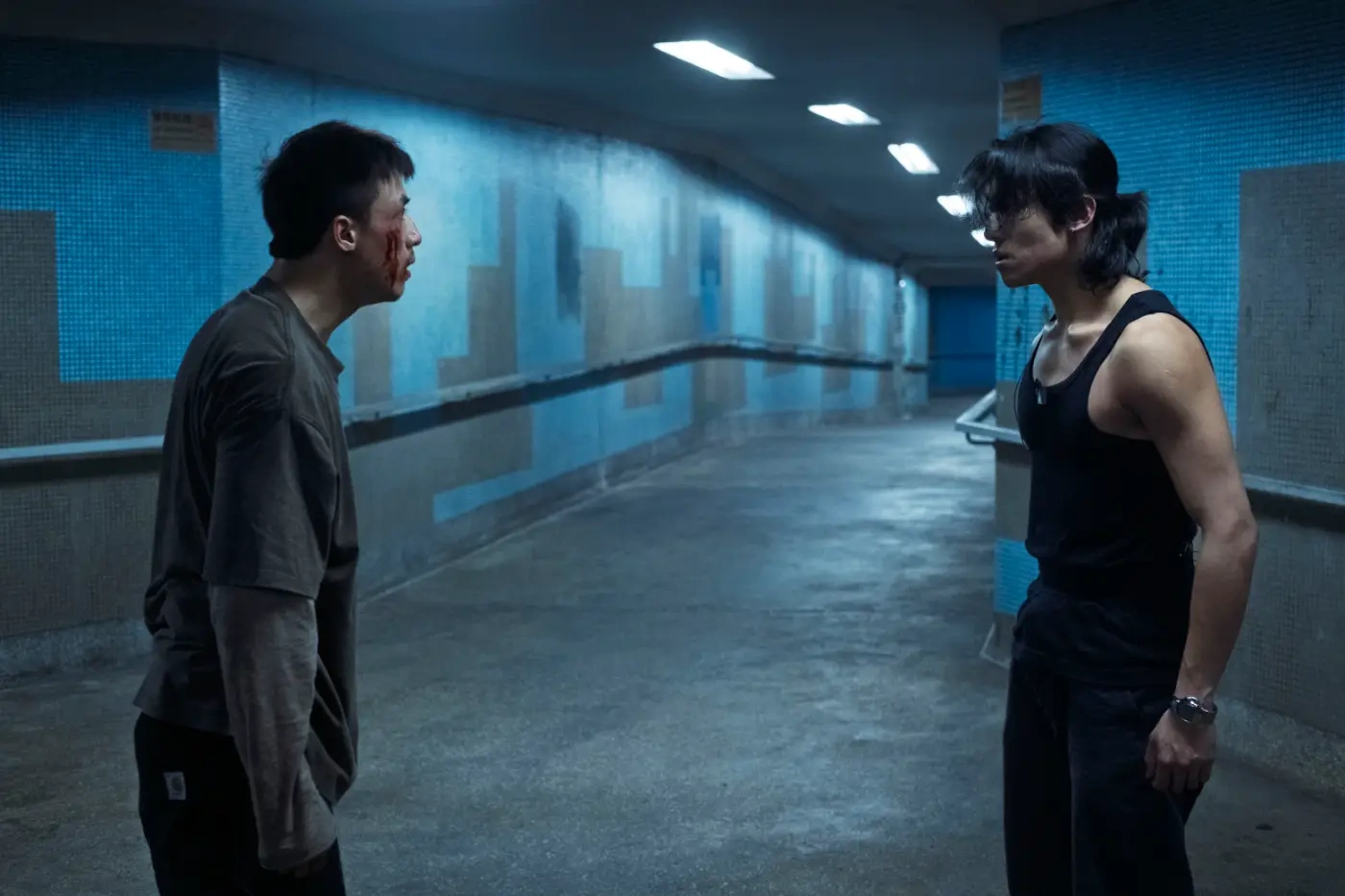
That visual tenderness meets images that recall Yau’s Category III exploitation roots. The camera faces the blast aftermath without flinching, holding on charred remains, scattered flesh, and the twisted frame of the bus. The choice is harsh, and it matters. The film allows sympathy for Fai and Ike’s pain, then forces the viewer to confront the victims of their final action. Its form refuses an easy emotional shortcut.
The film loses some control through sharp tonal shifts that break its emotional rhythm. After the opening explosion, the cut to rolling credits lands like a pitch-black, self-aware gag. The moment creates uneasy friction between social tragedy and raw local humor, making the film wobble between analysis and sudden stylistic provocation.
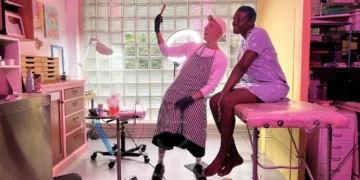
The direction strains in intimate scenes too. When Fai poses half-naked so Ike can recreate a portrait taken by city inspectors, the staging grows over-designed and theatrical. A moment built for vulnerability becomes stiff, distancing the audience from the tenderness the scene is meant to hold.
The Weight of the Avalanche
The film’s social argument is a direct indictment of contemporary urban inequality and institutional indifference. Poverty drives Fai and Ike toward their destructive path. Their material deprivation is intensified by the absence of legal recognition, since same-sex marriage rights are denied and marginalized couples are left without basic social protection.
Yau aims his sharpest anger at institutional authority, portraying law enforcement as a machine for suppressing grievances. When the state removes Fai from the street during his labor protest, and when inspectors seize Ike’s art supplies for illegal vending, bureaucracy becomes a system that overruns empathy.
The message written on the couple’s door, saying that in an avalanche no single snowflake remains innocent, gives the film its clearest moral frame. The line turns its anger toward collective middle-class apathy, arguing that a community which ignores the slow strangling of vulnerable people shares responsibility for the blast that follows. That domestic anger connects with the local political idea of lam chau, a philosophy of mutual assured destruction tied to recent citywide social movements.
Fai’s repeated claim that he will drag society down with him reflects the fears of citizens who feel erased by a rigid hierarchy. International viewers may read the final act as nihilistic rage. The film anchors that violence in the specific social and political reality of a population facing economic stagnation, creating an original copy of a city at a historical breaking point.
The independent Hong Kong social drama We’re Nothing at All premiered locally on April 3, 2026, after achieving critical recognition on the international festival circuit. Following its domestic theatrical window, the movie is scheduled for a wider theatrical release across the United Kingdom and Ireland starting May 29, 2026, via regional distributor Trinity CineAsia. Audiences looking to experience director Herman Yau’s visceral critique of urban alienation can catch the film during its scheduled global cinema rollouts or through localized independent screenings.
Full Credits
Title: We’re Nothing at All
Distributor: Golden Scene, Trinity CineAsia
Release date: April 3, 2026
Rating: Category III
Running time: 128 minutes
Director: Herman Yau
Writers: Herman Yau
Producers and Executive Producers: Herman Yau
Cast: Patrick Tam, Anson Kong, Anson Chan, Chu Pak-Him, Rachel Leung, Wong You-nam, Ben Yuen, Kearen Pang
Director of Photography (Cinematographer): Derek Siu Hing-wa, Mandy Ngai Man-yin
Editors: Azrael Chung
Composer: Jan-Hung Mak
The Review
We’re Nothing at All
We’re Nothing at All is a fierce, uncompromising piece of social realism wrapped in the skin of a visceral crime thriller. Herman Yau successfully channels raw political anger and structural critiques into a haunting portrait of urban alienation. However, the film frequently battles severe tonal whiplash, and the central romantic bond remains too underdeveloped to carry the immense emotional weight of the tragic finale. It stands as a flawed but deeply admirable independent effort that demands attention for its bravery.
PROS
- A brave, self-financed return to socially conscious storytelling that directly critiques institutional authority.
- Striking dual-timeline cinematography that effectively contrasts sterile bureaucratic spaces with intimate, amber-hued domestic environments.
- Visceral, confrontational imagery that honors Yau's Category III roots while refusing to sanitize real-world trauma.
CONS
- Jarring tonal volatility that creates awkward friction between solemn human tragedy and pitch-black humor.
- Underdeveloped emotional grounding between the two leads, relying heavily on familiar queer suffering tropes.
- Heavy-handed direction in intimate scenes that risks transforming vulnerability into stiff, artificial framing.