























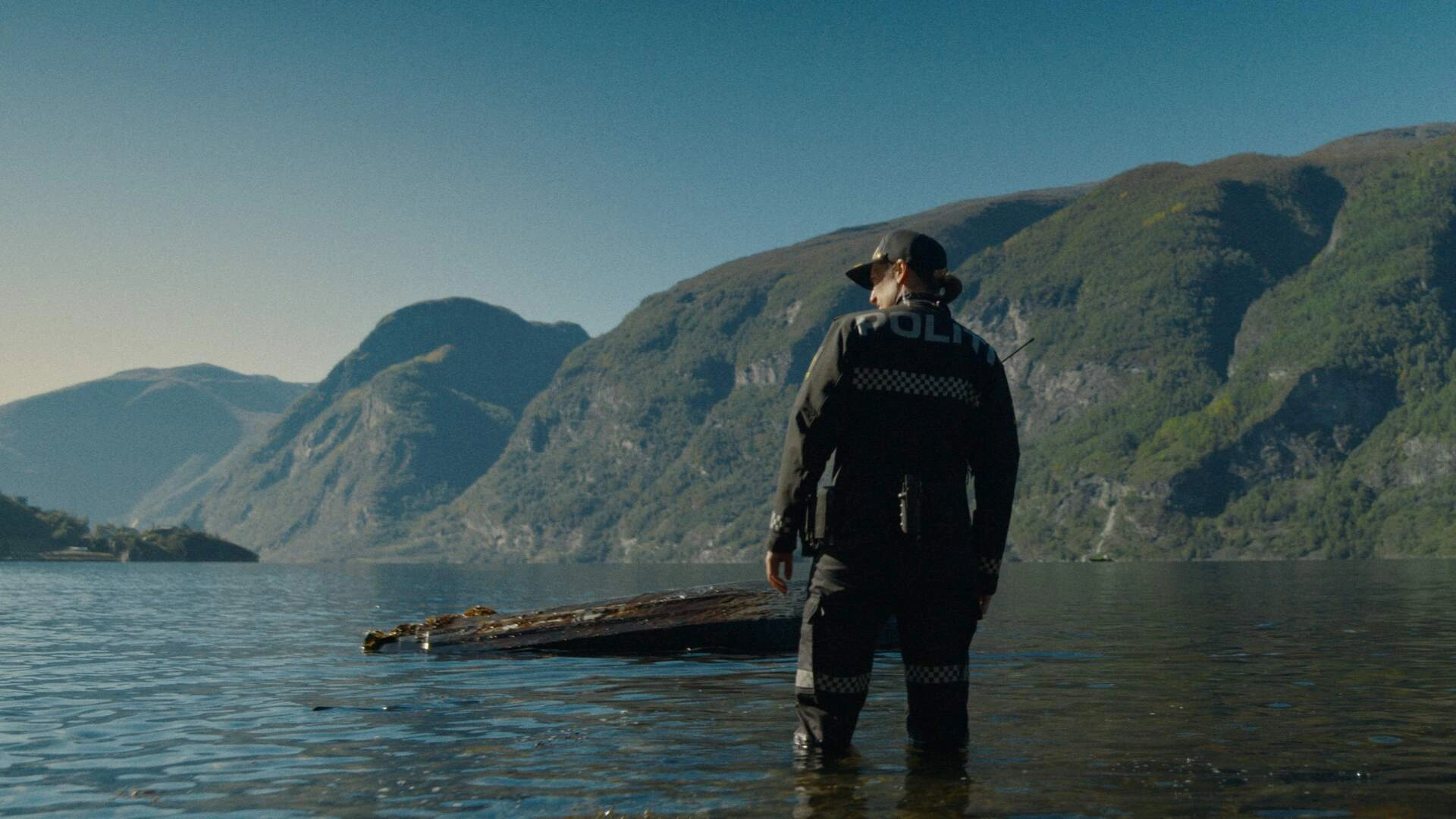
The calm, glassy skin of the Sognefjord appears peaceful, which is precisely why it feels suspicious. In this western reach of Norway, mountains fall hard into glacial water, and the landscape sells an old fantasy of permanence. The fjord looks ancient, pure, and self-correcting, the sort of place that corporate brochures adore. Under that polished Nordic surface, modern aquaculture has turned pristine scenery into camouflage.
The image of natural innocence becomes part of the sales pitch, a green halo placed above an extractive system that wants the moral look of cleanliness with the appetite of a factory. The film uses this geography as a pressure chamber, where the folklore of a sleeping leviathan collides with the efficient, antiseptic language of industrial food production.
Johanne Berg returns to these waters to examine a sudden run of abnormal salmon strandings. Her investigation soon becomes personal in a professional sense (the worst kind, because the paperwork has feelings). Her own scientific work has been absorbed into a commercial system and converted into a tool that harms the marine balance it was designed to protect.
The film sidesteps the familiar monster-movie ramp-up by locating its horror in routine greed, automated extraction, and technical arrogance. Corporate ambition pushes its machinery past sense, punctures the deep benthic zones of the fjord, and calls up a prehistoric force from the cold dark.
The Price of Salmon and the Mechanics of Exploitation
The plot runs on the “SonicLice” device, Johanne’s invention for treating parasitic infestations in farmed salmon through targeted acoustic frequencies. Its purpose is clean and specific: shake the pests loose without feeding toxic chemicals into the water column. That modest ecological design mutates once the regional aquaculture monopoly takes control of it.
Avaldsnes, the company patriarch, wants to impress a visiting group of Japanese investors, so he orders his engineers to push the acoustic output far beyond the approved safety limits. The temporary boost becomes a beacon. High-energy pressure waves rip through the fjord’s deepest trenches and disturb a habitat that has been sealed away for millennia.
Through this corporate setup, the film develops a sharp critique of the modern sustainability business and its scented fog of responsibility language. Avaldsnes comes across as a jovial, mustache-twirling local tycoon, a man who reads the fjord like a profit diagram with better lighting.
His presence exposes a structural hypocrisy: local enterprise claims ecological stewardship while bending to the demands of global capital. The script attacks the transactional mood of environmental politics, especially the quick moral amnesia that appears once a lucrative international handshake enters the room. The joke has acid in it. The sea receives the bill after every smiling claim about care, efficiency, and innovation.
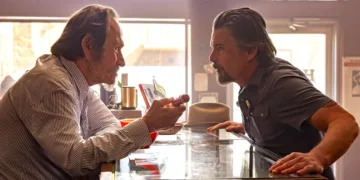
The screenplay widens that critique through domestic and ideological subplots tied to the aquaculture economy. Inside Avaldsnes’s home, his wife, Henriette, works as the local police officer while facing mysterious maritime disappearances. Their teenage daughter, Maria, secretly acts as a radical environmentalist.
The family split worsens when Maria brings in three well-meaning, painfully useless urban eco-warriors for a direct-action sabotage campaign against her father’s sea pens. At the same time, the film tracks Johanne’s unresolved romantic and professional past with Erik, her former colleague, who now handles the daily operations at the Vangsnes facility.
This packed design causes real friction across the second act. The script tries to manage too many human angles, and the tension occasionally sinks while minor household disputes and activist logistics claim screen time. Some stretches flirt with the rhythm of television melodrama, using predictable personal conflicts that soften the dread gathering beneath the waterline. Still, the fragmentation gains purpose in the final movement. Once the creature breaches the surface, the separated factions are pushed into shared physical danger, and their petty social quarrels shrink into the primitive math of survival.
Suspense in the Slow Lane
Pål Øie builds suspense through restraint, holding back the main monster for the first two-thirds of the runtime. He trusts suggestion, which feels almost radical in a genre culture trained to demand instant teeth. The audience is asked to stare at vast, empty water where danger exists first as thought, then as vibration, then as dread. By fixing attention on shifting currents, stray debris, and the scale of the surrounding rock, the film turns the Sognefjord into psychological pressure.
The choice asks for patience and channels the film toward a creeping atmospheric unease. Some viewers may find the delay stubborn. I found it useful, then irritating, then useful again, which may be the most honest response to a film so committed to making water do psychological labor.
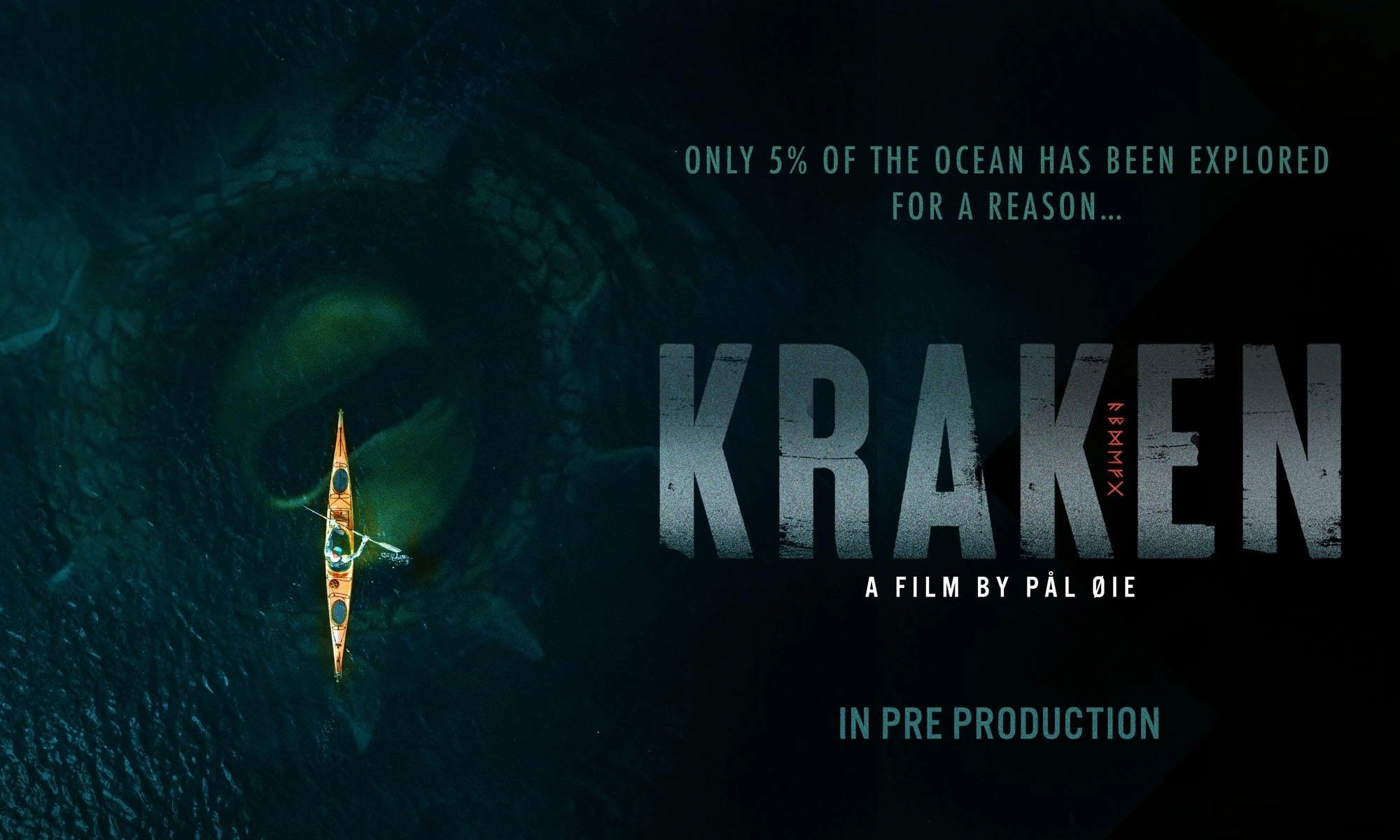
The early set-pieces establish that threat without presenting the creature’s body. The prologue’s violent disappearance of two jet-skiers sets a lethal baseline, with a huge underwater vortex hinting at the scale below. Later, a routine kayak trip across the fjord becomes one of the film’s most anxious passages. The camera stays at water level, trapping the viewer in the same exposed position as the characters. A recreational maneuver becomes a survival test. These sequences understand spatial isolation. Open beauty can squeeze the nerves like a locked room.
The film keeps an odd tonal balance, moving among ecological warning, survival horror, and dry regional humor. Its dialogue repeatedly pricks the vanity of wealthy characters, using flat, understated delivery as panic rises around them. That deadpan style prevents the film from becoming a sermon in rain gear. It also lets the narrative admit its B-movie ancestry without drowning in winks. The result is a curious tonal animal: intellectually alert in one scene, cheerfully pulpy in the next, occasionally both within the same gulp of seawater.
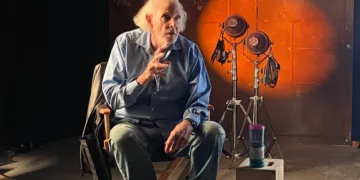
The pacing follows this tonal pattern by splitting the film into two clear movements. A moody, archival-style prologue creates a historical frame of maritime mystery, then the story shifts into a careful, slow investigation. The film studies the routines of the fish farm and grounds the premise in technical realism before the fantasy element takes command. In the final act, that restraint drops away. Øie lets the film become a chaotic, action-driven creature feature, and the monster finally occupies the screen with total authority.
High Tech, High Contrast, and Cephalopod Constraints
The film’s visual grammar depends on Sjur Aarthun’s widescreen framing, which turns the Norwegian landscape into an active force within the horror. The camera often retreats into extreme wide shots, shrinking human structures and boats into frail marks against rock walls and deep water.
Dolby Vision Cinema mastering gives the image crisp contrast and captures fine changes of light on the fjord’s surface. Bird’s-eye shots follow characters from impossible heights, and stylized lens flares slice across the frame, adding glossy studio polish against the grim underwater imagery.
That visual force is matched by the acoustic design from Hugo Ekornes and Joakim Væhle Bjerknæs. Low-frequency rumbles and mechanical hums echo the sonic delousing device, creating a sense of physical pressure that parallels the suffering of marine life. As the creature draws near, the soundscape shifts toward a blend of industrial noise and organic clicks moving through the water. Roy Westad’s heavy orchestral score intensifies that pressure. The music avoids clear melodic themes and favors textured, rhythmic arrangements that announce violence before the image confirms it.
The creature design mixes polished digital craft with old-school creature-feature biology. The leviathan appears as a huge, multi-armed cephalopod with rough, scarred skin that suggests centuries of isolation in the deep. The visual effects team gives it convincing scale by anchoring the digital body in real environments, allowing its movement to displace water and interact with physical props. The story also introduces aggressive, sharp-toothed parasites that scuttle away from the main beast. They bring close-quarters body horror to the shoreline, a nasty little counterpoint to the giant attacks in open water.
A visible gap appears between the strongest technical work and the physical demands of the action choreography. Static images and slower sequences can stand beside major Hollywood studio spectacle. During fast, violent encounters, the digital effects show strain. When the monster attacks industrial infrastructure, the giant tentacles sometimes move with too little resistance, losing mass and revealing the film’s budget limits. These flashes of inconsistency break the spell for a moment. One can almost hear the pixels breathing hard.
Grounded Leads and Paper-Thin Archetypes
Sara Khorami anchors the human side of the film through a grounded, authoritative performance as Johanne. She treats the environmental stakes and scientific reality of the crisis with total sincerity, which keeps the stranger horror material connected to lived urgency. Khorami gives Johanne calm internal focus and practical intelligence as chaos grows. Her restraint becomes essential, allowing the film to move from corporate satire into monster violence without emotional whiplash.
That steadiness carries into her screen partnership with Mikkel Bratt Silset, whose low-key work balances the louder and stranger figures around him. The naturalistic banter between Khorami and Silset suggests a difficult history of professional triumphs and personal disappointments without clumsy exposition. Their quiet chemistry gives the film its most believable human thread, a brief patch of emotional credibility amid corporate appetite and digital wreckage.
The supporting cast receives thinner material. The crowded script pushes many secondary figures into clear functional types, leaving performers with little space beyond basic plot duty. The eco-activists remain irritating and ineffective, and the corporate loyalists are drawn in broad, unsympathetic strokes that mark them for removal long before the creature appears. These character limits cost the film some dramatic density.
The social conflicts around industry, ecology, family, and money could have carried greater moral complexity. Here, too often, they become a genre-board exercise, with paper figures cleared away by tentacle, tooth, or the old cinematic mercy of bad decisions. The loss matters because the film clearly understands the political charge of its premise. Its weakest people feel schematic. Its strongest ideas feel alive.
The Norwegian creature feature Kraken premiered earlier this year at the Göteborg Film Festival on January 23, 2026, followed by a theatrical roll-out across international territories. For audiences looking to watch the film, it is currently rolling out globally via its designated regional partners, handling digital video-on-demand and theatrical distribution through Samuel Goldwyn Films in North America and Signature Entertainment in the United Kingdom.
Where to Watch Kraken (2026) Online



Full Credits
Title: Kraken
Distributor: Samuel Goldwyn Films, Signature Entertainment, Splendid Film, Mediawan Rights, Youplanet Pictures
Release date: January 23, 2026
Running time: 100 minutes
Director: Pål Øie
Writers: Vilde Eide, Kjersti Helen Rasmussen, Natasha Arthur
Producers and Executive Producers: John Einar Hagen, Einar Loftesnes, Vindhya Sagar
Cast: Sara Khorami, Mikkel Bratt Silset, Ingvild Holthe Bygdnes, Øyvind Brandtzæg, Jenny Evensen, Steinar Klouman Hallert, Filip Bargee Ramberg, Jon Erik Myre
Director of Photography (Cinematographer): Sjur Aarthun
Editors: Sjur Aarthun
Composer: Roy Westad
The Review
Kraken
Pål Øie’s maritime thriller succeeds as a beautifully atmospheric genre piece that effectively anchors mythological horror within contemporary corporate anxieties. The film handles its slow-burning tension with admirable skill, transforming the deep waters into a psychological weight. However, the production remains restricted by its crowded script, leaving the secondary characters thin and the rapid action sequences visually inconsistent. Viewers seeking structural innovation will notice the familiar B-movie choices, yet the impressive landscape framing and grounded lead performance offer a rewarding cinematic experience. It is an enjoyable creature feature that balances green corporate satire with old-school monster spectacle.
PROS
- The deliberate choice to withhold the primary monster creates a genuine sense of unease through the first two-thirds of the film.
- The super-widescreen cinematography and crisp mastering transform the natural landscapes into an imposing, high-contrast character.
- Sara Khorami and Mikkel Bratt Silset provide a credible emotional anchor, balancing the eccentric horror concepts.
- The soundscapes effectively use low-frequency mechanical hums to build physical tension that mirrors the narrative stakes.
- The addition of aggressive, sharp-toothed parasites introduces visceral, close-quarters body horror along the shoreline.
CONS
- A crowded ensemble cast creates structural pacing stalls and unnecessary logic gaps throughout the middle chapter.
- The supporting characters remain flat archetypes designed primarily to serve the plot or function as creature fodder.
- The digital effects show significant strain during rapid, high-intensity action sequences, exposing budgetary limitations.
- Intrigued setups, like the archival eyewitness testimony from the prologue, are discarded as the film transitions into action.
- The narrative structural elements borrow heavily from established disaster and monster film templates without introducing major surprises.