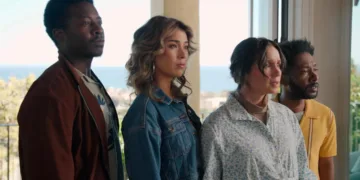


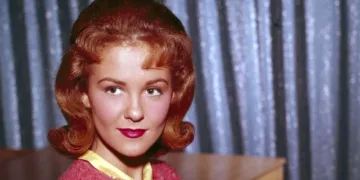
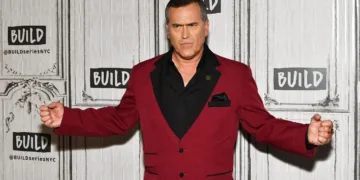

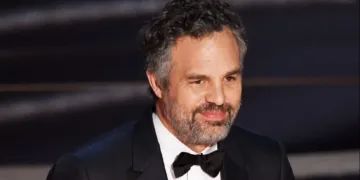










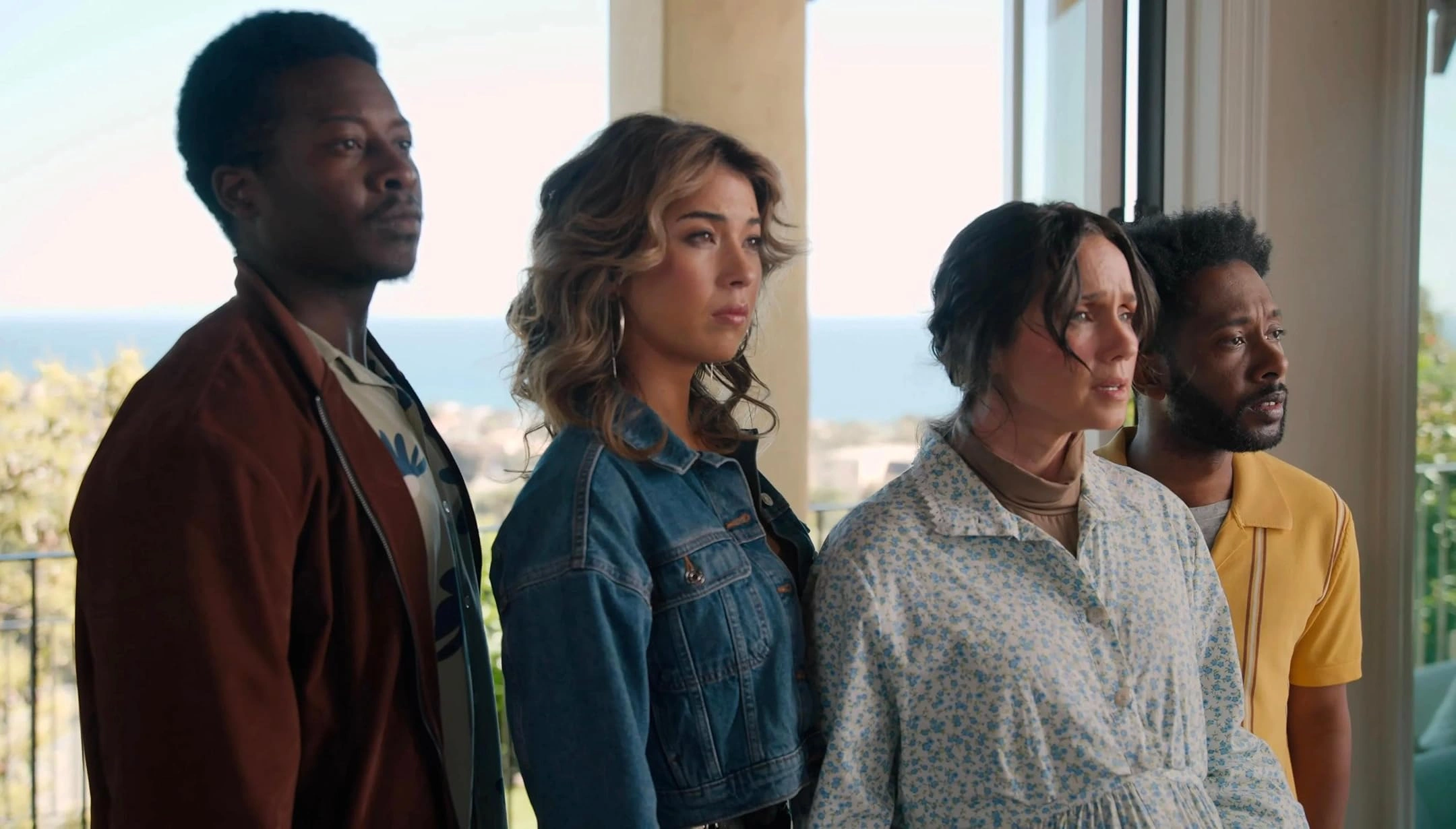

Micro Budget treats independent filmmaking as a survival exercise with catering, unpaid labor, and one man’s ego standing where a production plan should be. Morgan Evans’s mockumentary follows Terry, an inexperienced filmmaker from Iowa who relocates to Los Angeles with his heavily pregnant wife, Erica, to shoot Untitled Meteor Movie inside a rented Airbnb. His chosen subject is the destruction of Toronto by meteor, a premise so wildly mismatched to his resources that it almost feels like a moral test. Terry fails early. Then he keeps failing with confidence.
His cousin Devin films the behind-the-scenes documentary, giving the movie its deadpan observational frame. Through that lens, Terry’s dream curdles into something funnier and uglier: a portrait of ambition stripped of craft, leadership stripped of empathy, and optimism divorced from evidence. Everyone on set can feel disaster approaching. Terry thinks it is called cinema. The gap between those two realities is where the film finds its sharpest comedy.
The Mockumentary as a Pressure Cooker
The story in Micro Budget advances through accumulation. One foolish choice leads to another, then another, until the set feels less like a workplace than a low-grade hostage situation with boom mics. Terry insists on shooting in script order, dodges basic questions about money, misunderstands production logistics, and treats morale as something that can be postponed until after lunch. Lunch, naturally, is another problem.
The mockumentary structure gives Evans a flexible instrument for humiliation. The camera catches whispered grievances, stiff smiles, private interviews, and the small facial collapses people try to hide when they realize the director has no idea what he is doing. This style draws from workplace comedy and classic mockumentary form, yet the film’s energy tilts toward a modern anxiety: everyone is performing competence for a camera that may incriminate them later.
There is a faint noir logic to the setup, funny as that may sound. The Airbnb becomes a sealed chamber of bad motives. Desire, greed, insecurity, and self-deception press against the walls. Terry’s fantasy of selling cheap content to a streamer gives the satire its ethical sting. He speaks the language of opportunity, yet his choices expose a grayer instinct: use people now, explain later. Free will exists here, sadly. People keep choosing to stay.
Ego, Exhaustion, and the Comedy of Self-Deception
Patrick Noth plays Terry as a man with the dangerous serenity of someone who has never been corrected enough. He is foolish, vain, jealous, and oddly persuasive in the way disasters sometimes are. His attraction to Jenny, his resentment toward Garry, and his frantic attempts to control their chemistry reveal the film’s most absurd psychological thread. Terry wants to direct the frame, the actors, the mood, and finally reality itself. Reality declines the offer.
Also Read






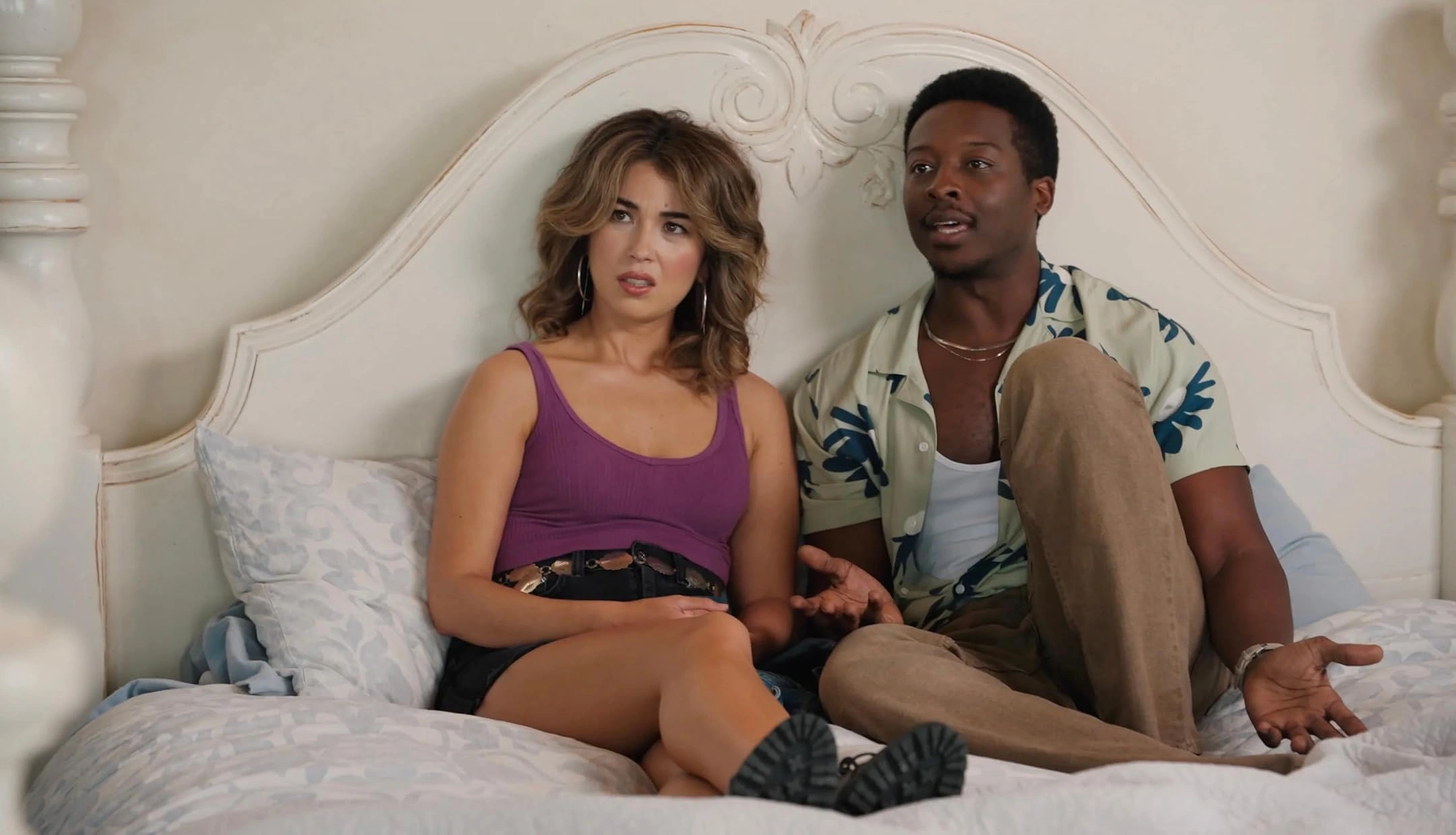
Emilea Wilson gives Erica the film’s emotional weight. Pregnant, exhausted, and still trying to support her husband’s dream, she becomes the human cost of Terry’s self-mythology. Her scenes sharpen the comedy by placing it near something painful. She cleans, cooks, helps, waits, and absorbs indignities that Terry barely notices. The film never needs to overstate her position. Her body in the room says enough.
The ensemble gives the movie its nervous rhythm. Chris, the assistant director, understands the scale of the collapse but lacks the power to stop it. Jasmine, trapped in the craft services nightmare, turns the food budget into an existential insult. Jenny and Garry generate easy chemistry, which Terry processes as a personal attack. Rick, the VFX artist, brings a glorious cheapness to the meteor catastrophe, with effects that suggest Clip Art having a spiritual crisis.
Then there is the intimacy coordinator, a comic grenade tossed into an already unsafe room. The scene works because it pushes professional language into grotesque farce. The laughter is broad, yes, yet the target remains precise: sets often invent procedures after the damage has begun. The film knows this. It smirks politely.
Cramped Frames and Controlled Chaos
Evans directs Micro Budget with a useful looseness. The film feels improvised around the edges, yet the comic movement is carefully shaped. Situations build, pause, sour, and restart with the rhythm of a set that cannot afford to stop. The single location matters. The Airbnb becomes workplace, dormitory, prison, and collapsing dream factory, depending on which doorway the camera peers through.
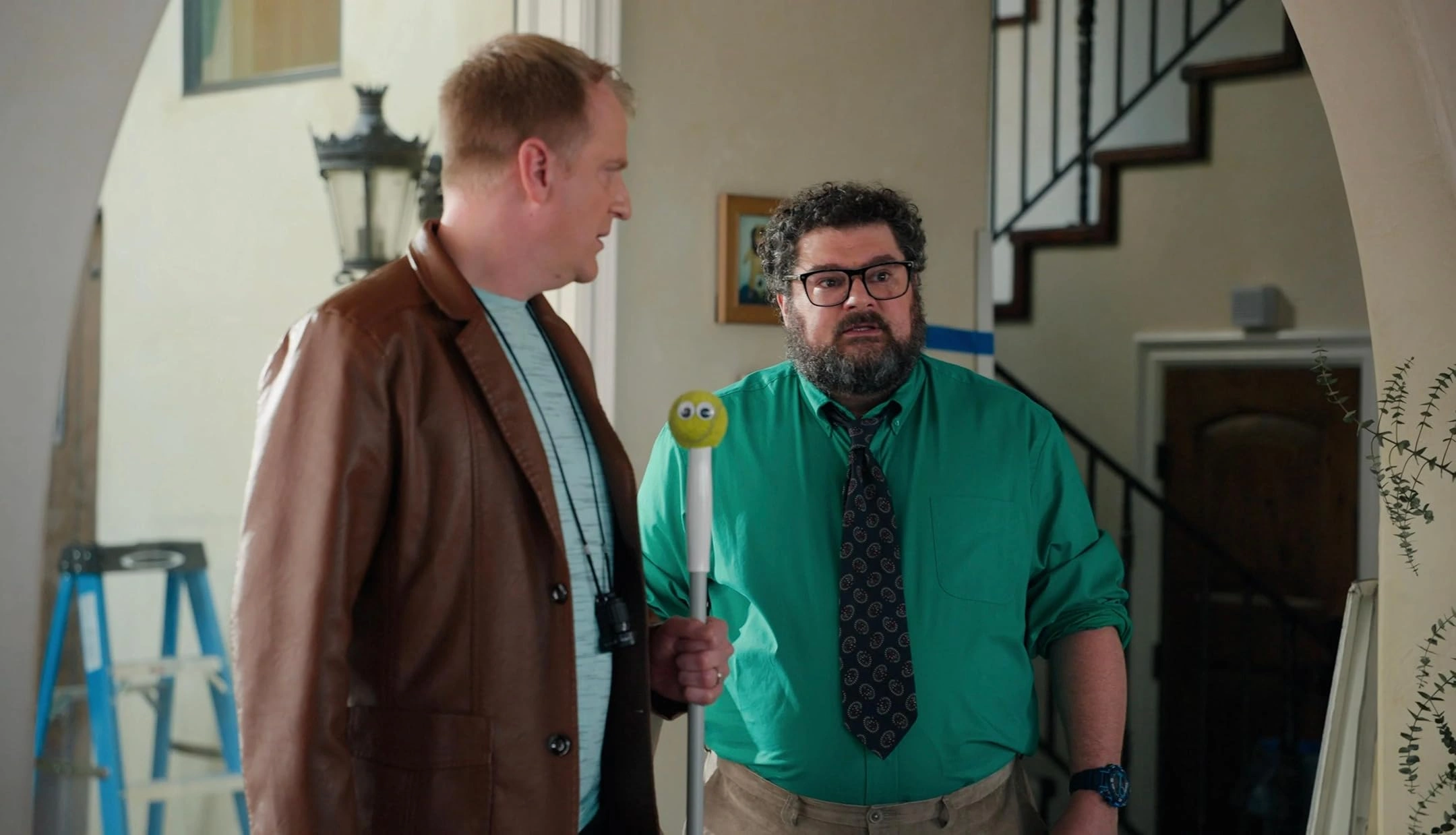
Jonathan Michael Mahoney’s cinematography leans into constriction. Tight framing, crowded rooms, doorframe compositions, and cramped angles turn ordinary domestic space into a visual trap. The style mimics a behind-the-scenes featurette, so the images often appear plain by design, yet the framing keeps finding small pockets of tension. Faces are caught at the moment politeness dies. Bodies cluster in hallways. Conversations happen in corners because there is nowhere else to put shame.
The lighting avoids noir’s heavy chiaroscuro in any literal sense, yet the film borrows noir’s moral architecture. People are exposed under flat practical light, which may be crueler. No shadow can flatter Terry for long. The production design does similar work through shabby details: cardboard light blockers, pathetic food, improvised workspaces, and the constant visual insult of a tiny set pretending it can host planetary annihilation.
The pacing is fast, sometimes breathless, with a few comic beats that land softer than the strongest scenes. That unevenness fits the texture of the film. Micro Budget turns a terrible shoot into a brisk, acidic comedy about ego, desperation, and the strange faith required to make art under conditions that strongly suggest doing literally anything else.
Micro Budget is an American comedy mockumentary directed by Morgan Evans and written by Evans with Patrick Noth. The film premiered at the Sidewalk Film Festival on August 24, 2024, before receiving a limited theatrical release through Factory 25 on February 28, 2026. It later became available worldwide on digital VOD on March 10, 2026, with free ad-supported streaming on Tubi. The film follows Terry, an aspiring filmmaker who moves from Iowa to Los Angeles with his nine-months-pregnant wife to shoot a disaster movie inside a rented Airbnb, turning a dream production into a chaotic study of ego, bad planning, and no-budget filmmaking panic.
Where to Watch Micro Budget (2026) Online









Full Credits
- Title: Micro Budget
- Distributor: Factory 25
- Release date: August 24, 2024, Sidewalk Film Festival; February 28, 2026, limited theatrical release; March 10, 2026, digital VOD
- Running time: 88 minutes
- Director: Morgan Evans
- Writers: Morgan Evans, Patrick Noth
- Producers and Executive Producers: Rob Hatch-Miller, Puloma Basu, Morgan Evans, Patrick Noth, Emilea Wilson; Executive Producers not publicly listed
- Cast: Brandon Micheal Hall, Patrick Noth, Emilea Wilson, Nichole Sakura, Jordan Rock, Jon Gabrus, Bobby Moynihan, Hal Linden, Neil Casey, Maria Bamford, Mike Mitchell, Don Fanelli, Nate Fernald, Morgan Evans, Kate Flannery, Matt McCoy, Chris Parnell, Carla Jimenez
- Director of Photography (Cinematographer): Jonathan Michael Mahoney
- Editors: Benjamin Moses Smith
- Composer: Crisanta Baker
The Review
Micro Budget
Micro Budget is a sharp, anxious, and very funny mockumentary about filmmaking as ego management under fluorescent despair. Its best moments come from the clash between Terry’s delusion and the crew’s visible fatigue, with cramped visual design and strong comic timing turning one Airbnb into a small moral crime scene. A few jokes land softer than others, yet the film’s confidence, ensemble work, and satirical bite make it a smart comedy about bad leadership and creative desperation.
PROS
- Strong mockumentary structure
- Excellent ensemble chemistry
- Sharp satire of low-budget filmmaking
- Funny use of cramped locations
- Erica gives the story emotional weight
- Terry is painfully effective as a comic disaster
CONS
- Some jokes feel less sharp
- Cringe comedy may test some viewers
- A few side bits could be tighter
- Terry’s awfulness can become exhausting