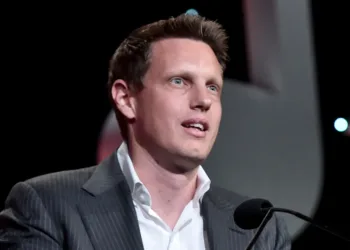




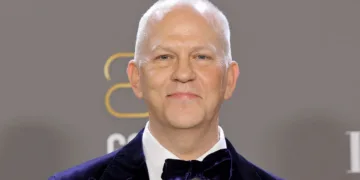





















Ari Emanuel, the TKO Group chief executive and former Endeavor chairman, published an opinion piece in The Wall Street Journal on Tuesday urging a coalition of state attorneys general to abandon their antitrust lawsuit against Paramount Skydance’s proposed acquisition of Warner Bros. Discovery. Emanuel argued the states, in trying to protect competition, risk undermining it instead.
“They say they are protecting competition. Their actions threaten to destroy it,” Emanuel wrote, calling the legal challenge “trash” for what he described as ignoring major rivals already reshaping the industry. He pointed to Amazon MGM, A24, Lionsgate and Netflix as fast-growing competitors the states’ complaint fails to account for, noting Netflix’s coming theatrical release of Greta Gerwig’s “Narnia: The Magician’s Nephew” as evidence the streamer is expanding further into film exhibition.
California Attorney General Rob Bonta leads the group of 12 state attorneys general who filed suit to block the $110.9 billion deal, arguing the combined company would hold an outsized share of both theatrical film distribution and basic cable programming. Paramount has agreed to delay closing the transaction until five days after a trial concludes or June 1, 2027, whichever comes first, a pause that could push the merger’s completion well into next year. Shareholders had already approved the deal before the litigation intervened.
Emanuel disputed the states’ estimate that a combined Paramount-Warner Bros. would control 27 percent of feature-film box office, writing that the figure alone does not establish reduced competition. He also cited Paramount chief David Ellison’s pledge to release at least 30 films theatrically each year with a minimum 45-day exclusive window, calling that commitment inconsistent with an intent to restrict distribution.
Emanuel noted that regulators in the European Union, whom he described as notably strict, have already cleared the deal. He further argued that Warner Bros. Discovery’s financial position, which he said included $29 billion in net debt and declining revenue at the end of 2025, makes continued independent investment in film and television unlikely regardless of the litigation’s outcome.
The merger has drawn opposition well beyond the state attorneys general. The Writers Guild of America has filed its own suit, arguing the combination would reduce job opportunities and bargaining leverage for writers. Actors including Benedict Cumberbatch have also spoken out publicly against the deal, warning of the consequences of further consolidation among major studios.