

















Hasuya can read people well enough to ruin their lives, yet Sister Other Paranoia keeps asking if he understands any of them. That distinction is where HazeDenki’s psychological horror visual novel finds its sharpest idea. Written and directed by Nyalra, the scenario writer behind NEEDY STREAMER OVERLOAD, the game follows a literature student, convenience-store employee, and newly published light novelist whose sensitivity to other people’s thoughts has curdled into outright contempt.
The prologue establishes how dangerous that contempt can become. After a classmate upsets Hasuya’s younger sister Sahana by telling her she should return to school, Hasuya identifies the boy’s insecurities and deliberately attacks them until the confrontation contributes to his suicide. The scene establishes a pattern that drives almost everything afterward: Hasuya sees emotional weaknesses with extraordinary clarity, then interprets that clarity as permission to judge.
His newcomer writing award makes isolation harder. College acquaintances, coworkers, family members, and literary peers suddenly appear loaded with envy or self-interest. Hasuya turns those impressions into material for his next novel, creating an ugly little feedback loop where every unpleasant interaction becomes evidence that his misanthropy was correct.
The Unreliable Man Inside the Panopticon
The five major character scenarios give that feedback loop a useful structure. Hiyakawa, Hasuya’s senior in the literary world, challenges his artistic ego. Dokudami gives his workplace resentment a target. Igusa connects him with his high-school past. Tenjiku Botan becomes another subject for his invasive interpretation, while the deteriorating relationship between Hasuya’s parents brings the same suspicion into his home.
Each arc contains four chapters, and the strongest moments occur when somebody behaves in a way Hasuya did not predict. For someone convinced that other people can be reduced to concealed motives, surprise is a mechanical failure in his worldview. The game repeatedly exploits it.
The problem is that Hasuya’s internal monologues can overwhelm those contradictions. He quotes Dostoevsky, discusses philosophy, attacks social conformity, and frames social media as a panopticon where everyone watches everyone else. The panopticon comparison is especially effective because Hasuya imagines himself standing in the guard tower, observing everyone’s concealed ugliness while rarely considering what constant observation has done to him.
Also Read
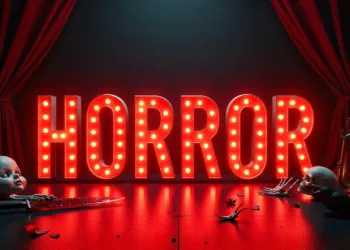




Sahana is positioned outside this system. Between scenario chapters, Hasuya returns home and talks through his experiences with her. She asks questions that expose weaknesses in his reasoning without directly prescribing answers. These exchanges give the player breathing room, yet Sahana herself remains curiously thin. Hasuya constantly describes her as exceptionally intelligent, but the game offers few independent actions that demonstrate it. His idealization can be read as part of his unreliability, yet the relationship still needs a scene where her supposed brilliance materially changes something.
Plenty to Click, Very Little to Change
Mechanically, Sister Other Paranoia sits close to the kinetic-novel end of visual novels. Most of the experience consists of reading, with occasional inspection prompts and dialogue selections interrupting the text. Players can choose which scenario to pursue at checkpoints, but freedom over sequence should not be confused with freedom over consequence.
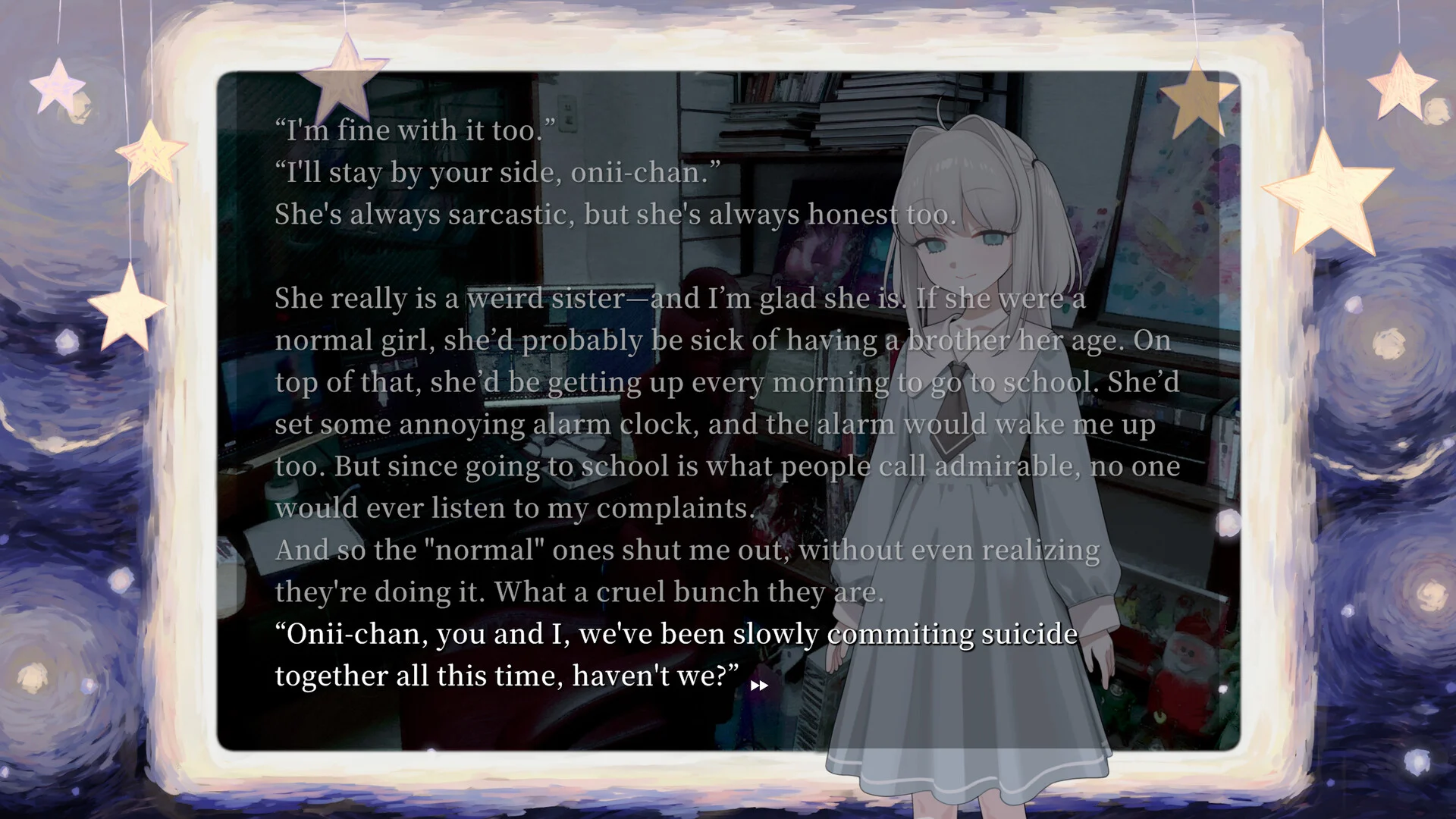
Many dialogue prompts simply determine which line Hasuya says first. Pick another option afterward and he will eventually say that too. The system gives you a menu without giving you much authorship.
Hiyakawa’s route contains the best exception. At one point, the game lets you type an insult instead of choosing from prepared responses. It is a tiny interaction, yet it fits the relationship perfectly. Both characters inhabit literary circles, Hasuya has already spent chapters privately dissecting Hiyakawa, and suddenly the interface allows the player to participate directly in that hostility. Even then, the entered text does not redirect the route.
Only a few decisions lead to premature endings. The primary path remains tightly controlled, eventually opening a hidden true ending that depends less on transforming Hasuya through player choice than on forcing him to remain inside his worldview until its contradictions become impossible to ignore. That rigidity weakens replay value, but it suits a protagonist whose great flaw is his conviction that every person already has a predetermined explanation.
Paranoia Written Across the Screen
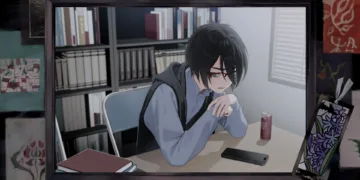
The interface does much of the psychological work the branching system avoids. Text fills most of the screen in NVL format, while borders, backgrounds, shadows, and recurring symbols change around it. Hasuya’s mind-reading is represented through eyes that become increasingly hostile visual objects. Certain selections turn them red, converting a simple choice prompt into something closer to an act of intrusion.
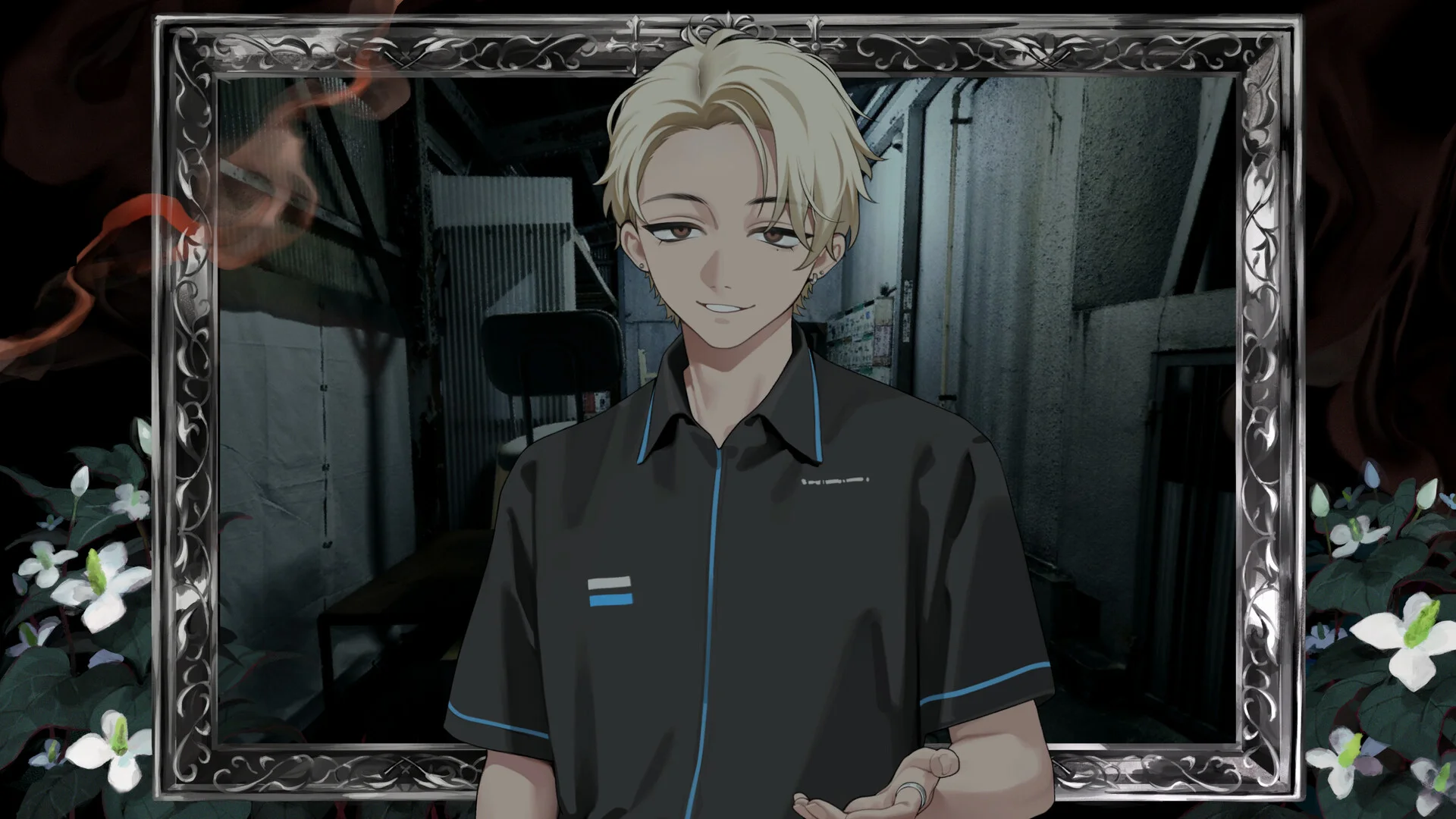
Individual scenarios receive their own visual identities. Igusa’s chapters use caterpillar and butterfly imagery alongside literary references, preparing the player for his thematic direction before Hasuya explains it. Those motifs give the character arcs a vocabulary beyond dialogue, which matters in a game whose narrator rarely knows when to stop talking.
Ohisashiburi’s 20 CG illustrations carry the same burden. Lighting and shadow place characters differently within Hasuya’s perception, while brief gore punctures otherwise static compositions. Five guest-artist animations appear around Sahana’s interludes, giving those quieter conversations a distinct rhythm from the character routes.
Aiobahn’s 14-track score supplies the final piece. Bright electronic melodies frequently sit underneath discussions of alienation, suicide, resentment, and emotional collapse. The mismatch works because it refuses to score Hasuya’s misery in the expected register. A cheerful track playing beneath one of his increasingly poisonous observations can make the scene feel less stable than conventional horror music would.
The game is at its strongest in those moments, when an eye turns red, a border shifts, a piece of music feels strangely cheerful, and Hasuya’s supposedly perfect reading of another person begins to look like the least trustworthy system on the screen.
The Review
Sister Other Paranoia
Sister Other Paranoia works best when its limited interaction reinforces Hasuya’s inability to escape his own perspective. The eye-based interface, typed insult sequence, symbolic character imagery, and dissonant score turn observation into psychological pressure. Its choices rarely reshape events, Sahana feels underwritten, and Hasuya’s monologues can smother the pacing. Still, the true route gives those rigid systems a purpose by exposing how thoroughly Hasuya has mistaken judgment for understanding.
PROS
- Strong eye-based interface design
- Effective symbolic imagery
- Memorable electronic score
- Hasuya’s unreliable perspective
- Clever Hiyakawa interaction
CONS
- Limited meaningful choice
- Overlong internal monologues
- Sahana lacks development
- Brief true-ending payoff