





















John C. Lilly feels like a figure created from several different cultural traditions colliding at once. He was a trained American scientist, yet his later work carried the spirit of psychedelic philosophy, science fiction speculation, and New Age spirituality. John Lilly and the Earth Coincidence Control Office understands that this contradiction is the reason his story still travels. Directors Michael Almereyda and Courtney Stephens are less interested in proving Lilly right or wrong than examining how one person’s ideas moved from laboratories into films, activism, music, and games.
The documentary presents Lilly as someone standing between established science and alternative movements. His research into dolphins placed him within a long history of humans searching for communication with other forms of life, a theme shared by science fiction across cultures. His belief that dolphins could reveal another form of intelligence connected marine biology with humanity’s oldest questions about whether we are alone.
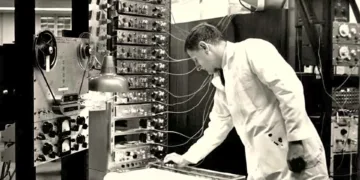
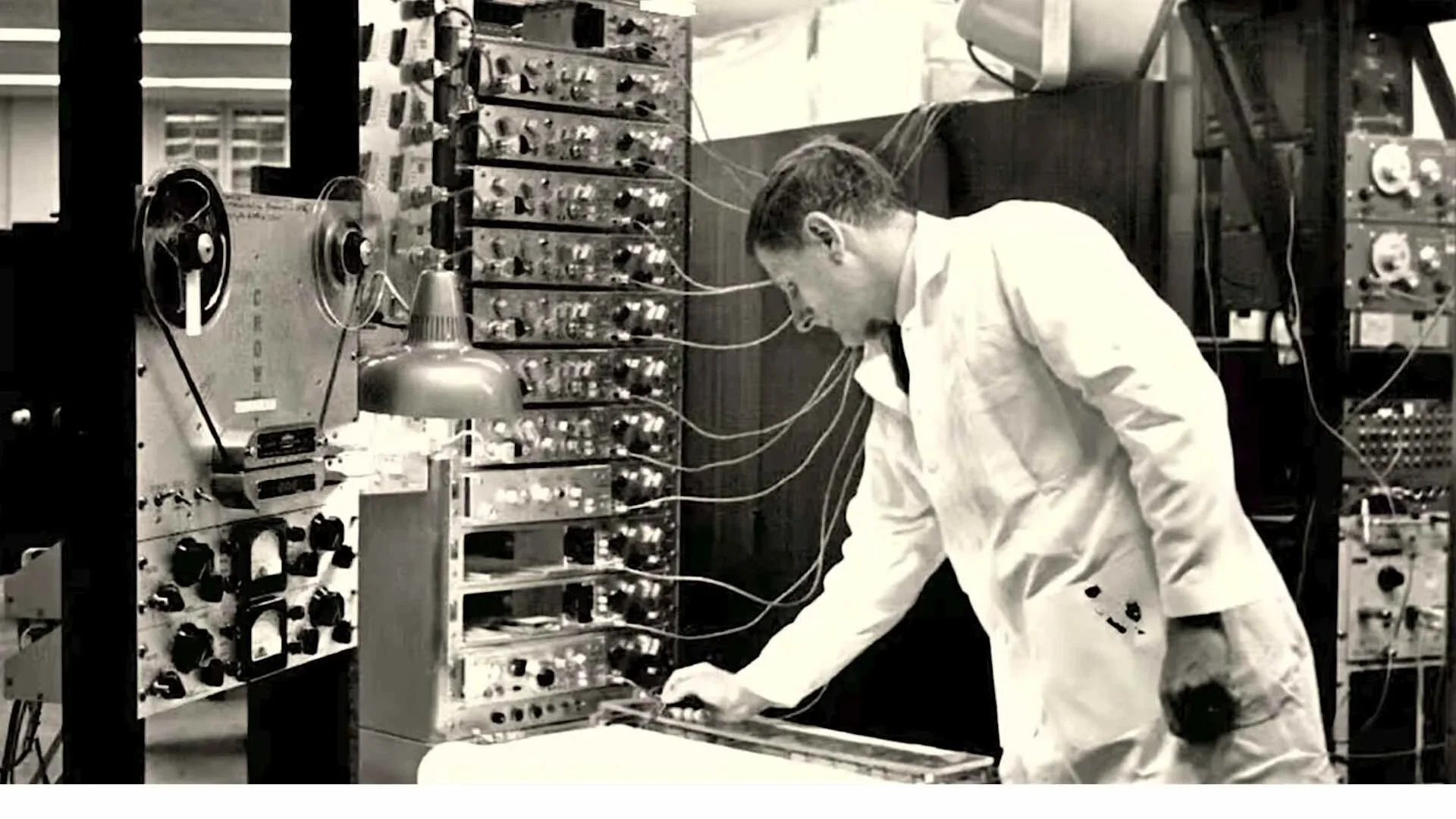
The film’s archival approach captures this strange mixture. Chloë Sevigny’s narration remains calm while Lilly’s life moves from government-funded research to experiments with altered consciousness. That contrast creates a distance that allows the viewer to study Lilly as both scientist and cultural symbol.
From Laboratory Research to Counterculture Icon
The documentary’s strongest sections examine how Lilly’s scientific interests transformed into a personal philosophy. His invention of the isolation tank in 1953 represents a fascinating meeting point between technology and introspection. A device created for studying consciousness became a tool for exploring the mind itself.
This movement from external research to internal discovery reflects a larger cultural shift. The 1950s scientific world Lilly entered valued measurement and control, while the counterculture movements of the 1960s questioned traditional ideas about reality and human potential. Lilly eventually occupied both spaces, carrying laboratory methods into psychedelic exploration.
The documentary compares Lilly’s influence with figures from literature and cinema who explored similar questions. His ideas inspired works such as Altered States and The Day of the Dolphin, while his institute’s name influenced Ecco the Dolphin. These connections show how American counterculture crossed into global entertainment, transforming a researcher’s theories into shared cultural imagery.
Also Read





Yet the film never presents this transition as simple progress. Lilly’s search for new knowledge often existed beside questionable choices. The same curiosity that pushed him toward discovery also led him into experiments where imagination sometimes replaced scientific discipline.
The Dolphin Question
Lilly’s relationship with dolphins remains the documentary’s most fascinating and troubling subject. His desire to communicate with another species carries a universal appeal. Across cultures, myths and stories have imagined communication between humans and animals as a path toward understanding nature. Lilly attempted to make that idea scientific.
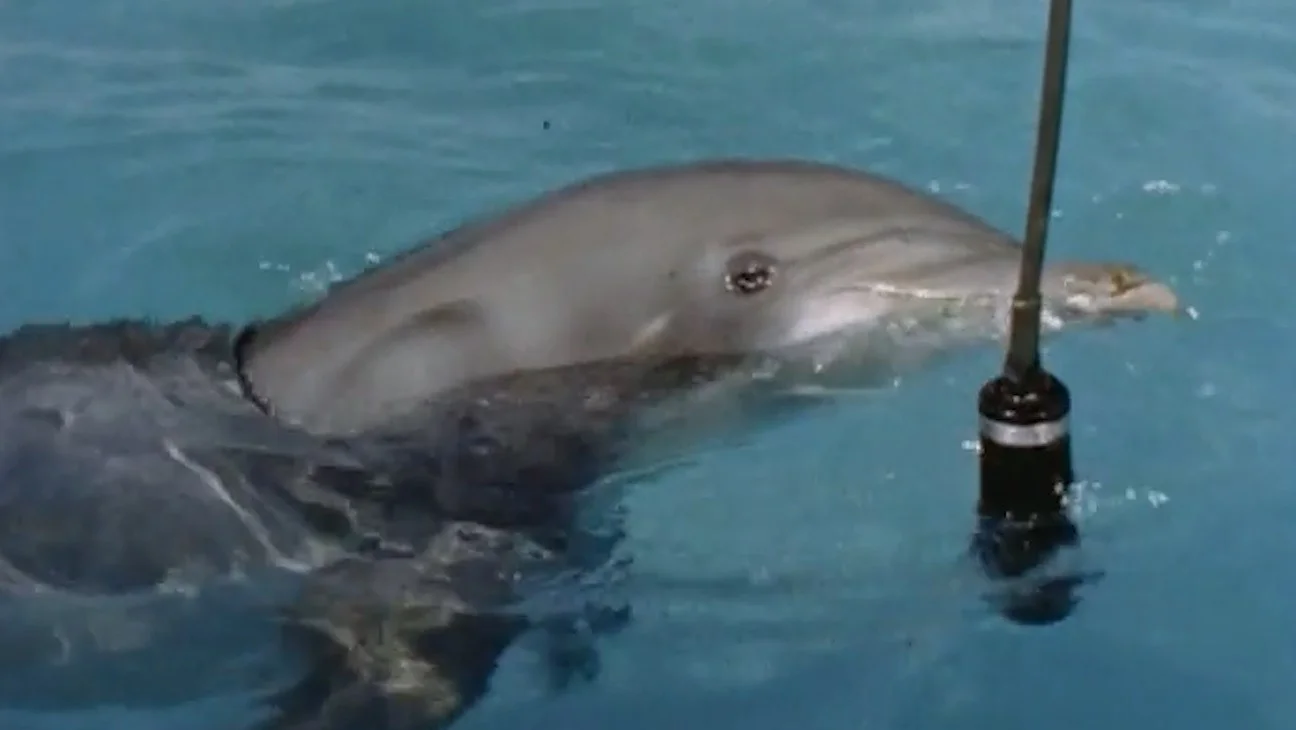
His researchers studied dolphin sounds and attempted to create communication through repeated vocal experiments. Lilly believed dolphins possessed intelligence that humans had failed to recognize. The documentary shows how these ideas influenced public attitudes toward marine life and helped shape environmental awareness.
The ethical problems are impossible to ignore. Dolphins were kept in captivity, exposed to experiments, and harmed through Lilly’s methods. The film examines the contradiction between his respect for dolphins as intelligent beings and his treatment of them as research subjects. Five of the eight dolphins kept at his laboratory died, a reality that challenges the romantic image of Lilly as a pioneer of animal understanding.
This tension gives the documentary its most interesting cultural question. Can an idea create positive change when the person who develops it fails to live by its implications? Lilly helped many people see dolphins differently, yet his own relationship with those animals remained deeply complicated.
A Global Legacy of Strange Ideas
The documentary’s approach resembles Lilly’s own thinking: it follows connections across different fields rather than staying within one discipline. Science, environmental activism, cinema, and gaming all meet inside his story. His influence reached audiences who may have never heard his name but encountered versions of his ideas through popular culture.
That movement between worlds gives the film its value. Lilly represents a specific period when scientific exploration and artistic experimentation often shared the same spaces. His theories about consciousness and communication found audiences far beyond research institutions because they touched a universal fascination with hidden possibilities.
The film’s collage structure sometimes struggles with the sheer amount of material surrounding Lilly. His life contains enough unusual events for several documentaries, and the rapid movement between subjects can leave some ideas underdeveloped. Still, the approach reflects the unusual nature of its subject. Lilly was never a simple figure to categorize.
What remains is a portrait of a man who searched for connection through every available direction, from ocean depths to altered states of mind. His methods invite criticism, yet his questions continue appearing in different cultures and artistic forms. The mystery he pursued was not only about dolphins or distant intelligence. It was about humanity trying to understand its place among other forms of existence.
John Lilly and the Earth Coincidence Control Office premiered in New York City on March 27, 2026, through distributor Oscilloscope, with streaming availability following on select digital platforms. This documentary explores the eccentric life and pioneering mind of neuroscientist John C. Lilly, tracking his research into sensory deprivation tanks, animal communication, and psychedelic consciousness.
Where to Watch John Lilly and the Earth Coincidence Control Office (2025) Online






Full Credits
Title: John Lilly and the Earth Coincidence Control Office
Distributor: Oscilloscope
Release date: March 27, 2026
Rating: Not Rated
Running time: 1 hour 29 minutes
Director: Michael Almereyda, Courtney Stephens
Writers: Michael Almereyda, Courtney Stephens
Producers and Executive Producers: Michael Almereyda, Taylor Hess, Jesse Miller, Courtney Stephens
Cast: Chloë Sevigny, Alejandro Jodorowsky, Allen Ginsberg, Timothy Leary, Scott McVay, Hella McVay
Director of Photography (Cinematographer): Not publicly specified
Editors: Max Bowens, Iva Radivojevic, Courtney Stephens
Composer: Brian McOmber
The Review
John Lilly and the Earth Coincidence Control Office
John Lilly and the Earth Coincidence Control Office approaches its subject as a cultural artifact born from the collision of science, counterculture, and American curiosity. Almereyda and Stephens understand that Lilly’s legacy cannot be separated from his contradictions, from his dolphin research to his psychedelic theories. The documentary captures how strange ideas can travel across borders and generations, shaping art and activism while carrying ethical questions that remain unresolved. A fascinating portrait of a man who belonged nowhere and everywhere.
PROS
- Fascinating cultural history
- Strong archival storytelling
- Balanced portrait of Lilly
- Chloë Sevigny’s narration
CONS
- Overloaded with ideas
- Limited personal insight
- Uneven pacing
- Detached emotional approach