










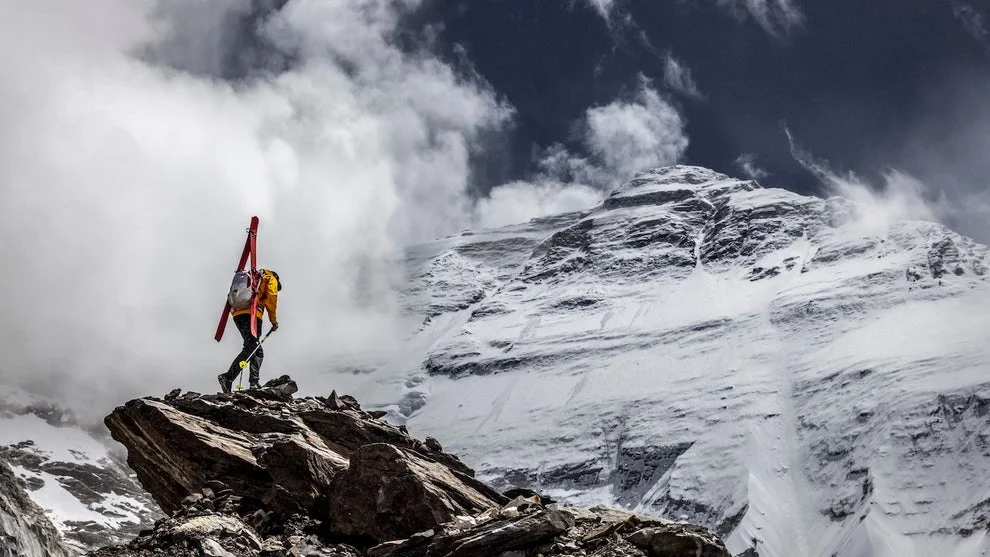

The most unsettling images in “Everest: The Other Side” are not the avalanches or the endless walls of ice. They are the quiet moments before the climb, when Jim Morrison prepares to continue a dream that belonged to him and Hilaree Nelson. The documentary understands that a mountain expedition can carry emotional weight long before anyone reaches the summit.
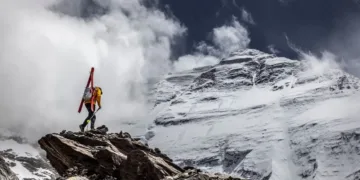
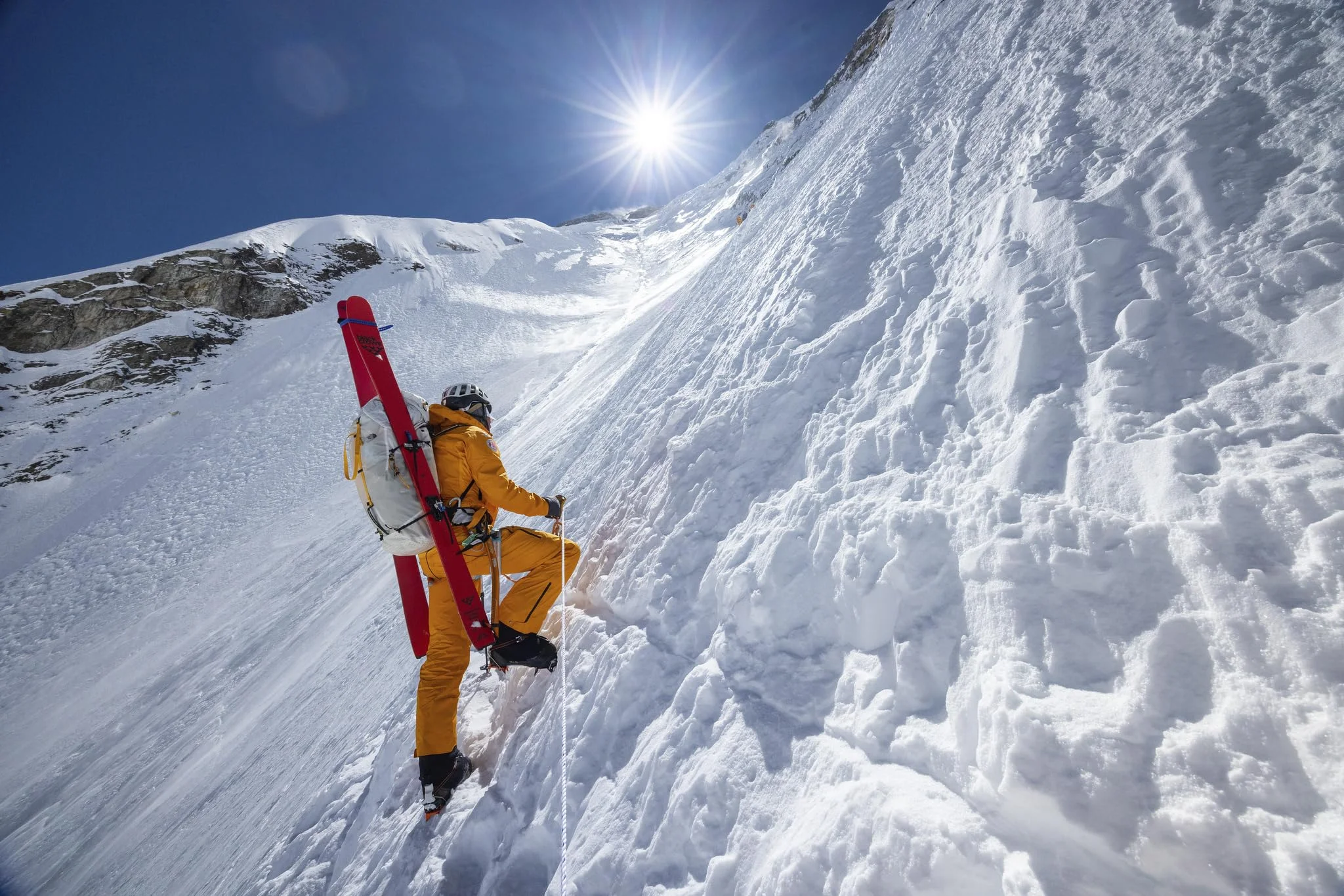
Directed by Jimmy Chin and Elizabeth Chai Vasarhelyi, the film follows Morrison’s attempt to climb Everest’s North Face and ski back down the Chinese side, a feat no one had completed before. The challenge already carries historic significance, yet the story changes completely after Nelson dies in an avalanche while training for the same goal. The climb becomes a way for Morrison to honor their shared ambition while confronting years of personal loss.
The documentary’s strongest choice is refusing to reduce this motivation to a simple answer. Is Morrison chasing closure? Is he continuing because climbing is the only language he knows for processing grief? The film leaves those questions open.
The Human Cost Behind the Achievement
The documentary builds Morrison’s story through layers of tragedy. His first wife and two children died in a plane accident in 2011, creating a painful history that follows him toward Everest. Nelson’s death adds another devastating absence.
One of the film’s hardest moments comes from footage of Nelson’s final descent on Manaslu. The camera captures the instant a section of snow gives way beneath her skis, turning a routine movement into a life-changing disaster. It is a moment that changes how every later scene feels.
I appreciated that the film does not treat extreme climbing as simple heroism. The presence of Nelson’s children creates uncomfortable questions about responsibility and risk. Their support for Morrison’s mission carries warmth, yet it also reminds viewers that every dangerous choice affects people beyond the climber.
The documentary also turns attention toward Chin himself, who joins the expedition after losing a close friend. A conversation between Chin and Vasarhelyi about the number of climbers they have lost brings a personal tension into the filmmaking process. The camera is recording a dangerous journey while the filmmakers are aware of what those dangers can take away.
Turning Everest Into a Cinematic Experience
The technical achievement behind the documentary is remarkable. The filmmakers combine drone photography, long-distance shots, and helmet-mounted cameras to create a constantly shifting view of the mountain. The wide shots capture Everest as an overwhelming natural force, while the GoPro footage places viewers inside the exhaustion and fear of the climb.
I kept noticing how the editing controls tension. The audience knows Morrison survives the expedition, yet every unstable step, narrow passage, and dangerous descent creates uncertainty. The film finds suspense in the process rather than the final result.
The sound design helps create this feeling. Wind, cracking ice, and heavy breathing become part of the experience. The mountain never feels like a background location. It feels like an active presence testing everyone who enters its space.
The Other Side of Survival
The documentary’s most interesting ideas come from the relationship between physical achievement and emotional survival. Morrison speaks about feeling connected to loved ones who have died and finding a sense of spiritual meaning in the mountains. These moments give the expedition a personal dimension that exists beyond records and recognition.
The film also benefits from showing the people around Morrison, including Sherpa climber Yukta, whose presence adds another perspective to the expedition. The mountain is not conquered by one person alone. It requires a team, preparation, and knowledge built through generations of experience.
“Everest: The Other Side” may leave some viewers questioning the choices that bring people to these extreme environments. That uncertainty is part of what makes the documentary worth watching. It captures the beauty of human determination while keeping the consequences of that determination visible.
The result is a breathtaking film that uses Everest’s scale to explore something much smaller and more personal: how people continue moving forward when the past feels impossible to carry.
The Review
Everest: The Other Side
“Everest: The Other Side” pairs astonishing mountain footage with a thoughtful portrait of grief, ambition, and the choices people make after devastating loss. Jimmy Chin and Elizabeth Chai Vasarhelyi create sequences that make every climb feel immediate, while the personal questions around Morrison’s mission give the adventure emotional weight. The film does not settle every moral debate it raises, yet its craft keeps the experience powerful.
PROS
- Stunning Everest cinematography
- Intense climbing sequences
- Honest exploration of grief
- Strong use of real footage
CONS
- Morrison’s motivations remain difficult to fully understand
- Ethical questions receive limited resolution
- Emotional distance from some subjects