



























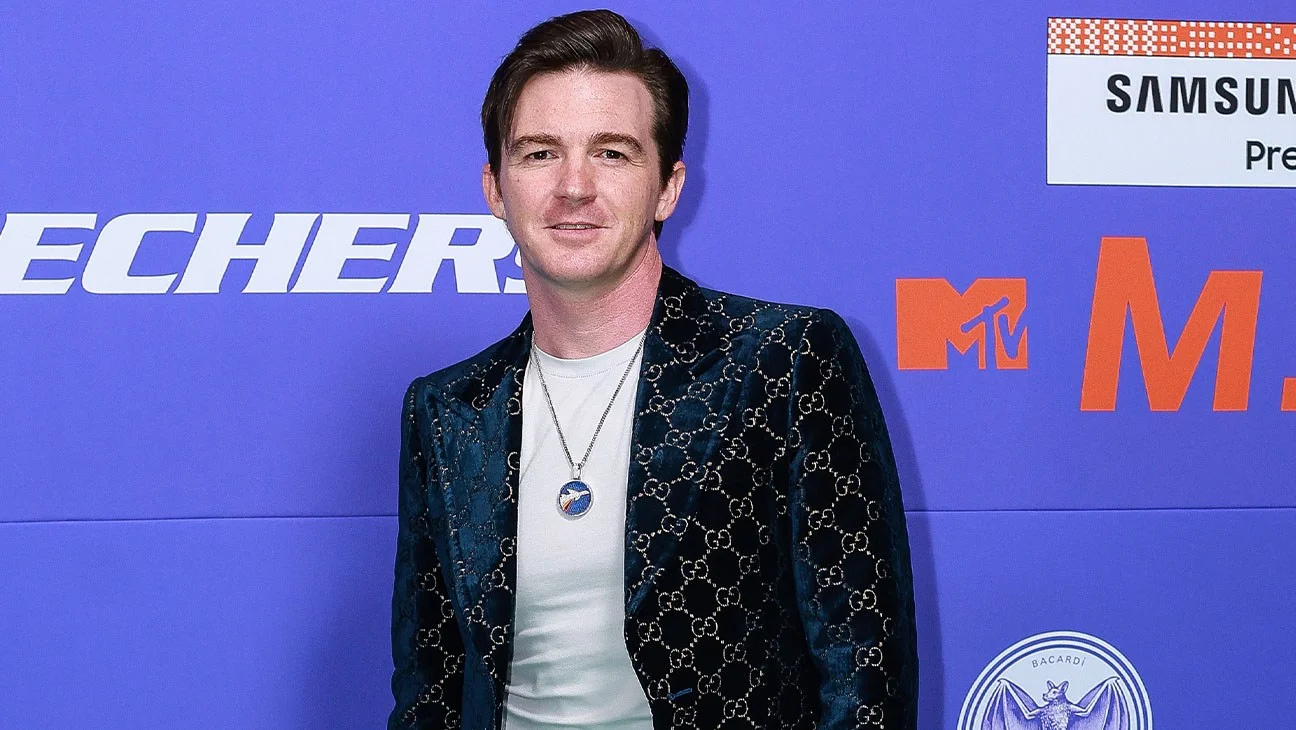

Drake Bell, the former Nickelodeon star, has publicly criticized SAG-AFTRA after the union’s website told him he does not qualify for its health plan. Bell, 40, posted a screenshot to his Instagram Story on Tuesday. The portal said his covered earnings from July 2025 through June 2026 fell short of the eligibility requirement. A second notice showed he had earned $17,480.53 and needed $11,452.47 more to reach $28,933. Reports on the plan list a 2026 minimum of $28,090, and the difference between the two figures was not explained.
Bell wrote over the image, “Do not become an actor. Do not join SAG.” He added that an actor can work steadily for 35 years and still get nothing from the union in return, and he tagged SAG-AFTRA and its president, Sean Astin. SAG-AFTRA had not responded to requests for comment from several outlets at the time of publication.
Bell rose to fame in the late 1990s and 2000s on Nickelodeon’s “The Amanda Show,” “All That” and “Drake & Josh,” which ran four seasons. He later voiced Spider-Man in “Ultimate Spider-Man.” His acting work slowed after the sitcom, and he has focused on music and voice roles in recent years.
His complaint follows a similar one last month. Jack Haven, star of the indie hit “Teenage Sex and Death at Camp Miasma,” said in a YouTube video that he was “in a bit of an emergency situation.” Haven needed $4,000 by month’s end to qualify for coverage starting in January. He later found enough work after appealing publicly. Heather Matarazzo, known for “The Princess Diaries” and “Wednesday,” said she faced the same problem. She recalled an era before earnings minimums, in a profession where steady work is hard to find.
The plan’s structure raises a basic tension. Coverage depends on earnings reported in a fixed 12-month window. Many working actors, particularly those whose careers have shifted away from the screen, move in and out of eligibility with the volume of jobs they land. Some commenters online have argued that the union cannot guarantee insurance to members who do not meet the plan’s earnings threshold, while others see the threshold as a barrier for performers in an industry where income is unpredictable.







