

























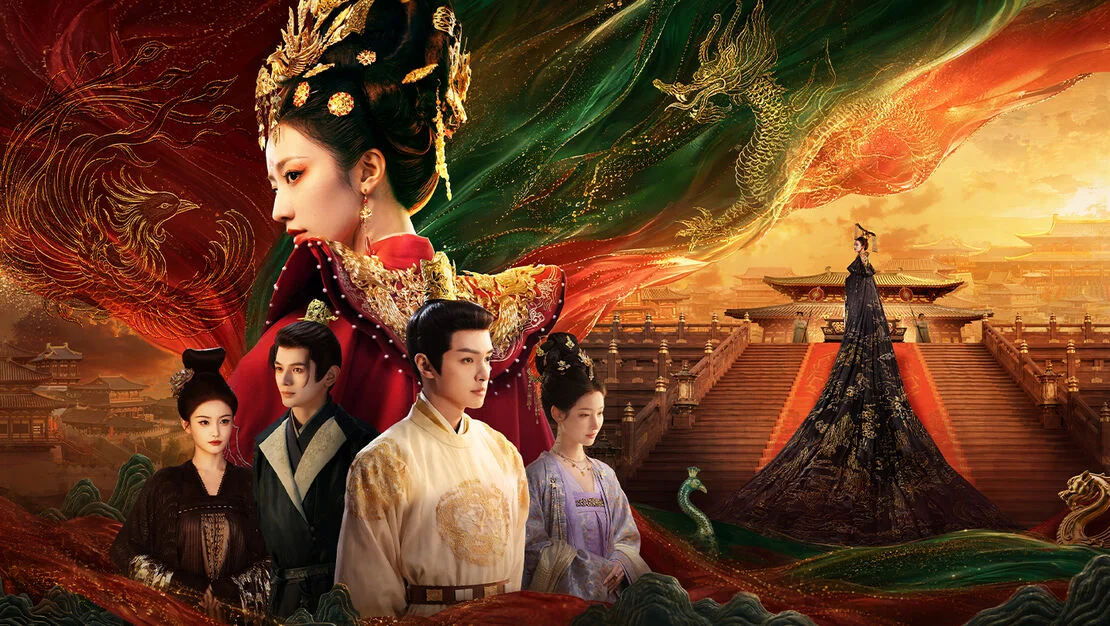

The decisions in Road to Empress II carry enormous consequences for its protagonist, yet remarkably few of them allow the player to determine her future. New One Studio has built an interactive adventure around the dangers of political ambition, where a seemingly sensible response can bring an entire storyline to an abrupt halt. Finding the correct response is frequently entertaining. Discovering how little it changes the subsequent narrative is considerably less satisfying.
The sequel resumes the story of a fictionalized Wu Zetian, the historical Chinese female emperor, as she attempts to regain her position within the imperial palace, secure the affection of Li Zhi, and accumulate political influence. Returning players will recognize the relationships immediately, and the chapter numbering continues from the previous installment. The introductory recap provides basic orientation, though understanding the existing allegiances and personal grievances requires familiarity with the original.
For players invested in that first game, Road to Empress II is an easy recommendation. Its live-action production is impressive, its political drama gains considerable intensity as the story develops, and its handling of failure makes experimentation surprisingly enjoyable. Players accustomed to interactive adventures with extensive branching narratives should temper their expectations, particularly given the amount of time the main campaign demands.
Consider the consequences of trying to maintain a good relationship with the empress. Showing deference to a powerful figure seems like a sound survival strategy. Neglect the interests of your fellow servants, however, and you may find yourself desperately short of allies during an assassination attempt. The game presents social decisions as interconnected problems, encouraging players to consider the interests of people occupying different positions within the imperial hierarchy.
The feedback loop works particularly well. You select a response, watch its consequences unfold, and, should things go horribly wrong, return to the relevant decision point. Each failure supplies information that can inform your next attempt. The process gives players an appreciation of how precarious Wu’s position is, especially when acting cautiously produces disastrous consequences of its own.
New One Studio deserves credit for making failure funny. Between the return of a particularly dangerous bowl of soup and a poison that induces uncontrollable laughter, the game finds increasingly ridiculous ways to dispose of its protagonist. Receiving a notification reading “Poison +1” takes some of the sting out of having to repeat a decision.
The limitation becomes apparent once you understand how these sequences fit together. In Detroit: Become Human, the consequences of certain decisions can persist across chapters, changing the circumstances under which subsequent decisions are made. Road to Empress II frequently treats an unsuccessful choice as a temporary interruption. You witness the outcome, rewind, and identify the response required to continue. The abundance of bad endings gives the game considerable replay value for curious players, though the underlying structure often resembles a multiple-choice puzzle with an extravagant budget for incorrect answers.
This approach works best when the player can understand the political reasoning behind a failure. There is real satisfaction in recognizing why securing the goodwill of servants might prove as valuable as pleasing their superiors. When progress depends on exhausting the available options, the process loses much of its strategic appeal.
The main campaign makes increasingly effective use of the survival mechanics as Wu’s ambitions develop. Early encounters retain elements of romantic palace melodrama, but the latter stages place greater emphasis on political maneuvering. The heroine becomes increasingly comfortable employing the manipulative tactics that previously threatened her own survival.
Evie Huang’s lead performance supports that transformation. Her portrayal develops from an inexperienced young woman struggling to establish herself within the palace into a seasoned political schemer. Wu’s victories become morally uncomfortable as her willingness to sacrifice personal relationships grows. The satisfaction of helping her overcome a dangerous opponent gradually acquires a different character when her own behavior begins to resemble theirs.
There is a good thematic reason for the game to restrict the player’s options here. Surviving within an oppressive hierarchy means accommodating the demands of people with greater authority. Repeated failures teach players to approach relationships with the same suspicion that Wu develops throughout the story.
Across 25 chapters, however, the main campaign asks a great deal of its audience. Exploring its various outcomes can push the time commitment past fifteen hours. Discovering alternative consequences becomes less rewarding when familiar footage appears across several endings, and the accumulation of political conflicts eventually stretches the effectiveness of the central gameplay loop.
The alternative campaign makes this problem particularly apparent. Here, Wu abandons her pursuit of imperial power and attempts to establish a different life. After being poisoned, she becomes involved in espionage and receives an assignment to eliminate Prince Wei, a man with whom she shares a personal history. The resulting conflict occupies roughly four hours, giving the developing relationships and competing interests considerably greater narrative urgency.
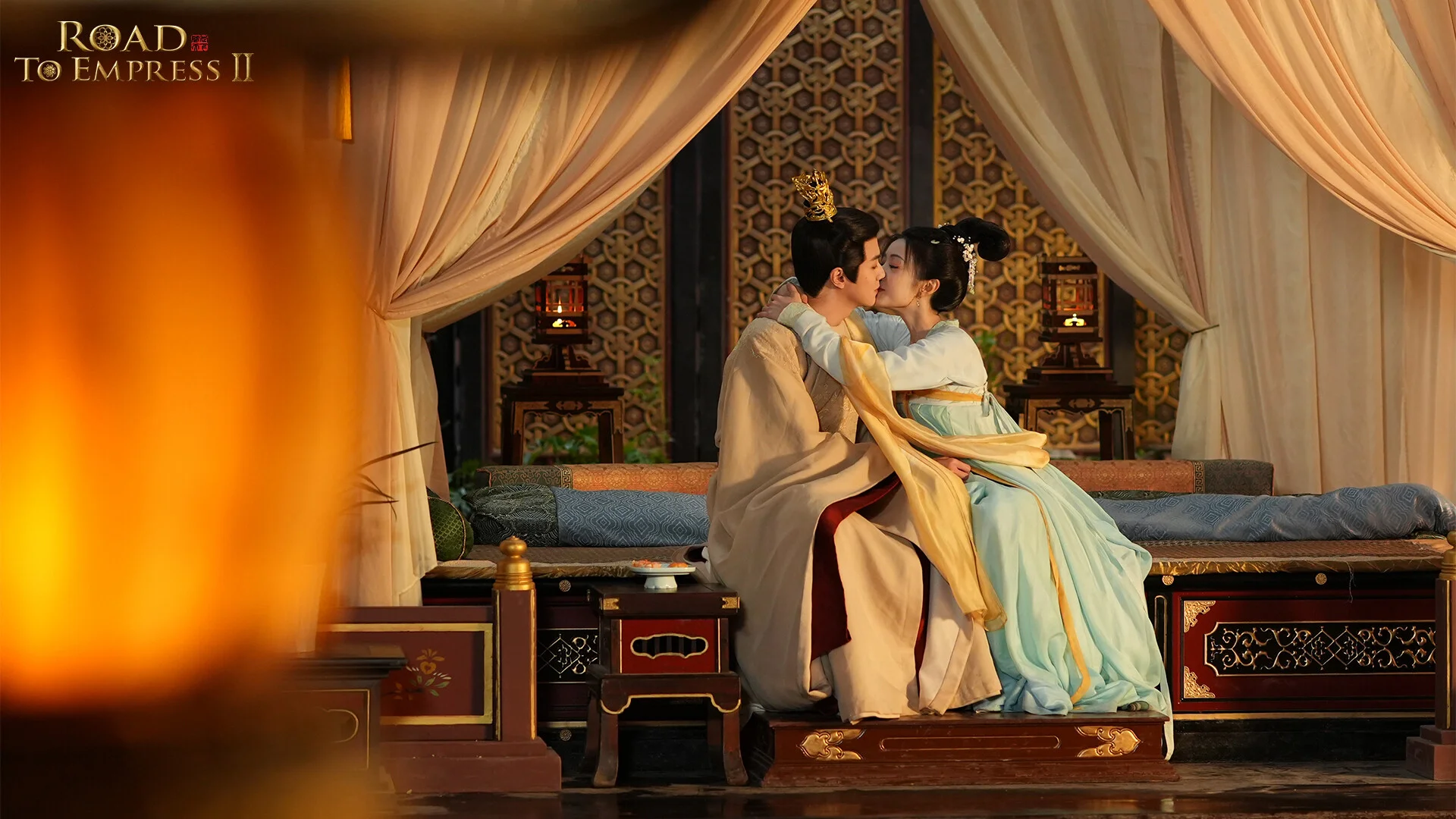
This is the stronger of the two campaigns. Wu remains resourceful and self-interested, but her priorities allow different aspects of her personality to emerge. Several characters receive happier outcomes, giving the alternative route genuine significance beyond the novelty of watching additional footage. The existence of this campaign also demonstrates that New One Studio can deliver meaningful divergence on a substantial scale.
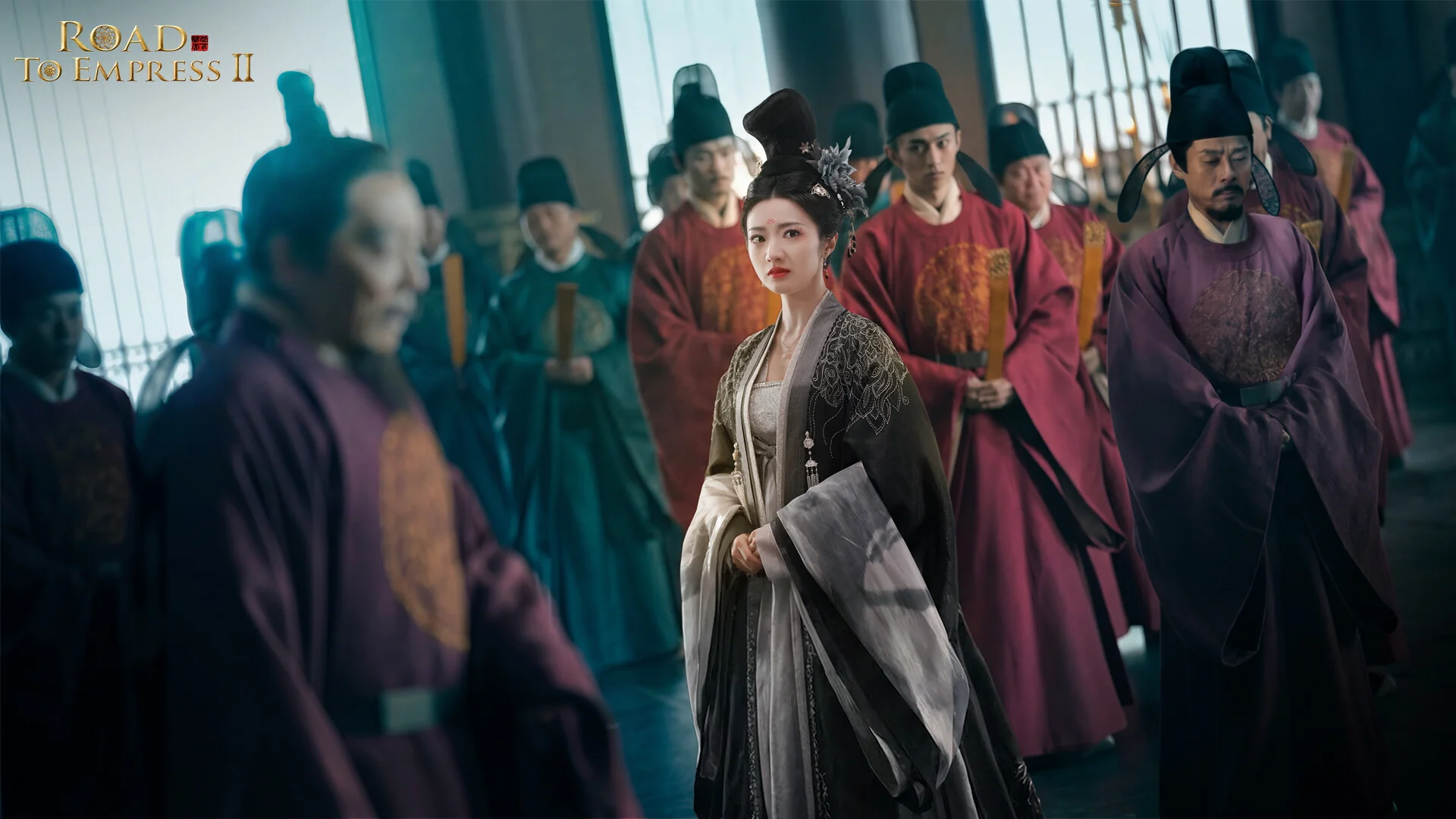
The production values help justify the time spent inside this world. Elaborate costumes and imperial interiors give everyday palace exchanges a convincing ceremonial formality. The festival sequence involving Wu’s near-drowning demonstrates the production’s ability to handle physical danger as effectively as extended conversations within the palace.
Filming these sequences with real actors creates an understandable constraint on narrative design. Every substantial branch requires additional performances and production resources. The less convincing effects used in some death scenes are particularly noticeable given how frequently the game encourages players to discover unsuccessful outcomes.
Unfortunately, the English localization introduces a separate problem. Grammatical mistakes and inconsistent tense usage can make conversations unnecessarily difficult to follow. Subtitles frequently disappear too quickly, particularly during some of the written narration accompanying bad endings.
For a game built around interpreting interpersonal relationships, this is a functional defect. Players need reliable access to the information upon which they base decisions. Misunderstanding a character’s intentions should be a legitimate political risk; struggling to decipher an awkward translation should have no part in that calculation.
The PC version’s reliance on streamed video creates further difficulties. Players with slower internet connections risk buffering and reduced image quality during sequences whose visual presentation accounts for much of the game’s appeal. A larger local installation would have been a welcome option.
Some supplementary systems also seem poorly matched to the experience. Earning currency through achievements to spend on hints has an identifiable purpose, especially during difficult encounters. Spending currency to express approval or disapproval of characters through roses and eggs has little bearing on the decisions that occupy the campaign.
The post-campaign state-management minigame presents a greater missed opportunity. After spending hours cultivating the skills necessary to acquire imperial authority, players receive a rudimentary system for exercising it, with no meaningful effect on the main narrative or its endings. Given how effectively the earlier decisions teach players to assess competing interests, an expanded governing system could have put that accumulated knowledge to excellent use.
The Review
Road to Empress II
Road to Empress II makes political survival an entertaining exercise in risk assessment, supported by lavish production values and creative failure sequences. Its alternative campaign demonstrates how effectively meaningful narrative divergence can reward player investment. The main campaign struggles to sustain that achievement, frequently reducing decisions to a search for predetermined answers. Rough English localization, compulsory video streaming, and underdeveloped supplementary systems further diminish the experience. Returning players will find a rewarding continuation, provided they approach it primarily as an interactive historical drama.
PROS
- Entertaining failure and backtracking mechanics
- Elaborate costumes and impressive live-action production
- Engaging political intrigue and character development
- Stronger pacing and meaningful divergence in the alternative campaign
- Creative and humorous bad endings
CONS
- Limited lasting consequences for individual decisions
- Excessive main campaign length and repetitive footage
- Poor English localization and rushed subtitles
- Internet dependency compromises accessibility
- Underdeveloped state-management minigame