
























![Kingdom Hearts Collection [I-III] Review](https://gazettely.com/wp-content/uploads/2026/10/Kingdom-Hearts-Collection-I-III-1-360x180.webp "Kingdom Hearts Collection [I-III] Review: KHII Holds Steady as Newer Entries Fluctuate 37")



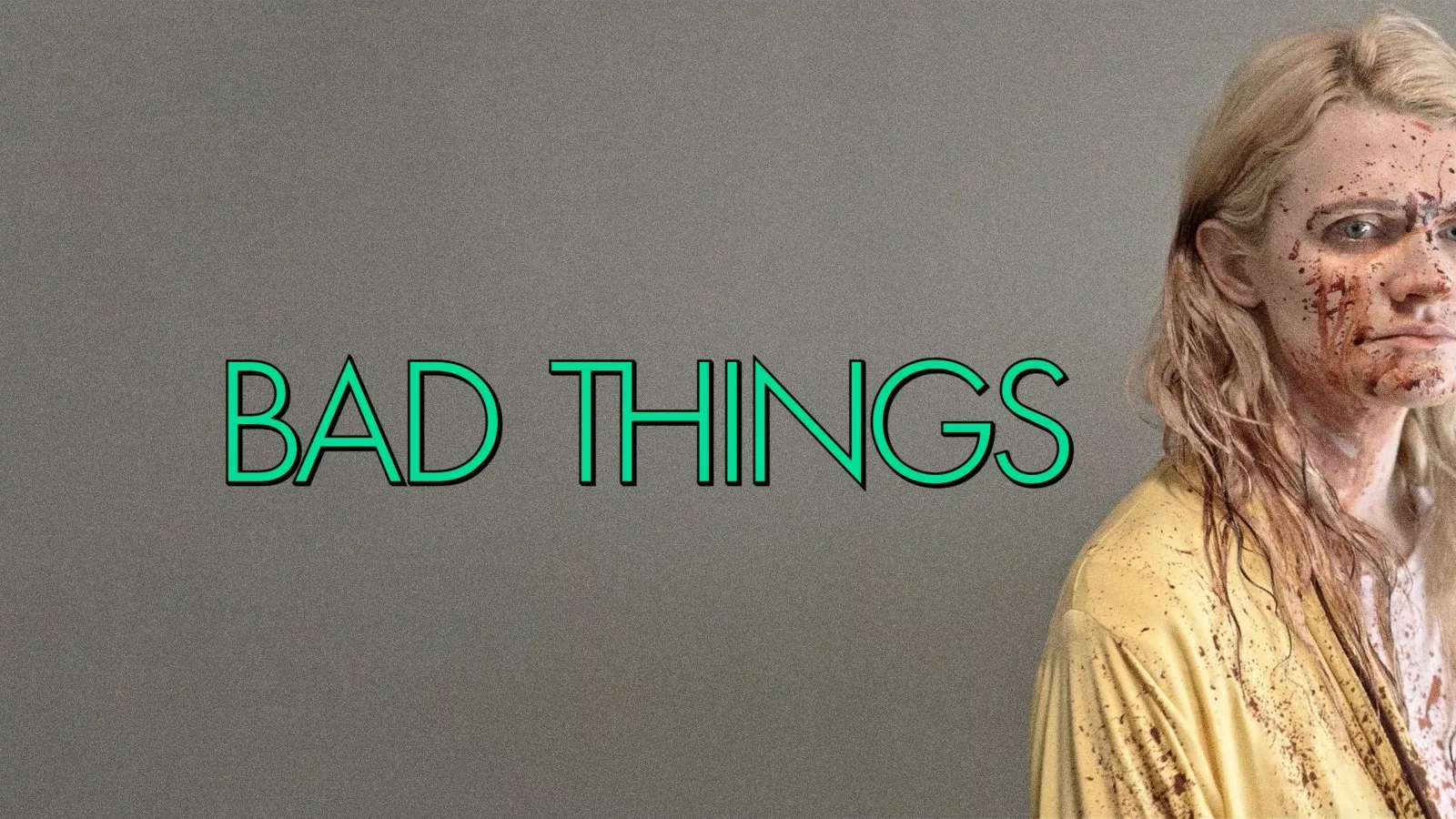

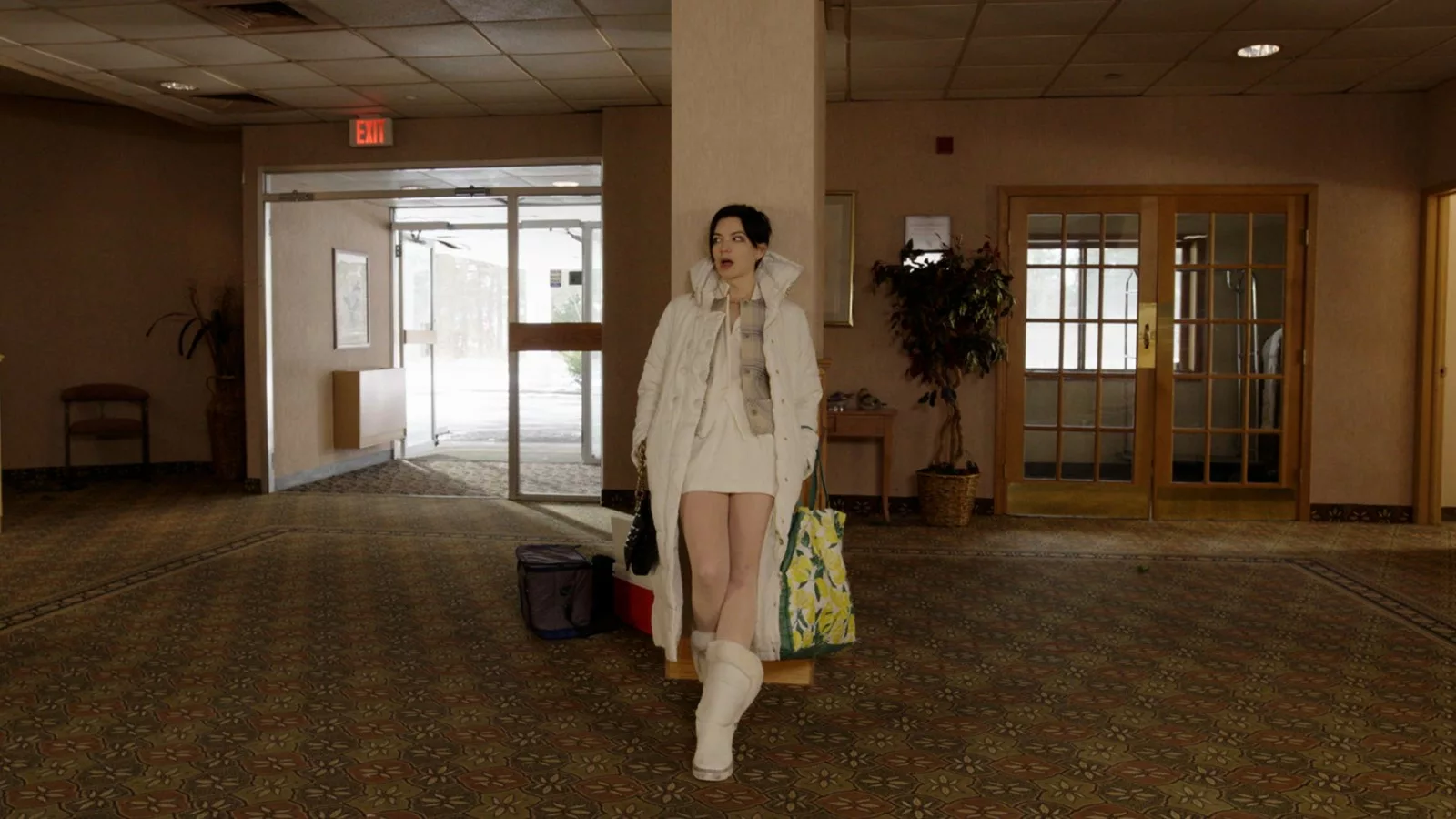
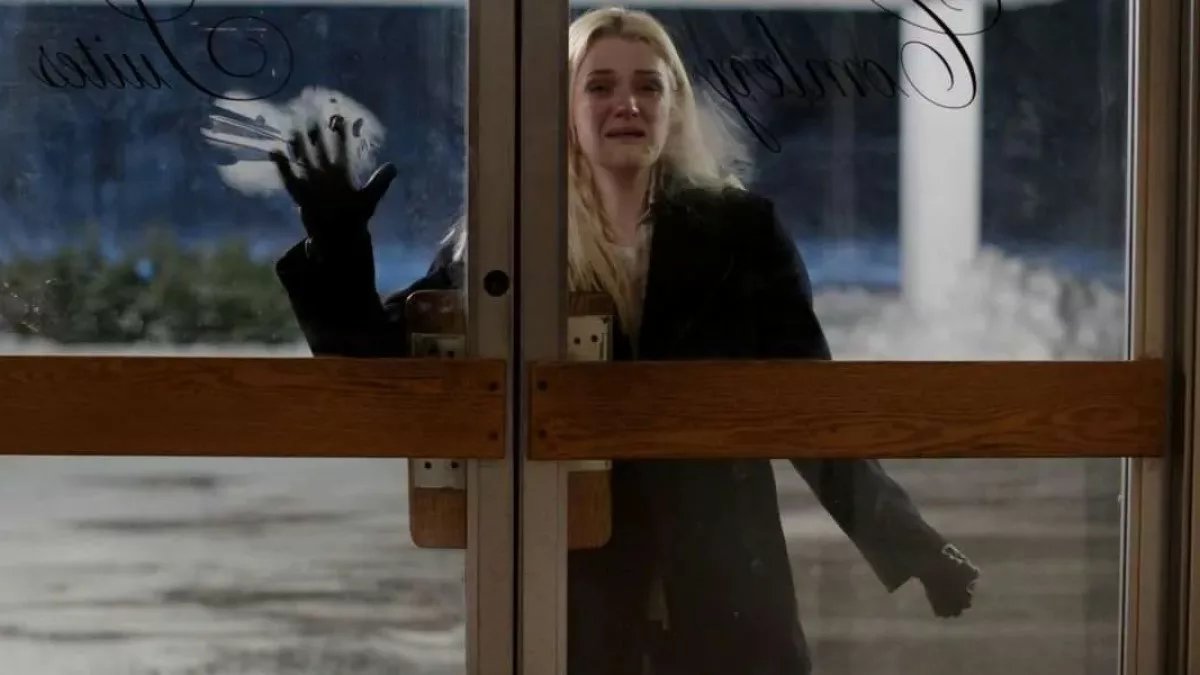
Genre signals are present. The film names them and then alters their use. Apparitions, repetitions, and architectural menace remain tools. The emphasis lies on how trauma articulates itself inside communal spaces. External threats recede; inner fractures advance. Such a posture compels attention to the characters’ inner logic instead of to a sequence of external shocks.
Thorndike’s decision to let narrative loosen at points creates both rewards and costs. The looseness allows moods to develop; it also invites criticism that pacing meanders. Those who prefer a tight, relentless trajectory may find the film’s patience trying. Others will appreciate how patience reveals small fractures and the economies of feeling among the group.
Thorndike’s framing and cultural reach
The director’s approach privileges interior life and image economy. Camera choices are deliberate; the stillness of certain shots encourages reflection. The film stages spaces in which memory and place co-author meaning. That formal insistence produces a film that engages with contemporary questions of belonging and identity without making broad proclamations. It registers social realities through character and mise-en-scène rather than through exposition.
Casting choices matter here. The presence of trans actors in central roles changes the texture of how belonging functions on screen. The film asks the audience to register difference as part of ordinary human complication, and not as spectacle. That integration affects how social concerns appear in the narrative. Scenes of domestic tension acquire political valence by virtue of how recognizable power dynamics operate inside supposedly intimate spaces.
Culturally, the film may not issue large proclamations. It offers, instead, a model of how a horror film can examine social entanglement by attending to the small scenes where people fail one another, help one another, or drift apart. Those scenes accumulate into a portrait of contemporary relational strain.
Final notes on effect and limits
The strongest aspect of Bad Things is the way it makes the viewer live inside a mood. The hotel’s architecture and the ensemble’s interactions produce a climate of quiet interrogation. Moments of soft humour break tension without dissolving it (the chainsaw incident supplies one such moment). The film’s refusal to rely on spectacle gives its cumulative effect a slow, lingering quality.
Limits appear when the narrative permits too much looseness. Occasional meanders reduce momentum. The density of references and formal homage can distract readers who prefer clearer authorial thrust. Still, the film’s commitment to psychological pressure and its sensitivity to group dynamics make it a distinctive offering.
This is a horror film that treats its monsters as states of being. It turns the interior life of its characters into the site of fear. That choice makes Bad Things a film that appeals to viewers who want horror that thinks, who accept quiet for provocation, and who prefer unsettled questions to tidy answers. (A small paradox: the film wants calm attention and rewards restless thought.)
Bad Things is a psychological horror film that made its world premiere at the Tribeca Film Festival on June 9, 2023, before being released digitally on August 18, 2023. The story follows a group of friends who retreat to a snowy, vacant hotel inherited by one of them, only to find their relationships fraying as the building’s eerie atmosphere begins to influence their minds. Often described as a queer feminist reimagining of hotel-set horror tropes, the film explores themes of motherhood and inherited trauma. You can watch it on streaming platforms such as Shudder, AMC+, and Amazon Prime Video.
Where to Watch Bad Things (2023) Online










Full Credits
Title: Bad Things
Distributor: Shudder, AMC+
Release date: June 9, 2023 (Tribeca), August 18, 2023 (United States)
Rating: TV-MA
Running time: 1 hour 23 minutes
Director: Stewart Thorndike
Writers: Stewart Thorndike
Producers and Executive Producers: Lizzie Shapiro, Lexi Tannenholtz, David Bernon, Sam Slater, Paul Bernon, Phil Keefe
Cast: Gayle Rankin, Hari Nef, Annabelle Dexter-Jones, Rad Pereira, Jared Abrahamson, Molly Ringwald, Ariella Josephson
Director of Photography (Cinematographer): Grant Greenberg
Editors: Sam H. Gunansagar
Composer: Jason Martin
The Review
Bad Things
"Bad Things" is a mesmerizing dance between classic horror elements and fresh narrative techniques. While it might tread a slower, more introspective path than some might expect, it offers a deep dive into the human psyche, challenging our perceptions of fear and introspection. Stewart Thorndike showcases a unique vision, seamlessly blending diverse character arcs with a haunting setting, delivering a film that's both unsettling and thought-provoking. While it has its occasional missteps, the film's strengths far outweigh its weaknesses, making it a must-watch for those seeking a different flavor of horror.
PROS
- Character-driven narrative that delves deep into the human psyche.
- Unique take on the horror genre, emphasizing psychological terror over jump scares.
- Diverse cast that brings depth and authenticity to their roles.
- Masterful use of setting, with the hotel serving as a central, haunting character.
- Clever integration of classic horror references, offering both homage and fresh twists.
CONS
- Occasionally meandering narrative that might lose grip on some viewers.
- Subtlety of horror might be too understated for those seeking overt terror.
- The plethora of genre references can sometimes overshadow the film's unique voice.







