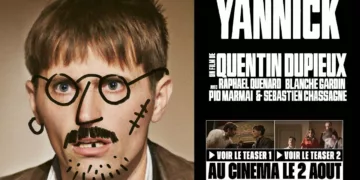





























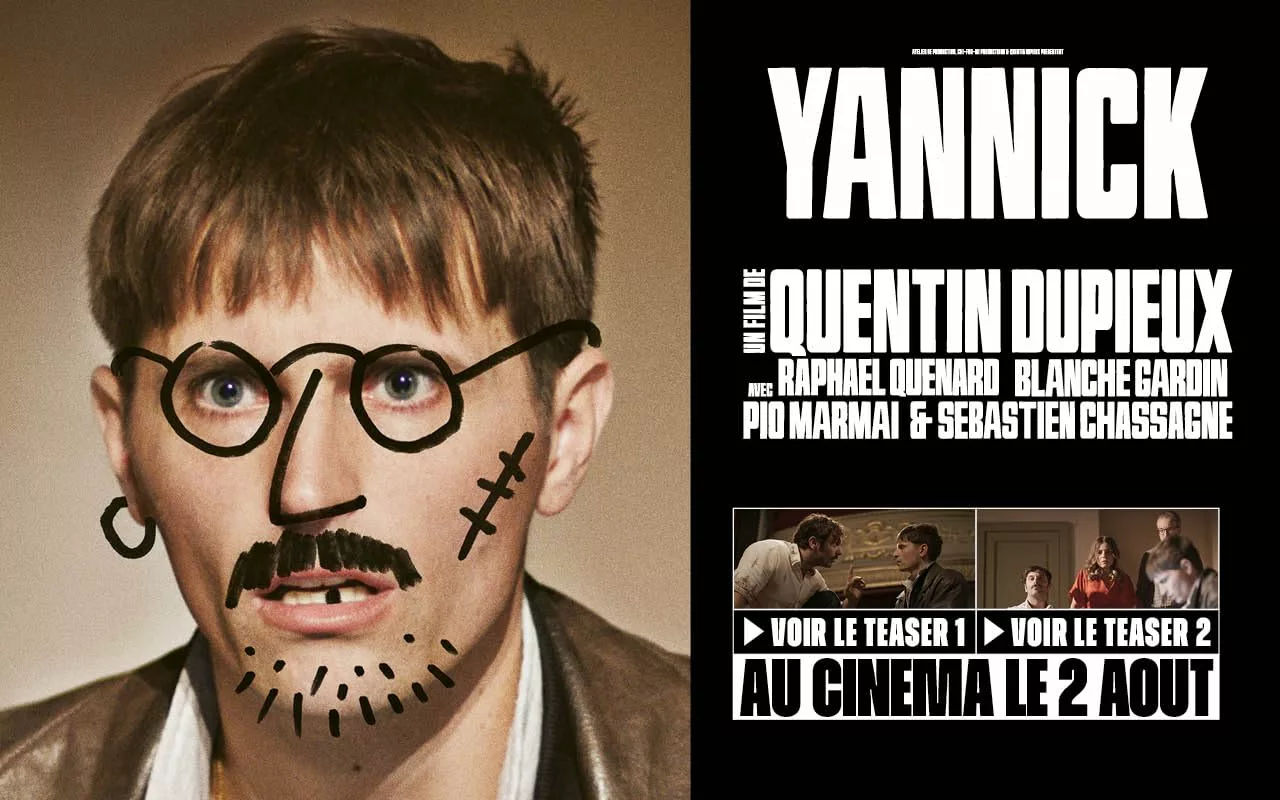

In Quentin Dupieux’s latest cinematic provocation, a one-act play devolves into the most raucous of hostage situations. “I feel worse than when I came in,” laments a curmudgeonly audience member as he disrupts a dreadfully dull theatrical performance. And so opens the absurdist gates for “Yannick” – a 67-minute foray into comedic delirium and searing social satire.
The prolific French auteur, having amassed a cult following for his deliriously offbeat oeuvre, extends his brand of “pop surrealism” to the stage. Quite literally. When the disgruntled Yannick takes a troupe of actors captive at gunpoint, demanding to pen and perform his own superior play, art and reality collide in an brazen affront to creative authority.
With a deft flair for the outlandish, Dupieux’s latest is a madcap metamorphosis. What begins as a trite marital drama transforms into a sly critique of audience alienation and unspoken societal divisions. Through the unruly actions of his misfit protagonist, the film dismantles the barriers separating spectatorship from authorship, high art from pedestrian perspectives. The result is a gutting satirical indictment expertly camouflaged in riotous laughter.
A Night at the Theater Turned Upside Down
The curtain rises on a familiar scene – a mundane boulevard comedy entitled “The Cuckold” being performed for a sparse Parisian audience. The trio of actors, Paul, Sophie, and William, ham it up with over-the-top flair, their exaggerated gestures and tired punchlines eliciting little more than restrained titters.
Among those struggling to remain engaged is Yannick, an unassuming parking attendant who has taken the evening off for this woeful display. His patience wears thin as the shrill caricatures prance across the stage. In a startling breach of decorum, Yannick stands and bellows his displeasure to the stunned performers and onlookers. He hasn’t just come for entertainment, he wants transcendence – for the play to “soothe his spirits.”
The players attempt to placate the brash heckler, but their desperate efforts only further ignite Yannick’s ire. Abruptly leaving, then re-entering with a pistol, he seizes control of the theater in an extreme act of artistic retribution. No longer will he remain a passive spectator to mediocrity.
With the entire venue now his captive audience, Yannick makes an audacious demand – he shall write a new theatrical piece, one to validate his own creative vision. The actors, at gunpoint, must then perform his script before their fellow hostages. The stage is set for anarchic, boundary-defying comedy to ensue.
Minimalist Madness Meets Maximum Absurdity
With Yannick, Quentin Dupieux masterfully employs a sparse, minimalist aesthetic to heighten the film’s escalating pandemonium. His camera remains stolid and unblinking, framed in static shots that refuse to flinch as the unruly narrative unfurls. This rigid visual approach belies the anarchic spirit bursting through every scene.
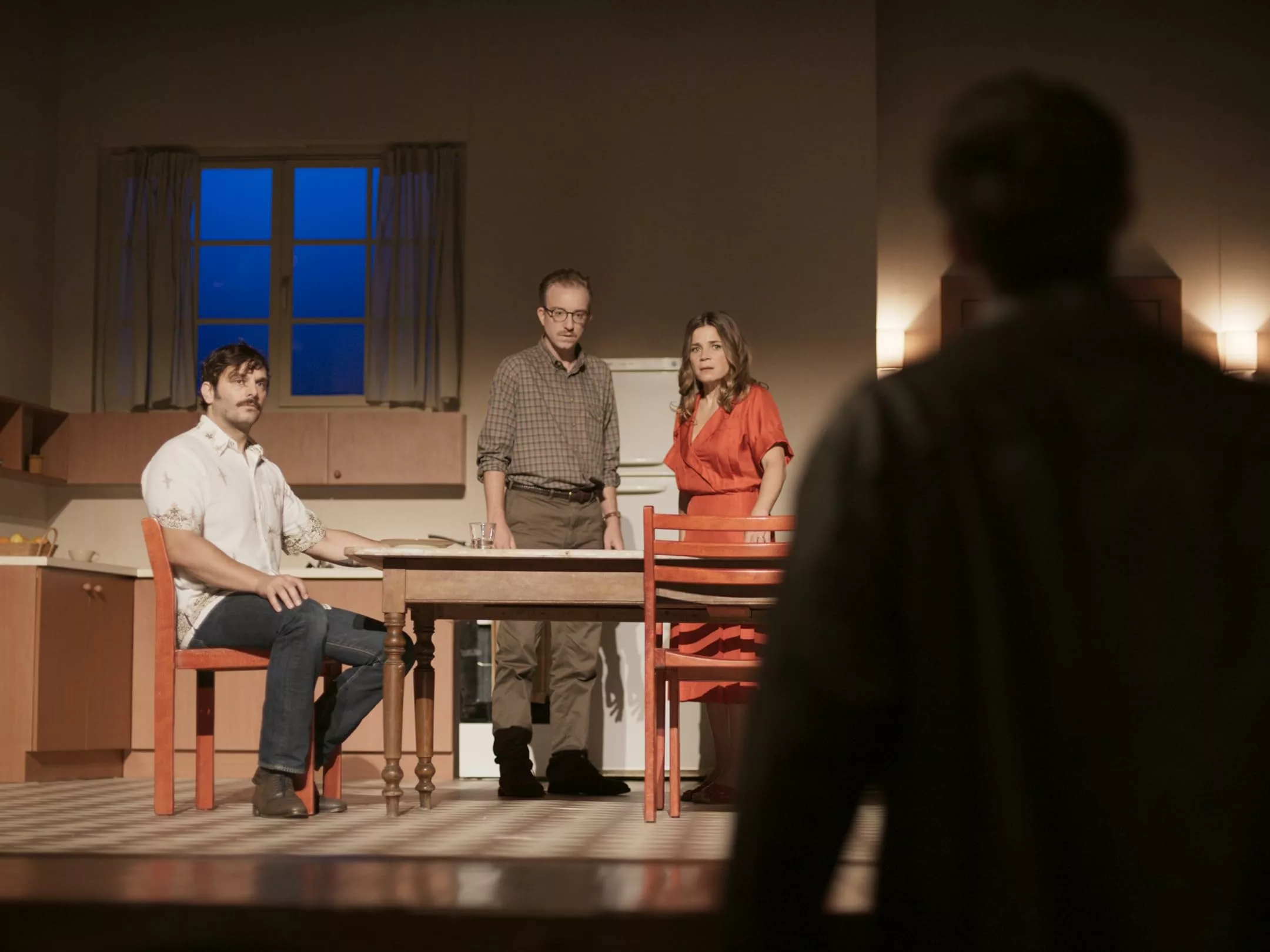
The director’s studied restraint behind the lens allows the utter absurdity he’s orchestrating to detonate with maximum impact. As Yannick seizes authorial control, upending all conventions, Dupieux simply observes through a keenly composed yet undistracted gaze. We are left to marvel at the escalating chaos, the camera holding each deliriously awkward beat.
This minimalist framing is not mere stylistic eccentricity, however. It directly mimics the confrontational conceit of the film itself – the audience held hostage much like the fixed camera, forced to absorb each transgressive flourish of Yannick’s madcap revolution. We become complicit bystanders, agog yet unblinking, as artistic norms are gleefully desecrated before our eyes.
Dupieux’s fastidious compositional choices accentuate the meta-cinematic discourse embedded in the story. As audience members, we find our conventional viewership dynamic subverted, made explicity self-aware through the film’s defiant premise. The director’s strategic remove reflects our own passive spectatorship until this very paradigm is upended by the tyrannical aspirations of an unlikely auteur.
With eccentric yet exacting craft, Dupieux synthesizes rigorous formalism and willful anarchy into a seamless pastiche of avant-garde provocation. Yannick erupts as a multi-layered onslaught of boundary-demolishing absurdity presented under deceptively composed restraint. A more madcap celebration of cinematic rule-breaking you’ve seldom seen.
“Embark on a heart-wrenching journey of love and loss with our The Greatest Hits review. See how music can unlock the past, offering a chance for healing and self-discovery in this beautifully crafted drama.”
A Rang-Led Revolution of Comedic Brilliance
At the frenetic core of Yannick stands Raphaël Quenard in a revelatory, star-making turn as the ordinary man comandering extraordinary anarchy. Hailing from the Parisian banlieues, Quenard imbues the title character with the distinctive cadence and mannerisms of the working-class everyman. Yet his musings and actions transcend mere stereotypes to attain a sort of profound, naive wisdom.
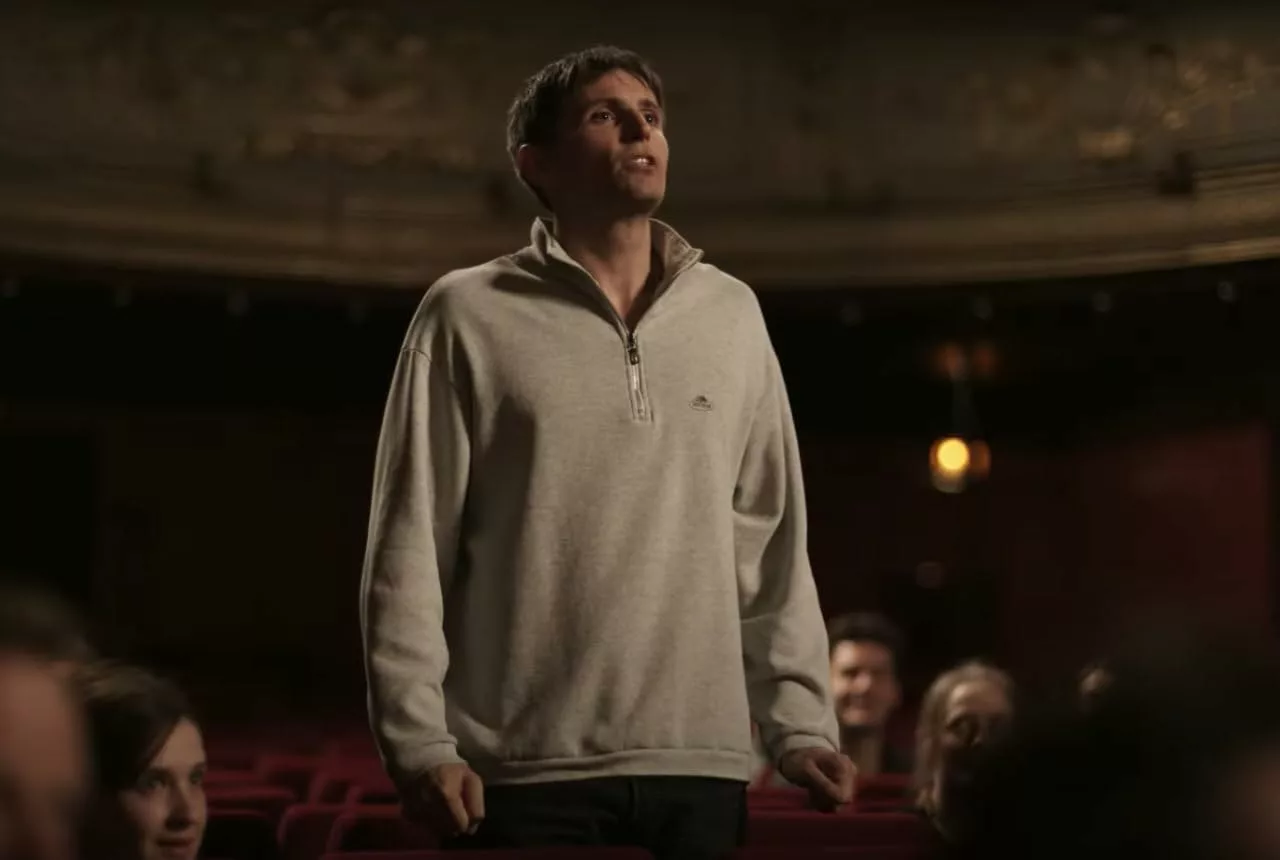
Bubbling with inchoate frustrations, Quenard’s Yannick musters the gumption to act upon his grievances in ways both hilarious and disquieting. The actor’s hangdog countenance and hangdog weariness immediately render him an empathetic underdog. But it’s the glimmers of solipsistic delusion that truly captivate, as Quenard’s soulful eyes betray the character’s grandiose artistic self-beliefs.
The ensemble cast shine as Yannick’s escalating demands force them to walk an exquisite tonal tightrope between dramatic exasperation and sheer comedic commitment. As the troupe’s unofficial lead, Pio Marmaï channels waning theatrical bombast opposite the renegade playwright’s ascendant megalomania. Blanche Gardin and Sébastien Chassagne masterfully pivot from eye-rolling bemusement to a grudging admiration for their imprisoner’s audacious vision.
It’s the ever-shifting power dynamics between captors and captives that ignites the film’s most electrifying moments. The professional fusterings of stage veterans lambasted by an interloper evinces palpable pathos amidst the riotous comedy. Just whose play are we watching? Yannick’s authorial tyranny blurs such distinctions into an incisive existential metafiction.
Radical Provocations Beneath Comedic Mayhem
While Yannick detonates as a side-splitting romp, its incendiary heart pounds with searing socio-cultural commentary. Under the guise of madcap comedy unfolds a searing critique of artistic gatekeeping, class divides, and the violent undercurrents roiling just beneath society’s polite veneer.
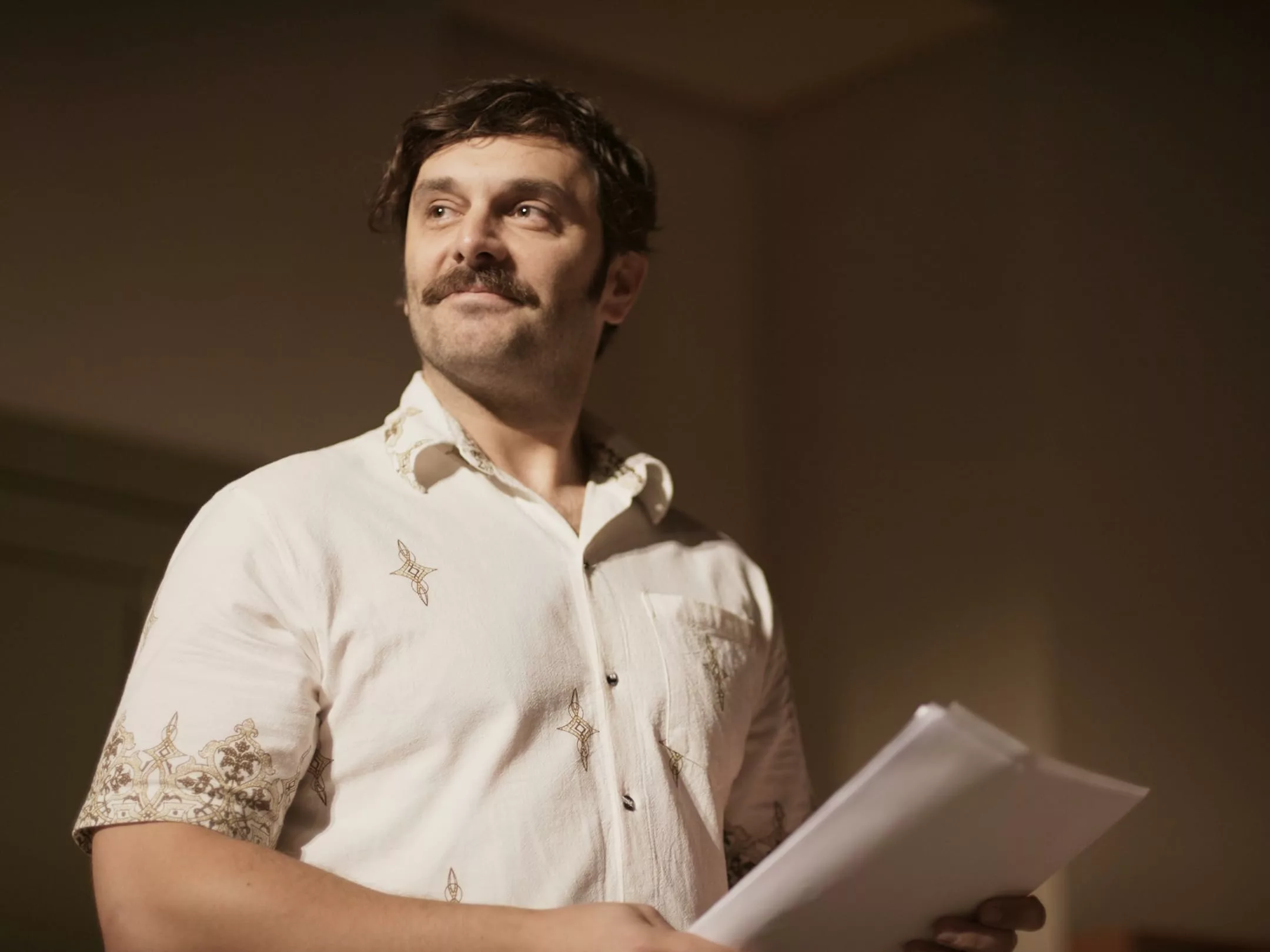
From the outset, writer-director Quentin Dupieux skewers institutionalized notions of artistic value and audience codification. Yannick’s brusque dismissal of “The Cuckold” as trite pap designed for the bourgeois intelligentsia lays bare the elitist segregation of “high” and “low” art. His snatching of the pen to compose a superior alternative represents the ultimate coup – a usurpation of creative authority by the socio-economic underclass.
And yet, Dupieux implicates all participants in this fraught artistic alliance. The actors’ incredulity at their show’s disruption betrays their own insularity and disconnection from audience response. Even the very premise flatters its viewers as co-conspirators, willing hostages to an avant-garde deviation from theatrical norms. We are all complicit in demarcating what does and does not constitute “legitimate” creative expression.
Coursing beneath the film’s farcical surface is a potent remostering of the alienation, polarization, and simmering violence endemic to our siloed social fabric. Yannick emerges as an incendiary riposte to the systemic inequities and unheeded voices proliferating across economic and cultural lines. That his desperate campaign for acknowledgment and empowerment must turn toward calamitous means exposes the jarring gulfs dividing marginalized and privileged spheres.
Yet for all its boiling indictments, Dupieux’s vision remains mordantly optimistic about art’s redemptive capabilities. In allowing the hostage crisis to transmute into an unexpectedly heartfelt collaborative effort, the film celebrates the connective power of radical creative expression. Laughter becomes a vital tonic for mending fractured bonds, however irreverently administered. In the end, Yannick posits that only by detonating boundaries can we bridge our most chasmic societal divides.
An Audacious Update to Absurdist Legacy
With Yannick, Quentin Dupieux solidifies his reputation as the reigning maestro of “pop surrealism” for the 21st century. The film operates as a tightly compressed, riotously inventive extension of the French auteur’s proclivity for deliriously askew premises injected into hyper-realistic contexts.
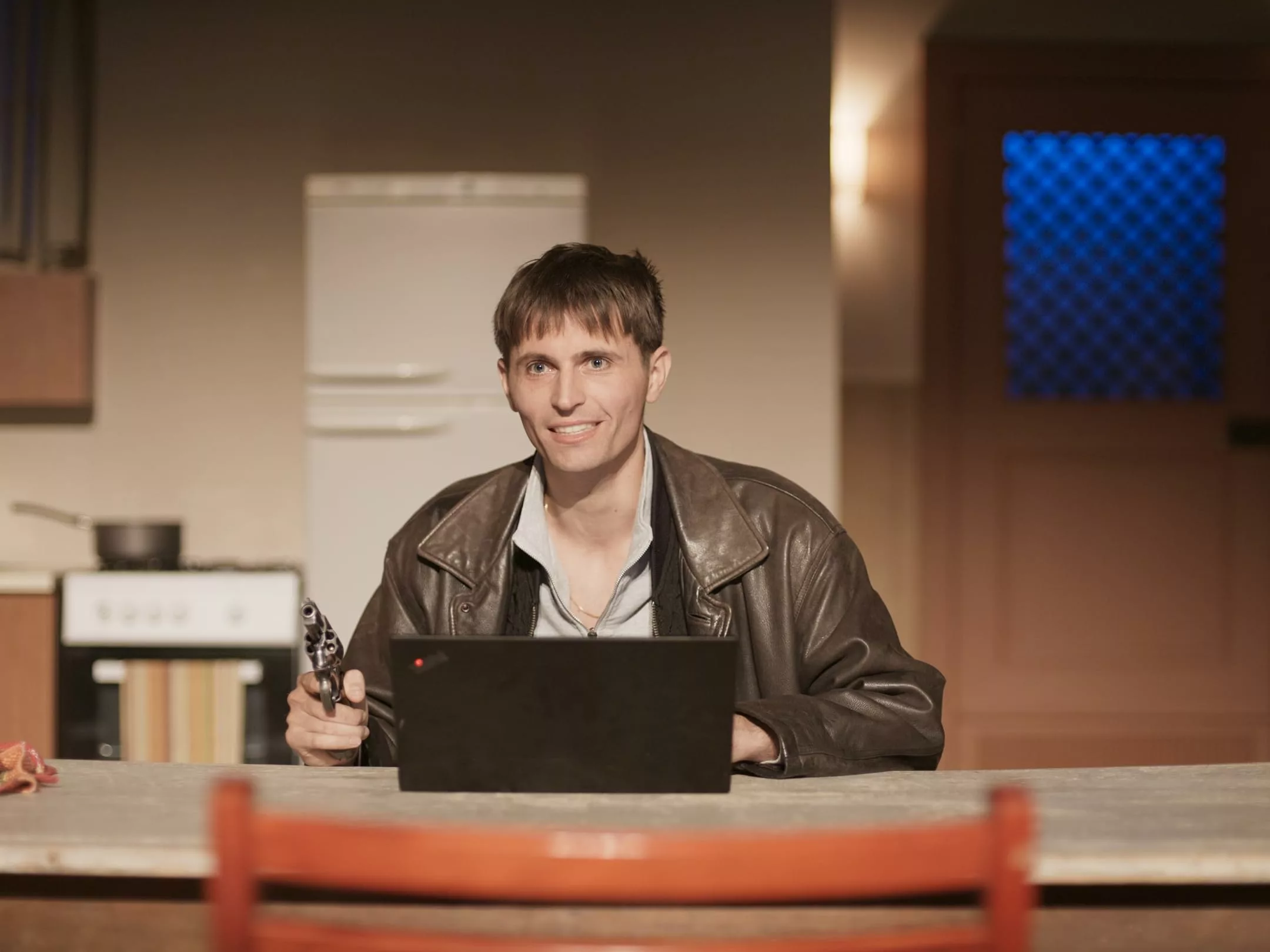
While rooted in Dupieux’s patented brand of high-concept absurdism, the work also represents a bold recalibration of his artistic vision. The singularly confined theatrical setting and scarcity of logistical mayhem mark a departure from his prior excursions into untethered, reality-warping spectacles like Deerskin and Rubber.
Instead, Yannick aligns the writer-director with an even longer tradition – that of the avant-garde “théâtre de l’absurde” pioneered by ionic French playwrights like Eugène Ionesco and Samuel Beckett. Yet Dupieux synthesizes this phase with his own idiosyncratic surrealist bent, conjuring a defiantly modern descendant to such 20th century works.
The result Is a rebel yell of formally inventive contrapositions – audacious and preposterous yet grounded, minimalistic yet deliriously overstuffed with meaning. Yannick distills its creator’s proclivity for subversive, idiosyncratic humor into a potent 67-minute manifesto.
Assessing where the film lies within Dupieux’s oeuvre is a delicate proposition given his prolific output. Certainly, its sly meta-textual musings on artistic autonomy stake a claim as a signature personal statement. At the same time, one could argue its very singularity of focus renders it a minor, if scintillating, divertissement from the director’s penchant for more baroque romps.
Ultimately, such assessments likely matter less to Dupieux than simply adding another impudent provocation to his canon of agitprop comedy. With Yannick, he has issued a resonant battle cry for smashing calcified creative boundaries – both an extension of the absurdism before him and an emboldening of its radical possibilities yet to come.
Anarchic Brilliance Upending Creative Conventions
Throughout this deliriously provocative plunge, Quentin Dupieux’s Yannick detonates artistic and social boundaries with anarchic yet astute brilliance. Nestled within its raucous premise of a theatergoing gone wildly awry reside piercing provocations about gatekept perspectives, socio-economic divides, and the polarizing impulses tearing at society’s frayed fabric.
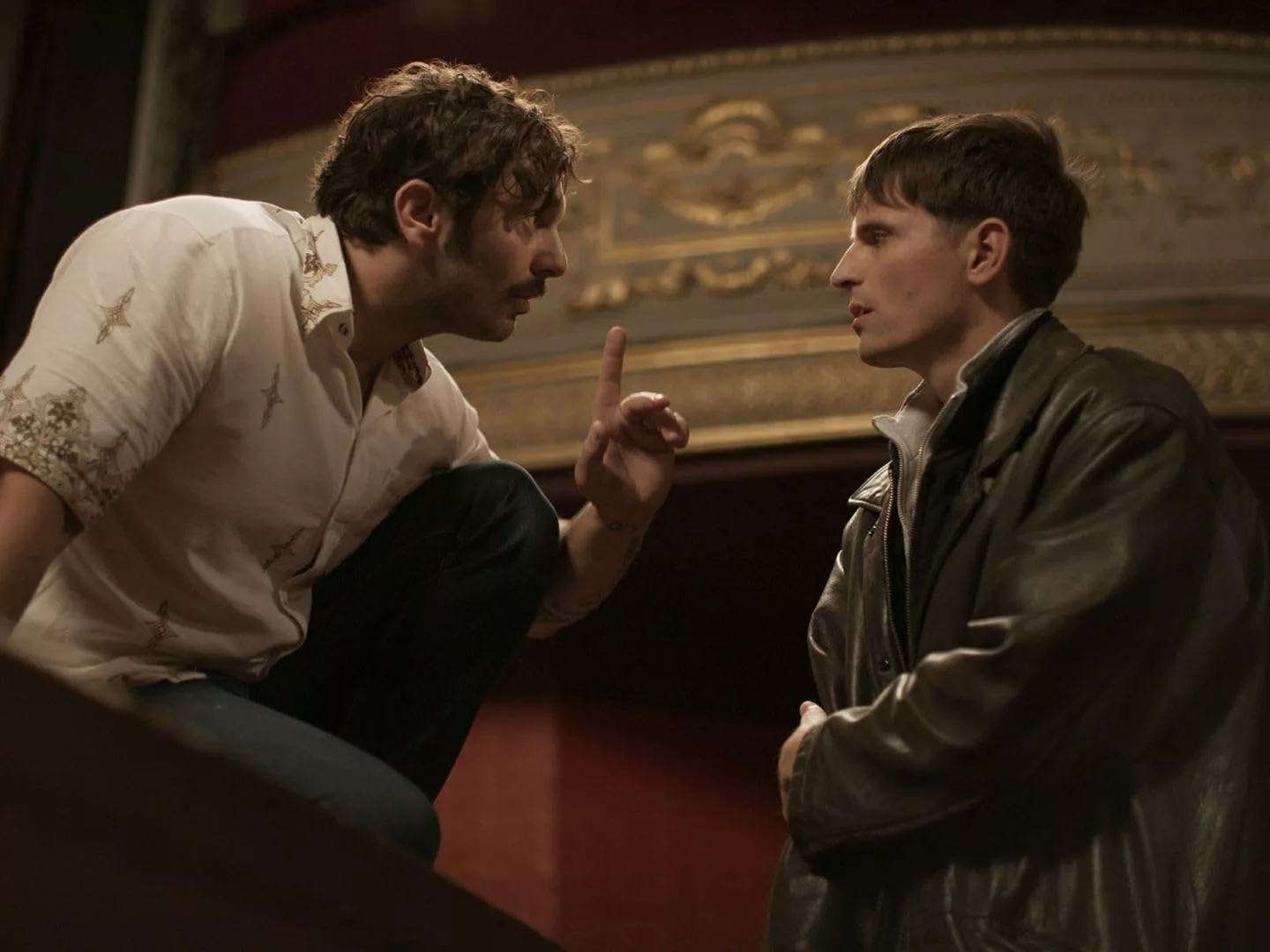
Yet for all its searing cultural critiques, the film remains an exuberantly absurdist lark – an avant-garde cri de coeur camouflaged in shameless audience-baiting laughter. Dupieux’s meticulous compositional choices amplify the madcap comic timing while injecting potent metafictional dimensions. The explosive central performance by Raphaël Quenard radiates naive idealism and solipsistic mania in perfect sync.
In synthesizing formal precision with unfettered anti-conventionalism, Yannick emerges as both an electrifyingly unique cinematic object and an emboldened continuation of the French theatre of the absurd. It is a deliberately unruly yet methodically composed rebel yell – a sorely needed cultural defibrillation.
For all its riotous bravura, any shortcomings reside in the film’s very slightness of scale. At just over an hour, Dupieux’s concentrated bombardment maintains its delirious momentum while ultimately leaving one craving a perhaps overstuffed expansion of its daring existential inquiries.
No matter. Yannick accomplishes its subversive aims with a bravura defiance of creative status quos. By granting the most unassuming of spectators authorial dominion, it shatters our alienated relationships to art itself. We exit the auditorium reveling in the delirium, our own inhibitions gleefully obliterated by the blunt weapons of piercing cultural commentary and transcendent comic delights.
The Review
Yannick
Quentin Dupieux's Yannick is a wildly entertaining descent into anarchic absurdism that satirizes artistic gatekeeping and societal divides with subversive brilliance. An avant-garde gem bursting with ingenuity and laughter, it cements the filmmaker's status as a pioneering auteur upending creative conventions. While its slightness of scope leaves you wanting even more of its provocative existential musings, the defiantly unruly comedy revels in dismantling boundaries between audience and author with riotous delight. A cultural defibrillation disguised as delirious mayhem.
PROS
- Audaciously satirical and thought-provoking premise
- Excellent comedic performances, especially Raphaël Quenard
- Clever metafictional commentary on art and audience expectations
- Tight, economical 67-minute runtime maintains momentum
- Dupieux's deft balance of absurdism with biting social critique
- Visually minimalist style accentuates the unfolding madness
CONS
- Some may find the conceptual ideas a bit thin for feature length
- The single contained setting could feel limiting for some viewers
- Satirical points, while insightful, aren't necessarily groundbreaking
- Ending feels slightly abrupt, leaving more to be explored







