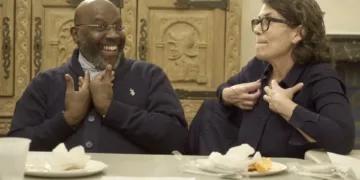























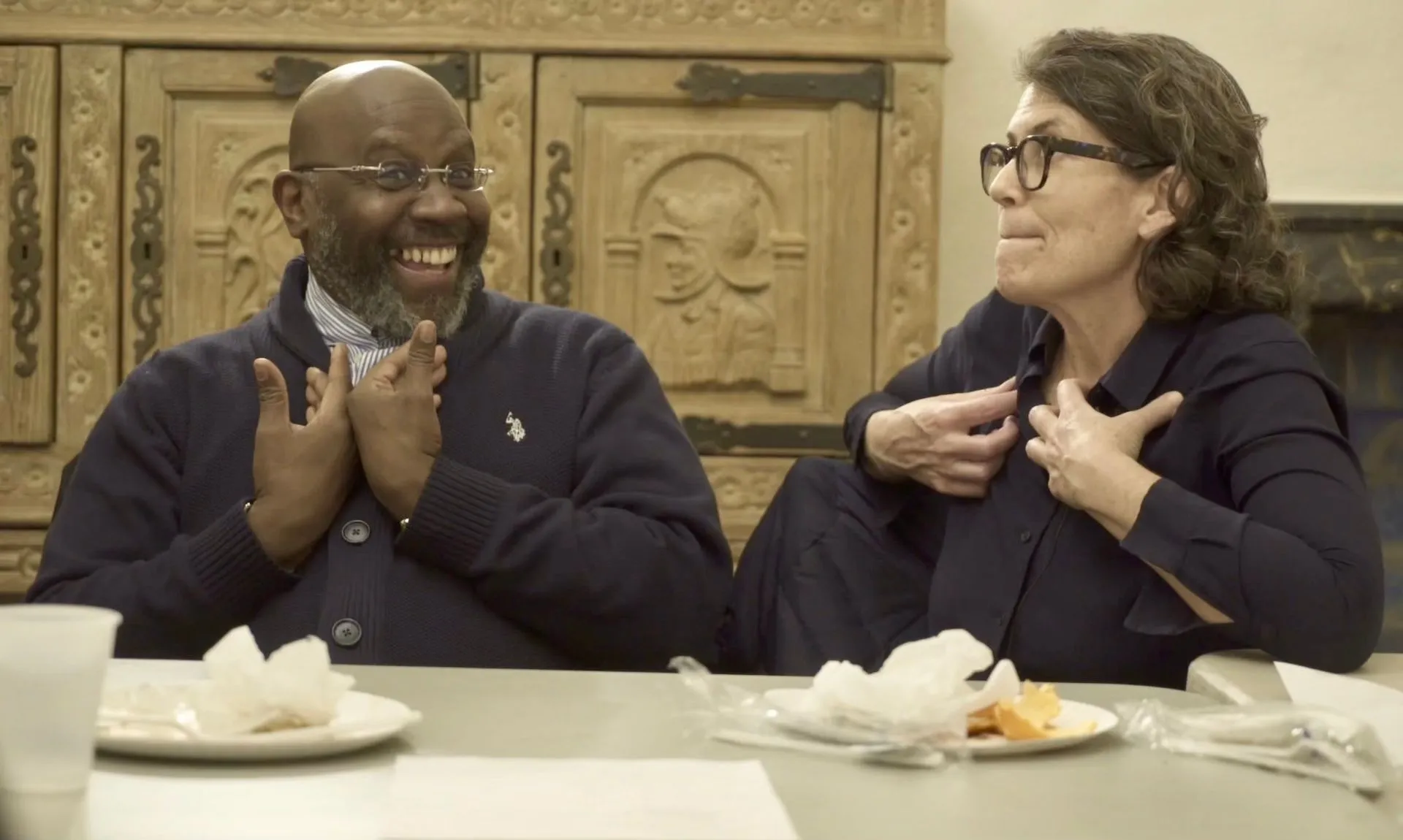

In “All God’s Children,” director Ondi Timoner invites viewers into the intricate tapestry of modern faith and social justice, weaving a narrative that is as urgent as it is poignant. The film focuses on Rabbi Rachel Timoner, the strong leader of Congregation Beth Elohim in Brooklyn, and Reverend Dr. Robert Waterman, the enthusiastic pastor of Antioch Baptist Church in the diverse Bedford-Stuyvesant area.
They must confront the chasms that divide their communities as their journey progresses against a backdrop of growing antisemitism and systemic racial injustice. Timoner’s lens catches the essence of their ambitious collaboration, which seeks to heal the historical and cultural gaps between their congregations, a job fraught with complexity and tension.
Ondi Timoner, known for her sharp storytelling in previous works like “Last Flight Home” and “Dig!,” uses a mix of personal observation and broader social critique to reveal the raw emotions and difficulties involved in promoting interfaith dialogue amidst a landscape marked by prejudice and misunderstanding.
The Pillars of Faith: Timoner and Waterman
In the “All God’s Children” narrative, Rabbi Rachel Timoner emerges as a symbol of compassion and resilience. She embodies a commitment to her faith and the larger issues facing her community as the leader of Congregation Beth Elohim. Her reasons come from her own experiences.
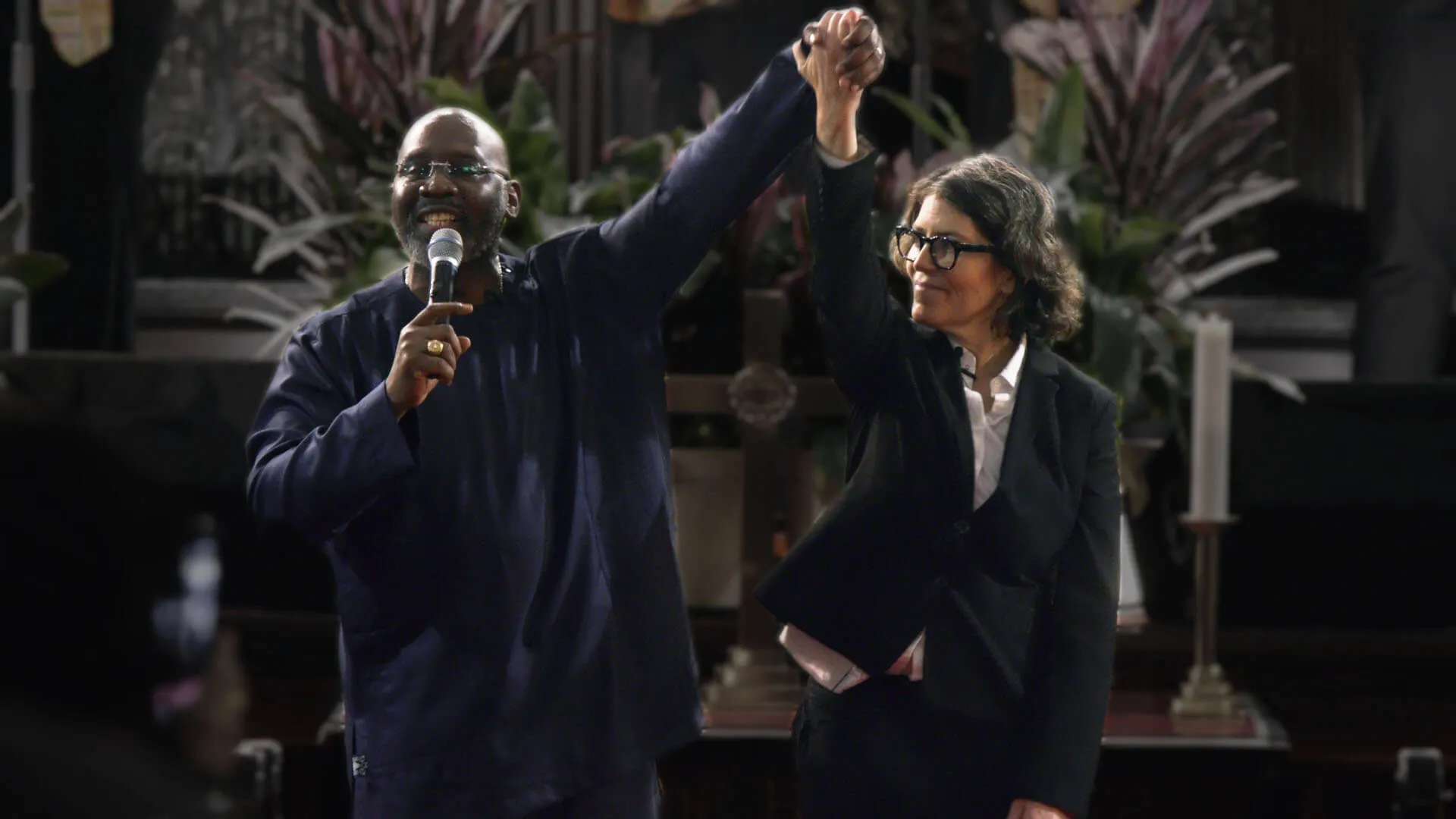
Seeing the increase in antisemitism has inspired her to help create understanding and support in a world becoming more divided by fear and confusion. Growing up in a place that promoted social justice; she uses her background to guide her work. She combines spiritual support with strong help for those who are overlooked. As she seeks to break down the barriers between her congregation and the nearby Black community, Timoner’s insistence on confronting the uncomfortable truths of history gives her role more urgency.
Reverend Dr. Robert Waterman is a strong leader at Antioch Baptist Church, and a deep knowledge of social inequalities characterizes him. The essence of fortitude in the face of systemic adversity can be found in Waterman’s background, which is marked by personal battle and success. His experiences as a Black man navigating the complexities of faith and community empower him to address the important issues of displacement and gentrification affecting his parishioners.
Waterman’s leadership goes beyond just being a religious obligation; it is a call to action and a rallying cry that seeks to inspire his community to fight injustice. These leaders work together to navigate the difficult waters of interfaith dialogue, with their experiences acting as a microcosm of the larger societal problems that “All God’s Children” so powerfully highlights.
The Crossroads of Antisemitism and Racism
In “All God’s Children,” antisemitism and racism are important issues that affect the lives of both the Jewish and Black communities in Brooklyn. The film powerfully shows how antisemitism is on the rise again and how it is both worrying and deeply based on historical grievances.
This rebirth shows up not only in overt acts of violence but also in the quieter loss of community trust, which leaves Jewish people feeling more vulnerable than ever. Underscoring the shared experiences of suffering that can lead to unexpected alliances, the narrative skillfully shows how this climate of fear compels Rabbi Rachel Timoner to seek unity with her neighbors.
On the other hand, the film explores the historical and present-day challenges that Black residents face, especially in the framework of structural racism. A shared narrative of resilience against forces that seek to divide and dehumanize these communities is revealed by the legacy of oppression experienced by them. The issue of gentrification emerges in this microcosm as a particularly subtle danger.
The act of “deed theft” in Bedford-Stuyvesant serves as an example of how vulnerable people, primarily Black, are taken advantage of through legal gaps, leading to displacement and loss of community. Residents are not just victims in this fight for housing security but also protagonists in their tales, battling developers’ advances and destroying their cultural heritage. The film acts as a mirror and a lens, reflecting the complexities of these problems and encouraging viewers to engage with the urgent realities of social justice and collective healing.
Interfaith Collaboration: Navigating the Waters of Understanding
The effort of Rabbi Rachel Timoner and Reverend Dr. Robert Waterman to create an interfaith alliance is a compelling focal point in “All God’s Children,” revealing the complexities and subtleties involved in such a partnership. As both leaders bring together members of their respective communities to engage in dialogue beyond platitudes, their initial talks are filled with hope.
This teamwork is based on active listening—trying to understand each other’s experiences and viewpoints. The film illustrates the transformative power of open communication in a world frequently characterized by conflict, illustrating how shared vulnerability can encourage empathy and connection.
The path to understanding, however, is far from easy. Tensions naturally arise as conversations progress, underscoring the heaviness of historical grievances that linger like ghosts. The participants grapple with the legacies of violence and prejudice that have shaped their identities, revealing that the path to reconciliation is riddled with misunderstanding landmines.
The excitement of a shared Seder, a Jewish ritual, contrasts with the seriousness of Easter celebrations in Christianity, exposing the delicate balance between respecting traditions and recognizing the pain that can come with them. The film skillfully shows the conflicts that arise when people’s goals clash with the difficult realities of cultural differences and past wrongs.
This tension reflects the mistrust and pain that have plagued both communities for centuries, and it is not just the result of different beliefs. Every meeting turns into a microcosm of larger social dynamics, revealing how coming together requires courage and an unwavering commitment to navigate the complexities of identity and history. In this complex dialogue, both leaders and members must confront their differences and the shared humanity that unites them, creating a narrative that focuses on healing and understanding.
Defining Moments: The Seder and the Passion Play
In “All God’s Children,” significant events act as catalysts for dialogue, illuminating the challenging but hopeful interactions of faith. Rabbi Rachel Timoner’s Seder is a testament to the potential for fellowship and shared understanding. This gathering, steeped in custom, asks members of both congregations to experience the richness of Jewish ritual, where blending bitter and sweet symbolizes the complexity of their shared journey.
Participants arrive with their histories and dreams for reconciliation, which creates a tense atmosphere. The response is mostly positive; it captures a moment of unity that is both joyful and somber, a look at the possibilities that emerge when communities decide to listen to and learn from each other.
However, the next performance of the Passion play by Reverend Dr. Robert Waterman’s church shows a clear difference from this spirit of working together. What starts as a show of faith quickly becomes a heated debate, revealing the ongoing tensions. The Passion play, with its dramatic account of Christ’s suffering, unintentionally draws Jewish actors into a historical narrative rife with suffering and persecution. The depiction of the crucifixion reopens old wounds, forcing Rabbi Timoner and her team to grapple with the implications of a performance that, while important to Christians, also echoes centuries of antisemitism. Amidst the strong desire for unity, this moment highlights the delicate dance between faith and historical wrongdoing, exposing the still-existing chasms.
With the rising emotions, the arrival of mediator Megan Black is an important turning point. Her job goes beyond just being a facilitator; she embodies the spirit of empathy and understanding crucial to navigating such contentious conversations. The congregations are given the courage to confront their fears under her direction, creating a safe environment where openness and vulnerability coexist. Black’s presence highlights the value of skilled mediation in encouraging dialogue, illustrating how listening—and being heard—can open the door to real connection. Her interventions remind us that healing is an inclusive, communal activity in a world frequently divided by dogma and history.
Themes of Healing, Empathy, and Growth
The themes of healing and empathy echo deeply in “All God’s Children,” illuminating the path through which deep-rooted divides can be crossed. The film skillfully depicts Rabbi Rachel Timoner and Reverend Dr. Robert Waterman’s difficult journey as they grapple with the legacies of racism and antisemitism, revealing that genuine reconciliation necessitates more than just dialogue; it necessitates a willingness to confront uncomfortable truths. Participants can move beyond preconceived ideas and build connections that challenge the status quo thanks to listening, which is infused with genuine curiosity.
The film serves as a testament to the transforming power of empathy as the congregations deal with the tension between their faiths. This quality, often missed when discussing community building, becomes a powerful force that helps people express their pain and see the shared humanity behind their experiences.
Timoner and Waterman work together to create a strong sense of community beyond surface-level connections, promoting a better understanding based on respect for one another. Their journey provides a clear guide for solving misunderstandings in a world filled with division. It shows that healing comes from accepting and using our differences as a strength.
Director’s Approach and Documentary Style
In “All God’s Children,” Ondi Timoner’s documentary style is an example of immersive storytelling, expertly fusing personal tales with more general social commentaries. Her method, characterized by a “fly-on-the-wall” viewpoint, encourages viewers to feel like they are part of the action rather than just watching from the sidelines.
This approach creates a close atmosphere, allowing the audience to fully engage with Rabbi Rachel Timoner and Reverend Dr. Robert Waterman’s emotional landscapes. The film’s impact is increased as a result, and viewers are drawn into the intricate dynamics of interfaith dialogue.
Timoner is skilled at telling personal stories while addressing important problems like antisemitism, racism, and gentrification. She humanizes the larger societal issues, making them approachable and relatable, by highlighting personal moments of weakness—whether during a Seder or amidst the tensions surrounding a Passion play.
In addition to enhancing the narrative, this personal and political interaction highlights how intertwined individual experiences are within a larger cultural framework. Timoner makes her film more than just a story about community relationships by doing so; it turns into a moving examination of the power of empathy and the possibilities for healing in a troubled world.
Conclusion and Overall Message
“All God’s Children” emerges as a moving look at the healing potential of community and understanding. The film conveys a strong message: healing is a team effort that requires a commitment to empathy and dialogue. This is important in today’s world, where people are often divided and disagreeing. Rabbi Rachel Timoner and Reverend Dr. Robert Waterman’s battles are a microcosm of the larger problems marginalized communities face.
The narrative suggests that hope is not just a distant idea but a real possibility, rooted in people’s willingness to work together across divides in the face of historical grievances and modern injustices.
As the film goes on, we see that good change grows from shared experiences and mutual respect. The film suggests that the path to a more inclusive future lies in the courage to confront discomfort and welcome the rich tapestry of human connection in this delicate interaction of faith and understanding.
The Review
All God's Children
"All God's Children" is an engaging documentary that expertly navigates the complex terrain of interfaith dialogue. It exposes the underlying wounds of racism and antisemitism while illuminating the power of empathy and cooperation. Ondi Timoner's immersive approach highlights the potential for healing through shared understanding, drawing viewers into close-up moments of connection. In a growing division, this film reminds us that we must engage in important conversations as a society.
PROS
- The fly-on-the-wall approach creates an immersive experience.
- Addresses contemporary issues of antisemitism and racism effectively.
- Personal narratives resonate deeply, fostering empathy.
- Emphasizes the potential for healing through dialogue.
CONS
- Certain segments may feel drawn out or slow.
- Focuses primarily on two faiths, potentially overlooking broader interfaith contexts.