




























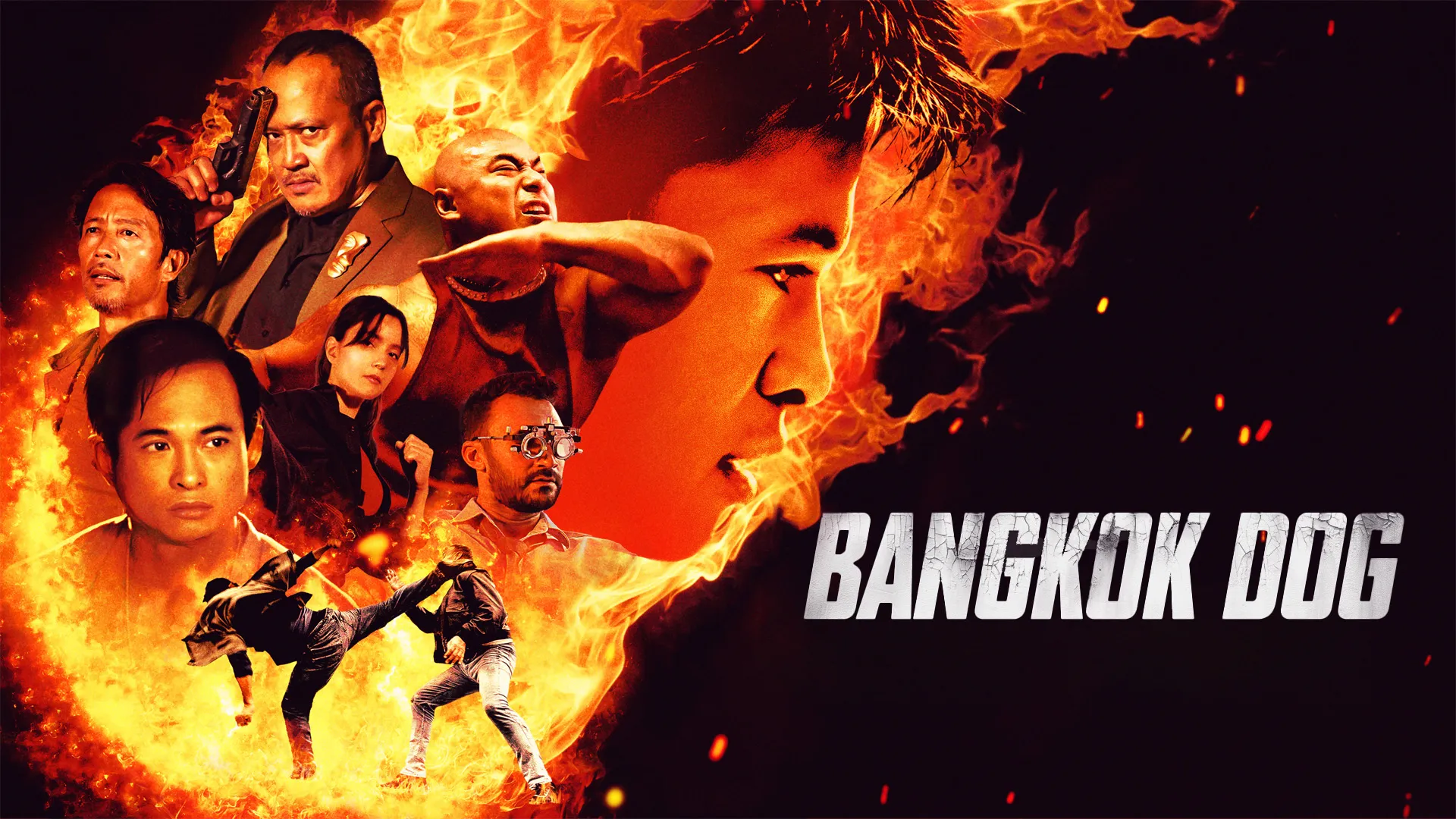

Bangkok Dog is a visceral exploration of morals and identity at a time when the distinction between hero and villain is becoming more ambiguous. The film, directed by Chaya Supannarat, is about a U.S. agent named Andrew Kang (D.Y. Sao) who infiltrates a Thai drug gang.
Bangkok Dog reflects our times at its core. The harsh world of the drug trade is used as a setting for more in-depth studies of trust and betrayal. Kang’s transition from police officer to criminal shows how roles are set by circumstances rather than conviction.
As Supannarat’s first film as a director, it stands out for its lively choreography and exploration of modern themes. Supporting characters, like Charn Chai Yoodee, played by Byron Bishop, make the story more complicated by showing a wide range of human emotions.
At a key point in the comeback of Thai action movies, Bangkok Dog tries to change the genre. In a world where right and wrong are becoming less clear, the symbolism of the “dog” in the title questions the blind loyalty that criminal groups and law enforcement expect. It also challenges audiences to reflect on their roles.
Shadows and Masks: The Duality of Identity in Bangkok Dog
The first scene of Bangkok Dog is a thrilling drug bust in which U.S. agent Andrew Kang (D.Y. Sao) intercepts a package that shows the horrifying truth of human trafficking: five bodies have been sucked in by desperate people, their deaths sealed in plastic bags of drugs. After being exposed to the dark side of crime, Kang goes on an undercover mission that feels like both a call to heroism and a descent into moral ambiguity.
After assuming the identity of Benz Wu, a key member of a Bangkok drug gang, Kang is forced to navigate a complicated world of crime where every alliance is fraught with danger and lies. The story turns into a mental chess game where Kang not only has to beat the bad guys but also deals with the truth that he is becoming more and more like them. In today’s society, where individuals frequently wear multiple masks to live, the film deftly illustrates the duality of identity—the agent and the criminal are two sides of the same coin.
Things get worse as Kang grows closer to Charn Chai Yoodee (Byron Bishop), a cynical but loyal gang member. Despite being fraught with danger, their friendship is compelling. The main dog of the film represents loyalty, but it also represents the possibility of moral compromise. As Kang approaches his new “family,” the lines between right and wrong become less clear, creating a sense of existential dread throughout the narrative.
There are themes of identity and moral ambiguity, and the psychological toll of undercover work makes them even more complicated. Kang is fighting not only with outside forces but also with his inner sense of right and wrong. He grapples with the question of authenticity—how much of the act is genuine, and how much is just a show? The unsettling question of whether true selfhood can exist in a world that demands constant adaptation is raised by this introspection, which mirrors larger societal issues where individuals frequently play roles dictated by circumstance.
In this way, Bangkok Dog acts as a cultural commentary, reflecting the complexities of contemporary life, where surviving frequently requires giving up one’s true self.
Unmasking the Self: Character Dynamics in Bangkok Dog
Andrew Kang, played with raw passion by D.Y. Sao, is central to Bangkok Dog. Kang embodies a profound battle with identity and purpose; he is not just a pawn in the narrative. He wants to do what’s right, but the moral compromises that come with working as an undercover cop make his reasons complicated.
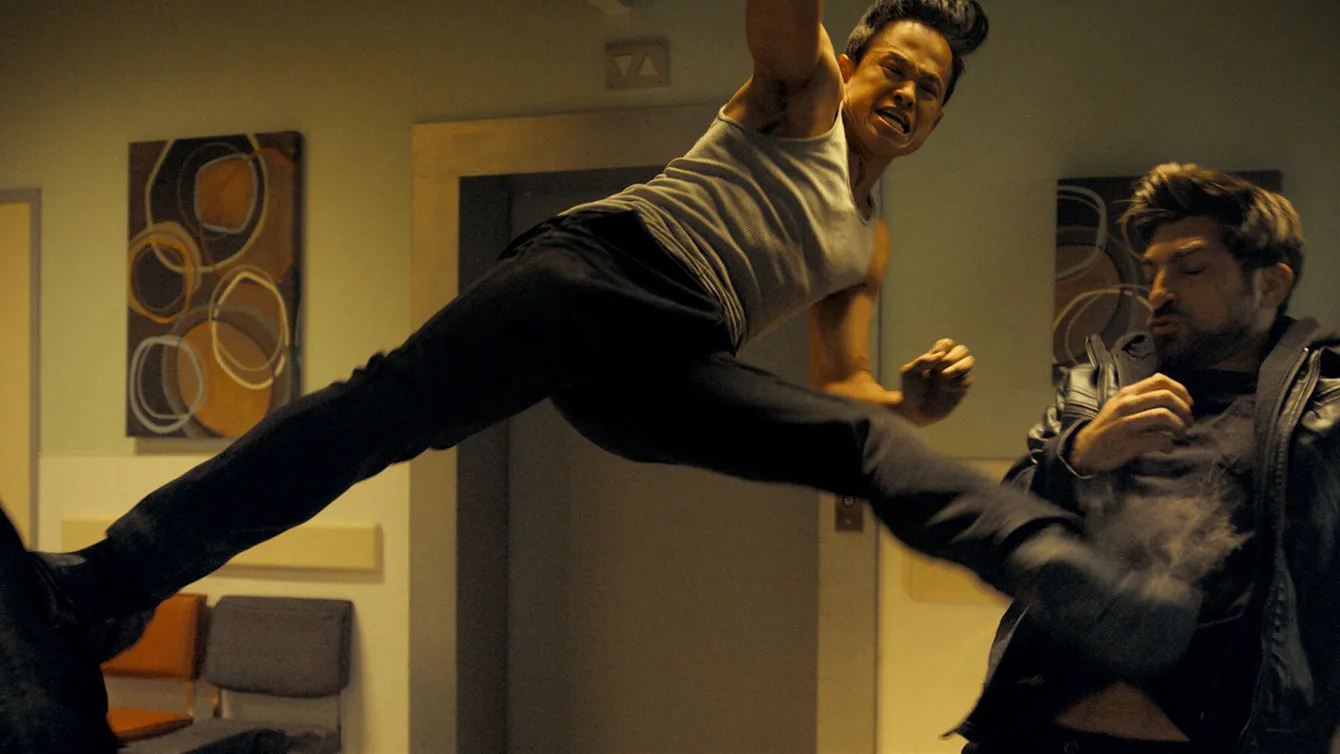
Kang’s strengths—his speed, fighting prowess, and ability to think quickly—are against his weaknesses as he infiltrates the Bangkok drug gang. The more he gets involved in this criminal world, the more likely he will lose himself. This raises the question of whether recovering from such a descent is possible.
The film is both compelling and disturbing in terms of Kang’s transformation. At first, he is a loyal agent determined to complete his task. But as he gets closer to gang members, especially Charn Chai Yoodee (Byron Bishop), the lines between his work and personal relationships blur.
This shift makes me wonder if someone can stay honest in a place that expects them to lie. People have different ideas about what loyalty means. Is it possible to be loyal to a cause while betraying its principles? Kang’s evolution shows this argument.
Supporting characters give this exploration a lot of depth. As she worries more and more about Kang’s emotional problems, Kaitlyn Liu (Jenny Philomena Van Der Sluijs), his partner, acts as a link to his former identity and a source of tension. While somewhat underdeveloped, Liu’s growth reflects the difficulties faced by those tasked with protecting their coworkers in morally murky circumstances.
The bad guy is Dominic Mesias, played by Sahajak Boonthanakit. His evil charm and cruel actions are always a threat. Mesias represents the draw of power and the dark side of human nature, making him more than just a villain. Kang’s inner conflict is stoked by his exchanges with him, which force him deeper into a moral gray area.
The relationships between these characters are complicated and have many sides. The relationships in Kang’s books are tense, blending friendship and betrayal. The film perfectly illustrates this duality by showing how quickly alliances can shift and how trust can be lost. Each interaction, full of hidden meanings, moves the narrative forward while reflecting larger societal problems with loyalty, identity, and the human condition.
In a world where everyone wears a mask, Bangkok Dog makes us think about how much these masks cost. The question still stands: How much of ourselves are we ready to give up to seek justice?
Kicks and Consequences: The Art of Action in Bangkok Dog
Intricate dance forms based on the rich tapestry of traditional martial arts are displayed in Bangkok Dog’s fight scenes, which are more than just spectacles of violence. The choreography, created by lead players D.Y. Sao and Brian Le, pulses with energy, just like the crazy criminal underworld that Kang infiltrates.
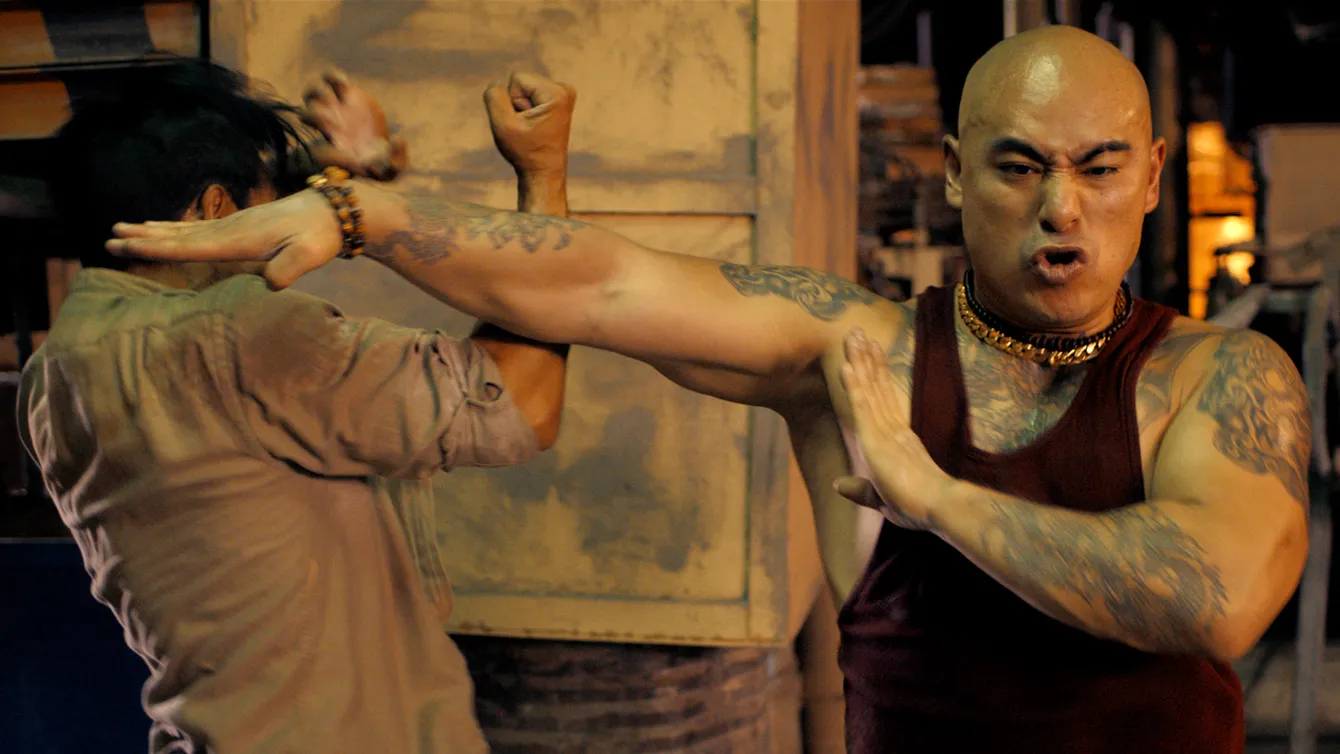
Some parts, like the rough scenes of debt collection, are thrilling and unsettling. This is because the choreography changes into a form of storytelling that shows the psychological stakes at play.
The fluidity of Muay Thai, Wushu, and even capoeira is used in the film’s action style, which pays homage to the traditional origins of martial arts. Even though the scene is rough, each kick and punch is done with a precision that belies it. This is not just fighting for the sake of it; this is a mirror of cultural heritage, where every move has the weight of history behind it. It could be called “cultural choreography,” a word that must be protected.
I can’t believe how well D.Y. Sao can move. He blends acrobatic skill with grounded reality, and his agility and fluidity make comparisons to Bruce Lee. As Kang, he embodies the fight against enemies from the outside but also against the chaos inside himself caused by his dual identity. In his role as Benz Wu, Brian Le meets Sao blow for blow, giving the villain type a strong presence that gives them depth. Their words aren’t just about winning a fight; they’re also about the mental games that their characters play with each other.
Ron Smoorenburg, known for working with famous martial artists, gives the choreography a touch of experience. Because of his appearance, the film feels more real; every kick and grapple has a sense of history and skill to it. The fights are choreographed with few cuts and focusing on the performers’ skills. This way, viewers can enjoy the artistry without relying on quick cuts to hide flaws.
Bangkok Dog uses the spirit of films like Ong-Bak and The Protector, which helped the genre gain international recognition by making comparisons to traditional Thai action films. However, while those films frequently celebrate the spectacle of martial arts, Bangkok Dog gives its action a weighty narrative examining violence’s consequences. It asks viewers not just to enjoy the fight but also to think about the moral problems that come with seeing something so cruel.
The film thus becomes a cultural artifact that reflects the development of martial arts cinema and comments on the complexities of human nature. Bangkok Dog strikes a delicate balance by reminding us that every kick has consequences in a world where action frequently precedes content.
Vision and Velocity: Direction and Cinematography in Bangkok Dog
Chaya Supannarat’s direction in Bangkok Dog is both new and nasty in how it tells stories. She successfully weaves Kang’s psychological journey into the film’s relentless pace, balancing character development with high-octane action.

Thanks to Supannarat’s skill in creating a palpable tension that highlights the moral complexities of her characters, the viewer can feel the weight of their choices as they make their way through the dangerous criminal underworld.
The film is a real treat for the eyes. Using dynamic camera views that pull the viewer into the visceral experience, the cinematography makes the already intense action scenes even better. The duality of the characters’ lives—one foot in the light of duty and the other in the darkness of crime—is evoked by the lighting, which plays a crucial role in the drama. The camera captures the fluidity of movement and the raw emotion etched on the characters’ faces in each fight scene, which is choreographed for effect and visual storytelling.
The speed is both good and bad. It keeps the viewers interested and the adrenaline pumping, but sometimes, it sacrifices deeper character exploration for the sake of spectacle. A slower, more deliberate pace might have allowed for richer character arcs in a film that grapples with the heavy themes of identity and loyalty, though perhaps that’s not what viewers want from a martial arts thriller.
In the end, Supannarat’s direction and the cinematography of the film work together to make a work that is both fun and thought-provoking. It is a blend of action and reflection that speaks to larger social themes.
Loyalty and Betrayal: The Moral Fabric of Bangkok Dog
Bangkok Dog explores themes of loyalty and treachery, which are woven into the characters’ stories in a complex way. Andrew Kang’s change from an agent to a criminal poignantly explores these ideas; his relationships become a minefield of trust and betrayal. As Kang approaches Charn Chai Yoodee, the stakes rise, showing how loyalty can strengthen and weaken a person’s character.
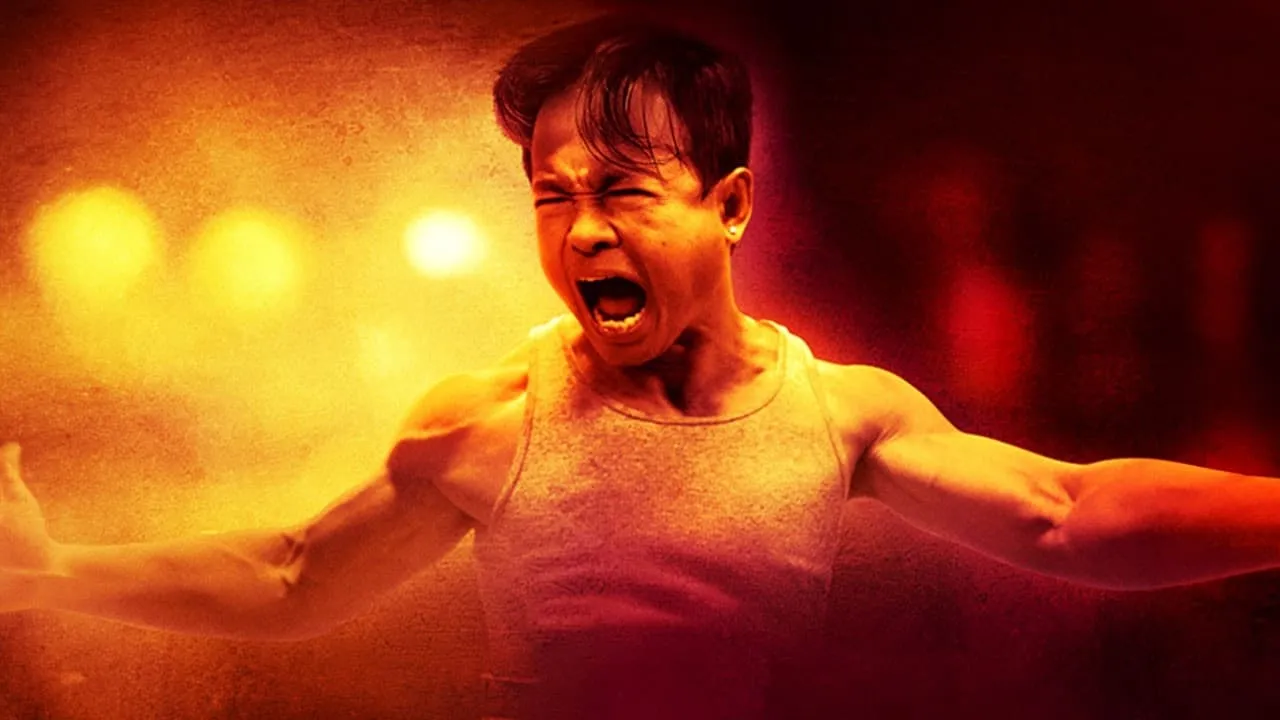
The film’s tone is rough and honest, which will appeal to action fans who want real stories. Instead of presenting a polished narrative that hides the harsh realities of the world it shows, Supannarat removes the gloss that is common in action films.
This straightforward method enables an emotional resonance that elevates the action above mere spectacle. It’s a tone that reflects the roughness of the streets and serves as a warning that loyalty can be as transient as an echo in the world of crime.
A Complex Canvas: Final Thoughts on Bangkok Dog
Bangkok Dog excels in its visceral action and character development, combining exciting choreography with a deep exploration of loyalty and betrayal. But sometimes, the pace slows down, giving up depth for excitement. It does a good job of showing how harsh the crime world is, but sometimes its rich themes leave viewers wanting more.

In terms of its place in the martial arts genre, the film might encourage other movies to focus on inner complexities instead of just using action as a spectacle. It represents a shift away from traditional ideas of heroism toward narratives that challenge them.
Action fans and those drawn to morally murky characters will enjoy this film. If you like a good blend of action and philosophical themes, Bangkok Dog is a good movie. Just be aware that the ride might make you feel guilty and excited.
The Review
Bangkok Dog
A compelling addition to the martial arts genre, Bangkok Dog skillfully combines intense action with a complex exploration of loyalty and betrayal. D.Y. Sao's performance and Chaya Supannarat's gritty direction elevate the narrative above mere spectacle. The film's raw realism and psychological depth leave a lasting impression, even if the pacing sometimes impedes greater character development. It asks the viewer to reflect on the characters' moral complexities and decisions.
PROS
- Intense and well-choreographed action sequences.
- Strong character development, particularly of the lead.
- Gritty, authentic tone that enhances emotional depth.
- Thought-provoking themes of loyalty and betrayal.
- High production quality and visually engaging cinematography.
CONS
- Pacing issues that may detract from character exploration.
- Some supporting characters are underdeveloped.
- May rely too heavily on genre conventions at times.







