





























• Latest
  • Trending
Rose Review

Rose Review: Embracing Loss with Subtle Artistry

Dora Review

Dora Review: Psychological Distress Written on the Skin

Think Good Review

Think Good Review: The Exhaustion Behind Every Small Disagreement

Disney/Pixar Toy Story: Retro Roundup! Review

Disney/Pixar Toy Story: Retro Roundup! Review: An Archive Worth Exploring Between Attempts

Spring Review

Spring Review: Mourning Becomes an Act of Resistance

Dernsie: The Amazing Life of Bruce Dern Review

Dernsie: The Amazing Life of Bruce Dern Review: Admiration Works Best With Evidence

Crescendo Review

Crescendo Review: Mozart Keeps the Company Moving

Vertiginous Review

Vertiginous Review: Reality Can Wait Until After Breakfast

Warhammer 40,000: Boltgun 2 Review

Warhammer 40,000: Boltgun 2 Review: The Pleasure of Being Dangerously Overconfident

The Nightmare Upstairs: What Happened to Ty and Bryn? Review

The Nightmare Upstairs: What Happened to Ty and Bryn? Review: Cameras Capture What Interviews Cannot Resolve

Aquí Review

Aquí Review: Coetzee’s Questions Find Their Feet

Relentless Memory Review

Relentless Memory Review: Listening for Katrülaf

World Without Cows Review

World Without Cows Review: Warm Encounters, Uneasy Confidence

  • Home
  • Privacy Policy
  • Terms and Conditions
  • Gazettely Review Guidelines
Friday, October 16, 2026
GAZETTELY
  • Home
  • Movie and TV News
    Midday Meal

    Majid Majidi’s “Midday Meal” Wins Best Film at Busan, Qualifies for Oscars

    Evac

    Renny Harlin to Direct Prison Rescue Thriller “Evac”

    LaRoyce Hawkins

    LaRoyce Hawkins Exits “Chicago P.D.” After 11 Seasons as Atwater

    The Lowdown

    “The Lowdown” Returns With Tommy Lee Jones as Ethan Hawke’s Estranged Father

    Christy Carlson

    Christy Carlson Romano Says She Earned Half of Shia LaBeouf’s Pay on “Even Stevens”

    Sylvester Stallone

    Sylvester Stallone Has “Millions of Regrets” About Doing His Own Stunts

    Kelsey Grammer

    Kelsey Grammer to Play Late-Life EMT in NBC Drama “Pops”

    You Can See Everything

    A24’s “You Can See Everything” Eyes Biggest Documentary Opening Since the Pandemic

    Peter Safran

    Peter Safran Confirms “Swamp Thing” Is Alive as DC Studios Moves Into Skydance Era

  • Movie and TV Reviews
    Dora Review

    Dora Review: Psychological Distress Written on the Skin

    Think Good Review

    Think Good Review: The Exhaustion Behind Every Small Disagreement

    Spring Review

    Spring Review: Mourning Becomes an Act of Resistance

    Dernsie: The Amazing Life of Bruce Dern Review

    Dernsie: The Amazing Life of Bruce Dern Review: Admiration Works Best With Evidence

    Crescendo Review

    Crescendo Review: Mozart Keeps the Company Moving

    Vertiginous Review

    Vertiginous Review: Reality Can Wait Until After Breakfast

    The Nightmare Upstairs: What Happened to Ty and Bryn? Review

    The Nightmare Upstairs: What Happened to Ty and Bryn? Review: Cameras Capture What Interviews Cannot Resolve

    Aquí Review

    Aquí Review: Coetzee’s Questions Find Their Feet

    Relentless Memory Review

    Relentless Memory Review: Listening for Katrülaf

  • Game Reviews
    Disney/Pixar Toy Story: Retro Roundup! Review

    Disney/Pixar Toy Story: Retro Roundup! Review: An Archive Worth Exploring Between Attempts

    Warhammer 40,000: Boltgun 2 Review

    Warhammer 40,000: Boltgun 2 Review: The Pleasure of Being Dangerously Overconfident

    over the hill Review

    over the hill Review: Funselektor Finds Its Feet in Low Gear

    Tales of Eternia Remastered (1)

    Tales of Eternia Remastered Review: Good Plans, Unreliable Execution

    Allogloom Review

    Allogloom Review: Finding Affection Among the Flesh-Eating Moths

    Deep Dish Dungeon Review

    Deep Dish Dungeon Review: Making a Home in Hostile Ruins

    Time To Wake Up Review

    Time To Wake Up Review: Blinking Through an Uneven Nightmare

    Bluey’s Happy Snaps Review

    Bluey’s Happy Snaps Review: Familiar Places, Fresh Reasons to Look

    Planet Zoo 2 1

    Planet Zoo 2 Review: Breeding Beyond the Fence

  • The Bests
No Result
View All Result
  • Home
  • Movie and TV News
    Midday Meal

    Majid Majidi’s “Midday Meal” Wins Best Film at Busan, Qualifies for Oscars

    Evac

    Renny Harlin to Direct Prison Rescue Thriller “Evac”

    LaRoyce Hawkins

    LaRoyce Hawkins Exits “Chicago P.D.” After 11 Seasons as Atwater

    The Lowdown

    “The Lowdown” Returns With Tommy Lee Jones as Ethan Hawke’s Estranged Father

    Christy Carlson

    Christy Carlson Romano Says She Earned Half of Shia LaBeouf’s Pay on “Even Stevens”

    Sylvester Stallone

    Sylvester Stallone Has “Millions of Regrets” About Doing His Own Stunts

    Kelsey Grammer

    Kelsey Grammer to Play Late-Life EMT in NBC Drama “Pops”

    You Can See Everything

    A24’s “You Can See Everything” Eyes Biggest Documentary Opening Since the Pandemic

    Peter Safran

    Peter Safran Confirms “Swamp Thing” Is Alive as DC Studios Moves Into Skydance Era

  • Movie and TV Reviews
    Dora Review

    Dora Review: Psychological Distress Written on the Skin

    Think Good Review

    Think Good Review: The Exhaustion Behind Every Small Disagreement

    Spring Review

    Spring Review: Mourning Becomes an Act of Resistance

    Dernsie: The Amazing Life of Bruce Dern Review

    Dernsie: The Amazing Life of Bruce Dern Review: Admiration Works Best With Evidence

    Crescendo Review

    Crescendo Review: Mozart Keeps the Company Moving

    Vertiginous Review

    Vertiginous Review: Reality Can Wait Until After Breakfast

    The Nightmare Upstairs: What Happened to Ty and Bryn? Review

    The Nightmare Upstairs: What Happened to Ty and Bryn? Review: Cameras Capture What Interviews Cannot Resolve

    Aquí Review

    Aquí Review: Coetzee’s Questions Find Their Feet

    Relentless Memory Review

    Relentless Memory Review: Listening for Katrülaf

  • Game Reviews
    Disney/Pixar Toy Story: Retro Roundup! Review

    Disney/Pixar Toy Story: Retro Roundup! Review: An Archive Worth Exploring Between Attempts

    Warhammer 40,000: Boltgun 2 Review

    Warhammer 40,000: Boltgun 2 Review: The Pleasure of Being Dangerously Overconfident

    over the hill Review

    over the hill Review: Funselektor Finds Its Feet in Low Gear

    Tales of Eternia Remastered (1)

    Tales of Eternia Remastered Review: Good Plans, Unreliable Execution

    Allogloom Review

    Allogloom Review: Finding Affection Among the Flesh-Eating Moths

    Deep Dish Dungeon Review

    Deep Dish Dungeon Review: Making a Home in Hostile Ruins

    Time To Wake Up Review

    Time To Wake Up Review: Blinking Through an Uneven Nightmare

    Bluey’s Happy Snaps Review

    Bluey’s Happy Snaps Review: Familiar Places, Fresh Reasons to Look

    Planet Zoo 2 1

    Planet Zoo 2 Review: Breeding Beyond the Fence

  • The Bests
No Result
View All Result
GAZETTELY
No Result
View All Result
Rose Review

Three Birthdays Review: Reflections on Family and Time

Sly Lives! (aka the Burden of Black Genius) Review: Exploring the Complex World of a Music Icon

Home Entertainment Movies

Rose Review: Embracing Loss with Subtle Artistry

Zhi Ho by Zhi Ho
2 years ago
in Entertainment, Movies, Reviews
Reading Time: 6 mins read
A A
0
Share on FacebookShare on TwitterShare on PinterestShare on WhatsAppShare on TelegramSummarize with ChatGPTSummarize with Perplexity

The film opens with a celebration marking a significant family milestone—a lively birthday event that brings together a close-knit group, setting the stage with an atmosphere of joy tinged with an undercurrent of impending loss.

In this setting, we meet Rose, a 78-year-old widow, whose life is defined by decades of devotion before the sudden news about her husband’s failing health turns the tone of the gathering. His passing acts as the spark that disrupts the familiar, compelling Rose to reconsider her place within her family and her own identity.

As the story unfolds, the film shifts focus from the initial family warmth to the quieter, more personal moments of sorrow. The narrative transitions into a phase where Rose begins to reexamine her long-held routines and the expectations imposed on her by those around her.

The pace is measured yet deliberate, as memories from the past are interspersed with current moments of unexpected encounters and brief flashes of humor. This structure allows us to experience the layered evolution of her emotions, mirroring the gradual acceptance of a new, self-affirming way of living.

The Core of Relationships

Rose begins the film as a woman whose life has been shaped by her roles as a devoted wife and a caring mother. At the start, she is portrayed as someone confined by expectations that have long defined her existence. As the story unfolds, we see her gradually explore aspects of life she had set aside.

Her struggle with loss and hesitation about stepping into a new chapter brings forth a more assertive side. There are moments when her cautious steps toward new friendships and a budding romantic connection hint at a rediscovery of personal desires.

Her interactions with her children add rich layers to her character. Pierre carries a serious demeanor, driven by a sense of duty that sometimes treads the fine line between genuine concern and excessive control. His approach to managing family matters reveals his inner conflict between responsibility and personal ambition.

Sarah exhibits a tender sensitivity, her past relationships influencing the way she guides her mother through this period of change. Her emotional responses provide insight into the vulnerabilities that often remain hidden behind everyday interactions.

Léon represents youthful defiance and the struggle of breaking free from reliance. His personal missteps and legal troubles underscore the complexity of his relationship with his mother, where dependency clashes with a desire for independence.

Additional figures in the narrative further color the familial portrait. Marceline emerges as a wise peer who opens Rose’s eyes to alternative modes of living, offering her a perspective that is both refreshing and challenging. Laurent, the younger suitor, introduces an element of new possibility, hinting at the chance for personal reinvention.

Minor characters, each with their distinct traits and challenges, contribute subtle hints of generational contrast and individual quirks that deepen the overall emotional landscape of the film, leaving one to consider how every small interaction adds to the evolving picture of a family in transformation.

Core Themes and Symbols

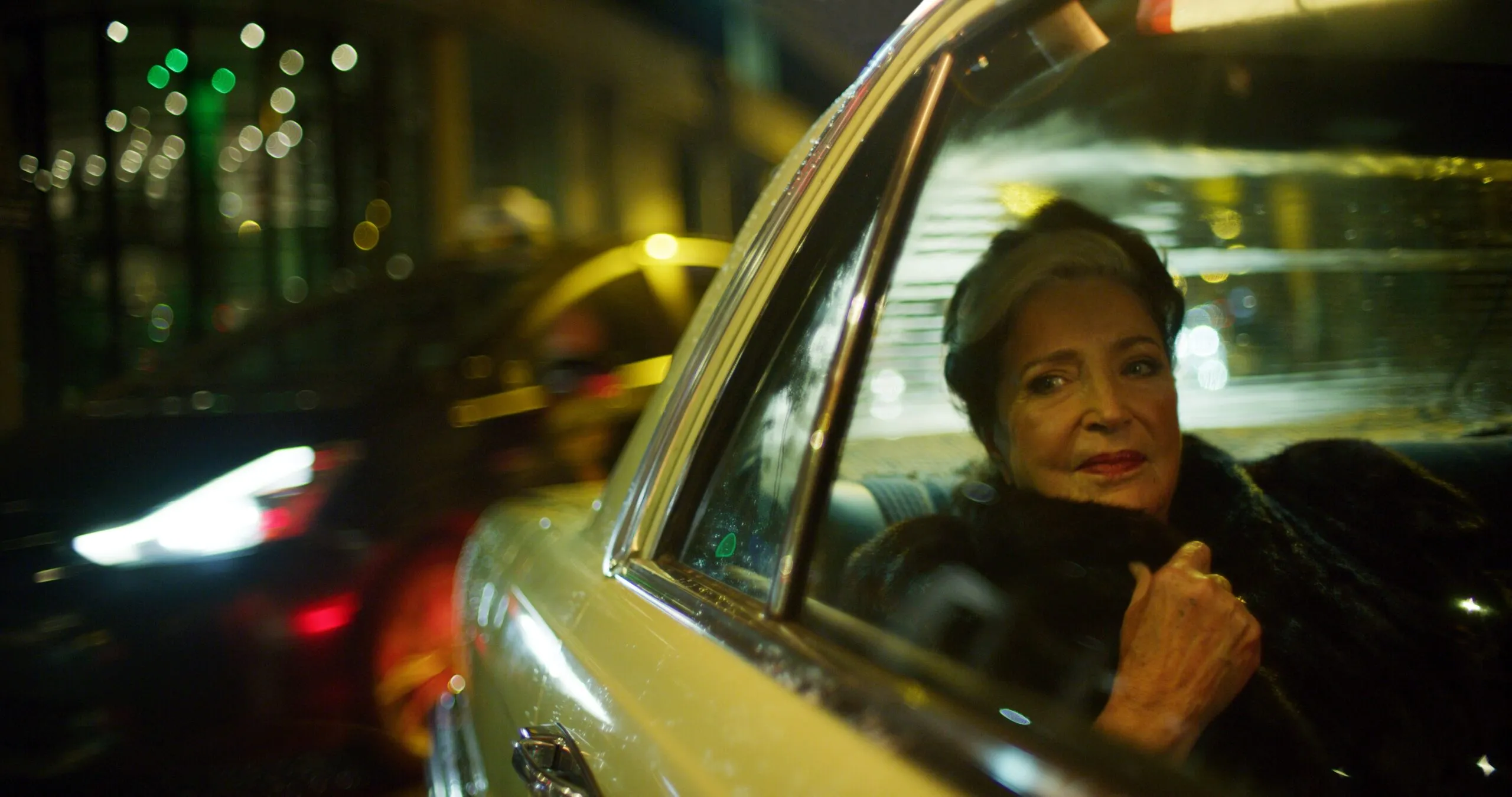
The film presents mourning as a heavy load that later becomes a spark for change. In one of its early scenes, a formal farewell is marked by a somber ceremony where loss is felt in every silence. Yet, as Rose begins to reconnect with life’s simple pleasures—sharing a laugh at a dinner gathering or a quiet moment alone—the film captures a gradual shift away from despair.
Rose Review

Small details, like a lingering shot on a familiar object or a subtle change in lighting during personal moments, hint at an inner renewal that gradually overcomes grief.

Rose’s story challenges the typical picture of aging. Her cautious steps toward a fresh connection and an unexpected flirtation open up a space where self-assertion and emotional rediscovery take center stage.

This moment of renewed passion is presented not as a fleeting whim but as a sign of the strength hidden beneath years of routine and restraint. Her actions remind us that the desire for change and new experiences does not come with an expiry date.

Family rituals and daily traditions occupy a central place in the narrative. Regular meals and long-held customs appear both as sources of comfort and as reminders of roles that have long limited personal freedom.

These practices set the stage for a tension between keeping cherished customs and making room for new ways of being. Each family scene, with its familiar sounds and settings, contributes to an intricate picture of how inherited habits can both support and restrict individual growth.

A recurring costume—a sea foam green caftan—acts as a marker of transformation, while carefully chosen musical themes tie emotional moments to visual signals. The film’s aesthetic choices support its story by linking personal shifts to memorable symbols, inviting the viewer to reflect on the quiet strength required to remake one’s life.

Cultural Expressions in a Personal Story

Culture plays a strong role in the film, presenting a rich mixture of traditions that shape the characters and their surroundings. Jewish elements are integrated in a warm and personal manner.
Rose Review

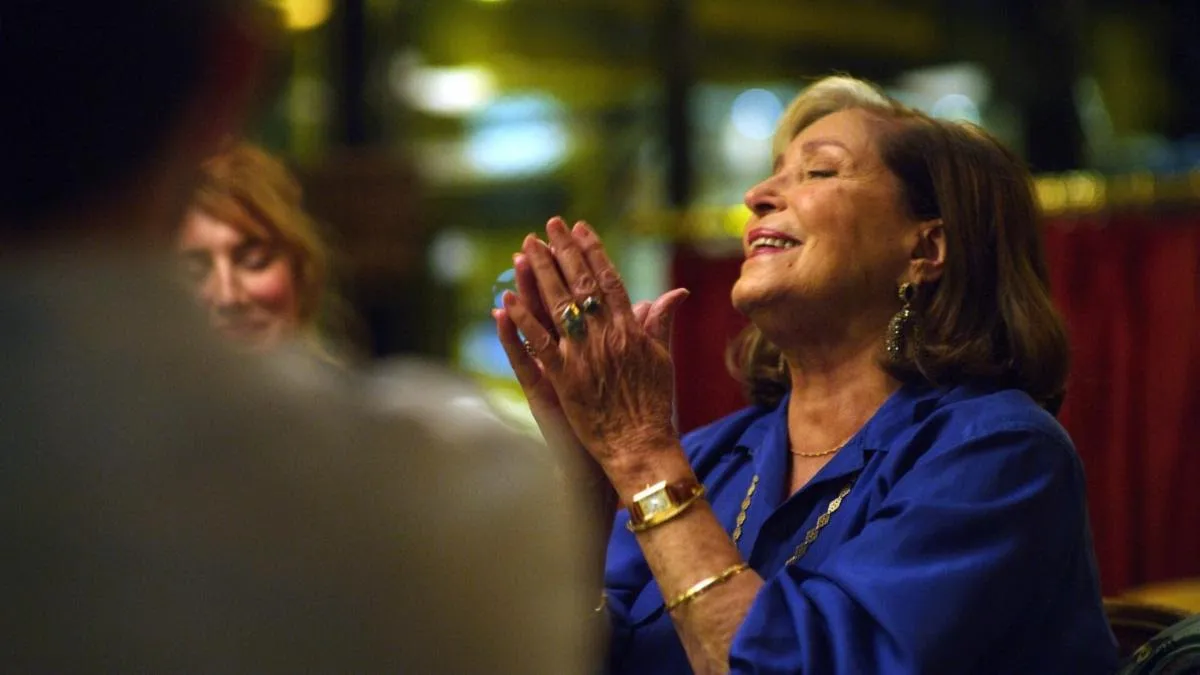
The film features Yiddish songs that fill scenes with a distinct air of celebration, while a shared recipe for makroud stands out as a memorable detail. These moments ground the narrative in customs passed down through generations and evoke a sense of community through its music, language, and everyday practices.

Rose’s Tunisian background is another key element. The film paints a picture of a diasporic experience by incorporating North African customs into the storyline. This combination of cultural influences is set against a modern French backdrop, where contemporary settings blend with long-established practices.

The characters’ interactions during family meals and festive gatherings reflect a life shaped by varied traditions, and the scenes capture the small rituals that define both personal identity and a sense of belonging.

The director’s personal history shines through every aspect of the work. Original music and carefully chosen visual details pay homage to her heritage and personal memory. Creative choices in costume and set design establish a mood that connects personal recollections with present moments. Such details invite viewers to see the film as a living record of cultural memory, where everyday objects and customs carry meaning far beyond their immediate function.

The film presents an interesting contrast between the comfort of long-held customs and the pull toward fresh expressions in daily life. Family roles and established traditions serve as both support and a reminder of patterns that have shaped the characters. This balance of old practices and new impulses leaves one pondering how personal history influences the way we face change and embrace new forms of expression.

Visual and Auditory Dimensions

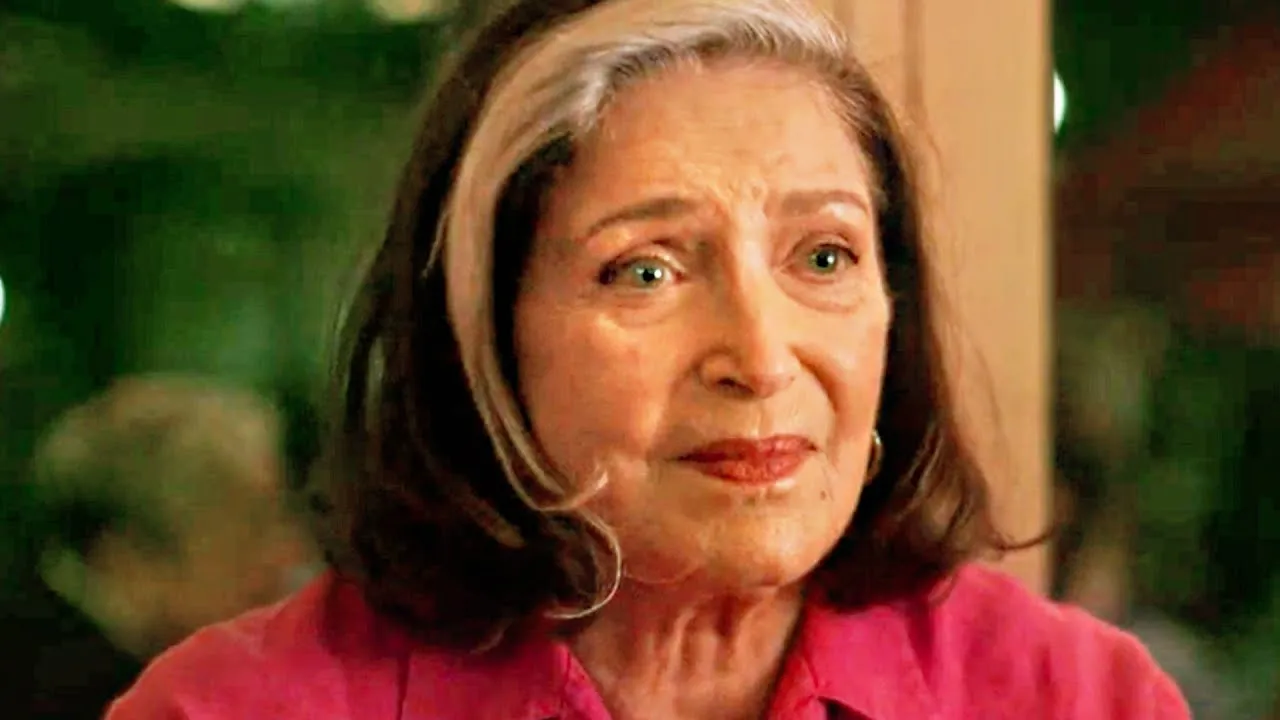
The film employs widescreen framing that mirrors the internal shifts of Rose, shifting from static, dim compositions during moments of sorrow to dynamic, open compositions as she reclaims her self-expression.
Rose Review

A notable instance is the use of a sea foam green caftan, which serves as a visual cue for her personal transformation. The arrangement of shots and careful framing guide the audience through her emotional state without relying on overt dialogue.

Music plays a pivotal role in setting the film’s tone. Traditional Yiddish tunes intermingle with original compositions to create an audible map of the character’s mood swings.

The score transitions smoothly from quiet, reflective passages during times of loss to more rhythmic and lively motifs when the film captures moments of inner revival. Ambient sounds and measured dialogue intervals heighten the sensory experience, drawing attention to subtle shifts in mood.

The detailed set design—featuring family heirlooms, cultural artifacts, and thoughtfully arranged home décor—reinforces a strong sense of heritage. These carefully chosen visual elements work together with the auditory cues to form a cohesive narrative backdrop that enriches the viewer’s engagement with Rose’s evolving world.

Director’s Vision & Lasting Impression

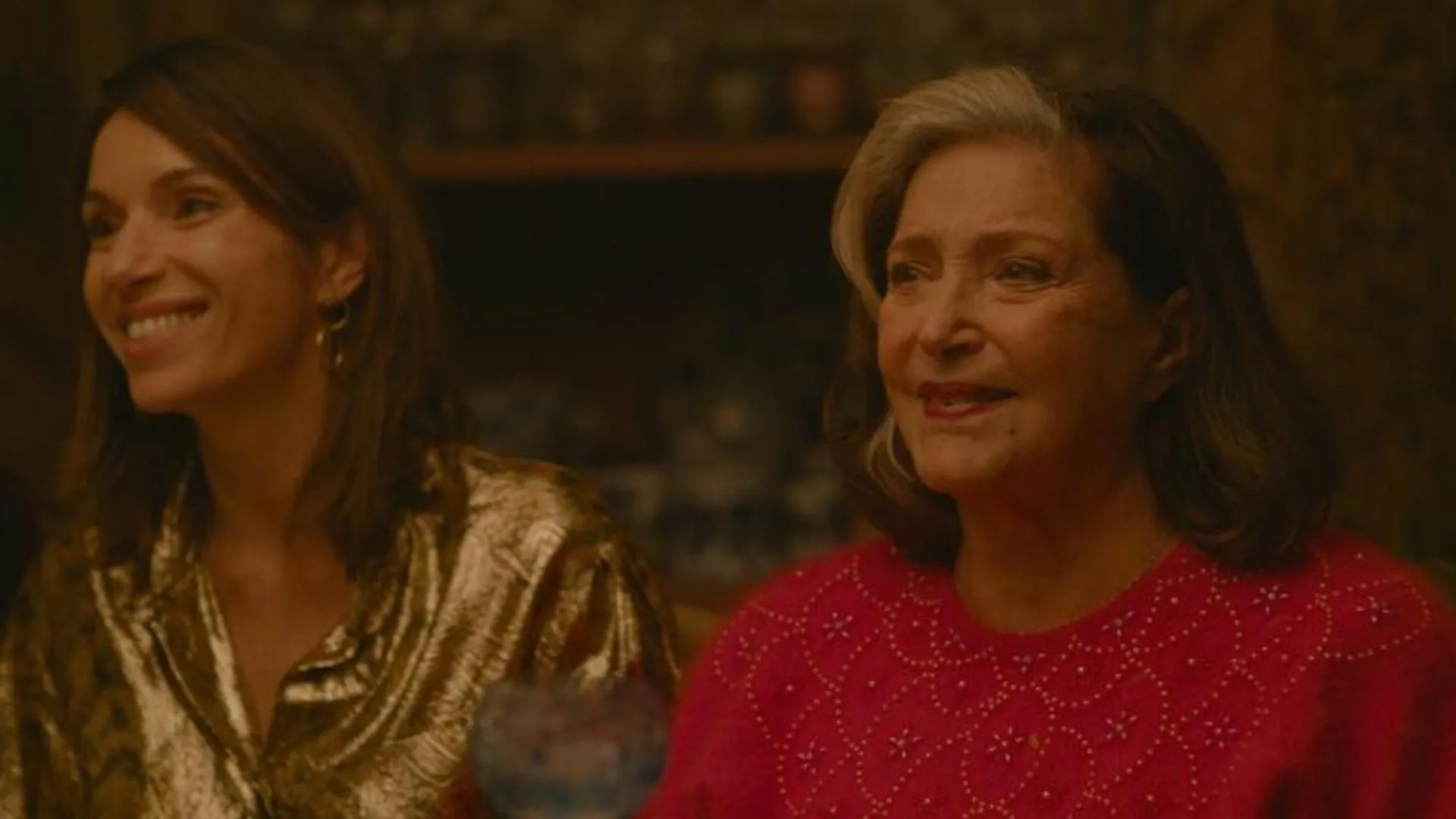
Aurélie Saada brings a personal imprint to her first feature, blending aspects of her cultural roots and musical background to shape the film’s feel. Her effort is a heartfelt project that marries music, family ties, and cultural celebration in a way that feels sincere and understated.
Rose Review

The film offers a look at layered emotions where quiet moments of humor are interspersed with deep feelings of loss and renewal. The measured pacing allows each scene to express subtle shifts in mood, inviting viewers to see reflections of their own experiences. Saada’s style demonstrates an eye for detail that makes everyday interactions seem rich with meaning.

Saada’s direction invites us to observe every nuance in her characters’ behavior, creating moments that capture the interplay between past and present. Her work sets a benchmark for personal filmmaking that inspires viewers to reexamine their own narratives, leaving one to ponder how memory and modern life can influence personal change.

The Review

Rose

8 Score

This film offers a sensitive portrayal of transformation after loss, merging personal storytelling with subtle cultural detail. Saada's direction brings gentle emotional shifts and thoughtful pacing that invites reflection. The movie celebrates the complexity of human emotion while remaining modest and sincere, earning recognition for its careful craft and meaningful character study.

PROS

  • Sensitive portrayal of personal loss and renewal
  • Detailed cultural references that enrich the narrative
  • Thoughtful pacing and visual storytelling

CONS

  • Some narrative choices may feel restrained
  • Character development can appear understated

Review Breakdown

  • Overall 0
Tags: Aure AtikaAurélie SaadaComedyDramaElsa RoddeFeaturedFrançoise FabianGrégory MontelJudith NoraMartin De ChabaneixPriscilla BertinRoseRose (2021)
Previous Post

Three Birthdays Review: Reflections on Family and Time

Next Post

Sly Lives! (aka the Burden of Black Genius) Review: Exploring the Complex World of a Music Icon

This Week's Top Reads

  • Is This Seat Taken? Review

    Is This Seat Taken? Review: A Satisfying Mental Workout

    1327 shares
    Share 0 Tweet 0
  • Trust Review: Squandered Potential and an Incoherent Plot

    6 shares
    Share 0 Tweet 0
  • Treasure Island Review: David Oyelowo Commands an Uneven Adventure

    0 shares
    Share 0 Tweet 0
  • Dustfall Review: Crime Television That Stays With the Survivor

    0 shares
    Share 0 Tweet 0
  • The Party Review: The Birthday Boy Would Like the Country

    0 shares
    Share 0 Tweet 0
  • Blue Lights Season 4 Review: Who Gets Exposed, Who Stays Protected

    1 shares
    Share 0 Tweet 0
  • Adult Supervision Review: Children Need Help Their Fathers Cannot Quite Give

    0 shares
    Share 0 Tweet 0

Must Read Articles

The Diplomat Season 4 Review
TV Shows

The Diplomat Season 4 Review: Every Marriage Has a Foreign Policy

1 day ago
Whalefall Review
Movies

Whalefall Review: Breathing Lessons from a Damaging Father

1 day ago
Ludwig Season 2 Review
TV Shows

Ludwig Season 2 Review: Lucy Gets the Credentials and the Story Gets Better

3 days ago
Crystal Lake Review
TV Shows

Crystal Lake Review: Cardellini Carries the Carnage

3 days ago
Time Season 3 Review
TV Shows

Time Season 3 Review: Rehabilitation Left Off the Rota

3 days ago
Loading poll ...
Coming Soon
Which of Alfred Hitchcock's 1960s thrillers is your all-time favorite?

Gazettely is your go-to destination for all things gaming, movies, and TV. With fresh reviews, trending articles, and editor picks, we help you stay informed and entertained.

© 2021-2026 All Rights Reserved for Gazettely

What’s Inside

  • Movie & TV Reviews
  • Game Reviews
  • Featured Articles
  • Latest News
  • Editorial Picks

Quick Links

  • Home
  • About US
  • Contact Us
  • Advertise with Us
  • Review Guidelines

Follow Us

Facebook X-twitter Youtube Instagram
No Result
View All Result
  • Gazettely | Movie, TV & Game Reviews, News, and Rankings
  • Movies
  • Entertainment News
  • Movie and TV Reviews
  • TV Shows
  • Game News
  • Game Reviews
  • Contact Us

© 2024 All Rights Reserved for Gazettely




