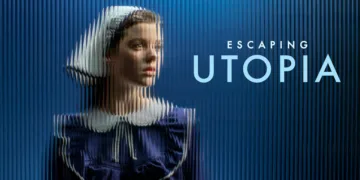












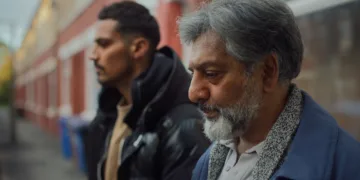














Escaping Utopia unfolds over three hour-long episodes on BBC Two (also streaming on iPlayer and ABC iview), guiding viewers into the secluded commune of Gloriavale in New Zealand. At its heart lies Neville “Hopeful Christian” Cooper’s promise of a Christian paradise—yet what emerges is a system built on rigid obedience, gender hierarchies and fear of eternal punishment.
The documentary observes daily routines—from uniformed community gatherings to choreographed labour in kitchens and laundries—without sensational musical cues or dramatic cliffhangers. Instead, it grants space for former members to speak candidly, juxtaposing their memories of childhood indoctrination with the stark challenges of adapting to life beyond the compound’s fences.
This series asks: what mechanisms allow collective faith to mutate into psychological captivity? And once exiles taste freedom, how do they confront the ordinary world they once feared? The filmmakers’ restrained camera work and reliance on archival footage underscore each survivor’s testimony, creating an intimacy that magnifies the stakes.
As viewers, we witness not only the unfolding of institutional power but also the fragile blossom of agency when isolation gives way to choice. In doing so, Escaping Utopia stakes its claim as a portrait of belief tested by abuse—and of resilience forged in the pursuit of self-determination.
Roots of Faith and Control
In 1969, Australian preacher Neville Cooper arrived on New Zealand’s South Island claiming a divine revelation to build a Christian utopia. What began as a small gathering on remote farmland transformed into Gloriavale, a self-contained enclave governed by Cooper’s absolute authority.
Power flowed downward: Cooper at the summit, a handful of “shepherds” enforcing his doctrines, and the congregation required to follow without question. Community laws banned contraception and enforced communal property, while women donned antique-style uniforms and young people of different sexes were segregated entirely.
Also Read





At its peak, Gloriavale sheltered roughly 600 souls, about half born into its fold. Childhood there lacked common rites of passage—no public schooling, no casual conversation with outsiders, and minimal exposure to news or popular culture. Instead, members grew accustomed to a narrow worldview where disobedience meant eternal damnation. That terror became the glue holding the group together, even as allegations of sexual abuse and forced labour mounted over decades.
On screen, Escaping Utopia uses this history not as mere backdrop but as a lens for examining how belief systems can morph into psychological prisons. The series frames archival footage of early gatherings against contemporary interviews with exiles, highlighting an unsettling continuity: rituals intended to foster spiritual belonging instead amplified isolation. In doing so, it gestures toward wider debates on how media representations expose—or occasionally overlook—the fine line between faith and coercion.
Storytelling Without Spectacle
From the first hour, Escaping Utopia sets its three-part outline with clarity. Episode one settles into daily life at Gloriavale—rituals, dress codes and power rituals imposed by “shepherds.” Episode two shifts focus to courtrooms and survivor testimonies, exposing forced labour and abuse allegations under Cooper’s rule. The final installment chronicles exiles rebuilding skills and identity while supported by a survivors’ network.
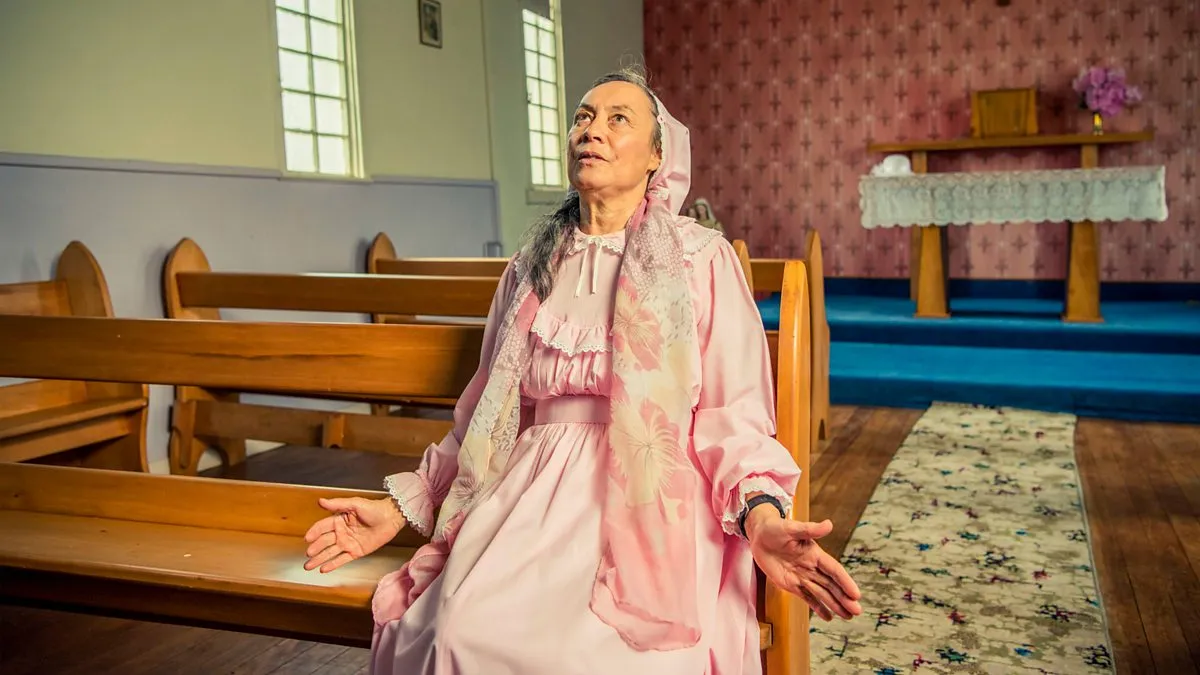
Where typical true-crime series escalate toward manufactured climax, this documentary trusts deliberate pacing. Revelations unfold in patient beats rather than manufactured cliffhangers, prompting reflection instead of adrenaline. Viewers accustomed to algorithm-tailored binge fests may find its quiet rhythm refreshing; it signals a streaming trend toward respectful, slow-burn social inquiry.
Archival materials form the backbone of historical context. Grainy footage of Cooper’s sermons and early community gatherings is intercut with 1990s news reports, underlining the long arc of scrutiny. Court transcripts surface on screen without flourish, highlighting legal and journalistic rigor over dramatic interpretation.
Voices of escapees anchor emotional truth. Interview segments give former members room to speak without voice-over framing, while brief reconstructions clarify unseen moments—an elder’s sermon, a coerced vow—without overt melodrama. This balance points toward documentary-making that values survivor agency and avoids exploiting trauma for ratings.
Paths to Freedom and the Price of Faith
Pilgrim Christian’s clandestine return to Gloriavale reads like a chapter from a spy novel—only the risks involve children indoctrinated since birth rather than state secrets. Expelled as a “heretic,” he slips into the compound under cover of night, distributing leaflets that crack the commune’s information blackout. His emotional burden is impossible to understate: eleven children remain behind, each one a reminder of the chasm between paternal love and doctrinal allegiance.

In contrast, Elijah and Rosanna’s escape feels both ordinary and extraordinary. They emerge from arranged marriages and a childhood scripted by Cooper’s doctrine, bearing scars of ritualized abuse. Elijah’s quiet admission—“I was relieved I wasn’t a girl”—underscores how gender dictated vulnerability within Gloriavale. Together, they navigate the bewildering freedom of city streets, learning to ride buses and budget for groceries. Their story highlights a broader issue: when faith becomes coercion, simple acts of autonomy gain revolutionary significance.
Women who fled as teenagers find solidarity through the survivors’ trust. These profiles offer a moving study of resilience: one woman mastering public transport, another grappling with legal filings to claim back wages for laundries and kitchens once deemed volunteer work. That 2023 case reshapes how courts might view forced labour in faith communities, raising questions about accountability when religion veers into exploitation.
Meanwhile, the Indian outpost storyline extends the narrative beyond New Zealand’s hills. Here, Cooper loyalists replicate Gloriavale’s hierarchy under a tropical sun. The unsettling testimony—where rape is defended as cultural tradition—reminds viewers that abuse can be masked as heritage. By tracing these personal journeys, Escaping Utopia illuminates how belief systems fracture lives—and how courage, once sparked, can ignite change across continents.
Chains and Choices: Power, Patriarchy, and Resistance
Escaping Utopia reveals how ritualized obedience pervades every aspect of Gloriavale life. Marriage vows double as pledges of total submission, while daily routines function like rites of compliance. Rather than relying on locks, the commune wields the terror of eternal damnation as its guard. This psychological strategy eclipses any need for physical barriers, crafting a more insidious kind of prison.
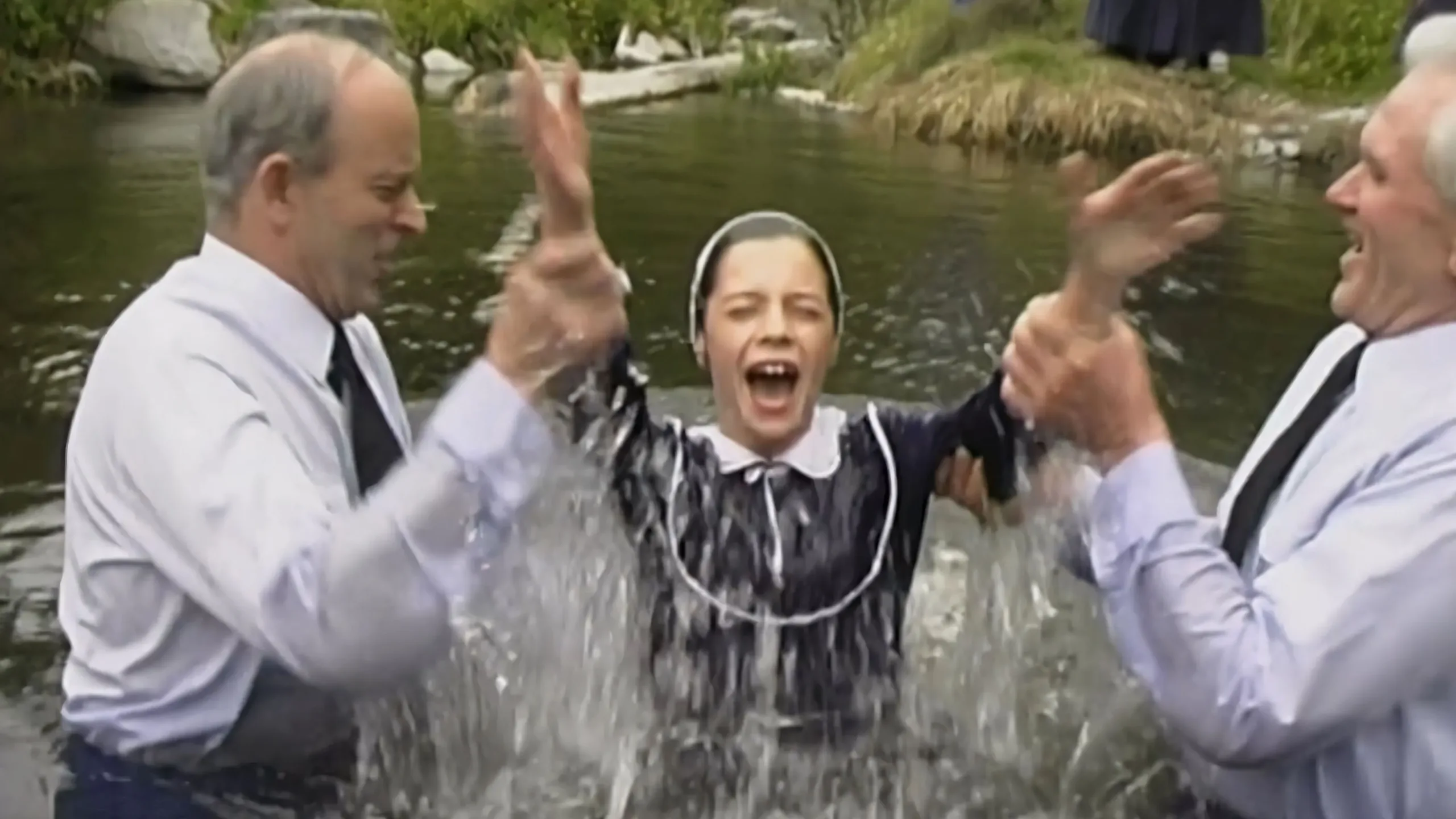
Uniform dresses and hair restraints signal women’s roles: childbearing and domestic work. Men answer only to male elders, not to their wives. When Cooper mandated segregated schools and strict limits on social contact, he cemented a system where abuses could thrive unseen. The stark gap between public piety and hidden coercion exposes how faith can become a vehicle for control.
The series also interrogates scripture’s misuse. Scenes detailing “sex education” sessions reveal how biblical passages were twisted to normalize minors’ abuse. By juxtaposing court testimony with archival clips, the filmmakers show how religious texts can be weaponized within isolated communities.
Information control emerges as another lever of power. Hand-edited newspapers and bans on external media mimic censorship tactics more common to closed regimes. Even acts of compassion carry risk when every choice feels weighed against spiritual jeopardy.
Yet, moments of genuine agency shine through. Survivors’ networks offer practical support—legal advice, therapy and housing—and model new ways of living. Watching former members learn to use public transport or apply for jobs underscores how simple freedoms become profound after years of imposed conformity.
Visual Language of Isolation and Revelation
Escaping Utopia adopts an unadorned visual approach that feels almost radical in an era when streaming documentaries often rely on glossy cinematography and pulse-quickening scores. The handheld and static shots linger on communal kitchens, laundry lines and rows of identical cottages, each frame amounting to a study in collective uniformity. Shadows pool in minimalistic lighting schemes, evoking the austerity of Gloriavale’s creed without theatrics—a bold choice that lets the setting’s inherent creepiness speak for itself.
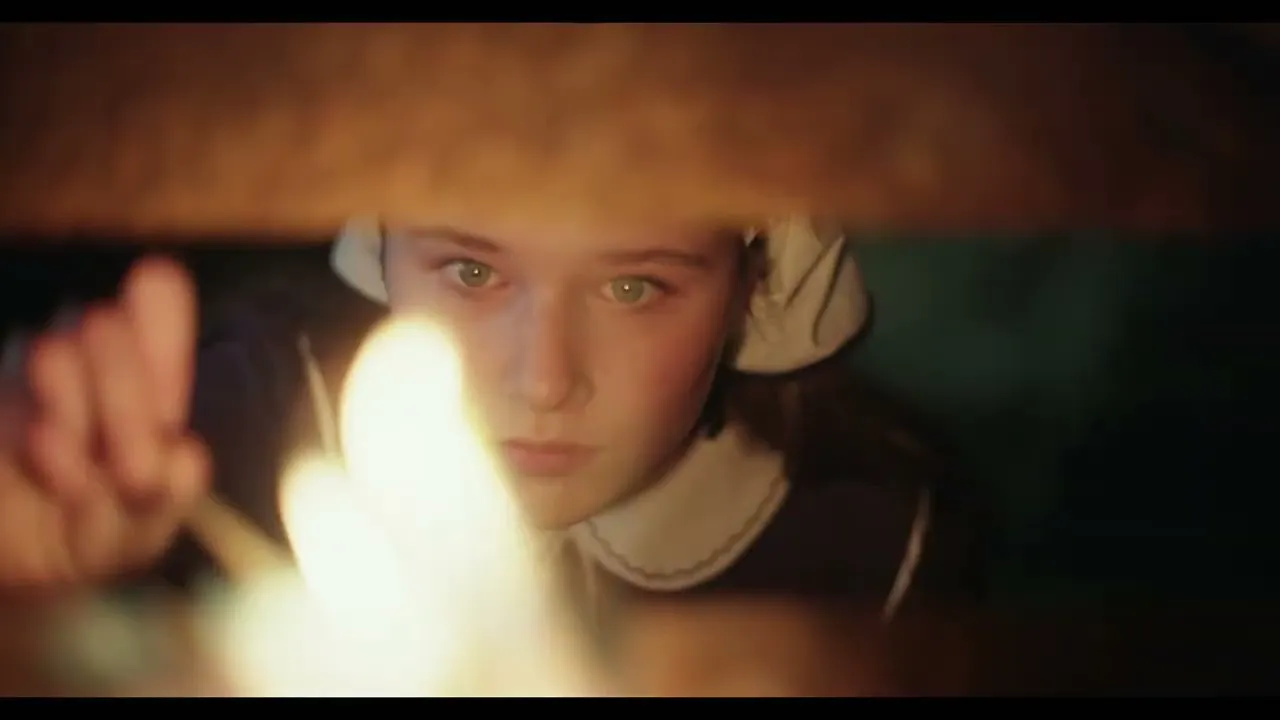
Archival footage of 1970s ceremonies arrives grainy and desaturated, then dissolves into sharply lit interviews with exiles whose faces fill the frame. These seamless transitions heighten the sense that doctrine remains constant even as decades pass. Rather than leaning on reenactments for dramatic punch, the series intersperses sparing staged sequences—an eerie recasting of a private “sex education” lesson, costumed like a scene from The Handmaid’s Tale—reminding viewers how easily faith can mutate into ritualized control.
Sound design follows suit. Music is almost taboo; instead, ambient noises—birdsong at dawn, the clank of laundry carts, distant hymns—become the series’ score. Strategic silences deepen each survivor’s testimony, turning absence of sound into a kind of sonic pressure. In sidelining dramatic flourish, Escaping Utopia signals an emerging trend on streaming platforms: audiences are ready for contemplative, patient storytelling that trusts real voices over manufactured tension.
Echoes of Agency and Accountability
Escaping Utopia serves as a masterclass in revealing how communal faith can tip into coercion. By charting recruitment rituals, obedience pledges and the gruelling work in laundries, the series offers a clear-eyed tutorial on mechanisms of control—and on what it takes to break free. Those court transcripts and archival sermons function like primary documents in a social-justice syllabus, mapping the contours of legal battles and survivor advocacy.
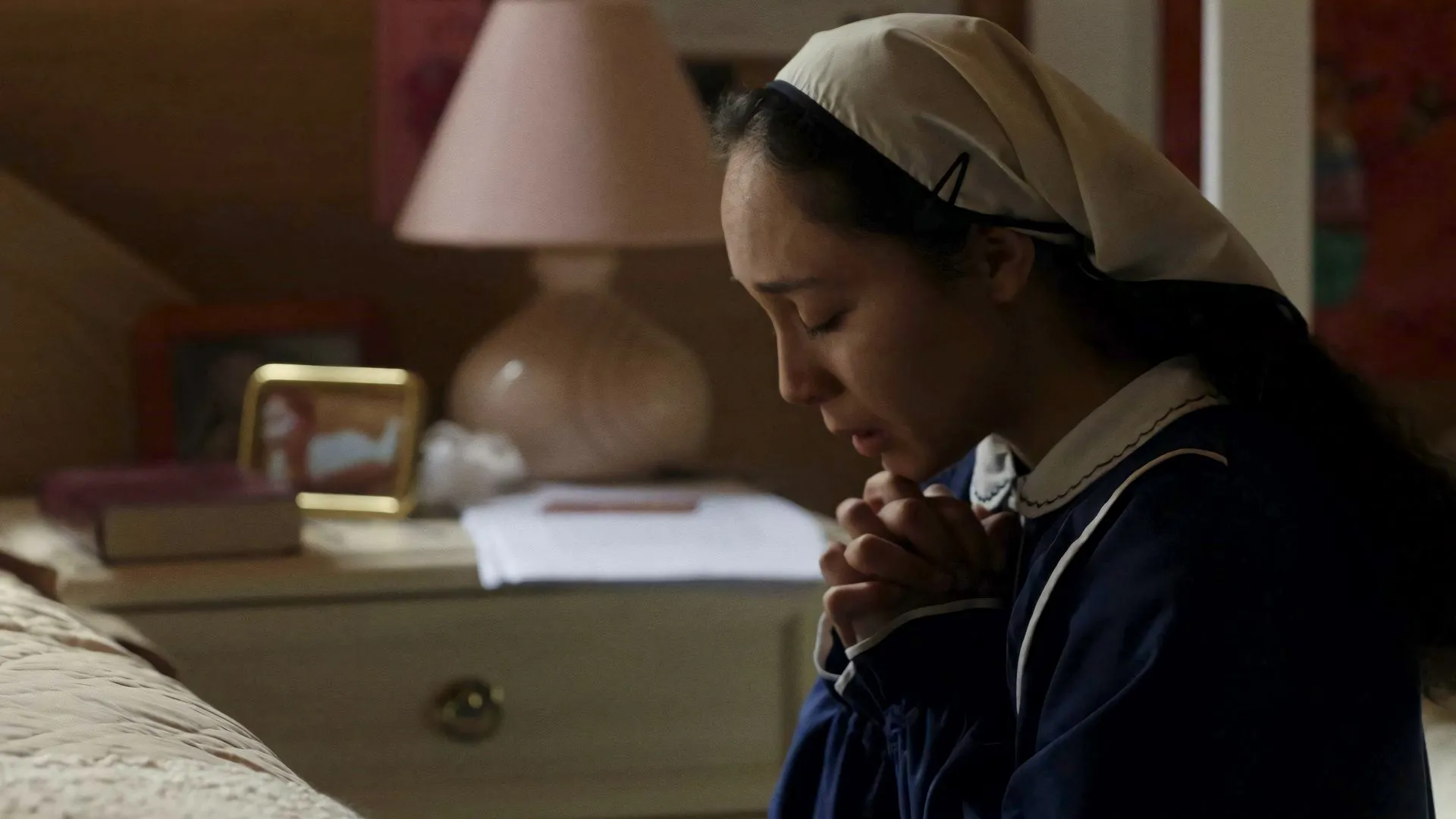
Viewers witness escapees grappling with everyday tasks—catching a bus or handling rent payments—as radical acts of self-ownership. Casting choices give these formerly silenced voices full center-frame, exposing the human toll behind headlines about forced labour and clergy misconduct. That focus invites wider debate about how media represents women emerging from abuse, and suggests that documentary producers are waking up to their own responsibility in shaping cultural empathy.
The 2023 employment lawsuit gains new traction here, with legal arguments about unpaid work reframed as emblematic of hidden labour in faith communities worldwide. This scrutiny may push lawmakers to reconsider definitions of volunteerism when power dynamics skew so heavily in one direction. And for streaming executives, the success of such unhurried storytelling signals appetite for nonfiction that prizes depth over sensation.
As a blueprint for future projects, Escaping Utopia demonstrates that platforms can wield extended runtimes to spotlight social change rather than chase clicks. Its sober style could set a tone for the next wave of documentaries aiming to hold institutions to account—and to amplify survivor-led movements long after the credits roll.
Full Credits
Directors: Britta Hawkins, Natalie Malcon, Justin Pemberton
Producers: Bridget Bolton-Riley, Suze Hannagan, Britta Hawkins, Natalie Malcon, Deane O’Connor
Executive Producer: Philippa Rennie
Cast: Zac Bell (Boaz), Shania Bailey Edmonds (Sharon), Coco White (Theo, age 5)
Cinematographers: Jacob Bryant, Dominic Fryer
Editors: Tori Bindoff, Carl Budden, Gian Borgnolo-Whitley
The Review
Escaping Utopia
Escaping Utopia offers a powerful, unflinching portrait of how devotion can slip into domination and how courage can restore agency. Its patient storytelling and commitment to survivor voices elevate it above typical true-crime fare, making it essential viewing for anyone interested in the intersection of faith, power and resilience.
PROS
- Powerful first-person accounts
- Patient, reflective pacing
- Rich archival and legal materials
- Focus on survivor agency
CONS
- Low on dramatic flair
- Sparse music and visuals may feel static
- Occasional reenactments feel staged