









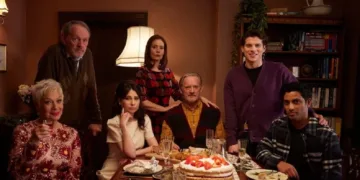

















The opening moments transport you to a noisy, weathered metropolis where the clamor of street vendors, rumbling vehicles, and scattered laughter paints an evocative picture of Port-au-Prince. The film mixes crime, high-octane sequences, and a mordant sense of humor (one might compare the pace to a mismatched drumbeat) in a city that never seems to sleep. Here, every alley and dilapidated market stall appears as a character with its own tale of woe and wit.
A glance at the societal backdrop reveals a scenario marked by rampant corruption, economic plight, and tense racial undercurrents. Haiti becomes a stage where power plays and human desperation intertwine, crafting a setting as raw as it is unpredictable.
The storyline centers on two bumbling kidnappers, Doc and Zoe, whose poorly hatched plan spirals into a fiasco charged with political misadventures and caustic humor. Their missteps incite a series of unforeseen events—a narrative that oscillates between adrenaline-pumping action and moments of acerbic commentary on societal ills (sometimes the absurdity of their predicaments sparks genuine reflection).
Fractured Narratives and Systemic Mayhem
The film ignites when a prominent figure’s son is snatched, setting off a chain reaction of calamities that quickly spiral out of control. The initial moment of abduction jolts the viewer into a state of suspense and disbelief, a spark that ignites an array of misadventures.
What unfolds next is a series of scrapes—a bungled operation punctuated by the awkward decision to employ a body double. Each critical twist, from chaotic errors on the streets to unexpected moral quandaries, appears as an accidental commentary on the unruly nature of power and desperation in the modern world.
The storytelling is delivered with a breakneck pace; scenes tumble into each other with relentless energy. One moment, hilarity emerges through physical gaffes; the next, a note of genuine anxiety surfaces as the stakes escalate (there’s a peculiar charm in the simultaneous absurdity and severity).
The narrative’s tempo is a rollercoaster that occasionally lurches into frenetic bursts of slapstick antics intermingled with quieter moments of introspection. These sudden shifts force the audience to recalibrate their expectations, serving as a metaphor for life’s unpredictable challenges.
Intersecting storylines, such as the poignant plight of a determined pregnant woman aiming for better healthcare abroad, unfold amid the tangled web of political skullduggery. These secondary tales operate as a counterpoint to the main farce, casting a reflective light on the chaos enveloping everyday existence. There is a deliberate intertwining of personal misfortune with the theatrics of political intrigue—a mixing of fates that speaks of hidden fractures in society.
Approaching the climax, high-octane chases and a series of near-misses build an intensity that borders on surreal. Key moments of spectacle, punctuated by erratic humor and unexpected reversals, leave one pondering the deeper symbolism at play—each chase, each misadventure hinting at the fragile state of order in a world rife with systemic disorder. The narrative resolution remains an open canvas, provoking thought rather than delivering a tidy payoff.
Faces in the Chaos
The film introduces us to a pair of unlikely criminals whose contrasting temperaments create a fascinating dynamic. Doc retains a calm, almost blasé demeanor when confronted with mounting crises, while Zoe exhibits an explosive, unpredictable energy (a contrast that sometimes borders on absurdity).

Their repartee—sharp yet offhand—propels the story forward in a manner that makes one consider whether their absurd misadventures are a mirror for societal discord. Their camaraderie, peppered with moments of sincere competence amid remarkable blunders, serves as a subtle commentary on human frailty in the face of systemic disorder.
Supporting figures populate this chaotic canvas. Politically influential characters, such as the shrewd, self-serving Benjamin Perralt, emerge alongside hapless victims like Laura and Patrick. The portrayal of law enforcement and government operatives smears the image of authority with corruption and self-interest.
Each minor role appears carefully sketched to impart a satirical critique of power and privilege (a sardonic nod to historical cycles of elitist excess). In some scenes, these secondary figures steal brief moments of gravity amid the comic frenzy, injecting a sense of pessimistic reality into an otherwise farcical narrative.
The actors deliver performances that oscillate between deadpan delivery and theatrical exaggeration. There are instances where physical humor—triggered by a misstep or an unexpected outburst—brings a momentary lightness to the tension, even as the weight of their predicaments lingers. The blend of humorous pratfalls with fleeting, intense portrayals provides a curious interplay, one that provokes both amusement and reflection.
Character arcs appear to be as staggered as the plot itself. While certain moments hint at a gradual transformation, the leads largely remain emblematic of archetypal misfits trapped in a storm of their own making (a notion that might be seen as a deliberate artistic choice rather than a failure of development).
Humor and Narrative Alchemy
The film’s tone emerges as an eccentric mixture of uproarious physical antics, caustic political satire, and visceral action. The director unites these disparate elements with a certain calculated spontaneity that keeps viewers oscillating between laughter and reflection. One can observe, for instance, sequences where unintentional mishaps—overblown chase scenes and collisions (the kind that seem more like carefully contrived pratfalls)—serve as both amusement and a mirror reflecting societal absurdities.
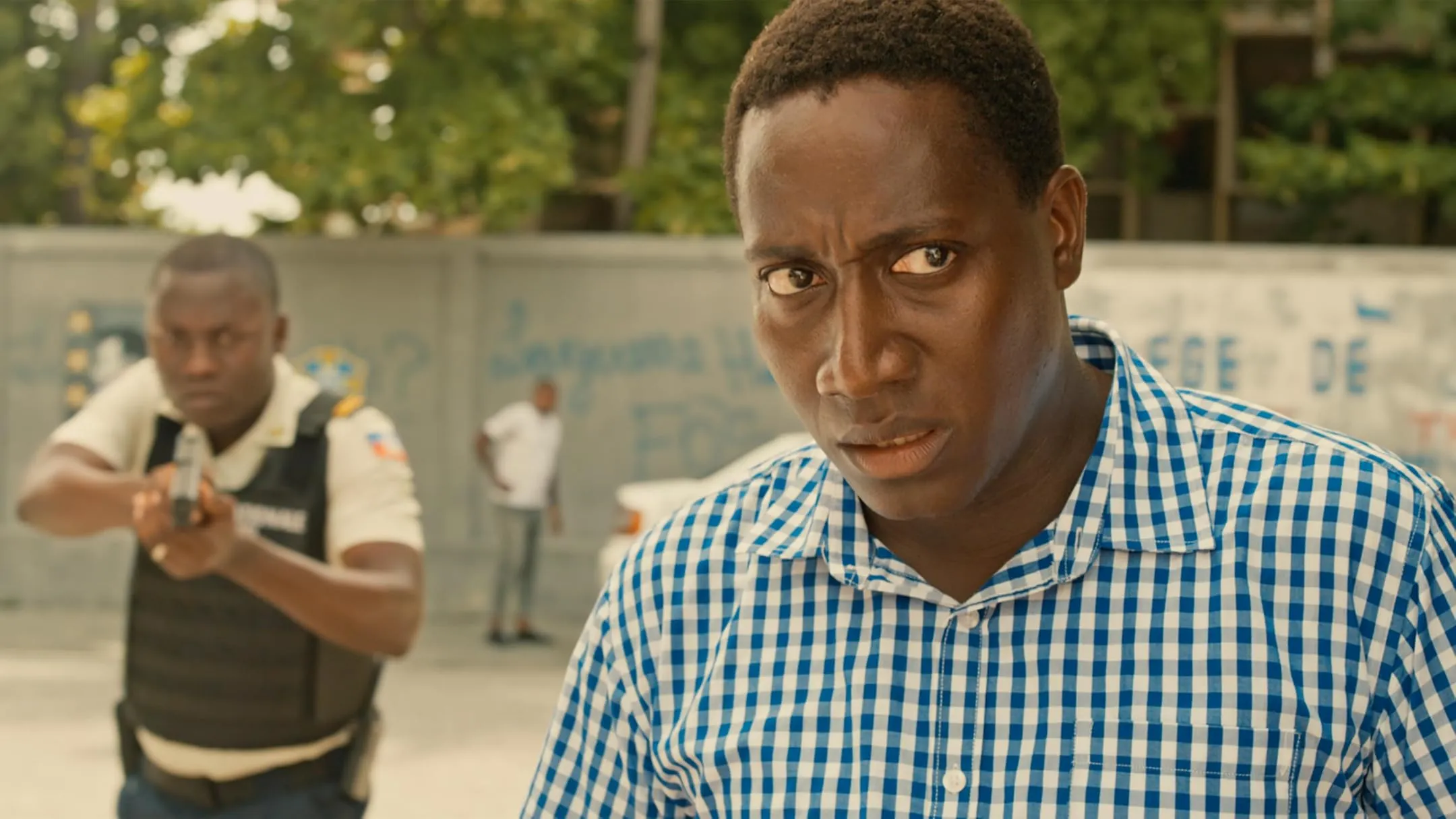
Physical comedy here does not merely exist for effect; it becomes a symbolic commentary. Chaotic car chases and even the disturbingly improvised roadside births hint at the unpredictable nature of a city in turmoil, each stunt articulating a defiant retort to established order (a notion that might be dubbed kinetic nihilism).
Sharp, biting exchanges woven through the dialogue and recurring quips about soccer rivalries not only entertain but also fracture the narrative with poignant cultural jabs. Comments and banter among the characters mirror historical disputes and contemporary power struggles, threading everyday vernacular with subtle, cerebral critiques. In moments, the humor tilts into the realm of farce—so disorienting that it unsettles the structure of the narrative (a short lapse that reminds one of the inherent risks in such an audacious approach).
Meanwhile, the filmmaker employs humor with measured precision, juxtaposing lighthearted absurdities against the grim realities of political and economic mismanagement. This applied levity invites the audience to consider the harsher circumstances in a manner that is at once irreverent and contemplative, fostering an experience that is as intellectually engaging as it is unorthodox.
Societal Fault Lines and Political Farce
The film presents a grim picture of Haiti—a place where poverty, unchecked government activity, and racial divides intersect in ways that mirror historic struggles. The on-screen events cast a spotlight on long-standing disparities within Haitian society. Scenes suggest the weight of economic hardship and public distrust, as characters face systemic obstacles and personal ruin. These portrayals recall moments from the annals of history where social injustice cast long shadows over everyday life (a reminder that art often mirrors harsh truths).

The narrative exposes tensions between a privileged group and the majority population, a conflict that emerges in interactions and heated remarks. Characters such as Laura, whose aspirations to seek better fortunes abroad reveal implicit biases, contribute to a visual and verbal discourse on class and race. In a few scenes, short, charged exchanges expose the undercurrent of prejudice, hinting at a social order that has yet to correct a deeply embedded inequity.
Political figures in the film are sketched with a sharp wit. Corrupt officials, self-serving leaders, and compromised law enforcers populate a canvas where power misused becomes a running theme. The portrayal of these figures is not merely for comic relief—each instance of mismanagement or deliberate exploitation is a silent indictment of a system that has long let its citizens down (one might even call it a political autopsy).
The recurring motif of kidnapping transforms from an offbeat plot device into a powerful emblem of desperation and exploitation. This act symbolizes more than criminal misbehavior; it stands for the commodification of vulnerability in a setting where survival is a constant battle. Its repeated invocation subtly critiques a society where state neglect and organized misrule force individuals to make tragic bargains.
The film’s depiction of these issues holds potential for sparking conversations about national identity and societal reform. Its edgy humor, tied in with stark imagery, shapes a narrative that questions established power structures while highlighting the everyday struggle of Haiti’s people.
Cinematic Craft and Visual Intricacies
Director Bruno Mourral’s vision emerges through an energetic script that juggles multiple subplots with rapid-fire dialogue and well-timed situational comedy. His storytelling shows a certain willingness to experiment with abrupt tonal shifts, though at times these leaps seem more like narrative experiments than seamless integrations (a kind of audacious trial that may not satisfy every viewer).

The camera work is vigorous and immersive—dynamic chase sequences, tight framing, and unexpected angles inject palpable urgency into every chaotic moment. There is a striking authenticity in the depiction of Port-au-Prince, from the bustling thoroughfares to the narrow, labyrinthine alleyways, capturing both the beauty and the raw disorder of the city. At moments, the visual narrative almost transforms into a character in its own right, reflecting the urban pulse with every sweep of the lens.
Editing plays a critical role in maintaining the story’s brisk tempo. Quick cuts and rapid transitions sometimes enhance the humor, lending a disjointed yet purposeful rhythm, though on occasion, these jarring shifts interrupt the flow rather than elevate it.
The score by Olivier Alary punctuates the film with crisp, compelling sound cues that evoke both tension and moments of whimsy, complementing the ambient noise of urban life effectively. Meanwhile, production design and costumes—ranging from the haphazard attire of the protagonists to the meticulously tailored looks of political figures—underscore the thematic contrasts and enrich the visual narrative.
Interwoven Themes and Cultural Resonance
The film interrogates disorder and systematic rigidity in a society where corruption and decay are daily encounters. A recurring symbol—the car trunk—functions as a container for obscured truths and spontaneous interventions. This visual device becomes a riddle that challenges viewers to rethink ideas of privacy and public spectacle.

Humor and tragedy intersect in unexpected ways here. Comedic absurdities hold up a mirror to harsh social injustices, compelling an oscillation between sporadic amusement and deep discomfort. The audience, amused by the hapless misdeeds of the criminals, simultaneously confronts an unsettling reflection on societal neglect. There is a curious interplay between laughter and a somber recognition of systemic failure (a kind of ironic duality that offers as much insight as it does entertainment).
The constant toggling between relentless slapstick and sterner political critique tests the viewer’s sensitivity. Rapid tonal shifts punctuate the narrative, softening brutal realities with brief moments of levity at times, and intensifying them by contrast at others. (These abrupt changes might well be seen as a deliberate microcosm of the culture’s volatile pulse.)
The narrative leaves an open canvas for debate about cultural transformation—a rich terrain that continues to provoke discussion among audiences and critics alike. A deliberate mix of chaotic humor and philosophical inquiry prompts us to consider whether the film’s risks are a necessary provocation or a misstep in representing harsh realities.
Full Credits
Director: Bruno Mourral
Writers: Jasmuel Andri, Bruno Mourral, Gilbert Mirambeau Jr.
Producers and Executive Producers: Bruno Mourral, Gilbert Mirambeau Jr., Samuel Chauvin, Yanick Létourneau, Gaëthan Chancy
Cast: Jasmuel Andri, Rolaphton Mercure, Patrick Joseph, Ashley Laraque, Gessica Généus, Anabel Lopez, Manfred Marcelin
Director of Photography (Cinematographer): Martin Levent
Editors: Bruno Mourral, Arthur Tarnowski
Composer: Olivier Alary
The Review
Kidnapping Inc.
The film’s audacious mix of chaotic humor and sharp political satire crafts an experience that entertains while provoking thought. Its vivid symbolism and pointed wit expose deep societal dysfunction, sparking both laughter and uneasy reflection. Though rapid tonal shifts may unsettle some viewers, the work remains a bold, courageous exploration of cultural realities.
PROS
- Bold satire that challenges societal norms
- Vivid depiction of Haiti’s cultural and political landscape
- Memorable visual style and cinematography
- Strong lead performances that spark dynamic chemistry
- Engaging mix of humor and political commentary
CONS
- Inconsistent tonal shifts that may disorient some viewers
- Jarring editing and pacing in certain scenes
- Underdeveloped subplots that leave narrative threads loose
- Some offbeat humor might not land with every audience