

























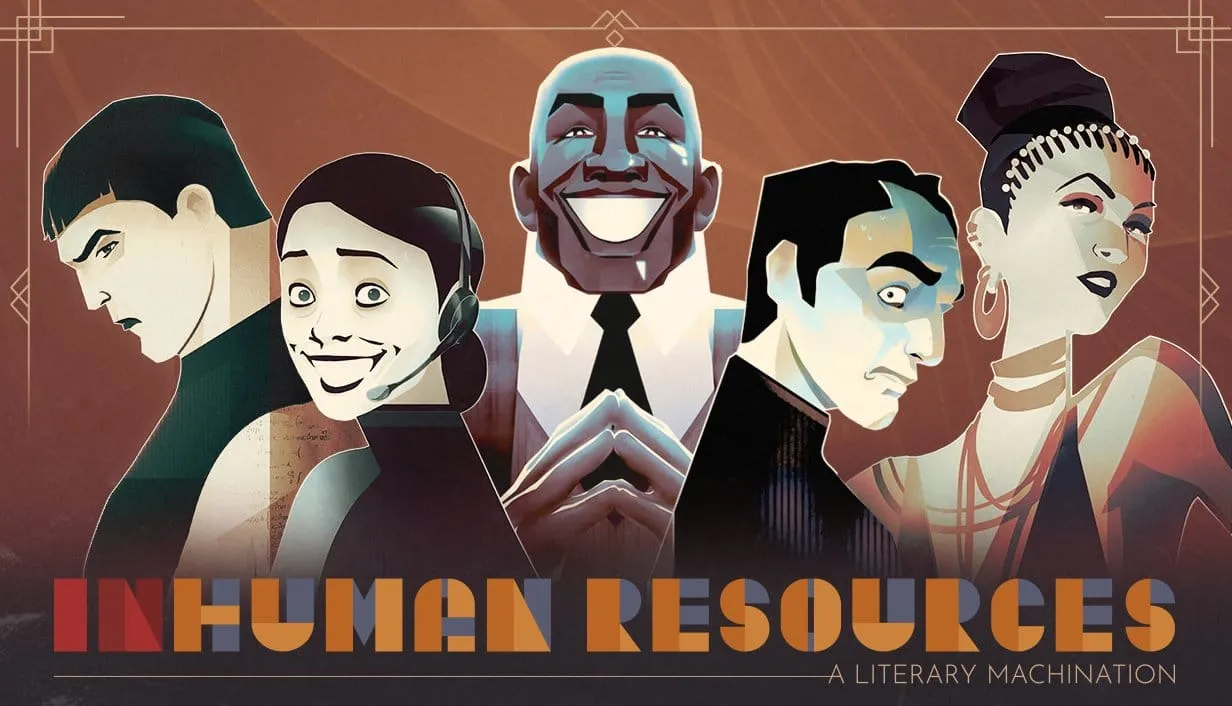

Stepping into Inhuman Resources: A Literary Machination feels like clocking in for the worst job interview of your life. You’re a desperate applicant, prodded by a well-meaning aunt’s recommendation, only to discover that SMYRNACORP’s reception desk hides more than polite smiles. The game greets you with stark black-and-white visuals and a vintage typewriter font, immediately setting a mood of corporate unease.
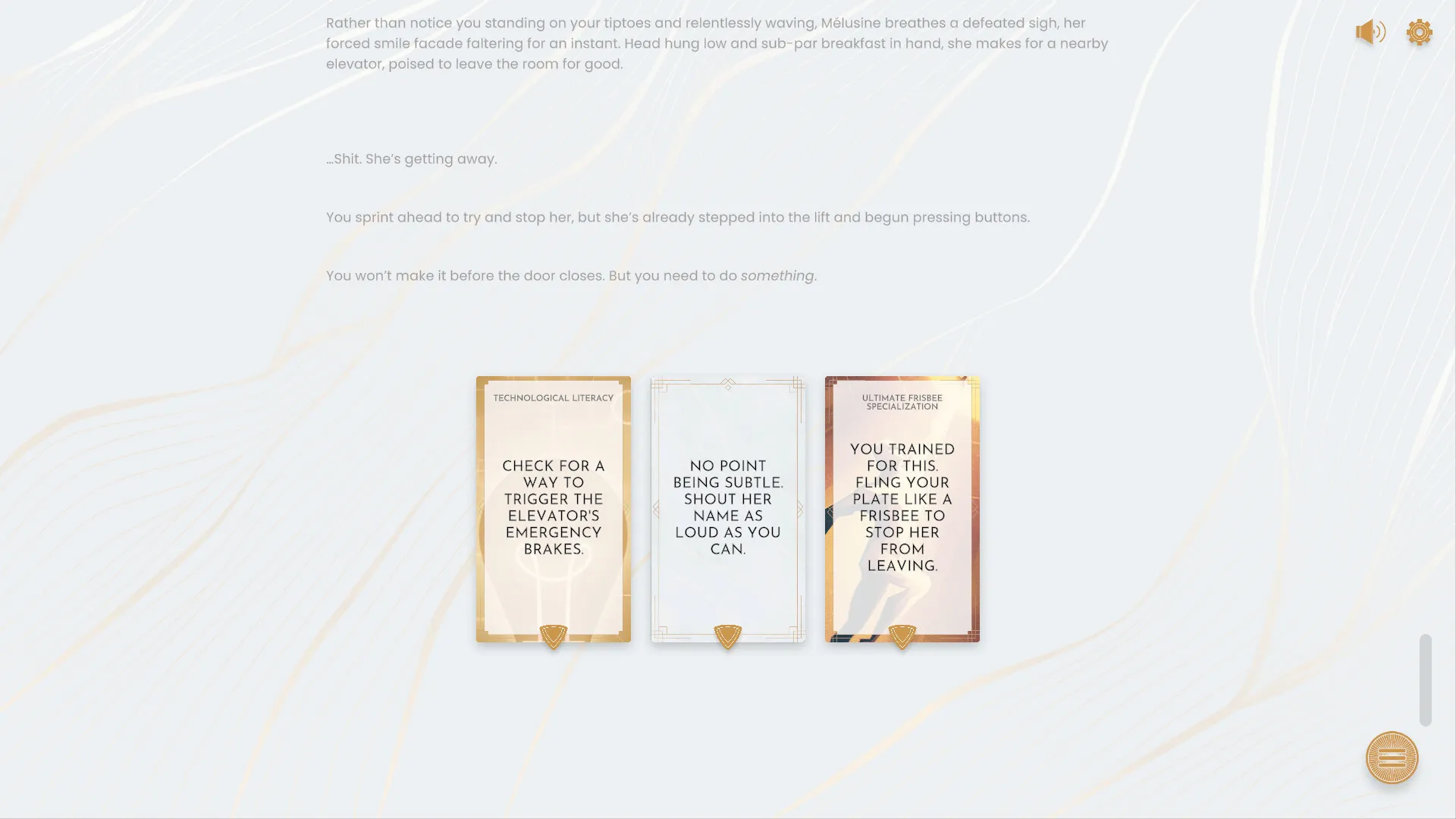
Mechanically, it blends visual-novel pacing with light role-playing elements. Your dialogue choices grant skill points—technical, social, or moral—that unlock new branches later. Chapters are neatly segmented, so each decision ripples forward: skip a little task now, and a locked door or withheld secret greets you down the line. It takes about two hours to see a single ending, but three or four hours if you chase every hidden path.
From the first hold-to-confirm prompt for even simple questions, Inhuman Resources makes each action feel deliberate. There’s no rewind button—only an auto-save that forces you to live with your decisions, much like Disco Elysium or 99 Levels to Hell in the indie scene. With stakes this high, every keystroke carries weight.
Weaving Corporate Dread
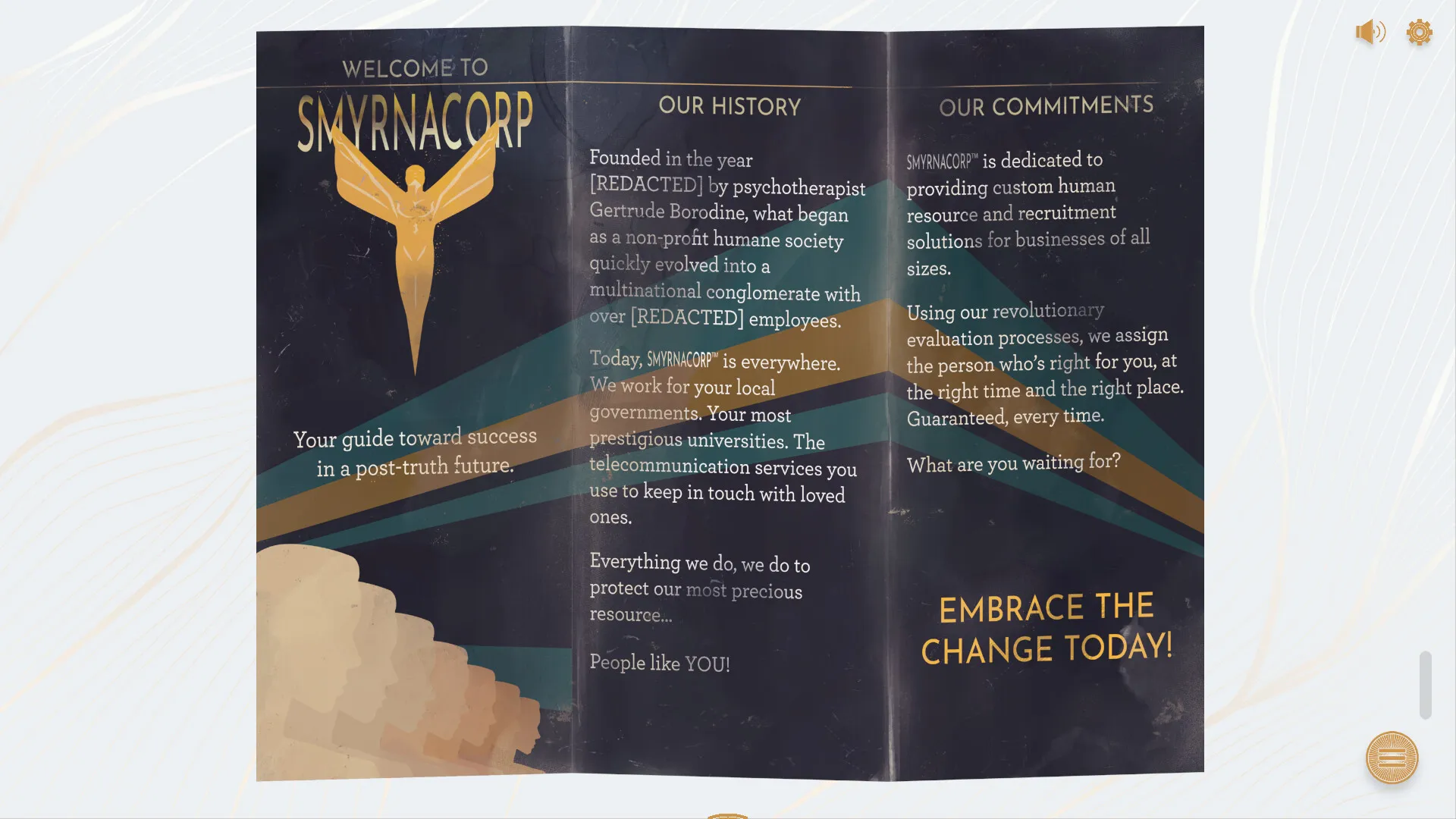
The moment you step into SMYRNACORP’s lobby, the game’s art and sound tell half the story. Ornate 1940s elevators hum beneath flickering lights, and statues of twisted figures loom in corners. Latin mottos – memoriae, perpetuitas, mutatio – are etched into desks, hinting at themes of memory and transformation. Everything feels polished, yet wrong. That “big family” mantra spills from every announcement, but the antiseptic hallways and surveillance beeps betray an atmosphere where camaraderie is a sales pitch rather than reality.
Narrative beats unfold like chapters in a novel. Your interview opens with absurd questions that set a tone of escalating unease: one wrong response can bar access to entire story branches. As you rotate through departments, routine training tasks give way to grisly discoveries. By mid-game, minor curiosities become full-blown conspiracies, and alliances formed early can fracture under moral pressure. When the final act arrives, you might rally a rebel contact, join a corporate coup, slip out under duress, or fully embrace SMYRNACORP’s agenda. Each route hinges on groundwork laid by your earlier choices.
Characters are drawn with economical strokes. You’re a blank-slate applicant whose financial desperation grounds every decision. Obuya Burgard, the senior supervisor, embodies corporate inertia—his line about thinking outside the box, while lacking the tools to see the box’s size, cuts deep. A receptionist’s forced grin and a whispering ally behind the scenes each present conflicting calls to action. These interactions feel earned because they reflect small moments of trust or betrayal, rather than scripted plot beats.
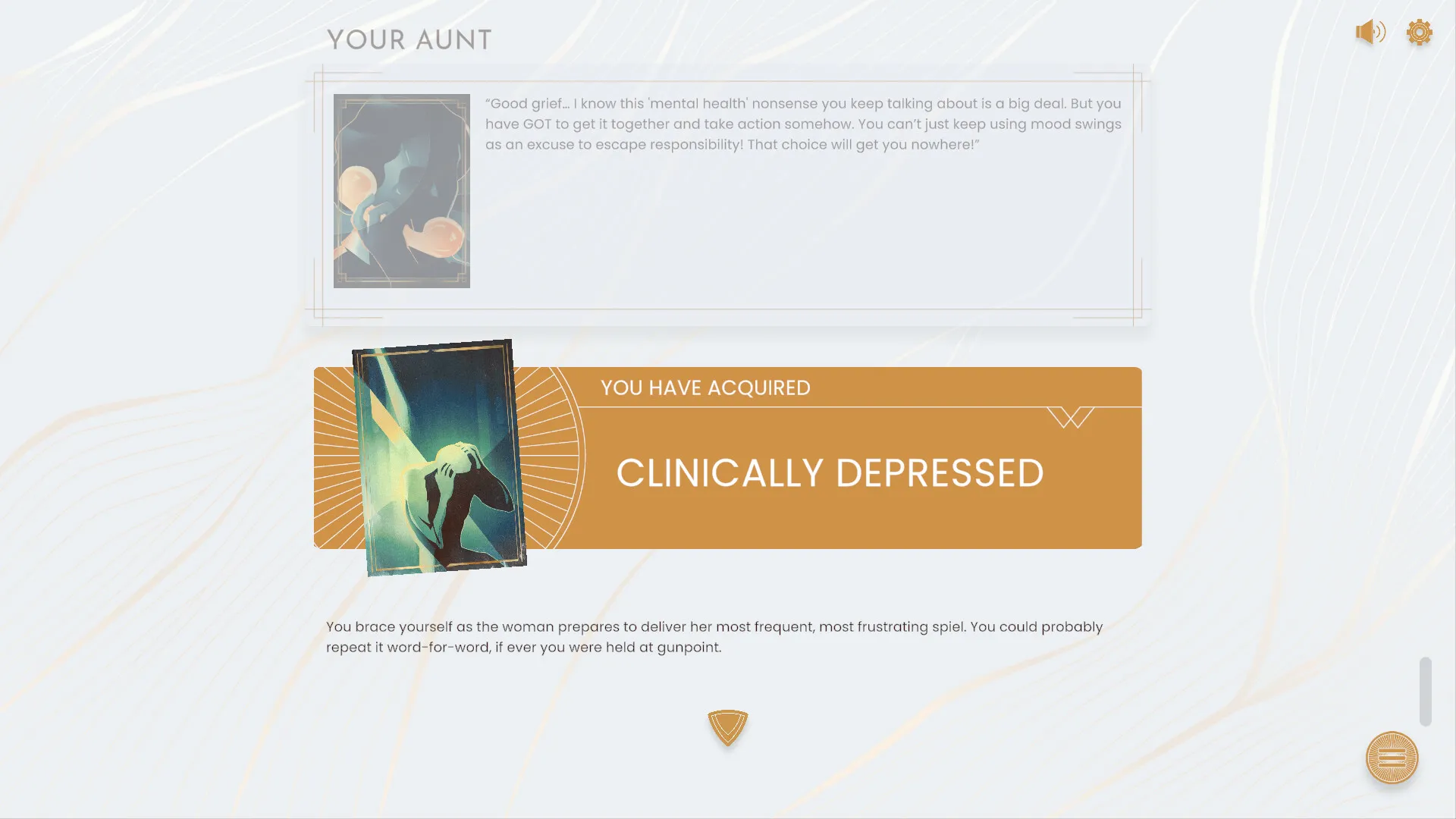
Prose balances surgical precision with unsettling imagery. Clinical descriptions of tasks – pulling data cables, scrutinizing video frames – collide with flashes of dark humor, like an achievement titled “Clinical Depression.” Music and color shifts foreshadow turning points: a screen tint drifting to crimson, a sudden lull in ambient office noise. These cues keep tension taut without overwhelming you with sudden jump scares.
Chapter breaks act as narrative checkpoints, giving players a moment to reconsider strategy before diving back into SMYRNACORP’s machinery. Exposition arrives in memos or whispered conversations, never in long monologues. Silence often carries more weight than dialogue, reminding you that every choice echoes down empty corridors. This careful pacing ensures that story and player agency move hand in hand, making every decision resonate long after you log off.
The Machinery of Choice
Inhuman Resources weaves its narrative through mechanics that treat every decision as a gear in SMYRNACORP’s relentless machine. From your very first prompt, you must hold down a button to confirm dialogue choices—a simple act that transforms options into commitments. This pause forces you to consider technical requests, like cracking open a safe, just as seriously as morally charged actions, such as pulling teeth for data.
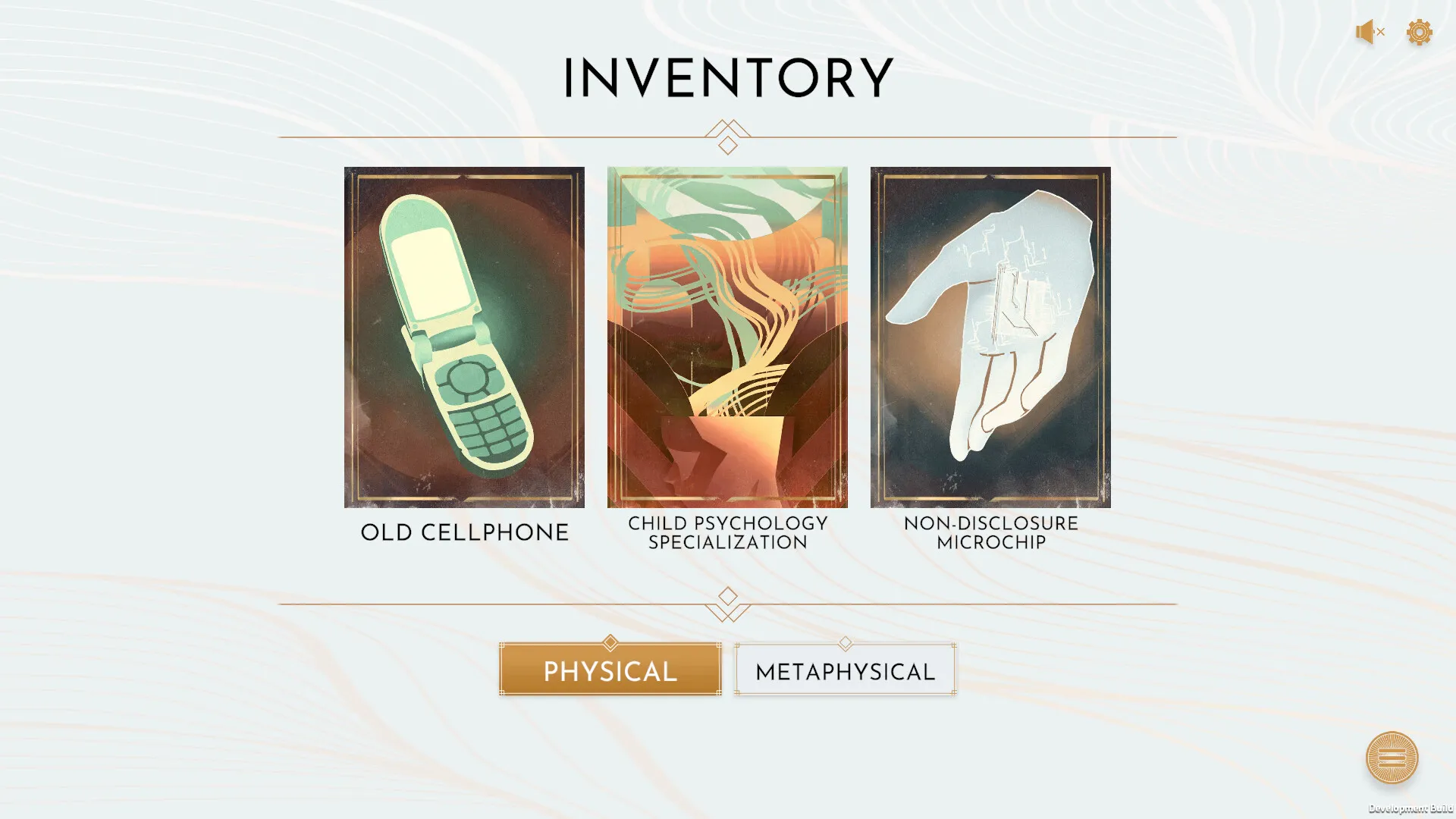
Behind the scenes, attributes—Technical, Social, Ethical—track your tendencies. Choosing to hack a terminal boosts Technical, unlocking alternate dialogue in later chapters, while sparing a coworker earns Ethical points that open secret endings. It’s reminiscent of Disco Elysium’s attribute checks, but streamlined for players who’d rather dive into the story than memorize skill trees. Inventory items—keys, documents, even timestamps from surveillance footage—act as tangible evidence of past choices, gating new branches without ever feeling like tedious fetch quests.
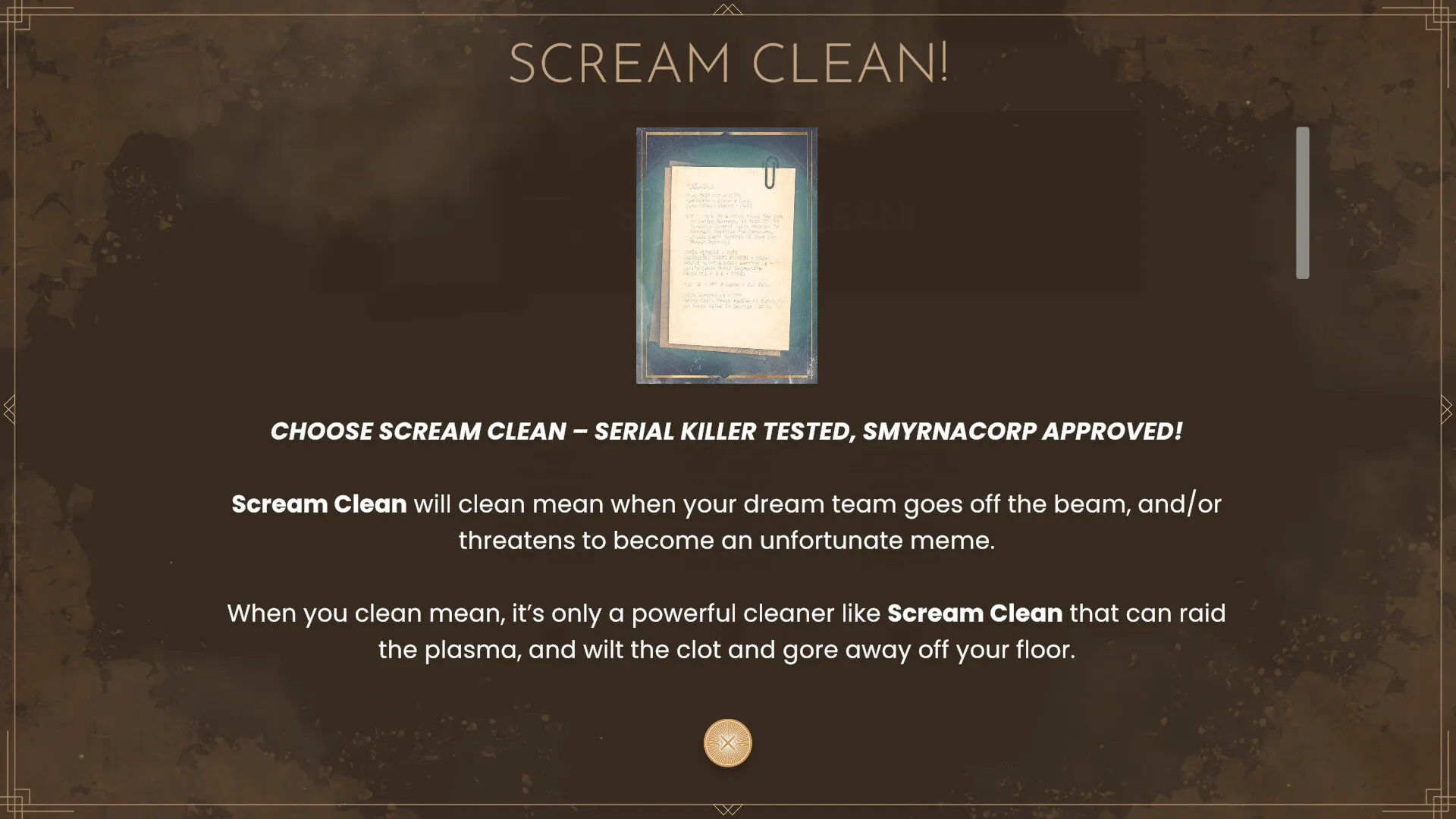
Puzzles are woven into your daily grind. Password locks reference recent conversations, so attentive readers breeze through. When archive footage turns to grainy black-and-white, you hunt timestamps to expose hidden files. These segments interrupt the narrative just long enough to reinforce your role as an unwilling insider, though a handful of players may find the low-contrast video search frustrating. Short computer hacks and memo readings break up reading stretches, offering tactile reminders that your character is bound by corporate protocols.
Visually, the UI keeps portraits minimal—harsh shadows, inverted color flashes at moments of peril—so you never forget the stakes. Sound cues drop to silence before a key revelation, reinforcing narrative beats with sensory cues. Consequences land immediately in some cases—a locked door slams when you decline an order—while others echo into later chapters, driving the urge to replay. Minor dialogue mismatches slip through when you reorder tasks, but these hiccups rarely derail immersion.
By aligning attribute systems, inventory gating, and sensory feedback, Inhuman Resources makes every click, hold, and puzzle feel like part of the story’s dark engineering. You’re not just reading a text; you’re assembling the very apparatus of corporate dread.
Atmosphere in Monochrome and Sound
Inhuman Resources leans into a stripped-back palette: portraits rendered in high-contrast black and white, with sudden splashes of red to mark moments of danger. This visual sparseness mirrors games like Return of the Obra Dinn in its economy of color, but here the effect is less puzzle-driven and more psychological. Menus use a vintage, typewriter-style font layered over minimalist computer screens, grounding you in SMYRNACORP’s retro-futuristic offices without overwhelming ornamental detail.
Animation is equally restrained yet effective. Monitors blink with static, overhead lights stutter on and off, and brief shifts from a pristine white background to blood-tinged crimson serve as visual cliffhangers. There are no widescreen flourishes—each flicker or color inversion feels purposeful, spotlighting the narrative’s moments of moral peril.
Audio underpins the setting with an unbroken hum of HVAC systems and distant machinery, evoking the hush of a corporate labyrinth. When key choices land, ambient tracks cut out entirely, leaving only the echo of your own heartbeat in the headphones before a discordant tone rattles your nerves. During video-analysis puzzles, a layer of crackle and hiss transforms surveillance footage into a relic, amplifying the unease of rifling through forbidden archives.
Accessibility holds priority: the game runs identically on PC and iOS. Mouse users click or hold options, while touch-screen players tap and press; both control schemes embrace simplicity, letting newcomers jump straight into choices without wrestling with complex inputs. There’s no need for high-end hardware or convoluted settings—just you, the screen, and SMYRNACORP’s silent watch.
The Corporate Nightmare
SMYRNACORP’s “family values” mantra rings hollow when you’re monitored by cameras around the clock. The game skewers office culture by turning standard tasks—filing, data entry—into acts of complicity. Achievements like “Clinical Depression” land as both punchline and gut-punch, reminding you that absurd compliance can exact a real toll.
Without a fail-state, you can’t escape or reload past mistakes. Surveillance technology locks you into decisions, so every moral misstep—whether torturing a coworker for data or cutting ethical corners—carries lasting weight. That sense of helplessness builds tension more effectively than any jump scare.
As you carve out a role in SMYRNACORP’s hierarchy, you wrestle with identity loss. Are you the person you once were, or simply another cog? Latin phrases on marble plaques — memoriae, perpetuitas, mutatio — hint that the corporation seeks not just labor, but erasure and rebirth under its own terms.
Moments of dark comedy puncture the dread: corporate buzzwords spat with deadpan flair, or a sudden red tint when you’ve crossed an ethical line. These tonal shifts echo the grotesque revelations that follow routine office memos, ensuring you’re never quite safe from a laugh or a chill down your spine.
Choices That Call You Back
Multiple endings hinge on the alliances you forge, the skills you prioritize, and the ethical lines you cross. Boost Technical to unlock secret data paths or lean Ethical to discover hidden aid from your rebellious contact. Skip mandatory tasks and you’ll uncover offbeat branches that reward unconventional playstyles.
Each chapter acts as a checkpoint in the story’s modular design. Clear breaks let you target specific segments for a replay, while on-screen markers flag choices you haven’t yet tested—an elegant nudge to rethink earlier decisions.
A single run takes roughly two hours, but hunting every secret and testing each moral fork can extend your time to around five hours. That brevity keeps the narrative tight and focused, though players seeking sprawling side stories might feel the pull for more.
Driving replays are unlockable achievements and buried scenes—those “what if” moments that emerge only when you push attributes or reject corporate orders. It’s an itch that SMYRNACORP doesn’t let you ignore.
Parting Glimpse
Inhuman Resources delivers a tight, suspenseful narrative that never underestimates your agency. Sharp writing and well-drawn personalities keep the tension alive, while its mechanics—attribute checks, inventory gating, hold-to-confirm prompts—reinforce every moral choice. Its brevity may leave you craving deeper side paths, and a handful of interface quirks pop up, but these moments are rare.
This title rewards both newcomers and veterans of interactive fiction. If you’re drawn to RPGs where even a simple dialogue choice can ripple through the entire story, or if you relish biting satire wrapped in corporate horror, SMYRNACORP’s doors are open—just know that once you step inside, there’s no turning back.
The Review
Inhuman Resources: A Literary Machination
Inhuman Resources: A Literary Machination expertly fuses choice-driven mechanics with a biting corporate-horror narrative, delivering intense emotional stakes in a concise package. Its artful visuals and sound design heighten every moral decision, while light RPG elements and puzzles reinforce your sense of agency. Though brief and with a few UI quirks, it remains a compelling, replayable experience.
PROS
- Taut, choice-driven narrative with meaningful consequences
- Striking monochrome visuals punctuated by red-alert cues
- Light RPG systems that enhance immersion without overcomplication
- High replay value via branching paths and hidden endings
CONS
- Short overall runtime may leave players wanting more
- Occasional dialogue/UI mismatches during task reordering
- Grainy video puzzles can frustrate on first play
- Limited side content for players seeking deeper exploration