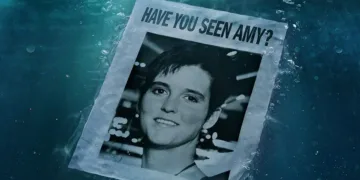
























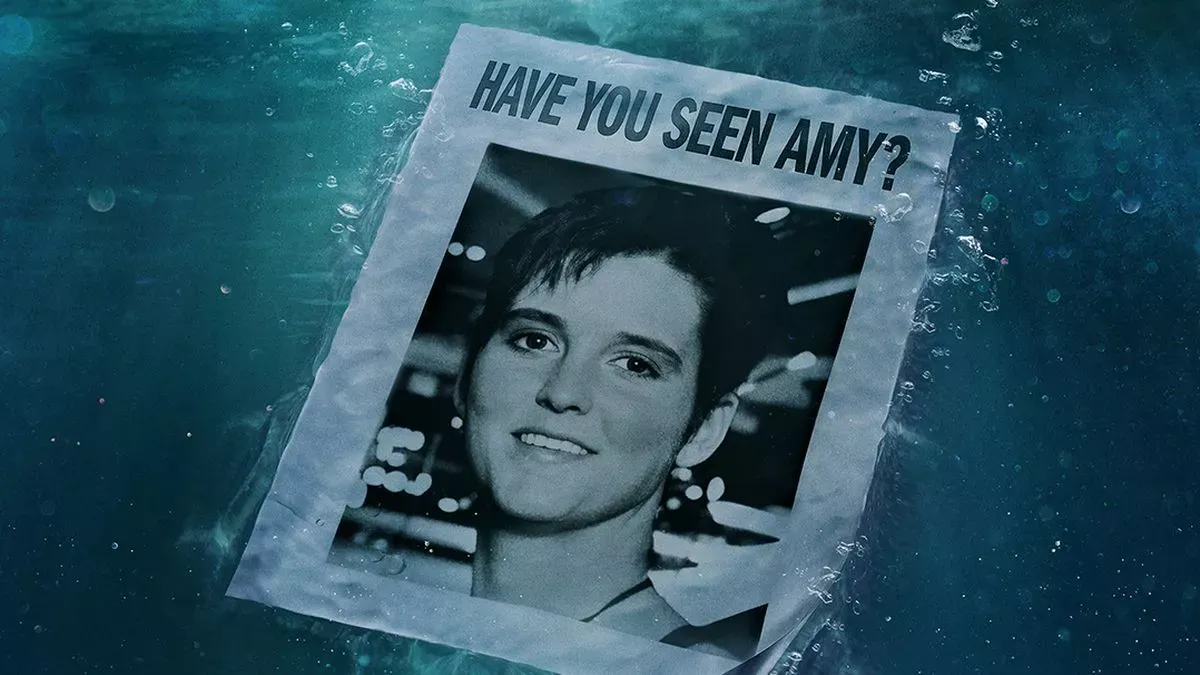

The streaming behemoth’s content algorithm has once again resurrected a ghost from the 1990s, packaging a decades-old tragedy into a binge-able, three-part docuseries. Amy Bradley Is Missing plunges viewers into the 1998 disappearance of a 23-year-old woman from a Royal Caribbean cruise ship, a case that has remained stubbornly unsolved.
The series opens on what should have been an idyllic family vacation, with home video footage painting a picture of sun-drenched decks and familial ease. This picture shatters when Amy vanishes from her family’s stateroom somewhere between Aruba and Curaçao.
Directors Ari Mark and Phil Lott use this disquieting event to launch an inquiry not only into a specific crime but into the very nature of jurisdiction, memory, and corporate responsibility on the open sea.
Through the raw, persistent grief of her parents, Ron and Iva, and her brother, Brad, the series finds its emotional engine. Yet the central question—What happened to Amy Bradley?—is complicated by the very platform presenting it, turning a private family’s search into a global content event.
Profit Over Person
The series meticulously reconstructs Amy’s final known hours, building a timeline from witness accounts and family testimony. We see her dancing, interacting with the ship’s band—specifically bassist Alister “Yellow” Douglas—and returning to the family cabin late at night. Her father’s last glimpse of her, asleep on their balcony chair at dawn, becomes a haunting final image.
Shortly after, she is gone. What follows is a maddening depiction of corporate procedure steamrolling human crisis. The cruise ship, a floating city with its own rigid power structure, demonstrates its primary allegiance is to its schedule.
The Bradley family’s desperate pleas to halt the ship and prevent anyone from disembarking are met with a calm, procedural stonewalling. Their personal horror is an inconvenience to the smooth operation of a massive commercial enterprise. The show must, quite literally, go on.
This refusal to treat a missing person as an emergency is the investigation’s original sin. The ship docks in Curaçao, its gangway opening to release thousands of passengers, and with them, any chance of a contained investigation or the preservation of a potential crime scene.
The series powerfully contrasts the family’s frantic, disorganized search with the crew’s methodical preparations for another day of tourism. This decision, prioritizing brand image and profit over the search for a missing person, is presented as a cold calculation.
The placeless territory of international waters, a legal gray area, serves as the perfect shield. With no single country’s laws taking precedence, the corporation’s internal policies become the supreme authority, leaving the Bradleys utterly powerless and their daughter’s disappearance an unfortunate anecdote to be managed.
Crafting a Narrative from Fear
With a physical search rendered futile, the docuseries pivots to a search for a viable story, and it finds one in the deep well of cultural anxiety. The theories of an accidental fall or suicide are explored but quickly set aside as dramatically unsatisfying.
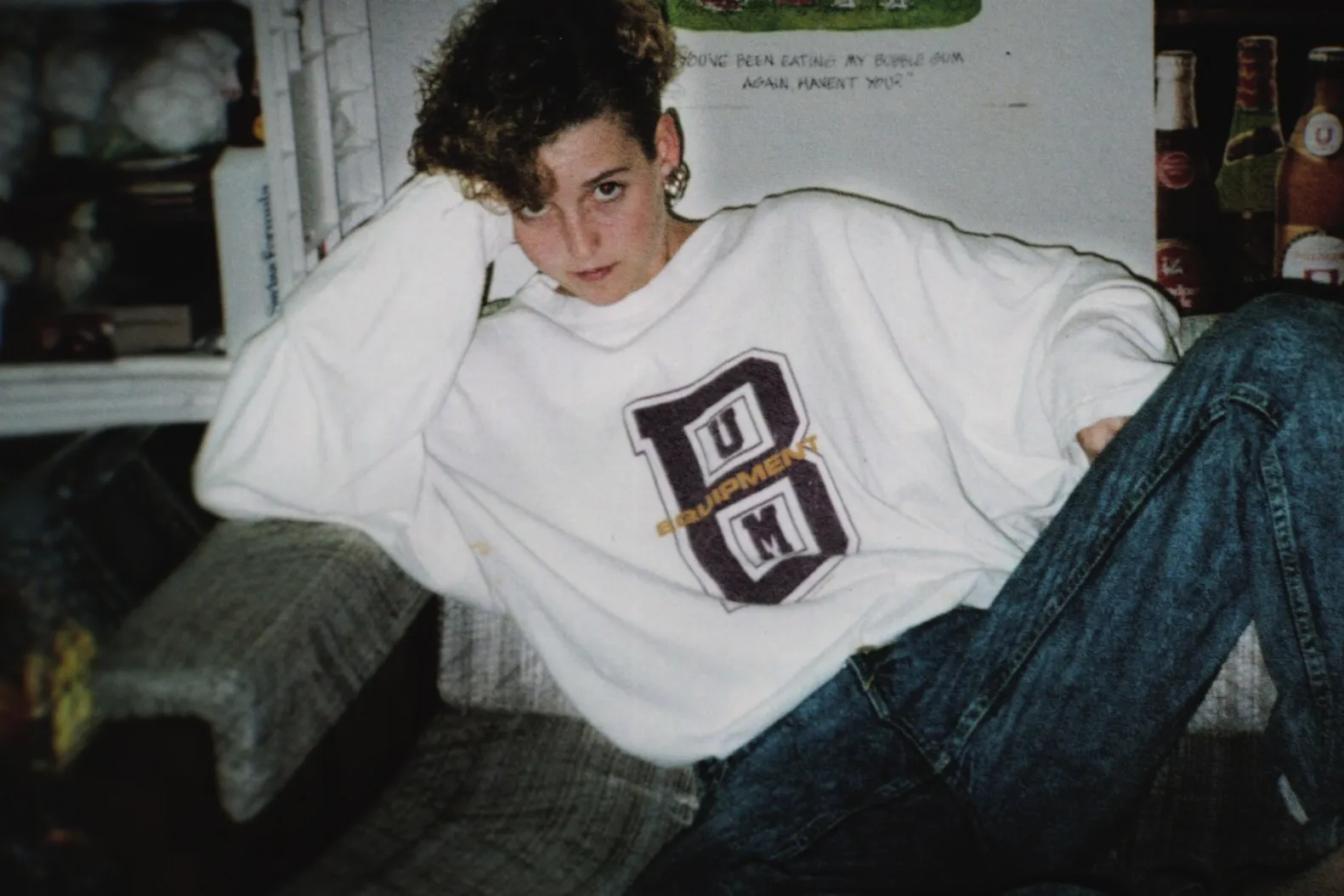 Instead, the series invests heavily in the specter of kidnapping and human trafficking, a narrative that relies on familiar tropes of imperiled white womanhood and exotic foreign danger. This theory is built on a foundation of scattered, decades-old memories from other tourists: a Canadian man who saw a distressed woman resembling Amy flanked by menacing men; a former US Navy officer’s claim of seeing her in a Curaçao brothel, where she allegedly asked for help. These fragments are woven together with a grainy, suggestive photo pulled from a defunct escort website, a piece of “evidence” that is both shocking and unverifiable.
These elements point toward Alister “Yellow” Douglas, the ship’s bassist. Through careful editing, the series positions him as the central suspect. His interviews, where he denies involvement, are intercut with testimony from his own daughter, who shares suspicions about his past.
This technique, while compelling, highlights how documentary filmmaking can steer an audience toward a conclusion, irrespective of hard proof. The show also briefly uses Amy’s queerness as a potential plot point, framing her coming out as a source of family tension before dropping the thread.
It becomes a red herring, reducing a part of her identity to a momentary device for dramatic conflict. The narrative is constructed not from certainty, but from the much more marketable elements of fear and suspicion.
From Documentary to Public Appeal
The production’s ultimate function is not to solve the case but to transform it into a modern media phenomenon, blurring the line between documentary and active intervention. Amy Bradley Is Missing operates in the vein of shows like Unsolved Mysteries, effectively deputizing its global audience as a cold-case unit.
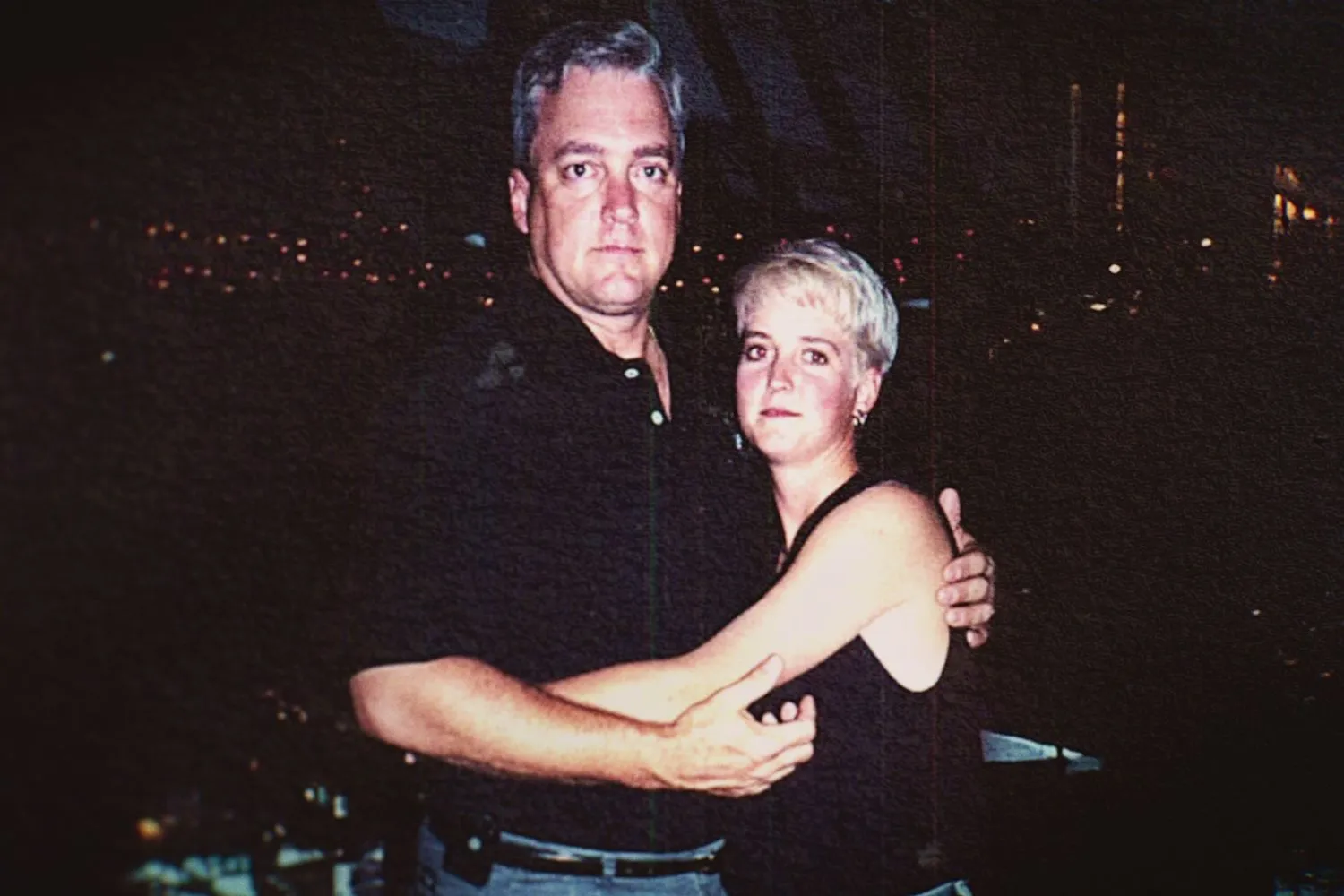
The three-part structure is a masterclass in this formula: the first episode establishes the emotional stakes, the second builds the web of speculative theories, and the third pivots to a direct call to action. This is no longer passive viewing; it is an invitation to participate.
The Bradley family’s pain is the authentic heart of the show, but it is also its primary asset. They offer their deepest trauma in exchange for the immense reach of the platform, a Faustian bargain many families now face in the age of streaming.
This new model of true-crime television is perfectly encapsulated in the series’ final moments. The audience is left with a tantalizing, unresolved clue: data from the family’s website shows a recurring visitor from Barbados, logging on during holidays and family birthdays.
Is it Amy, reaching out from the shadows? The show doesn’t answer. It creates a cliffhanger, ensuring the story will continue to circulate on Reddit forums and social media feeds long after the credits roll. It denies closure in favor of sustained engagement, transforming a historical case into a present-tense, interactive narrative. It is a powerful testament to a family’s hope, and a clear signal of the genre’s evolution into a perpetually open public forum where grief becomes content and viewers become detectives.
Amy Bradley Is Missing is a three-part docuseries that premiered on July 16, 2025. It is available to watch on Netflix.
Full Credits
Directors: Ari Mark, Phil Lott
Writers: Ari Mark, Phil Lott
Producers and Executive Producers: Phil Lott, Ari Mark, Alexandra Meistrell
Cast: Iva Bradley, Ron Bradley, Erin Cullather
Director of Photography (Cinematographer): Phil Lott, Amza Moglan
Editors: Jack Gravina
Composer: Sheridan Tongue
The Review
Amy Bradley Is Missing
Amy Bradley Is Missing is an effective piece of true-crime television, expertly packaging a family’s profound grief into a suspenseful, interactive mystery. While it succeeds in highlighting a haunting cold case and the corporate negligence that defined its first hours, the series relies too heavily on sensationalism and speculative narratives built from cultural fear. It skillfully turns viewers into detectives but feels ethically murky, transforming a human tragedy into a slick, marketable content event. It is a powerful, if unsettling, example of the modern true-crime machine at work.
PROS
- Emotionally powerful due to the intimate access to the Bradley family.
- Effectively builds suspense around the central mystery.
- Raises public awareness for an unsolved case, potentially generating new leads.
- Critically examines corporate procedure and the jurisdictional vacuum of international waters.
CONS
- Leans heavily on speculation and unverified theories over factual evidence.
- Employs manipulative editing to frame individuals and guide audience suspicion.
- Relies on familiar, sometimes problematic, cultural tropes about victimhood and danger.
- Blurs the line between documentary and entertainment, raising ethical questions.