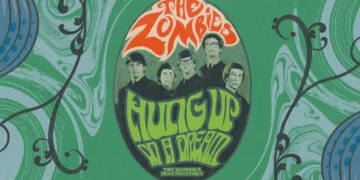

















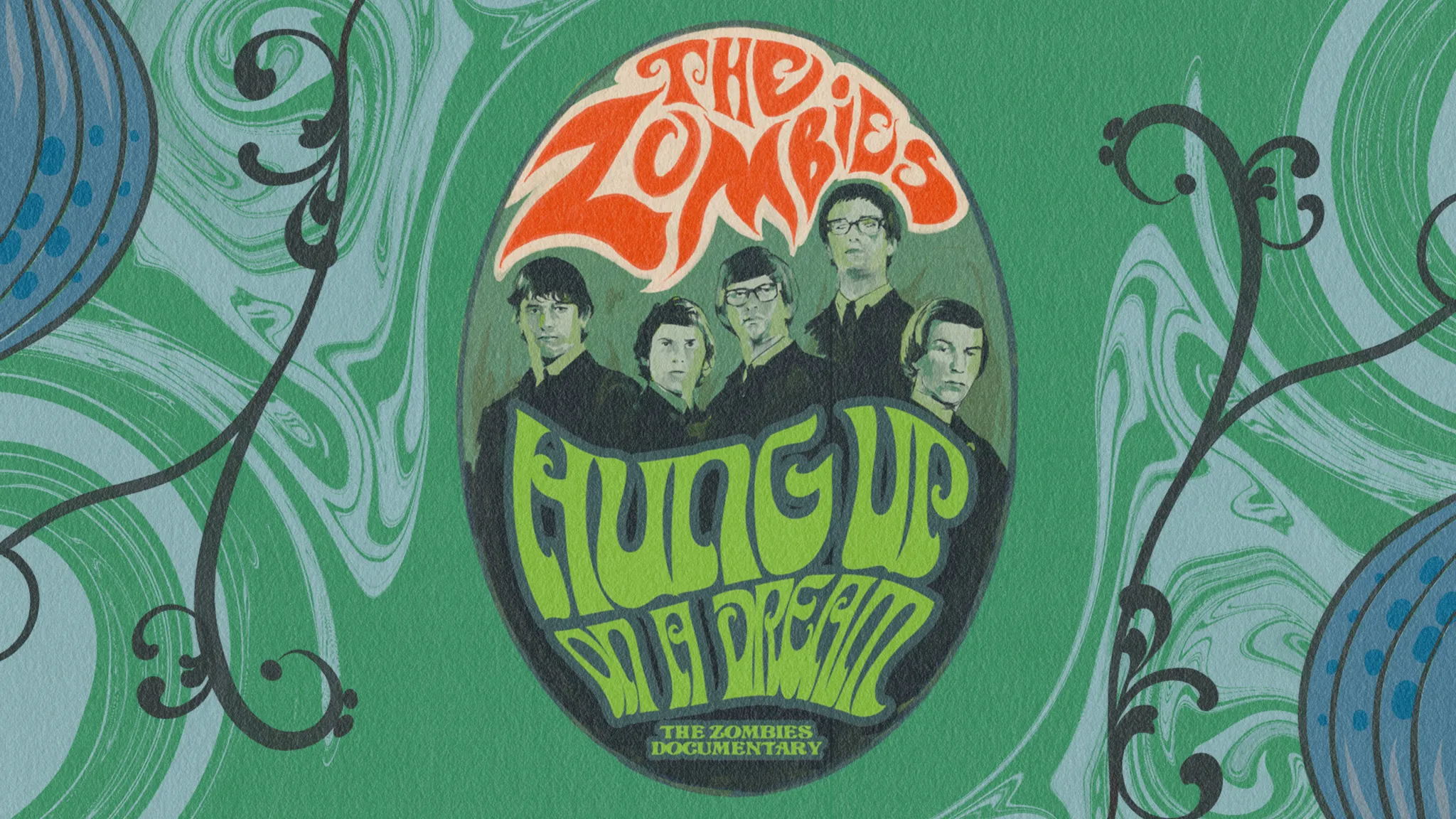

Most stories about rock bands follow a predictable arc. Robert Schwartzman’s Hung Up on a Dream is so compelling because it tells a success story almost completely in reverse. It presents a quiet, poignant portrait of a band that had to break up to become legendary.
This isn’t a loud film; its power is in its hushed, wistful tone, mirroring the music of The Zombies themselves. Their sound was a thing of rare beauty in the 1960s British Invasion: Colin Blunstone’s breathy, ethereal vocals layered over Rod Argent’s sophisticated, jazz-tinged keyboard melodies. They were architects of these intricate, melancholic pop gems.
The documentary frames their entire existence around a central irony—that their most significant cultural impact, the thing that would make them immortal, would happen only after they had walked away. It’s a heartfelt and subtly inspiring film that prepares you for a narrative not about rock excess, but about the unusual endurance of true artistry.
A Tale of Talent and Bad Timing
The film smartly establishes The Zombies as outliers from the very beginning. We see them not as rebellious rockers but as earnest, well-spoken schoolboys from St Albans. In the cultural context of the British Invasion, this was a radical image. While their peers were channeling raw, American blues, The Zombies brought a different, more refined sensibility.
Their musicality was on another level, built on complex harmonies and minor-key chord structures that felt miles away from the standard pop fare. This is where the film’s central conflict comes into view: the collision of their unique artistic gifts with the brutal, exploitative machinery of the 1960s music business. Director Robert Schwartzman lets this story unfold through the band members’ own words, their direct-to-camera interviews revealing a kind of baffled pragmatism.
The anecdotes are infuriating. We hear about a multi-day residency in the Philippines where, after playing to massive, adoring crowds, they walked away with practically nothing. The most telling detail, a perfect symbol of their predicament, might be that they had to pool their own money to pay for studio time to finish their second album.
The film paints a vivid picture of them watching the clock as they recorded what would become their final songs. Their initial breakup wasn’t caused by ego or infighting—the usual rock and roll drama. They simply couldn’t afford to be a band anymore, a reality that makes their story all the more relatable and deeply human.
An Odessey into Legacy
The second half of the documentary explores the strange and fascinating afterlife of The Zombies, a chapter that truly defies traditional storytelling. I can remember hearing “Time of the Season” on the radio for years, its cool, mysterious vibe defining a certain 60s mood, without ever knowing the band behind it was already defunct when the song became a hit.
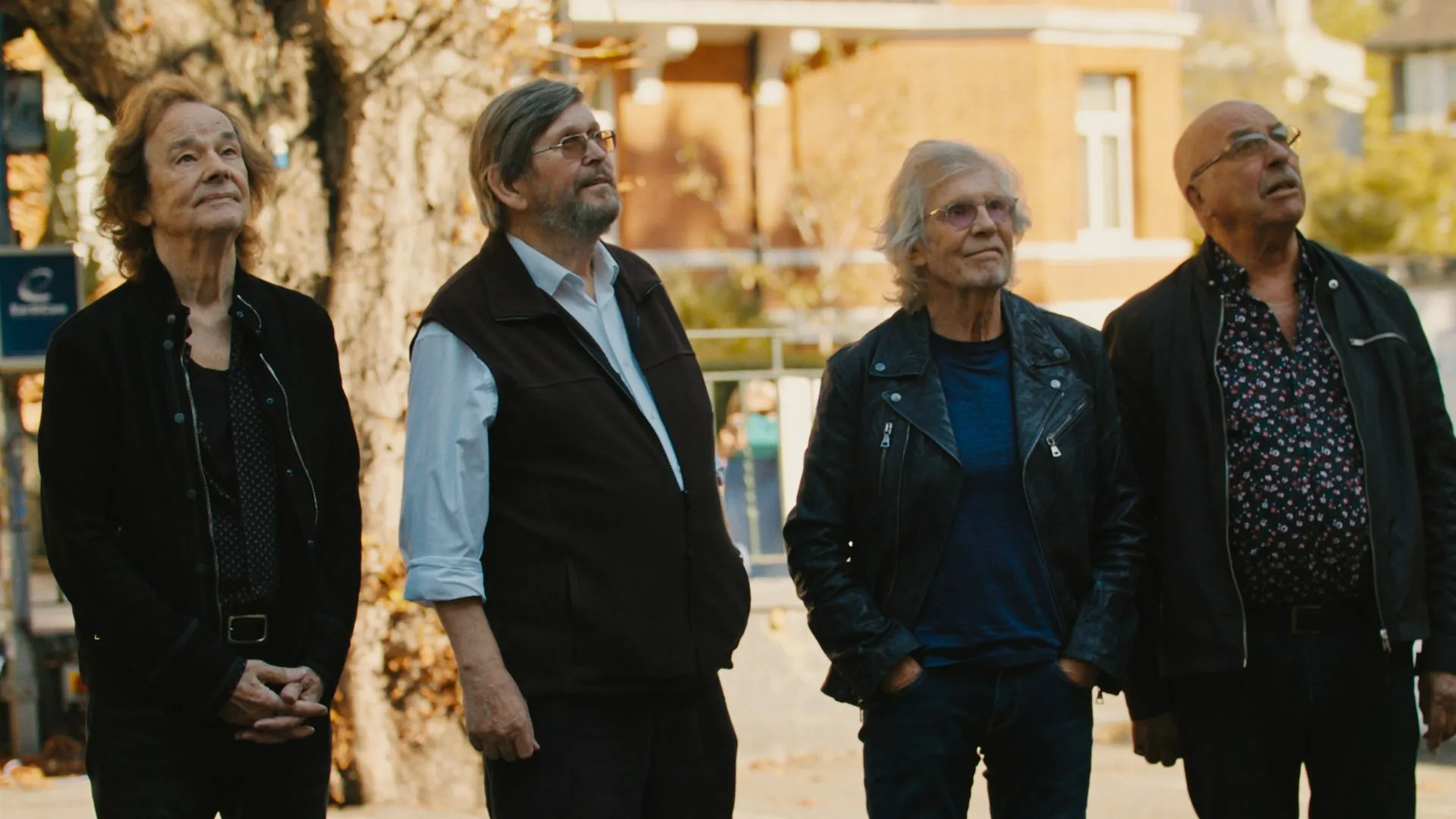
The film captures this strange reality perfectly. As the members moved on to office jobs, their music began a second life entirely on its own. The documentary then chronicles the slow, organic rise of their album Odessey and Oracle. It wasn’t just a collection of songs; it was a meticulously crafted piece of baroque pop, a studio artifact released just as the culture was shifting towards heavier, raw live rock.
It was completely out of step, and therefore, timeless. The film includes the charming anecdote about the cover’s famous spelling error (“Odessey”), a small mistake that somehow adds to the album’s mythic, homespun quality. This section also delves into the bizarre phenomenon of fake Zombies bands that began touring America, with one iteration even featuring future members of ZZ Top.
This wasn’t just a weird footnote; it was a clear sign of the cultural vacuum their absence had created and the genuine hunger for their sound. Their legacy wasn’t built through marketing; it bloomed quietly in the shadows.
The Quiet Triumph
What makes Hung Up on a Dream so emotionally resonant is how it redefines the very idea of a triumphant ending. The ultimate payoff here isn’t fame or fortune, but friendship and validation. In a genre of documentary so often fueled by bitter feuds and dramatic reunions, the genuine, lifelong affection between the members of The Zombies feels radical.
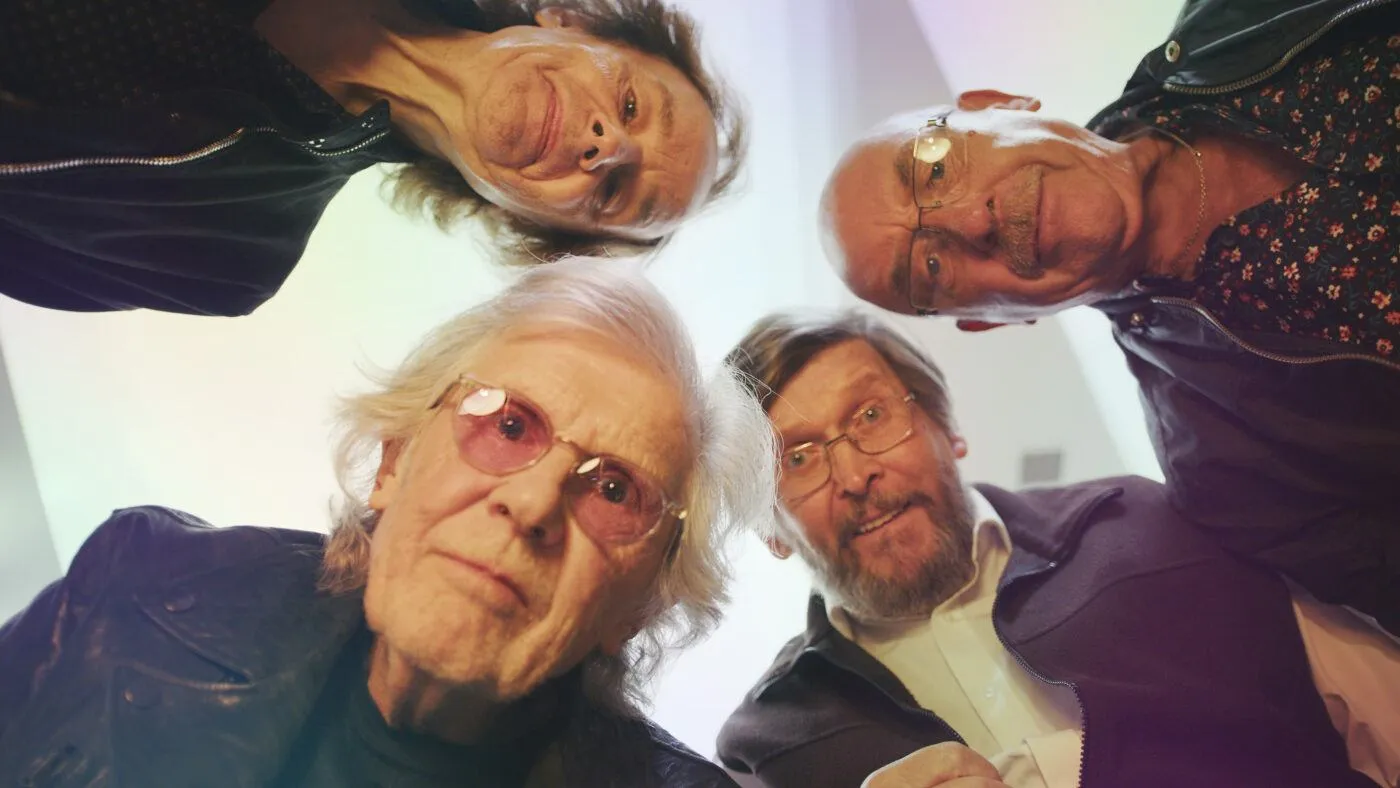
Schwartzman’s narrative structure is brilliant in its subtlety; the film’s climax is not a big reconciliation but a quiet affirmation of a bond that never broke. He uses warm, intimate shots of the members interacting today, a visual contrast to the grainy archival footage of their youth, effectively communicating the passage of time and the endurance of their connection.
This emotional arc culminates in their induction into the Rock and Roll Hall of Fame. The sequence is handled not as a simple trophy presentation, but as a profound, cathartic moment of arrival. When one member reflects that the induction made them “realize in your 70s, that you were successful in your 20s,” the full, poignant weight of their unusual journey lands.
The film becomes a beautiful celebration of artistic integrity, proving that success can be measured in legacy and influence, not just record sales. It’s a story that confirms some melodies are so special they just need a lifetime to be fully heard.
The film had its world premiere at the South by Southwest on March 15, 2023, and was released in the United States on May 12, 2025. You can find this documentary on platforms like Apple TV.
Full Credits
Director: Robert Schwartzman
Producers and Executive Producers: Robert Schwartzman, Russell Wayne Groves, Rod Argent, Colin Blunstone, Tom Hanks, Rick Krim, Chris White, Hugh Grundy, Helen Atkinson, Natalia Nastaskin, Larry Mestel, Cliff Burnstein, Gary Goetzman, Peter Mensch
Cast: Rod Argent, Colin Blunstone, Paul Atkinson, Hugh Grundy, Søren Koch, Steve Rodford, Tom Toomey, Chris White, The Zombies (Self), Russell Wayne Groves, Jonathan Gordon, Cole Harper, Rick Krim, Hayley Williams, Finneas, Paul Weller, Harry Styles, Dave Grohl, Portugal. The Man, Haim
Director of Photography (Cinematographer): Michael Rizzi
Editors: Meryl Goodwin
Composer: The Zombies, Benjamin Messelbeck
The Review
Hung Up on a Dream: The Zombies Documentary
Hung Up on a Dream is a moving and masterfully told story that subverts the typical rock documentary formula. Instead of focusing on excess, it celebrates artistic integrity, humility, and the profound strength of lifelong friendship. It's a poignant look at a success story told in reverse, beautifully capturing the quiet triumph of a band whose timeless music finally received its due. The film is a must-see not just for fans of The Zombies, but for anyone interested in the true nature of legacy and the strange, unpredictable path of great art.
PROS
- A compelling and unconventional narrative of delayed success.
- Deeply emotional focus on the band's enduring friendship and humility.
- A fascinating look at the exploitative side of the 1960s music industry.
- Celebrates the band's sophisticated, timeless music with genuine affection.
CONS
- Its gentle, methodical pacing might feel slow for viewers seeking high drama.
- Focuses almost exclusively on the band's career, offering little about their private lives.