




















On the island of São Miguel, the world feels elemental, carved from volcanic rock and saturated in the deep blue of an inescapable ocean. It is a place where breathtaking beauty offers a kind of confinement, where the air is thick with the salt of the sea and the incense of Catholic tradition.
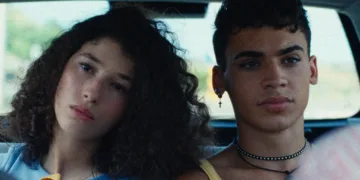
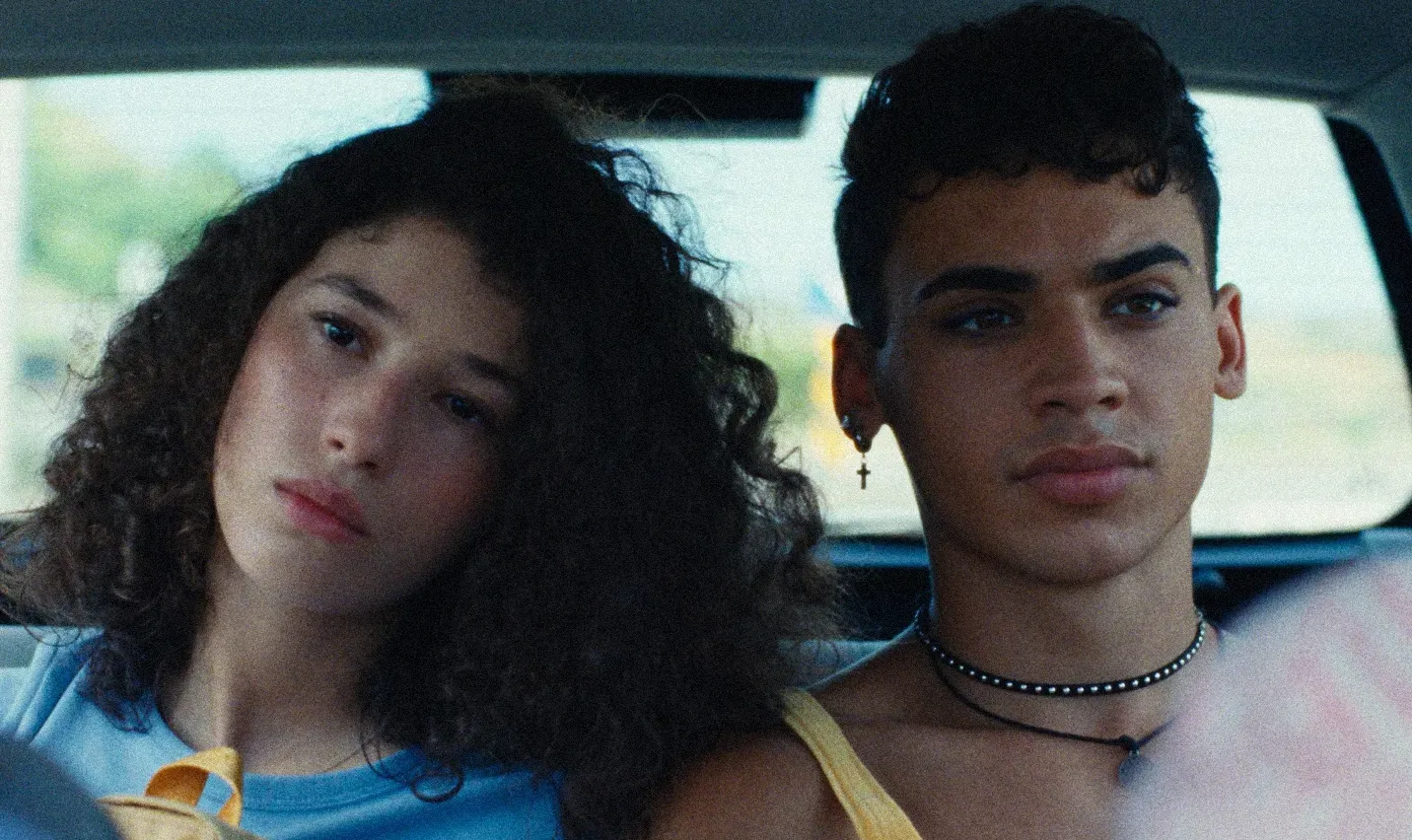
Within this atmospheric prison exists a generation straining against the quiet tyranny of their heritage. Cláudia Varejão’s Wolf and Dog is an observational immersion into this space, following the queer coming-of-age of Ana and her best friend Luis.
Their journey is not one of explosive rebellion but of a slow, seismic shifting of the soul. It is a quiet testament to the profound difficulty of becoming oneself when the world has already decided who you are, a struggle fought in the silent spaces between ritual and desire.
Between Wolf and Dog
The film’s title whispers its central philosophical conflict, a division of the soul that every inhabitant of this island must negotiate. Here, identity is a tense vibration between the “dog”—the domesticated self, conditioned to be loyal to the matriarchal structures and rigid Catholic dogmas that offer a comforting, if constricting, leash—and the “wolf”—the wild, untamable instinct that stalks the edges of propriety, the queer truth that yearns for a life beyond definition and containment.
This dichotomy is etched into the very landscape. The luminous, blue-tinged visuals present a volcanic paradise that doubles as an elegant cage; its dramatic shoreline is not a point of departure but the hard-stop edge of the known world. Varejão documents the community’s traditions not as a simple antagonist to be vanquished, but as a pervasive, elemental force, as inescapable as the humidity.
The ancient religious processions that punctuate the narrative are hypnotic, grounding the characters in a cyclical reality they must navigate, not merely destroy. The weight of this world is felt in the silent expectations within family homes and the communal gaze that polices deviation. They are participants in the very systems that seek to erase their truth, exploring the agonizing possibility of carving out an existence within the architecture of one’s own oppression.
Quiet Portraits of Awakening
The film’s profound power resides in its hushed, intimate character studies, which feel less like fiction and more like found portraits. Ana, portrayed by a wonderfully opaque Ana Cabral, is the story’s quiet, observant center.
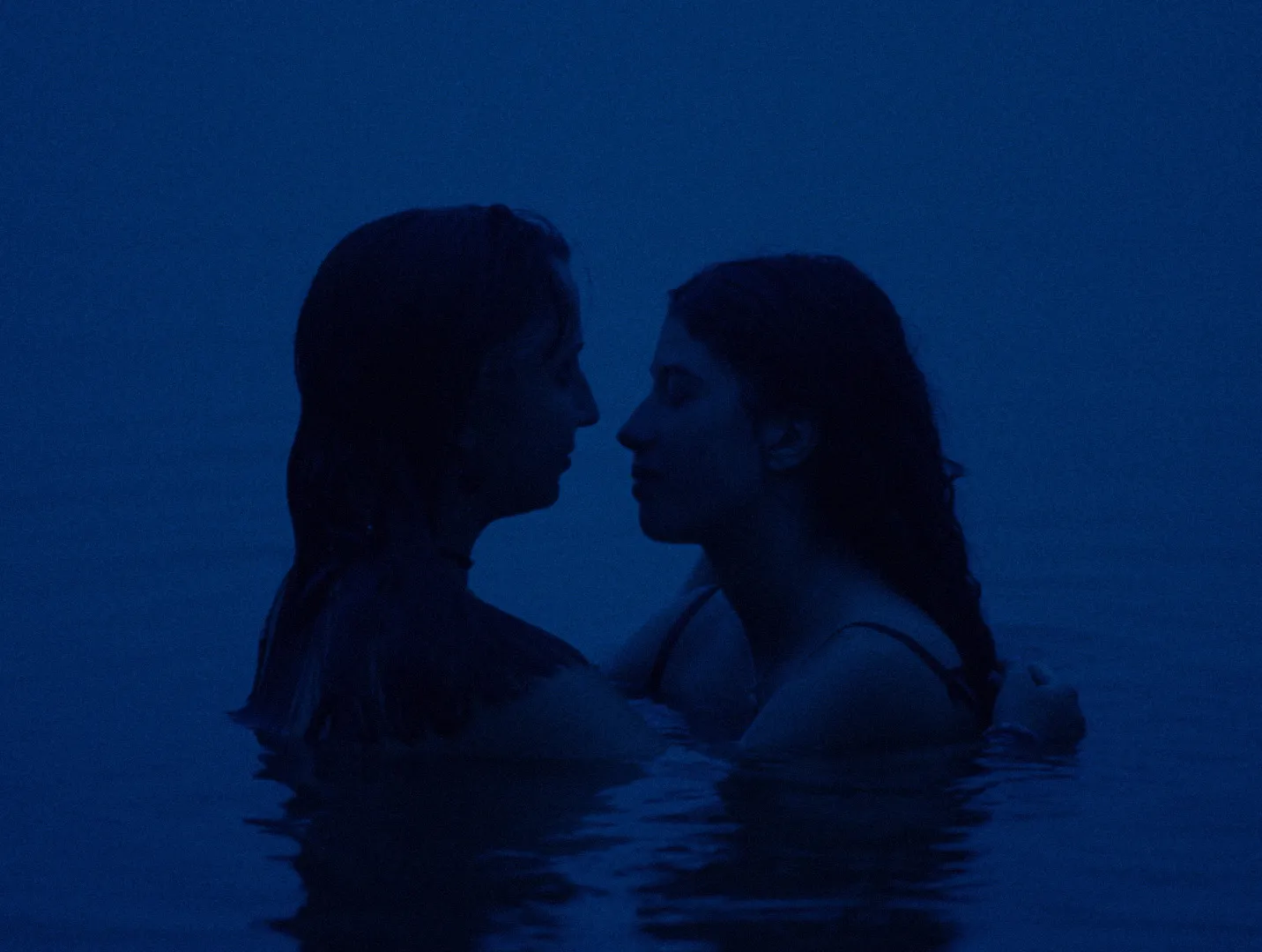
Her awakening is a profoundly internal process, a slow thaw tracked across a face that communicates everything words would cheapen. Initially, she exists in a state of suspended animation, her identity defined by her chores and the geography of her confinement.
Cabral’s genius is in conveying a monumental internal shift through the smallest of gestures—a change in posture, a newly steady gaze. Her journey is a silent shedding of a skin that was never hers. The arrival of her friend Cloe from Canada, a presence from an unimaginable outside world, acts as the catalyst, cracking the placid surface of her resignation.
In potent contrast, Luis (Ruben Pimenta) wears his identity as vibrant, declarative armor. His queerness is not a secret to be kept but an open performance of defiance against the island’s subtle, suffocating hostilities—a necessary act of world-building in a place that offers him no room. Varejão’s choice to cast non-professional actors strips the film of theatrical artifice, collapsing the distance between story and subject and leaving behind the potent, undeniable fact of their presence.
The Gaze Returned
Varejão’s direction mirrors the internal states of her subjects, beginning in a mode of neorealist documentation and slowly dissolving into a more abstract visual poetry. The initial documentary feel serves to map the contours of the prison, observing the rhythms of work and ritual with an almost ethnographic patience.
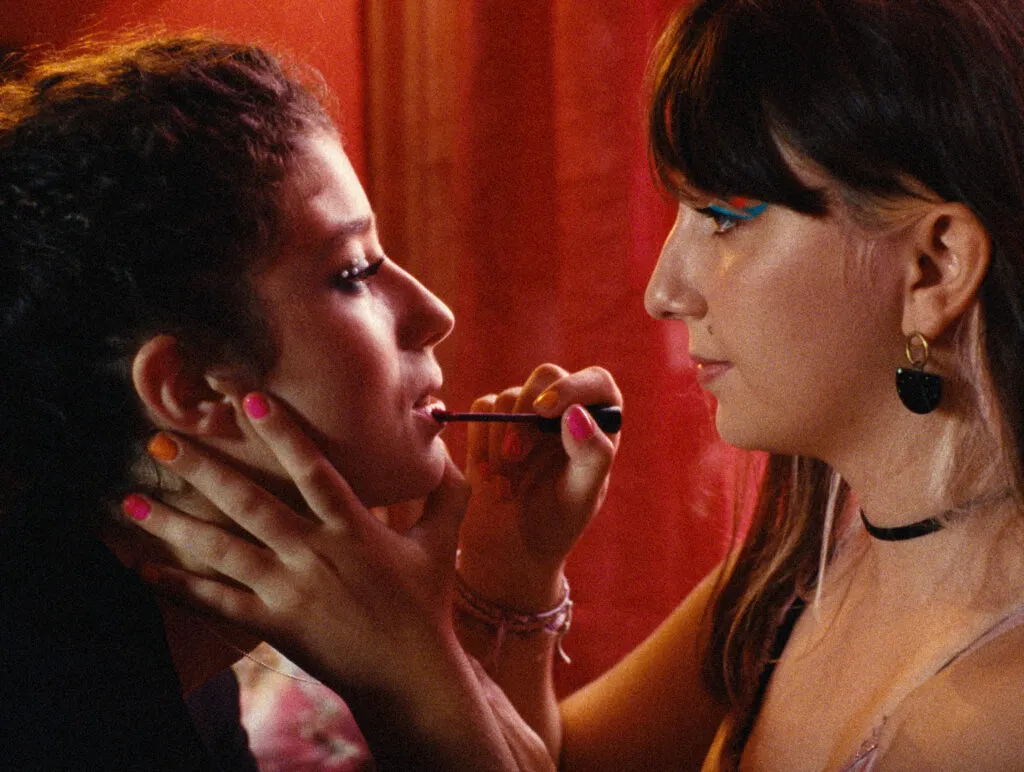
As the characters’ inner worlds expand and fracture, so too does the film’s cinematic language, abandoning simple observation for a more subjective, dreamlike state. Rui Xavier’s flowing camerawork evolves from a detached observer to an intimate confidant, lingering on the texture of skin, the play of light on water, the unspoken meaning in a shared glance.
The film is punctuated by symbolic gestures—the distant, melancholic sound of whale song from the deep, a sudden rainbow fracturing the light—that act as transmissions from an unseen, untamed reality. Its most arresting moment comes in a neon-soaked bar, where Luis and his friends break the fourth wall.
Set to the sublime, alien croon of Klaus Nomi, they return the audience’s stare. This is the film’s philosophical climax: the object of the gaze becomes the subject, a direct confrontation that shatters the comfort of passive viewership and demands recognition of a sovereign existence.
Wolf and Dog premiered at the Venice International Film Festival on August 31, 2022. The film is available on Prime Video in the US. In France, it had a theatrical release on April 12, 2023. The film is also available on DVD, released on August 26, 2025.
Full Credits
Director: Cláudia Varejão
Writers: Cláudia Varejão, Leda Cartum
Producers: João Matos
Executive Producers: Daniel Lupi
Cast: Ana Cabral, Ruben Pimenta, Cristiana Branquinho, Marlene Cordeiro, João Tavares, Nuno Ferreira, Luisa Alves, Mário Jorge Oliveira, Rúben Pimenta, Iris Macedo, Inês Monsanto, João Maria, José Miguel, Luís Miranda, Marisa Alves, Miguel Damião, Sara Andrade, Tânia Cordeiro, Tiago Cordeiro, Vera Costa
Director of Photography (Cinematographer): Rui Xavier
Editors: João Braz, Cláudia Varejão
The Review
Wolf and Dog
Cláudia Varejão’s film is a work of immense patience and profound beauty, a meditative immersion rather than a conventional narrative. It trades plot for atmosphere, capturing the agonizing and poetic struggle to forge an identity against the weight of tradition. For those seeking a deeply philosophical and visually stunning cinematic experience, Wolf and Dog is a haunting and unforgettable portrait of queer resilience, though its deliberate, unhurried pace demands a viewer's complete surrender.
PROS
- Stunning, atmospheric cinematography that captures the beauty and isolation of the Azores.
- Deeply authentic and moving performances from its non-professional cast.
- A profound and nuanced exploration of identity, tradition, and queer community.
- Artistically ambitious direction that shifts beautifully from neorealism to visual poetry.
CONS
- The deliberately slow, meditative pacing may feel tedious to some viewers.
- Its narrative is observational and sparse, which can create a sense of emotional distance.
- Characters, particularly Ana, can feel opaque, with their inner lives remaining heavily submerged.