























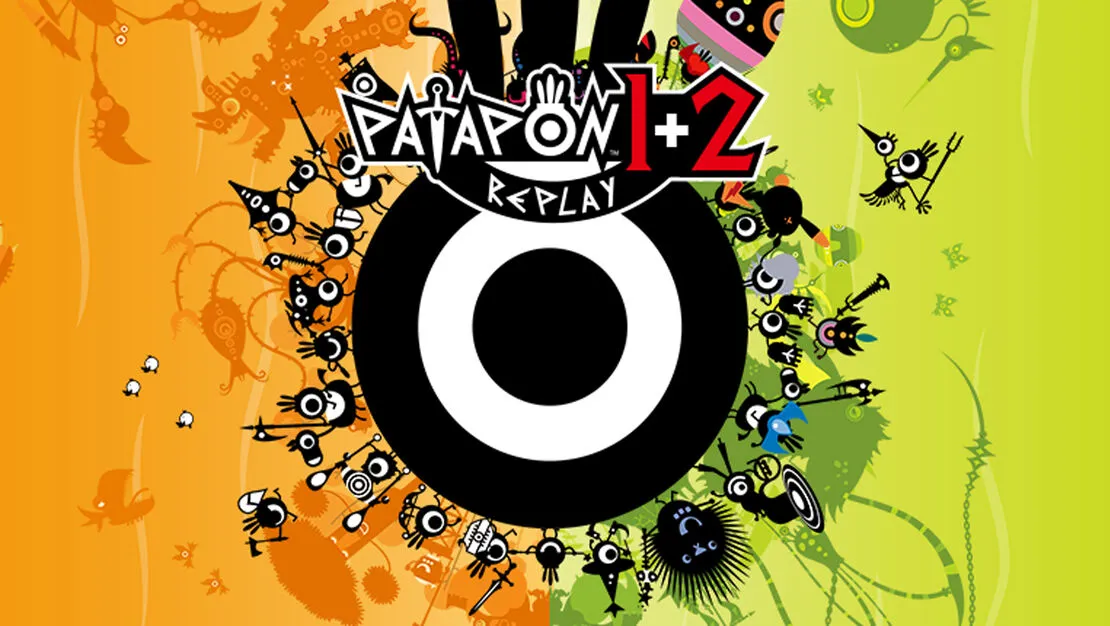

A hypnotic chant echoes from a bygone era of handheld gaming: Pata-Pata-Pata-Pon. This simple, four-beat command is more than a button sequence; it’s a call to war, a prayer to a deity, and the linguistic foundation of one of gaming’s most singular experiences.
Patapon and its sequel emerged from a creatively fertile period at Sony’s Japan Studio, offering a design that feels deeply rooted in Japanese aesthetic and mythological traditions. At its heart is the concept of a player-god, a “Mighty One,” guiding a tribe of spirited eyeball-creatures by beating sacred war drums.
Their quest for “Earthend” to find “IT” is a narrative of mythic simplicity, a canvas upon which a complex dialogue between rhythm and strategy is painted. Patapon 1+2 Replay packages these PlayStation Portable classics for modern hardware, re-introducing a new generation to their unique cadence. It’s a game where the beat is not just the backing track; it is the action, the language, and the soul of its world.
A Dialogue of Rhythm
The game communicates through a universal language: the percussive beat. The player’s interaction is a constant, rhythmic dialogue. Four buttons correspond to four drum sounds—Pata, Pon, Chaka, Don—and specific combinations form the vocabulary of command.
The march of your tiny army is not triggered by a joystick but by the steady, hopeful chant of Pata-Pata-Pata-Pon, performed in time with a persistent, pulsing beat marked by a flashing screen border. This contrasts sharply with the aggressive, staccato rhythm of an attack (Pon-Pon-Pata-Pon) or the braced, defensive beat of Chaka-Chaka-Pata-Pon. Each “song” possesses its own tactical personality, transforming the player from a simple operator into a conductor, a divine presence whose rhythmic precision dictates the fate of the tribe.
This call-and-response loop, where the player’s input is answered by the tribe’s unified chant and action, reflects a design that values collective empowerment. The energy feels akin to a Japanese matsuri (festival), where the powerful beat of the taiko drum unifies the community in a shared, spiritual experience.
The game channels this same energy toward a common goal. Success breeds Fever mode, a state achieved after stringing together a chain of perfectly timed commands. Here, the synergy between player and Patapon reaches its zenith. The tribe becomes stronger, the music swells into a more complex arrangement, and the game enters a trance-like flow.
Achieving Fever is not merely a power-up; it is the game’s central objective. It is a state of mind, a mechanical representation of perfect harmony between the individual’s performance and the collective’s action. Mastering the game means internalizing its cadence until the commands become instinct, a pure expression of will through rhythm.
From Tribe to Army
The strategic layer of Patapon is a study in the relationship between the group and the individual. Your army is a puzzle you solve before the mission even begins, composing a force of specialized units. Sturdy, shielded Tatepon are placed at the front to absorb damage, protecting the more fragile but essential high-damage Yumipon archers behind them.
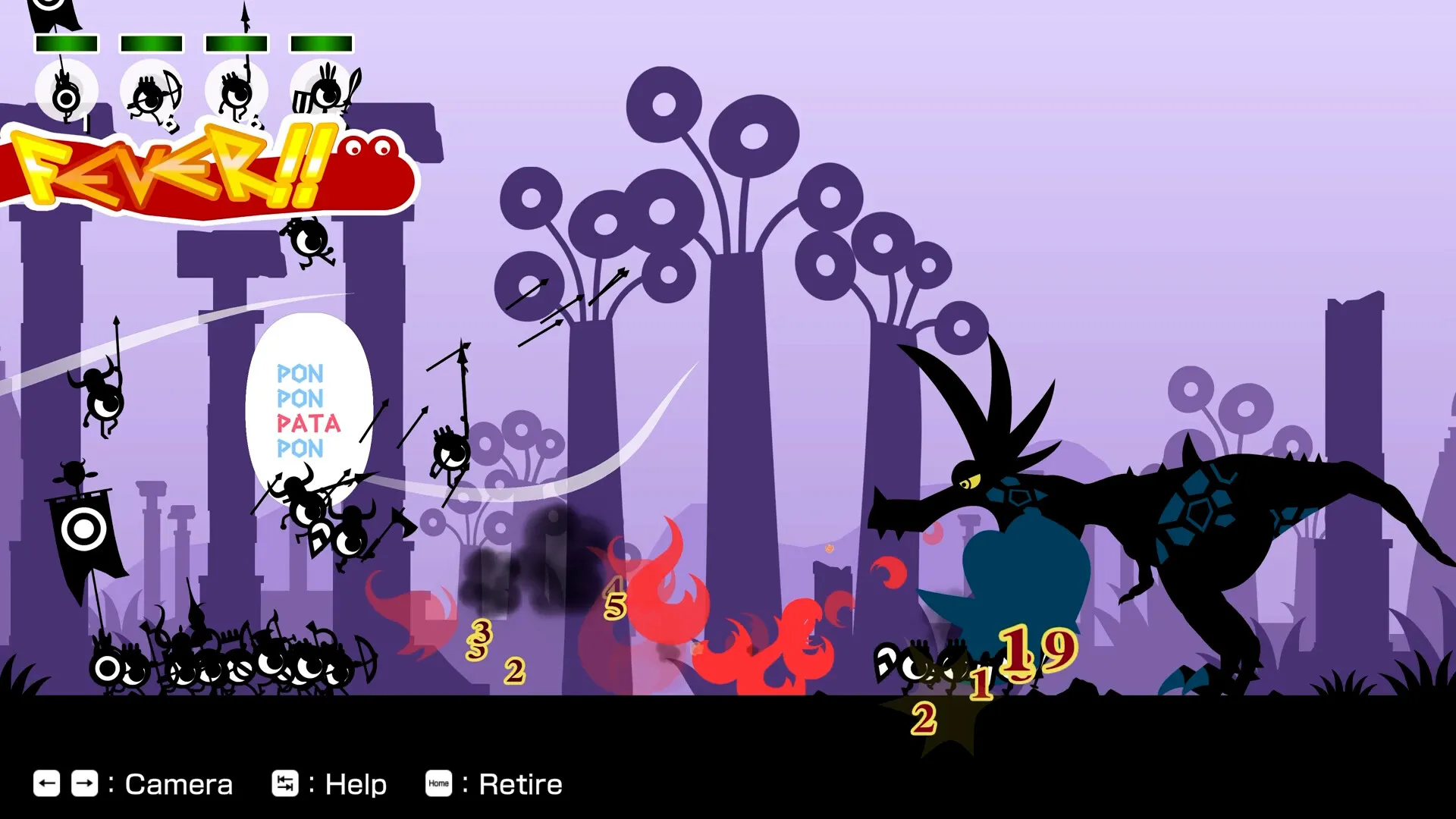
Slow but mighty Dekapon act as heavy bruisers, breaking through enemy lines. This interplay requires forethought and an understanding of the challenge ahead. Progression is a ritualistic process of gathering resources—hides, minerals, wood—from missions to birth new soldiers and forge better equipment. This design loop, often labeled as a “grind,” can be viewed through a cultural lens.
Where many Western designs prioritize constant forward momentum, Patapon’s loop is more meditative, focused on gradual improvement through repetition—a philosophy with parallels in Eastern practices from martial arts katas to calligraphy.
Patapon 2 introduces a fascinating evolution of this theme. The arrival of the Heropon places a powerful, player-customizable unit at the forefront of the army. This hero figure, whose abilities are tied to perfect rhythmic timing, adds a focal point of individual power to the previously anonymous collective.
Furthermore, the sequel’s Evolution Map provides players with direct agency over their army’s development. Instead of relying on chance, one can chart a course for units to become specialized “Rarepons.”
This shift from the communal, almost fated progression of the first game to the structured, individual-focused customization in the second reflects a larger narrative about the nature of growth—how a collective tribe learns to harness the unique strengths of its individual members to become a more formidable army.
Modern Frame for a Classic Design
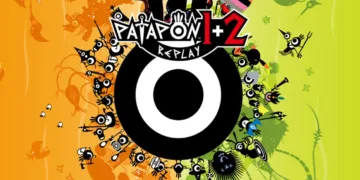
The game’s aesthetic is a masterclass in minimalist design. Recalling both the stark silhouettes of Indonesian shadow puppetry and the elegant simplicity of Japanese sumi-e ink wash paintings, the art is timeless. The sharp, clean vector graphics of this remaster honor that original vision, presenting the memorable designs of the Patapons and their monstrous foes with pristine clarity.
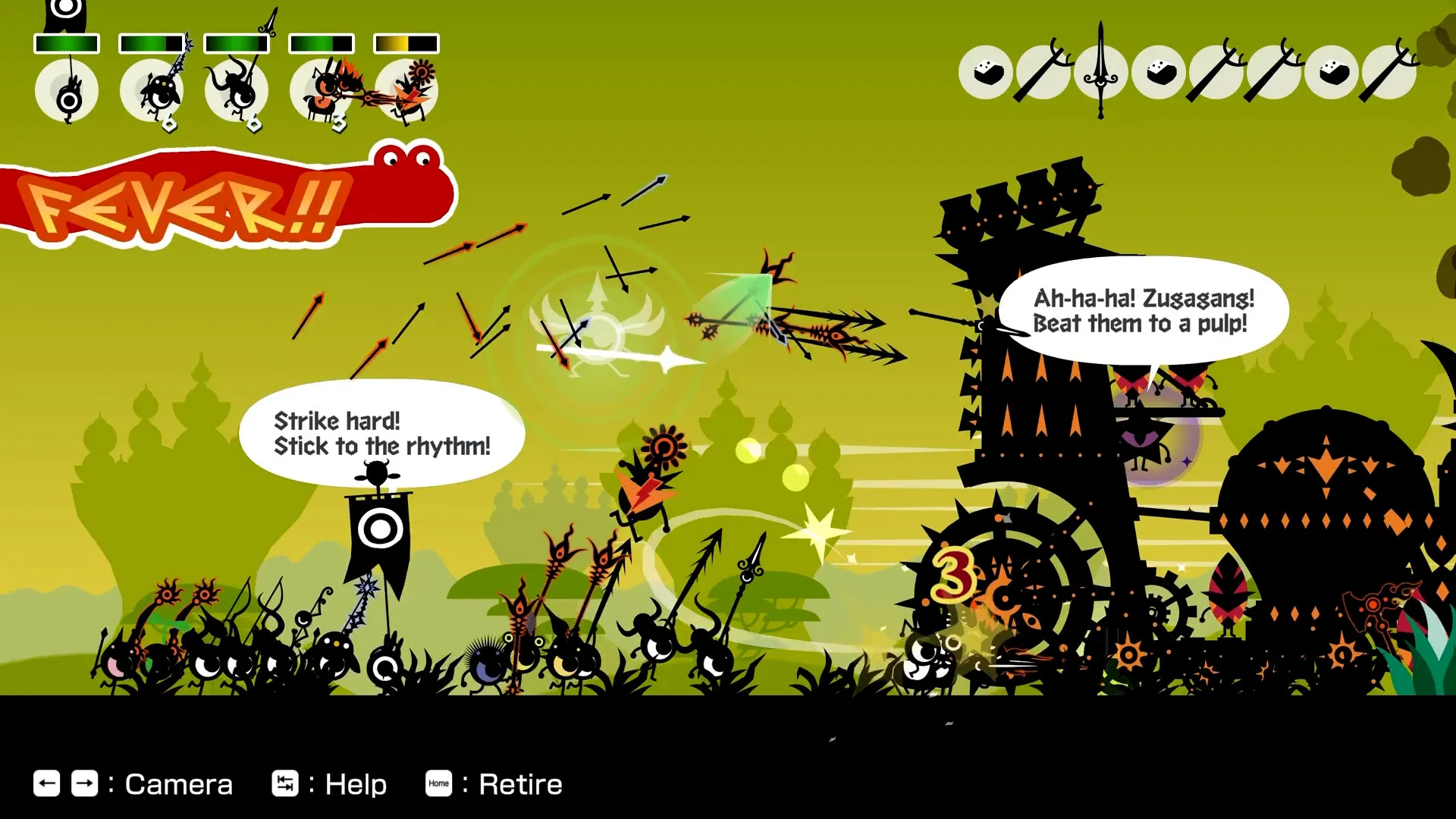
The screen-filling bosses are characters in their own right, their telegraphed attacks creating a dynamic dance where you must learn their rhythm to counter with your own. The sound design is inseparable from the visuals; the tribe’s chants are not just background music but the diegetic pulse of their world, growing in complexity and passion as the player’s performance improves.
This collection’s success in translating a classic to the present day is hindered by one significant cross-cultural, technical hurdle. The original game was built for the closed ecosystem of the PSP, where the direct, haptic feedback of the buttons was part of its design DNA.
Modern gaming setups, with their vast diversity of displays and audio devices, introduce variable input latency. The remaster attempts to solve this with a manual input timing setting, but the implementation is clumsy.
Without an automated calibration tool, the player is forced into a frustrating cycle of trial and error—tweak a setting, load the game, test the rhythm, exit, and repeat. It is a ghost in the machine, a loss in translation where the elegant design of the original clashes with the technical realities of its new global context.
An Enduring Echo
The experience of commanding an army with a drumbeat remains as potent today as it was years ago. While the need to replay missions and a clumsy timing calibration are noticeable flaws, they do little to diminish the game’s core brilliance.
For anyone who connects with its unique rhythm, this package offers two unforgettable classics whose echo resonates long after the screen goes dark.
The Review
Patapon 1+2 Replay
Patapon 1+2 Replay offers a brilliant and enduring core experience. Its fusion of rhythm and strategy is a masterclass in design, and its minimalist art remains striking. The collection provides excellent value, capturing a unique piece of gaming history. However, its brilliance is hampered by a frustratingly clumsy input calibration system and a repetitive structure that feels dated. While not a perfect remaster, the soul of the Patapon tribe beats as strongly as ever, making this an essential journey for those with the patience to find its rhythm.
PROS
- Deep and infectious rhythm-based strategy gameplay.
- Timeless, minimalist art style and a fantastic soundtrack.
- Excellent value with two classic games included.
- Significantly improved progression mechanics in Patapon 2.
CONS
- Gameplay can become repetitive and requires grinding for resources.
- Clumsy input timing calibration is a major point of frustration.
- Lacks many modern quality-of-life improvements.