










Fifteen years after A Serbian Film established itself as a cinematic pariah, a work so extreme it earned bans in dozens of countries, A Serbian Documentary arrives as a combination of post-mortem and apologia. The original film remains a high-water mark for transgression, a litmus test for the limits of on-screen horror that many viewers understandably fail.
This new documentary, assembled from hours of production footage and recent interviews, attempts to answer the question that has always surrounded the movie: what, precisely, were they thinking? It positions itself as a key to understanding one of modern cinema’s most forbidden objects. The inquiry itself is valid. The story behind a work of such profound revulsion is worth telling. What remains to be seen is who gets to tell that story, and for what purpose.
The Banality of Creation
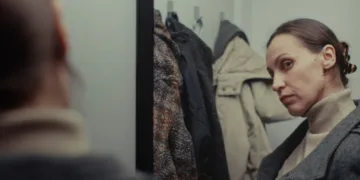
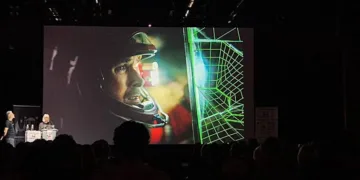
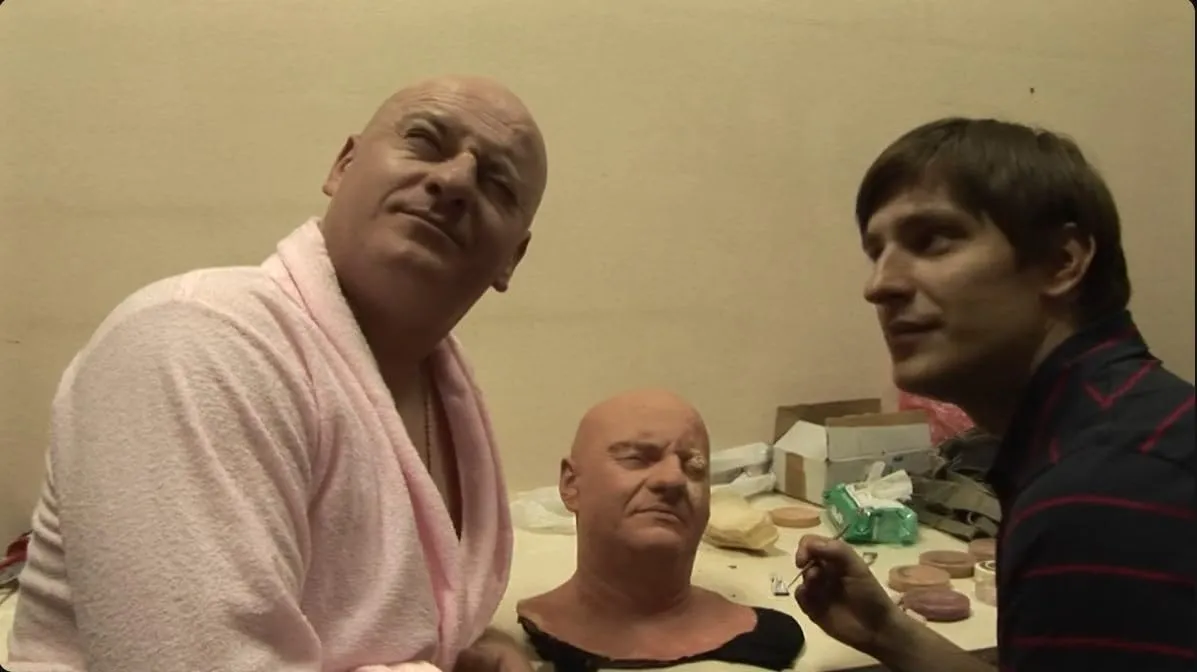
The documentary’s most effective moments are found in its function as a production diary, a procedural look at the assembly of a taboo. We are shown a trove of archival footage that reveals the meticulous, almost mundane, process behind the film’s shocking imagery.
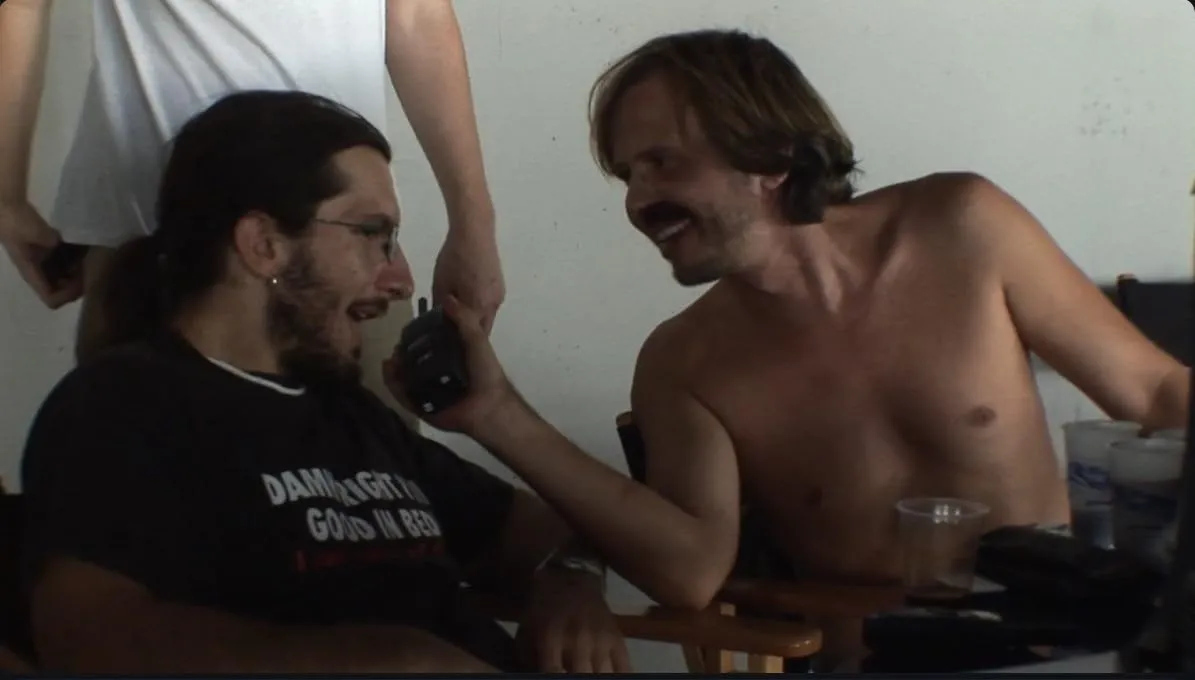
Actors Srđan Todorović and Sergej Trifunović reflect on their roles with the detachment of seasoned professionals discussing a difficult day at the office. Trifunović even admits to accepting his part before reading the script, an anecdote told with a laugh that feels galaxies away from his character’s on-screen sadism.
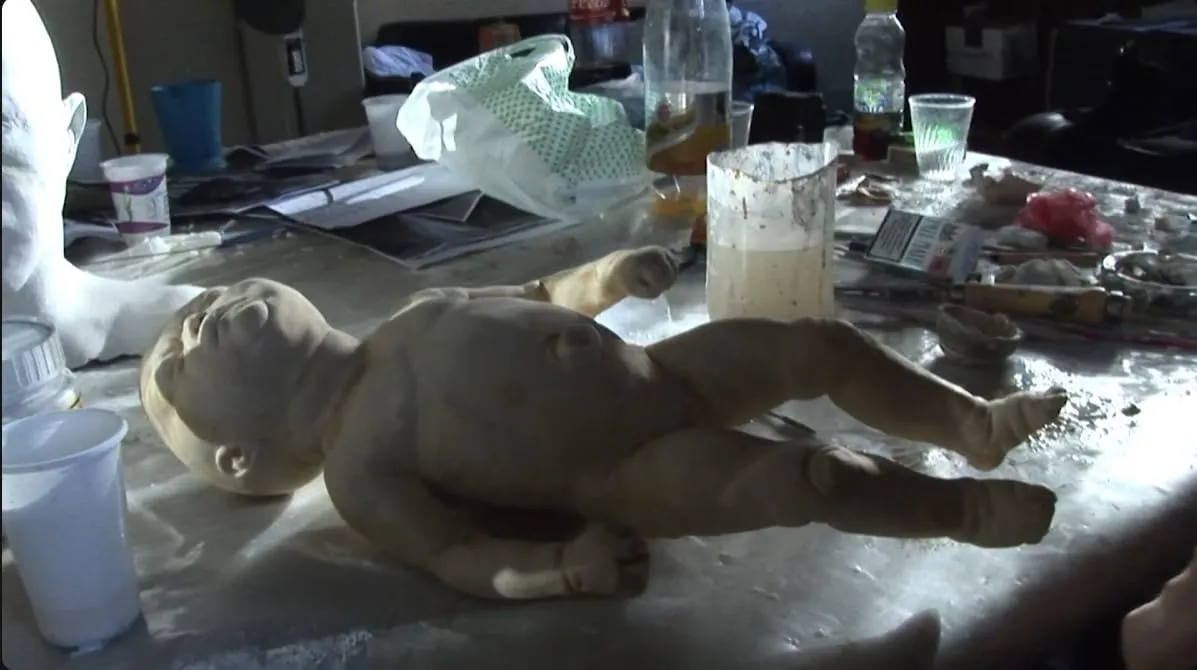
The documentary highlights the technical artistry of practical effects, showing specialists who treat the construction of a horrific tableau with the same focus as a cabinet maker. This creates a profound affective disconnect. The set is presented as a place of laughter, collaboration, and professional warmth (the care taken with the child actors is a point of heavy emphasis), a bizarrely cheerful workshop for manufacturing nightmares.
The viewer witnesses a scene of absolute human degradation being filmed, then immediately sees the actors and crew sharing jokes once the camera stops. It is a striking portrait of the strange compartmentalization required to create such artifice, a testament to the human ability to separate the performance of a thing from the thing itself.
The Politics of Revulsion
The documentary’s central argument, its very reason for being, is the assertion that A Serbian Film is a misunderstood political allegory. Director Srđan Spasojević and writer Aleksandar Radivojević present their movie as a scream of national rage, a metaphorical depiction of the Serbian experience after a century of conflict.
They directly link the narrative’s extreme violations to a history scarred by world wars, ethnic cleansing, and authoritarian rule. The film’s thematic core is articulated with a bleak aphorism: “In Serbia, they fuck you when you’re born, they fuck you when you’re alive, and they fuck you when you’re dead.” This is the philosophical get-out-of-jail-free card the film offers.
According to this defense, the movie was a necessary act of shock therapy against the sanitized, state-approved cinema that ignored the country’s deep trauma. It was intended as a warped satire. This positions the work within a tradition of protest art, but the fit is awkward.
The sheer extremity of the violence seems to eclipse any coherent political statement, leaving the viewer with visceral disgust instead of intellectual insight. The film’s political subtext, as explained here, feels less like an embedded code and more like a justification applied after the fact.
A Conversation in an Echo Chamber
For all its claims of clarification, the documentary operates from a compromised position. Its director, Stephen Biro, is also the distributor of the original film through Unearthed Films, a glaring conflict of interest that colors the entire proceeding.
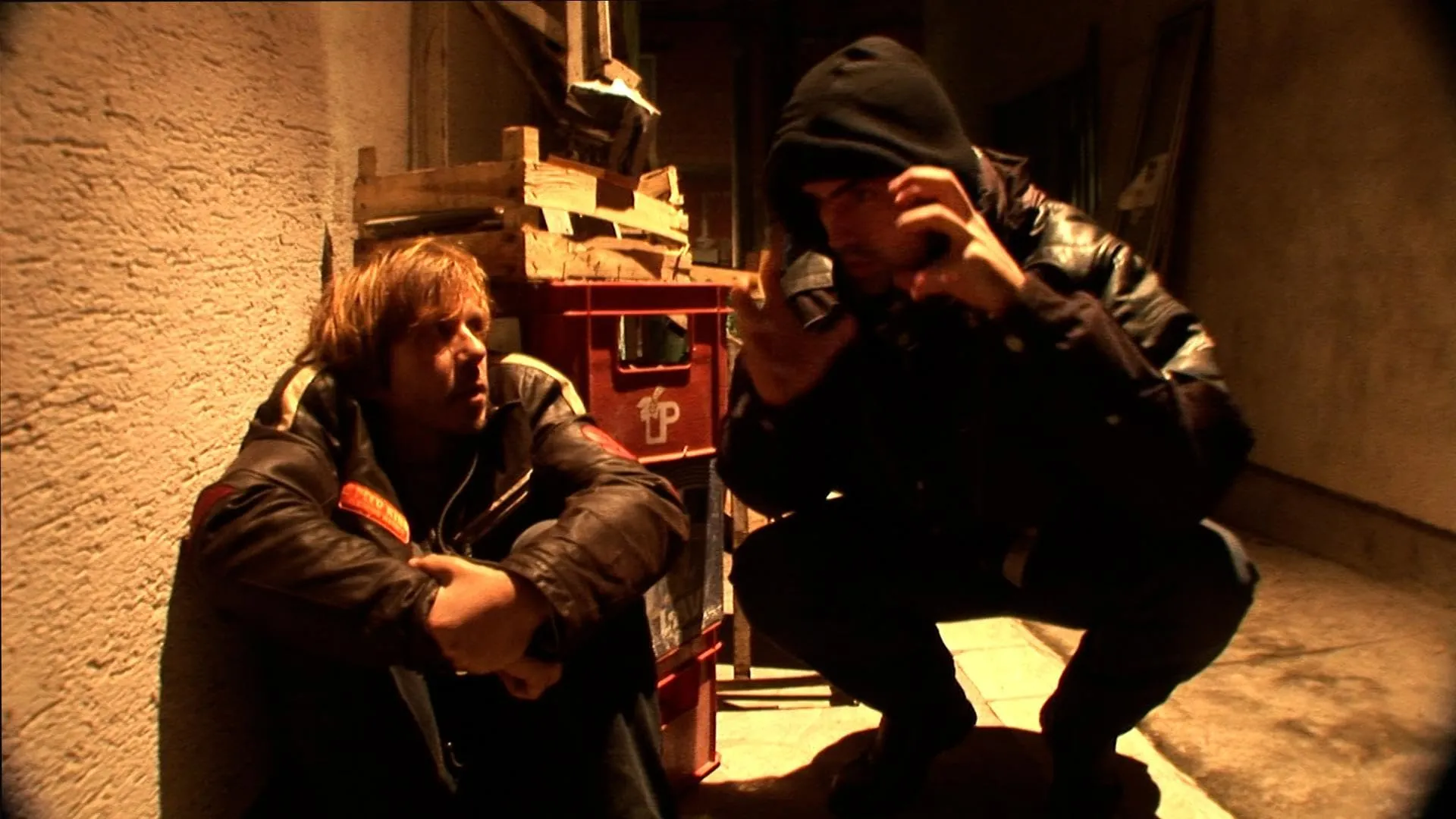
The film is a closed loop, an argument presented without a counterargument. It is a conversation held entirely within the family. We hear exclusively from the cast and crew, who uniformly defend the work. The film pointedly omits any dissenting voices. There are no film theorists to deconstruct the use of sexual violence, no censorship advocates to explain their position, no sociologists to discuss the cultural context from an outside perspective.
This one-sidedness transforms the project from a documentary inquiry into something closer to a defense exhibit. The explanations for the film’s content, especially the infamous newborn scene, are presented as definitive without ever being truly interrogated.
The result is a piece of well-made fan service that offers context but demands agreement. It successfully demystifies the production process, yet it fails to ask the hardest questions about the work’s ethical implications or its real-world impact. It is unlikely to convert any skeptics. It simply gives the converted a more articulate hymn sheet with which to praise their misunderstood masterpiece.
A Serbian Documentary is a documentary film that delves into the creation and controversy surrounding the film A Serbian Film. It premiered at the FrightFest London on August 22, 2025. The documentary was produced by Unearthed Films and Contra Film and contains never-before-seen footage and interviews with the cast and crew. It is primarily a US and Serbian production with dialogue in both English and Serbian.
Full Credits
Director: Stephen Biro
Writers: Stephen Biro, Aleksandar Radivojevic, Srđan Spasojevic
Producers and Executive Producers: Stephen Biro, Srđan Spasojevic
Cast: Srdjan Spasojevic, Jelena Gavrilovic, Sergej Trifunovic, Slobodan Bestic, Katarina Zutic, Ana Sakic, Luka Mijatovic, Andela Nenadovic, Miodrag Krcmarik, Nemanja Jovanov, Nemanja Jovanovic, Aleksandar Radivojevic, Sky Wikluh, Srdjan Todorovic
Director of Photography (Cinematographer): Jelena Tuvić, Nemanja Jovanović
Editors: Caleb Emerson
Composer: Sky Wikluh
The Review
A Serbian Documentary
A Serbian Documentary offers a fascinating, if sanitized, look into the creation of a cinematic taboo. While it provides valuable context from the creators and reveals the surprisingly mundane reality of the film's production, its complete lack of critical perspective makes it feel less like an inquiry and more like a closing argument for the defense. It is an essential companion for established fans, but an unconvincing case for any skeptics.
PROS
- Provides rare access to behind-the-scenes footage.
- Demystifies the technical creation of the original film's effects.
- Clearly articulates the filmmakers' stated artistic and political intentions.
- Humanizes the cast and crew, showing a collaborative on-set environment.
CONS
- Entirely one-sided, featuring no dissenting or critical viewpoints.
- Functions more as a promotional piece than an objective documentary.
- Directed by the original film's distributor, creating a clear conflict of interest.
- Avoids a serious interrogation of the ethical questions surrounding the source material.