







Noah Hawley says the creature at the center of this week’s most talked-about sequence in Alien: Earth—the eyeball-like organism fans have nicknamed “the Eye”—was built around a simple design brief: start with a function that triggers visceral discomfort and build the monster outward from there.
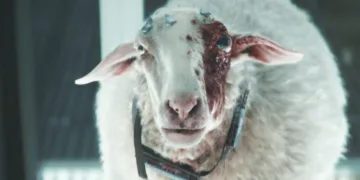
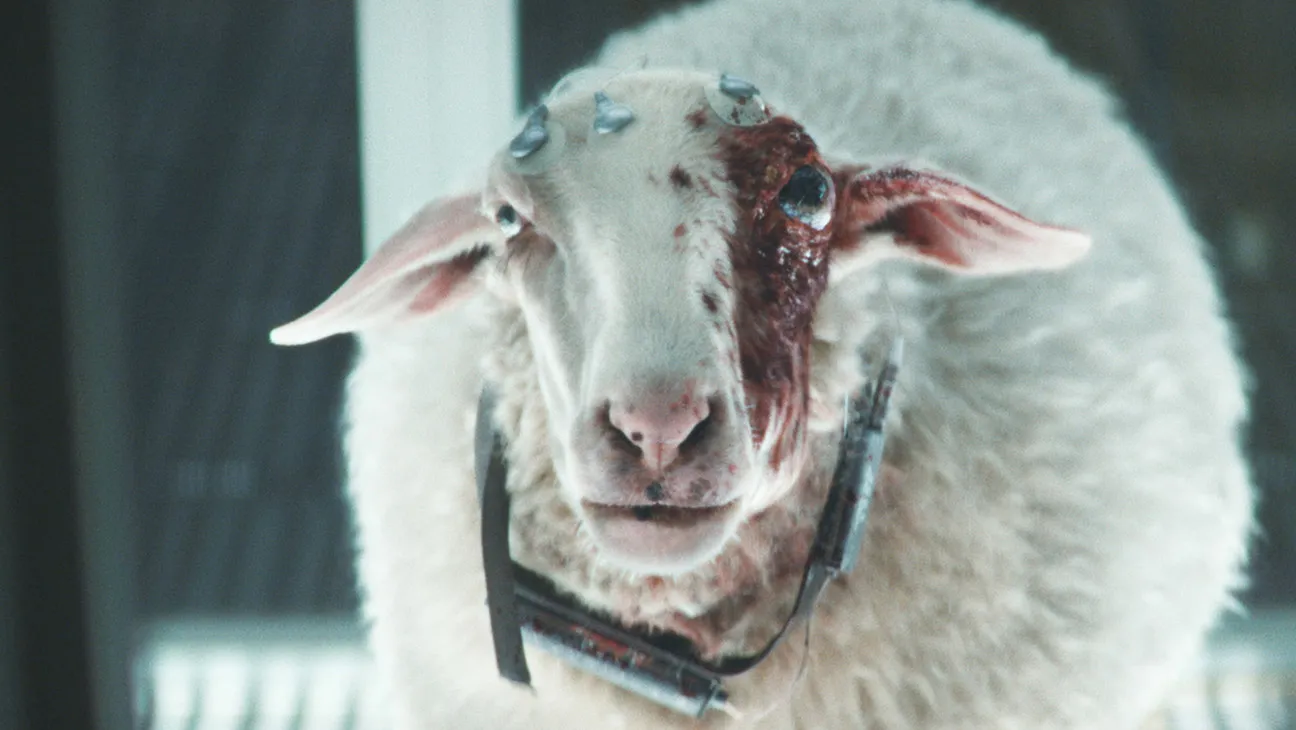
He describes aiming for “the most revolting” idea that would still feel grounded once staged, an approach that culminates in the entity overtaking a restrained sheep in episode four. Hawley adds that the production blended live-animal work with animatronic and digital elements to sell the moment without harming the animal.
The FX series, which premiered August 12, is set in 2120 and follows Wendy, a terminally ill child whose consciousness is placed into a synthetic adult body as part of a controversial corporate program. The show threads a Peter Pan motif through its portrait of megacorporations and bio-tech ambition, positioning immortality as a luxury product and framing humanity between predatory “monsters of the past” and the perils of an AI-shaped future.
Hawley’s “function over form” mandate extends to new species beyond the classic xenomorph, with the Eye designed to weaponize common anxieties about ocular injury. The moment has drawn immediate attention after the episode’s airing, with analyses noting how the scene taps a primal fear response while expanding the franchise’s bestiary in a way suited to serialized storytelling.
The series also plays with audience expectations of synthetics. Timothy Olyphant, who portrays Wendy’s mentor Kirsh, recently said the role demanded boundary-testing choices in voice, movement, and look—including bleaching his hair and eyebrows—to keep both characters and viewers off balance.
While some commentators have questioned how the prequel’s specifics align with long-standing Alien timelines, others argue the franchise has always allowed room for auteur interpretation. Hawley’s Earth-bound canvas—corporate fiefdoms, hybrids, cyborgs, and fresh creatures—leans into that flexibility while returning to the series’ recurring questions about what humanity is willing to trade for survival.