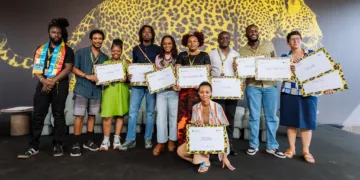





























Nigerian and Zimbabwean projects led this year’s Open Doors awards at the Locarno Film Festival, with Nigeria’s Till the Morning Comes by Dika Ofoma taking three honors and Zimbabwe’s Black Snake by Naishe Nyamubaya receiving the top cash grant. Organizers said the 2025 edition inaugurates a four-year focus on Africa within the festival’s industry platform, underscoring support for filmmakers working in challenging conditions.
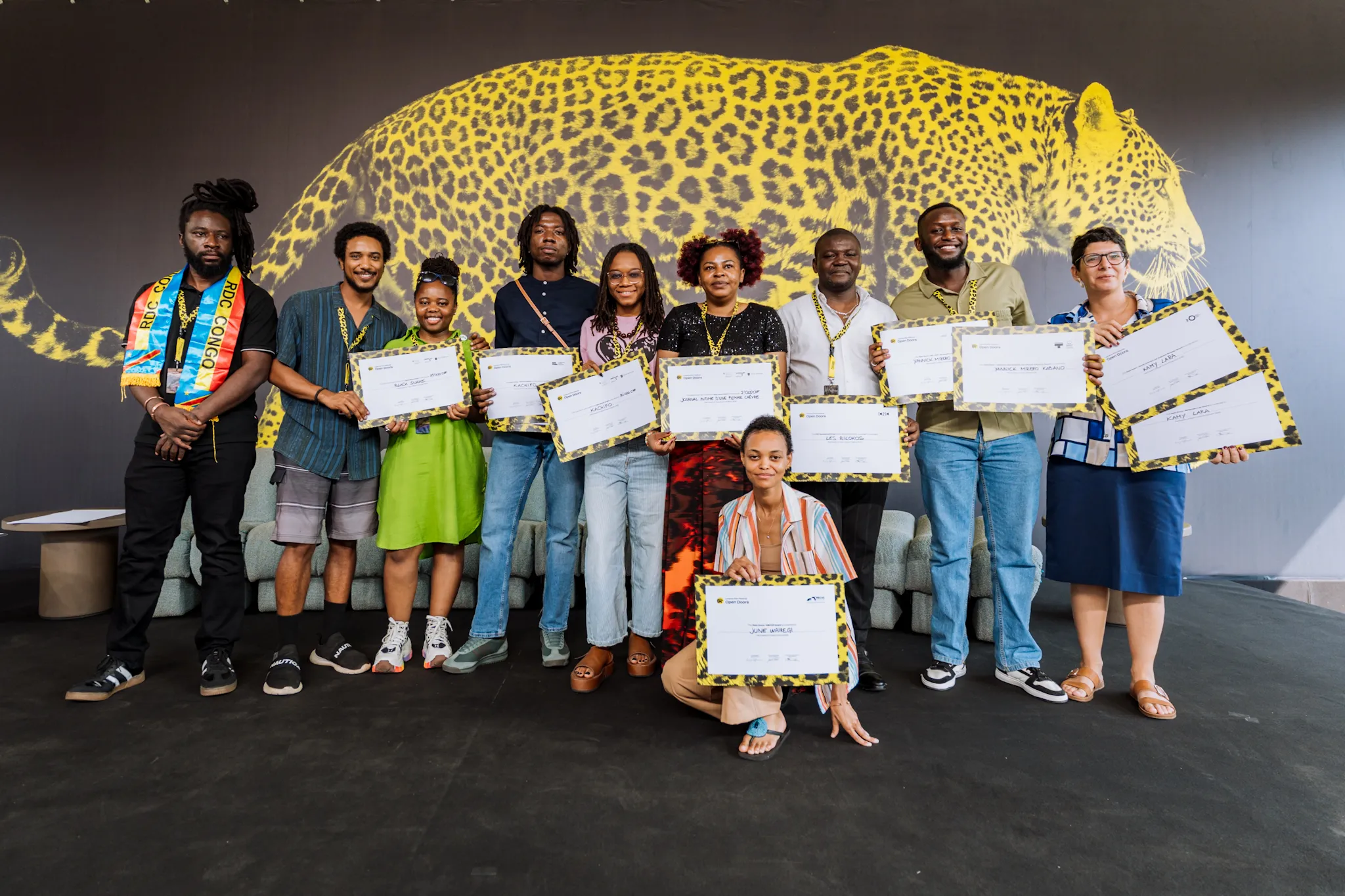
The Open Doors Grant of CHF 50,000 was split among three titles: CHF 25,000 to Black Snake, produced by Sue-Ellen Chitunya; CHF 20,000 to Till the Morning Comes; and CHF 5,000 to Diary of a Goat Woman by Azata Soro, an Ivory Coast/Burkina Faso project. Ofoma’s film also earned the ARTEKino International Award (€6,000) and the Sørfond Award, which includes selection for November’s Sørfond pitching event with travel and lodging covered.
Further support came via partner prizes. The CNC Development Grant (€8,000) went to The Bilokos, a DR Congo/France project by Erickey Bahati with producer Giresse Kassonga. Rwandan producer Yannick Mizero Kabano received both the Tabakalera–San Sebastián Film Festival Residency Award and the Open Doors–OIF–ACP–EU Award. Kenya’s June Wairegi was selected for MECAS in Las Palmas, while Angola’s Kamy Lara received the Rotterdam Lab Award and the World Cinema Fund Audience Strategy Award.
Open Doors combines a co-production market with talent development strands for creative producers and short-film directors. This year’s professional activities ran August 7–12 alongside festival screenings, with the Africa emphasis continuing through 2028. Program materials frame the initiative as a bridge between emerging storytellers and international partners, with juried cash and in-kind awards designed to move projects from development toward production.
The awards highlight a cross-continental pipeline now drawing sustained attention from European funds and residencies, as winners span West, East, Central, and Southern Africa. In particular, the combination of a principal grant for a Zimbabwean project and multiple prizes for a Nigerian title signals a broadening map of support for African genre and arthouse work moving into the global co-production arena.