



















There is a growing category of television that functions less as narrative and more as a mood board. These shows are designed to be ambient, offering luxurious aesthetics and minimal conflict as a form of visual anesthetic for a stressed-out audience. They sell a fantasy of frictionless living, where problems are as manageable as the cocktails are pristine.
Amazon’s Hotel Costiera is the latest and perhaps most telling entry in this emerging genre of “comfort television.” It presents a world scrubbed clean of genuine stakes, set on Italy’s Amalfi Coast, where the primary attraction is the locale itself. At its center is Daniel De Luca, a former U.S. Marine turned suave hotel “fixer,” a man whose job is to smooth over the trivial troubles of the one percent.
The series balances these episodic tasks with a season-long search for the hotel owner’s missing daughter, a setup that promises intrigue. Yet, the show’s placid tone immediately raises a more pressing question: in its pursuit of pure escapism, does it offer a compelling story or just an expensive, empty view?
A Narrative Designed for Distraction
The narrative structure of Hotel Costiera is a carefully calibrated exercise in minimizing anxiety. Its “problem of the week” format feels like a relic from a bygone era of network television, deliberately uncomplicated and designed for passive viewing. Daniel’s tasks are conspicuously trivial, underscoring the show’s commitment to low-stakes storytelling.
In one instance, he is dispatched to retrieve a pampered dog from a group of would-be criminals who seem more like directionless teenagers than genuine threats. The resolution is quick and entirely without peril. Another plot involves the logistical challenge of transporting human remains, a scenario that is treated as a bureaucratic puzzle rather than a moment of human grief.
These mini-adventures serve a clear purpose: they establish Daniel’s flawless competence and reinforce the idea that in this world, every problem has a neat, tidy solution. There is no moral ambiguity, no lasting consequences, just a continuous cycle of minor disruption and effortless restoration.
This commitment to consequence-free plotting significantly undermines the season’s central mystery: the search for Alice, the hotel owner’s daughter. What should be a source of rising tension instead becomes another low-priority task on Daniel’s list. The series invests little energy in making her disappearance feel dangerous or urgent.
Her family expresses a level of concern that feels more like mild inconvenience. As Daniel’s investigation leads him to the grittier streets of Naples, the show pulls its punches, refusing to allow any real darkness to penetrate its sunny exterior. The mystery lacks the narrative teeth to be compelling, making the eventual resolution feel unearned.
This structural choice reveals the show’s core philosophy: it prioritizes a tranquil viewing experience over genuine suspense. The six-episode season moves at a leisurely pace that is occasionally engaging but often languid, making it an ideal candidate for a weekend binge for those looking to be distracted, not challenged.
The Idealized Hero and His Disposable World
At the heart of the series is Jesse Williams’ Daniel De Luca, a character constructed to be an avatar of effortless perfection. Williams brings a powerful physical presence and an easy charm to the role, making Daniel instantly likable. He is handsome, witty, and unfailingly capable, a modern fantasy of a man who can solve any problem without breaking a sweat.
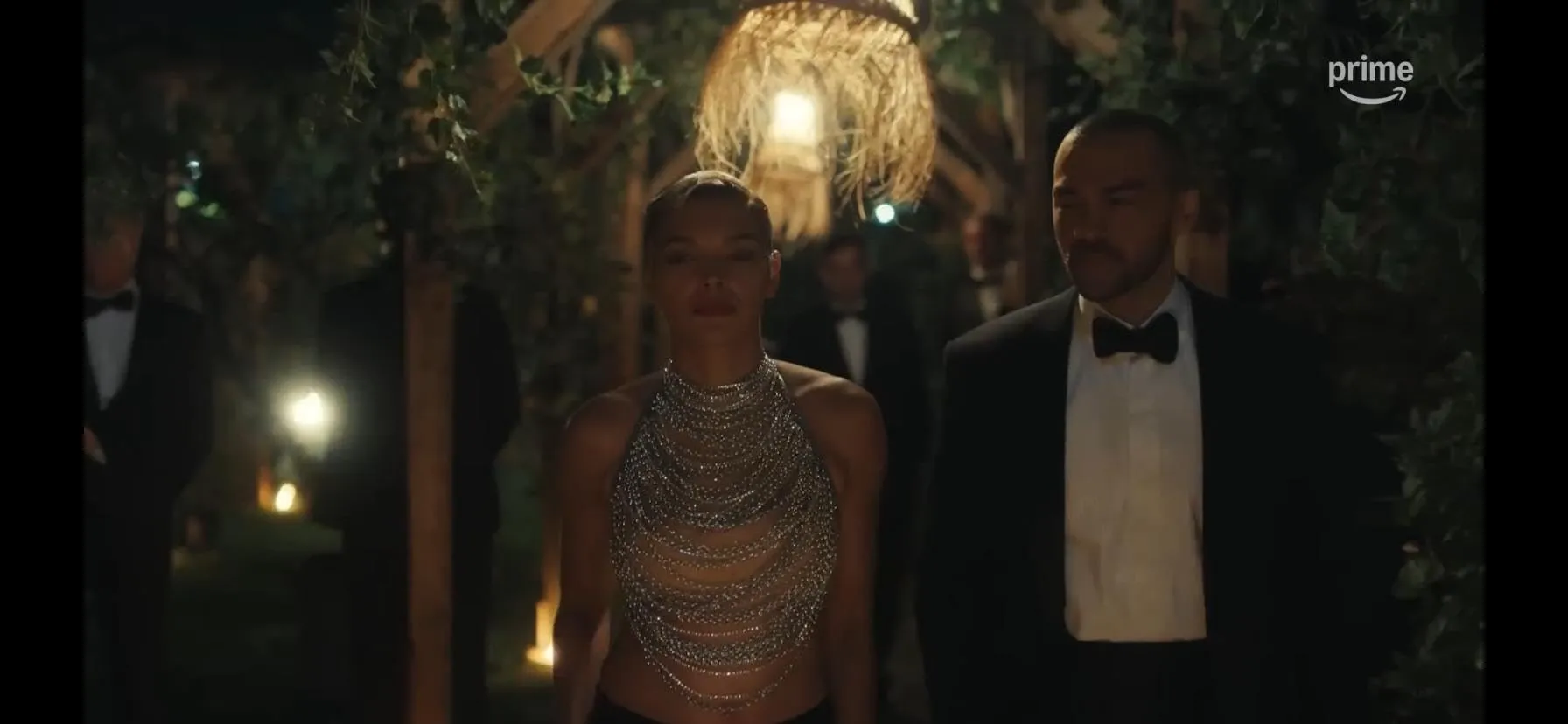
Yet, this perfection is also the character’s greatest weakness. He is a beautifully polished surface with little beneath. His past as a Marine is invoked as a shorthand for toughness, but the show rarely demonstrates it. His Italian heritage is a convenient plot point, not a meaningful part of his identity. We are told he has a “troubled past,” but this trauma never manifests in his behavior or decisions. The result is a protagonist who is difficult to invest in because he never seems to struggle or fail.
The casting of Williams, a Black actor and outspoken activist, in a role that traditionally would have gone to a white actor is noteworthy. The series places a Black man in a position of authority and desirability within an exclusive European setting, a powerful and welcome visual.
However, the show’s narrative is entirely apolitical and colorblind, refusing to engage with any of the potential complexities of this identity. It creates a post-racial fantasy where Daniel’s race is irrelevant, a choice that feels like a missed opportunity for richer storytelling.
Daniel’s supporting team is a collection of charming, if familiar, archetypes. There is the savvy British expat Genny (Jordan Alexandra), the comically inept aristocrat Tancredi (Sam Haygarth), and the gruff-but-lovable local Bigné (Antonio Gerardi).
Their interactions provide the bulk of the show’s light comedy, and their chemistry is pleasant enough. The various wealthy hotel guests they assist are even less developed. They are walking plot devices, appearing with a problem for Daniel to solve and then vanishing without a trace, reinforcing the disposable, transient nature of the world he inhabits.
A Cocktail of Genres Without a Kick
Hotel Costiera presents itself as a hybrid of several popular genres. It is marketed as an action-drama with elements of comedy, crime, and thriller, all wrapped in the glossy paper of a travelogue. The series fails to commit fully to any one of these, resulting in a tonally inconsistent experience where no element is allowed to develop properly.
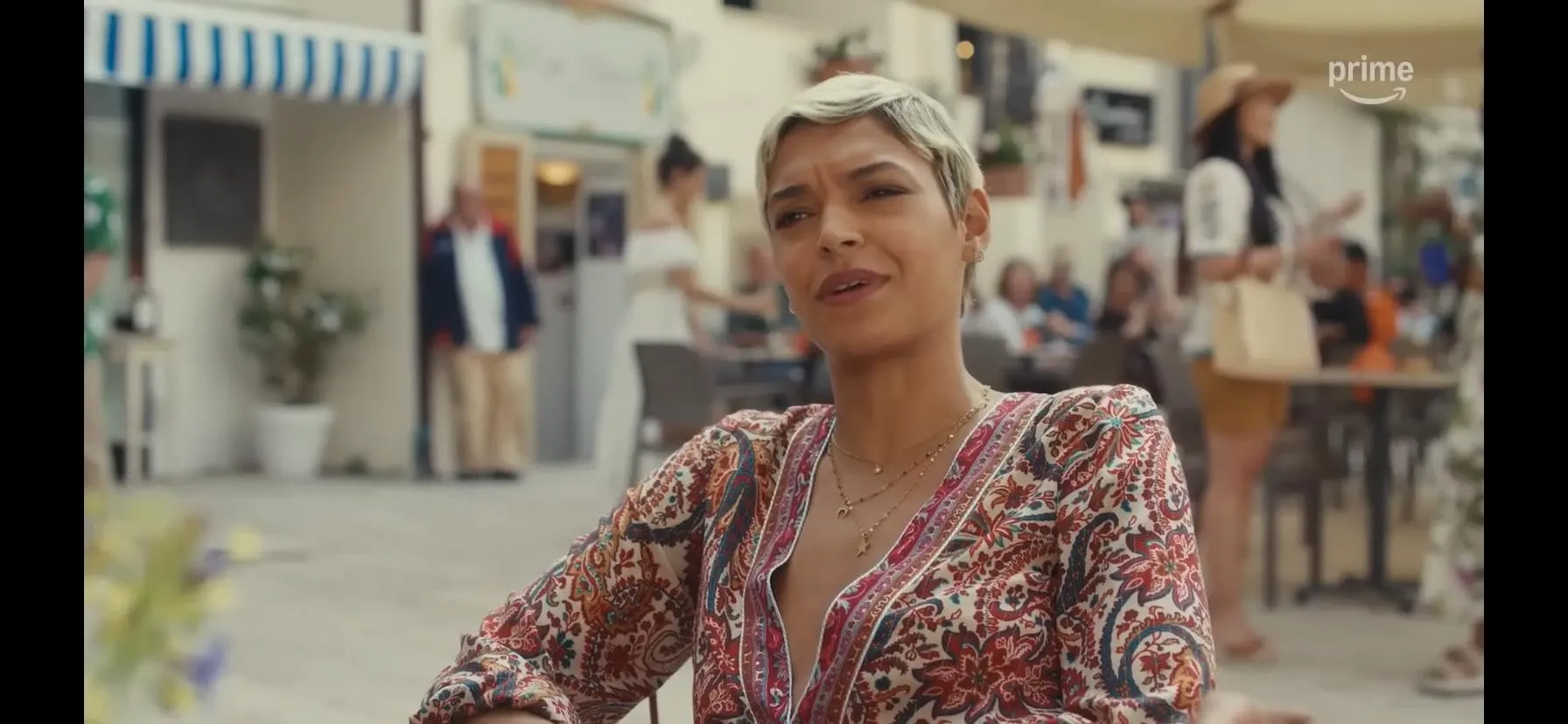
This “something for everyone” approach is a common strategy in the streaming era, designed to maximize audience appeal by ticking as many boxes as possible. In this case, it produces a show that feels generic rather than versatile.
The most glaring failure is its claim to the action genre. For a show about a former special operative, there is a stunning lack of compelling action sequences. Confrontations are brief and bloodless, chases lack speed, and moments of potential danger are consistently defused before they can build any real suspense.
The show seems allergic to genuine conflict, opting instead for the suggestion of action without the visceral payoff. Its TV-MA rating feels almost comical, justified only by a few stray curse words that land with awkward force in the otherwise tame script. The comedy is similarly gentle, relying on a smattering of light quips and tired jokes about cultural misunderstandings.
A running gag about the Italian pronunciation of the word “fuchsia” feels painfully outdated. By avoiding any form of edgy or satirical humor, the show solidifies its identity as safe, comfort-oriented programming, a stark contrast to the sharp social commentary of a series like The White Lotus, with which it will inevitably be compared.
A Beautiful Location, A Conventional Lens
There is no doubt that the Amalfi Coast is the biggest star of Hotel Costiera. The production makes full use of its spectacular setting, with nearly every scene framed by stunning vistas of turquoise waters, dramatic cliffsides, and luxurious villas. The series functions as an extended advertisement for Italian tourism, selling a fantasy of la dolce vita that is almost irresistible.
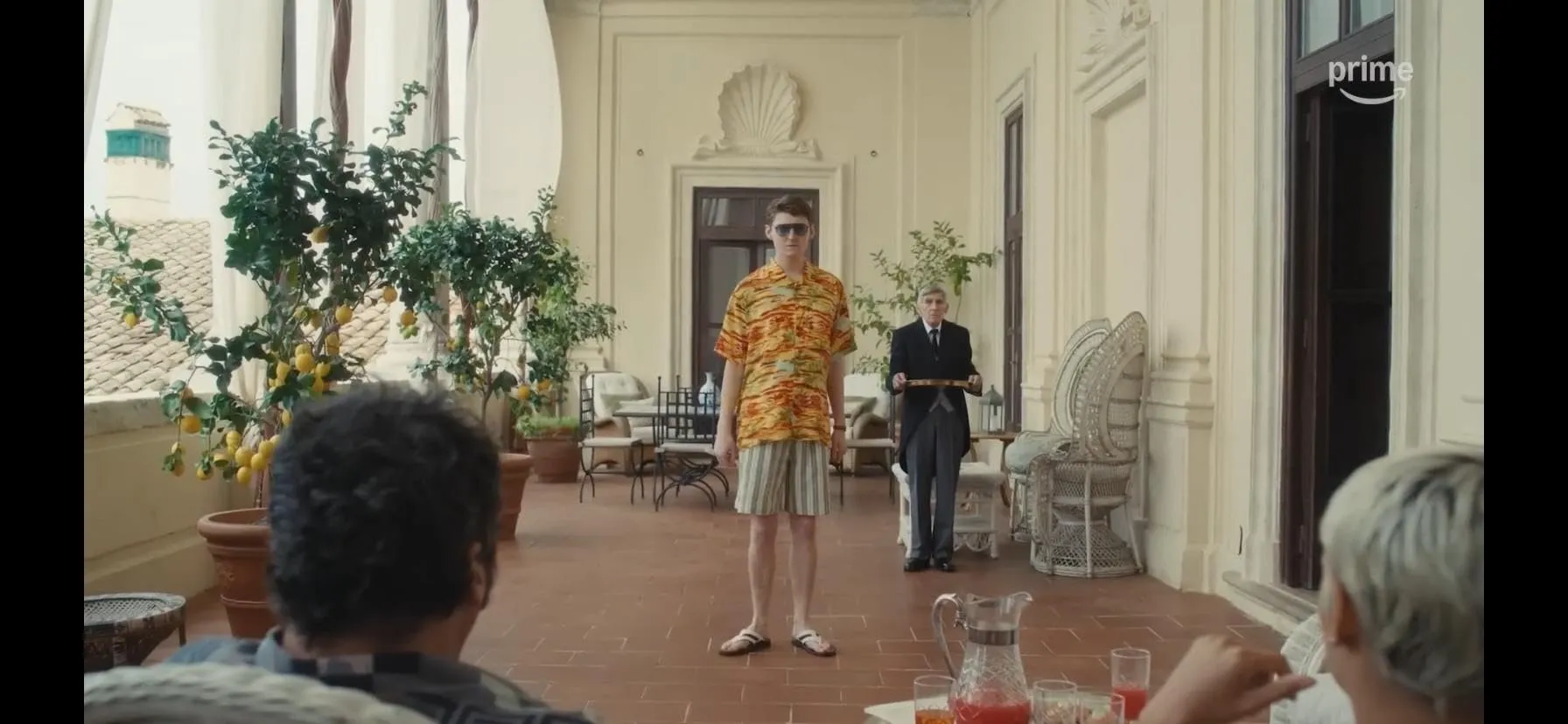
This reliance on “location as character” is a powerful tool for attracting viewers in an oversaturated market. The show offers a visual vacation, a low-effort escape to one of the world’s most beautiful places.
However, a critical eye reveals a significant gap between the beauty of the location and the artistry of its presentation. The cinematography is often bright, flat, and lacking in compositional depth, favoring a clean, commercial aesthetic over a more cinematic one. It captures the scenery in a way that is pretty but rarely breathtaking, exemplifying the difference between showing a beautiful place and shooting it beautifully.
This visual language aligns perfectly with the show’s overall philosophy: it is more concerned with presenting an aspirational product than creating a work of art. The soundtrack, which blends classic Italian songs with contemporary Neapolitan rap, adds a welcome layer of texture and authenticity. The costumes are equally important, with every character dressed in an impeccable wardrobe of resort wear that reinforces the fantasy of effortless wealth and style.
The Verdict: An Elegant, Empty Getaway
Ultimately, Hotel Costiera is a perfect product of its time. It is a visually stunning, narratively slight series designed for a media environment that values ambiance over substance. Its primary strengths lie in its gorgeous location and the considerable charm of Jesse Williams and his supporting cast.
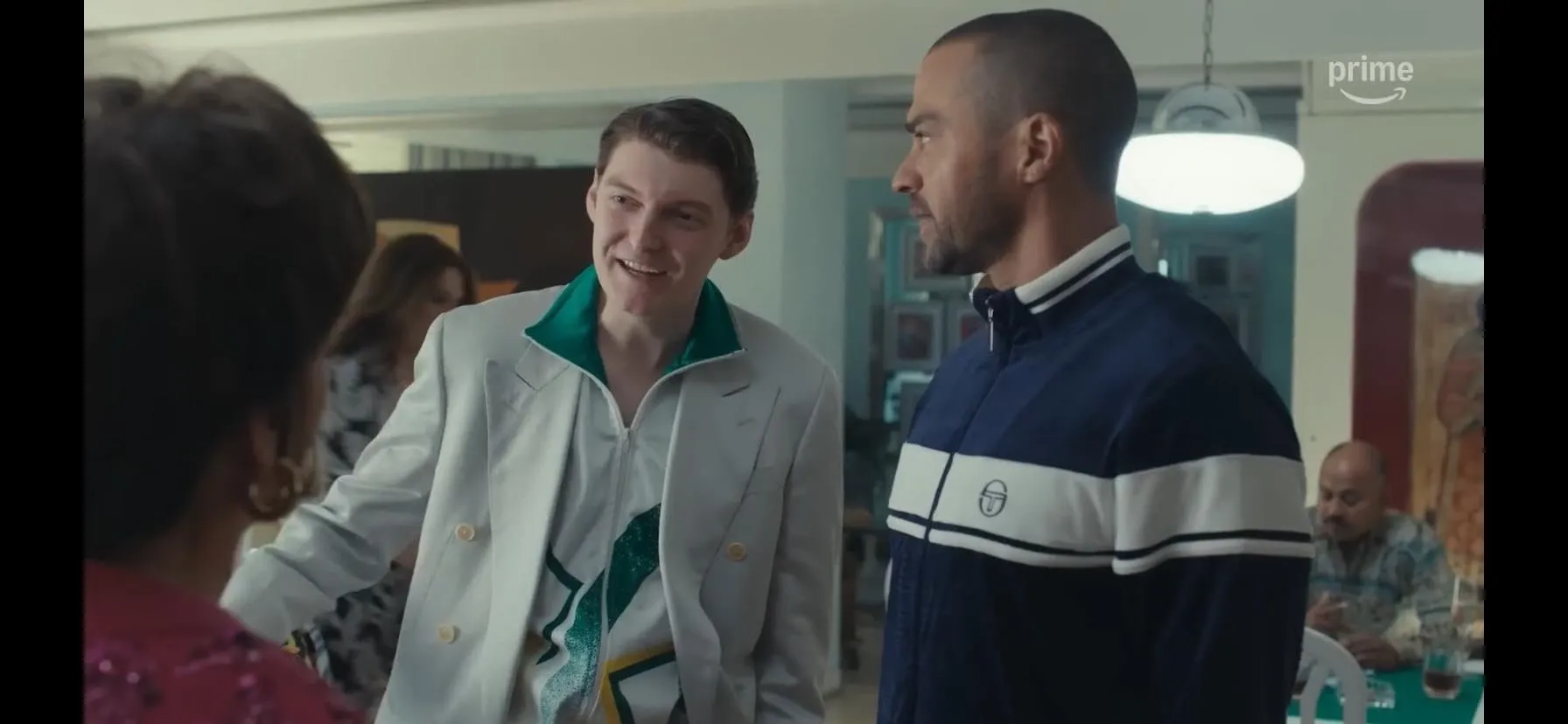
The show is an unqualified success as a piece of low-friction, escapist entertainment. It is an ideal choice for viewers looking to unwind with something beautiful and undemanding, a show that can be enjoyed with half a mind on a second screen. It asks nothing of its audience and, in return, offers a pleasant, stress-free six hours.
The series is defined by its limitations. The shallow character development, the absence of real stakes, and the underdeveloped script prevent it from achieving any lasting impact. It is a show built from familiar parts that never quite assembles into a satisfying whole. Hotel Costiera is a beautiful postcard from a place you might want to visit, but its story is written in invisible ink. It offers a memorable view but leaves you with very little to remember, a fleeting pleasure that evaporates as soon as the credits roll.
Hotel Costiera is an action-drama television series that premiered on Amazon Prime Video on September 24, 2025. It follows Daniel De Luca, a former U.S. Marine who works as a fixer at a luxurious hotel on the Amalfi Coast. The series was filmed in Italy, and all six episodes were released at the same time.
Full Credits
Director: Adam Bernstein, Giacomo Martelli
Writers: Elena Bucaccio, Matthew Parkhill, Francesco Arlanch
Producers and Executive Producers: Luca Bernabei, Amazon MGM Studios, Lux Vide, Trey Ellis (Consulting Producer), Elena Bucaccio (Co-Executive Producer), Sabina Marabini (Co-Executive Producer)
Cast: Jesse Williams, Maria Chiara Giannetta, Jordan Alexandra, Antonio Gerardi, Sam Haygarth, Tommaso Ragno, Amanda Campana, Pierpaolo Spollon, Alejandra Onieva, Jean-Hugues Anglade
Director of Photography: Alessandro Pesci
Editors: Sadaf Nazari
Composer: Anton Sanko
The Review
Hotel Costiera
Hotel Costiera is the epitome of ambient television, a visually stunning but narratively hollow series that prioritizes aesthetics over all else. While its gorgeous Amalfi Coast setting and the charm of Jesse Williams offer a pleasant, low-effort escape, the show is ultimately a forgettable experience. A weak script, an absence of genuine stakes, and superficial characters prevent it from being anything more than a beautiful, fleeting distraction. It is a perfect, pristine postcard from a place you will have no desire to truly explore.
PROS
- Stunning Italian scenery offers first-class visual escapism.
- Jesse Williams is a charismatic lead, supported by a pleasant ensemble cast.
- The light, inoffensive tone makes for an easy and relaxing watch.
- Its short, six-episode season is perfect for a low-commitment binge.
CONS
- The script is underdeveloped, with a shallow plot and predictable outcomes.
- A complete lack of tension, jeopardy, or meaningful stakes.
- Characters are superficial and lack compelling depth or development.
- Fails to establish a clear identity, mixing genres without success.
- Advertised as an action-drama but contains minimal action.