















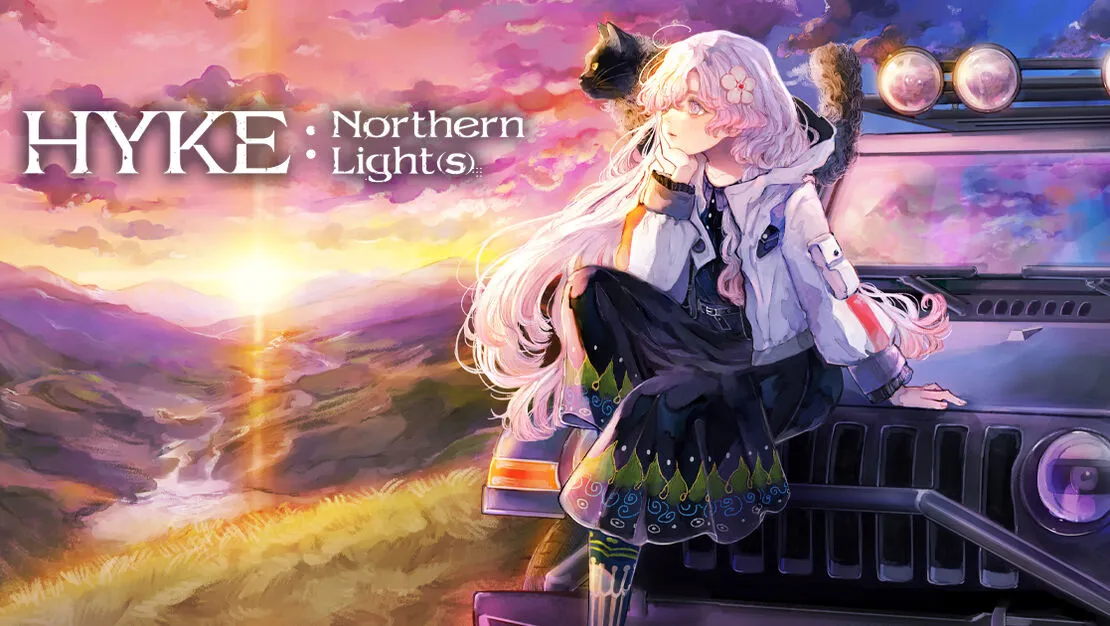

Blast Edge Games makes an impressive debut with HYKE: Northern Light(s), a top-down action RPG that weaves together dungeon crawling intensity with the gentle rhythms of campsite management. Set against a backdrop where witches face extinction following their defeat in a devastating war against humanity, the game follows young Hyke as she searches for her missing mother Aurora across a world scarred by conflict.
The premise immediately establishes emotional stakes. Hyke, guided by a mysterious voice crackling through her portable radio and accompanied by her loyal friend Riko, must piece together her mother’s fate through magical artifacts called Ruins. These relics project memories that slowly reveal Aurora’s story, creating a personal mystery within the larger narrative of magical persecution. The game’s visual presentation reinforces this melancholic atmosphere through detailed 2D pixel art that captures both the beauty of magical abilities and the desolation of abandoned landscapes.
What sets HYKE apart is its dual identity as both adventure and sanctuary. Between each mission, players return to customize their campsite, arranging furniture and watching their growing party of rescued witches interact in peaceful moments. This rhythm of exploration followed by reflection creates a distinctive pacing that mirrors the characters’ own need to find respite in a hostile world. The casting system allows players to control multiple party members, each offering radically different approaches to combat, making every encounter feel fresh despite the game’s modest scope.
Combat That Celebrates Diversity
The combat system draws clear inspiration from classic top-down Zelda titles while establishing its own mechanical identity through character specialization. Each witch brings a completely different playstyle to battles, transforming what could have been repetitive encounters into tactical puzzles about team composition and timing.
Hyke serves as the accessible entry point with her balanced mix of ranged and melee attacks. Her straightforward moveset includes reliable spell combinations that make her ideal for learning the game’s rhythm of dodging, attacking, and spell management. However, the real excitement comes from her companions, each designed around a unique combat philosophy.
Riko demonstrates the game’s willingness to experiment with risk-reward mechanics. Her basic attacks restore health but deal minimal damage, requiring players to carefully build up to her bunny transformation. Once activated, this form unleashes devastating attacks while maintaining a constant tension – any three hits will force her back to her vulnerable human state. This creates thrilling moments where players must balance aggression with survival instincts.
Mother Brain completely reimagines the combat framework, turning the entire experience into a twin-stick shooter. Her presence transforms encounters into frantic bullet-hell scenarios that demand completely different reflexes and positioning strategies. Fall Out adds another layer through her animal companions, requiring players to manage both her direct abilities and her summoned allies’ positioning. Hall Keeper rounds out the roster with elemental magic that can reshape battlefields through ice barriers and damage-enhancing sigils.
The character switching system adds tactical depth, though the high-five animations between swaps can disrupt combat flow during intense moments. The dodge mechanic’s cooldown creates similar friction, forcing players to commit to positioning rather than relying on constant evasion. This design choice makes spatial awareness crucial while preventing the combat from becoming too forgiving.
Boss encounters showcase the system at its best, with each fight demanding mastery of specific characters’ strengths. These battles provide memorable set pieces where environmental hazards and unique mechanics elevate the experience beyond standard enemy encounters.
Finding Home in the Wilderness
The camping system transforms downtime into meaningful progression, creating a hub that feels genuinely personal. Unlike many games where base customization serves purely cosmetic purposes, HYKE’s camp directly impacts both mechanical advantages and emotional investment.

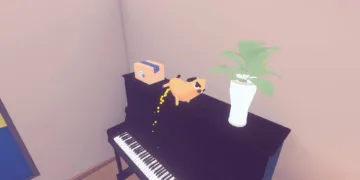
Furniture placement goes beyond decoration to create functional spaces where party members genuinely inhabit the environment. Watching rescued witches wander between tents, sit by the campfire, and interact with placed objects creates a living diorama that reinforces their growing bonds. The system’s spatial constraints force meaningful choices about layout, making every addition feel significant rather than arbitrary.
The cooking mechanics provide essential gameplay benefits while maintaining thematic coherence. Preparing meals before missions grants buffs like increased item drops or enhanced magical damage, making ingredient collection during exploration feel purposeful. Players can experiment with untested combinations for potential discoveries or stick to proven recipes for reliable results. This creates interesting resource management decisions – do you risk valuable ingredients on experimentation or play it safe before challenging encounters?
Photography features and background music selection add layers of personalization that extend beyond mechanical benefits. These systems encourage players to treat the camp as a creative space rather than just a functional waypoint. Personal conversations with party members provide character development opportunities, though these interactions feel somewhat limited in scope.
The mission replay functionality integrates smoothly with the camp structure, allowing players to revisit previous areas for missed resources or simply to experience favorite encounters again. Character progression and skill upgrades flow naturally through this central hub, making the camp feel like the true heart of the adventure rather than just a rest stop between the “real” content.
A World Both Beautiful and Constrained
HYKE’s visual presentation succeeds through strong artistic direction despite some technical limitations. The 2D pixel art creates distinct environments that effectively communicate the game’s post-apocalyptic witch-hunt setting. Character animations flow smoothly, and spell effects provide satisfying visual feedback during combat encounters.

Environmental variety helps maintain interest across the adventure’s different chapters. Neverland’s irradiated forest, dominated by a haunting Ferris wheel, establishes the game’s melancholic tone through visual storytelling. Savage Island’s robot-infested paradise creates striking contrast, while the Area 51 parody location demonstrates the developers’ willingness to inject humor into otherwise serious subject matter.
However, the mission structure reveals the game’s budgetary constraints. Most levels follow a straightforward point-A-to-point-B progression through maze-like layouts, with the fog of war system providing basic exploration mechanics. While the map system helps with navigation, the lack of puzzles or environmental challenges means that progression feels somewhat mechanical compared to the Zelda titles that clearly inspired the design.
Story delivery through memory fragments provides intriguing glimpses into Aurora’s past, but character development often feels surface-level. The rescued witches serve their mechanical purposes well, bringing unique combat abilities and camp interactions, but their personalities rarely extend beyond single defining traits. Voice acting appears sporadically, with camp conversations receiving more attention than main story sequences.
The soundtrack supports the atmosphere effectively, though repetition becomes noticeable during extended play sessions. Town exploration offers disappointingly little interaction with the wider world, reducing these locations to functional shops rather than living communities. Side quests default to arena-based challenges that feel disconnected from the main adventure’s exploration focus.
Technical presentation remains generally solid, though some inconsistency appears between character portrait artwork and their pixel art representations. The game runs smoothly and maintains visual clarity during chaotic combat encounters, supporting the gameplay experience without drawing attention to technical limitations.
The Review
HYKE: Northern Light(s)
HYKE: Northern Light(s) succeeds as a charming debut that balances frantic combat with peaceful camping moments. The diverse character roster keeps battles engaging, while the customization systems provide genuine emotional investment. However, repetitive level design and shallow narrative development prevent it from reaching its full potential. Despite these limitations, the game's heart shines through its cozy camping mechanics and satisfying character switching system, making it a worthwhile experience for players seeking something different in the action RPG space.
PROS
- Diverse character abilities create varied combat experiences
- Engaging camp customization with meaningful progression
- Beautiful 2D pixel art and character designs
- Solid boss battles with unique mechanics
CONS
- Repetitive level layouts and mission structure
- Limited character development and story depth
- Lack of puzzle elements or environmental challenges
- Minimal town exploration and NPC interaction