

























![Kingdom Hearts Collection [I-III] Review](https://gazettely.com/wp-content/uploads/2026/10/Kingdom-Hearts-Collection-I-III-1-360x180.webp "Kingdom Hearts Collection [I-III] Review: KHII Holds Steady as Newer Entries Fluctuate 37")



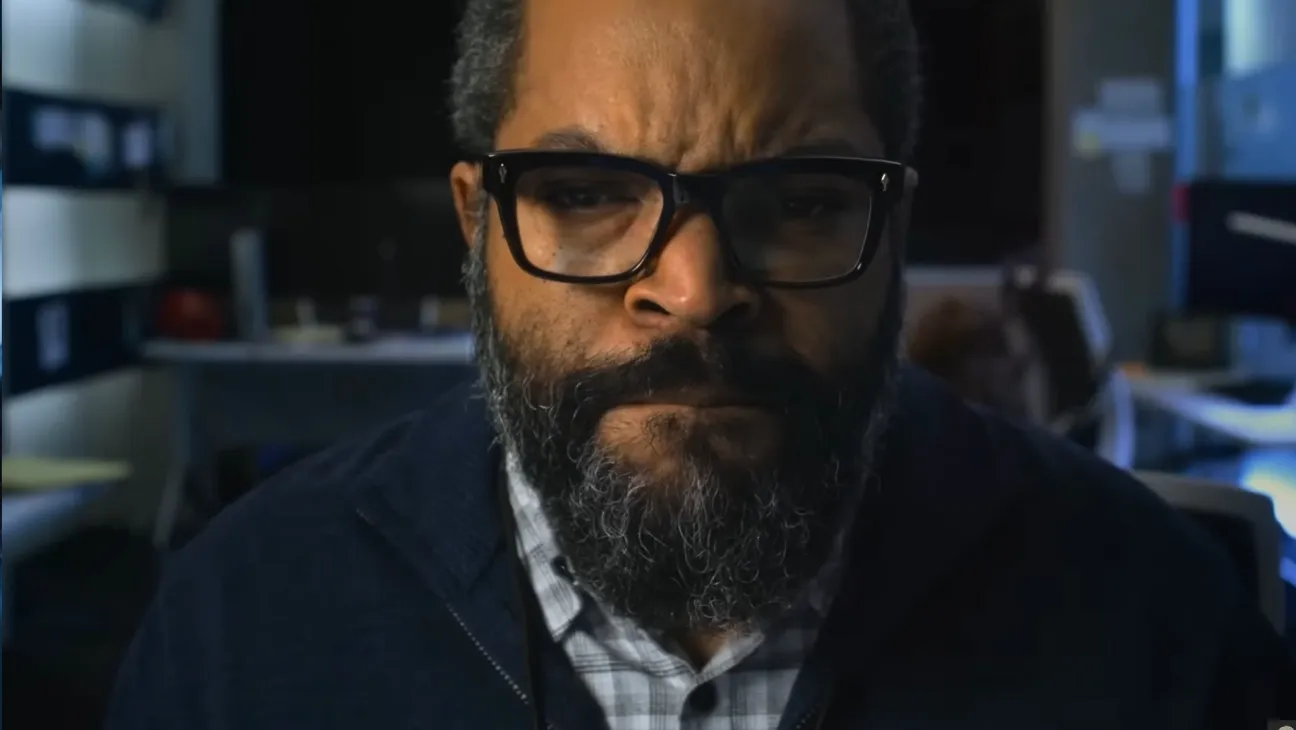

Ice Cube said this week that his scenes for the 2025 screenlife feature War of the Worlds were filmed in 15 days during the 2020 lockdown, with neither the director nor other actors present on set, describing the remote workflow as the only workable method at the time. The comment, made during a recent livestream conversation and widely recirculated by entertainment outlets, sheds new light on how the production navigated Covid-era restrictions and why the finished film leans so heavily on stitched-together feeds from computers, phones, and security cameras.
The film, directed by music-video veteran Rich Lee and produced by Patrick Aiello with Timur Bekmambetov, adapts H.G. Wells’ novel through the “screenlife” approach Bekmambetov has championed, placing viewers inside device interfaces as an alien crisis unfolds. Cast members include Ice Cube as a Homeland Security analyst, Eva Longoria, Clark Gregg, Andrea Savage, Iman Benson, Devon Bostick, Henry Hunter Hall, and Michael O’Neill. It debuted on Prime Video on July 30.
Reception has been harsh, with critics blasting the desktop-movie execution and product placement; the title initially registered a near-zero score on major review aggregators before ticking up slightly. Cube’s new account points to the pandemic as a practical reason for the isolated performances and composited visuals that reviewers flagged.
In recent interviews, producer Aiello has defended the project, saying the team worked long hours under tight constraints and arguing that success should be measured by audience reach on the streaming platform rather than reviews. He also reiterated that the movie was first developed for theatrical release before landing at Amazon.
The behind-the-scenes picture that emerges is of a film conceived at the height of industry shutdowns and executed with remote-friendly techniques: principal material assembled quickly, extensive post-production to integrate screen captures and surveillance-style imagery, and an eventual streaming rollout that prioritized speed and availability over promotion. For Cube, the 15-day schedule and absence of a traditional set may explain both the film’s expediency and some of its rough edges now under scrutiny.







