



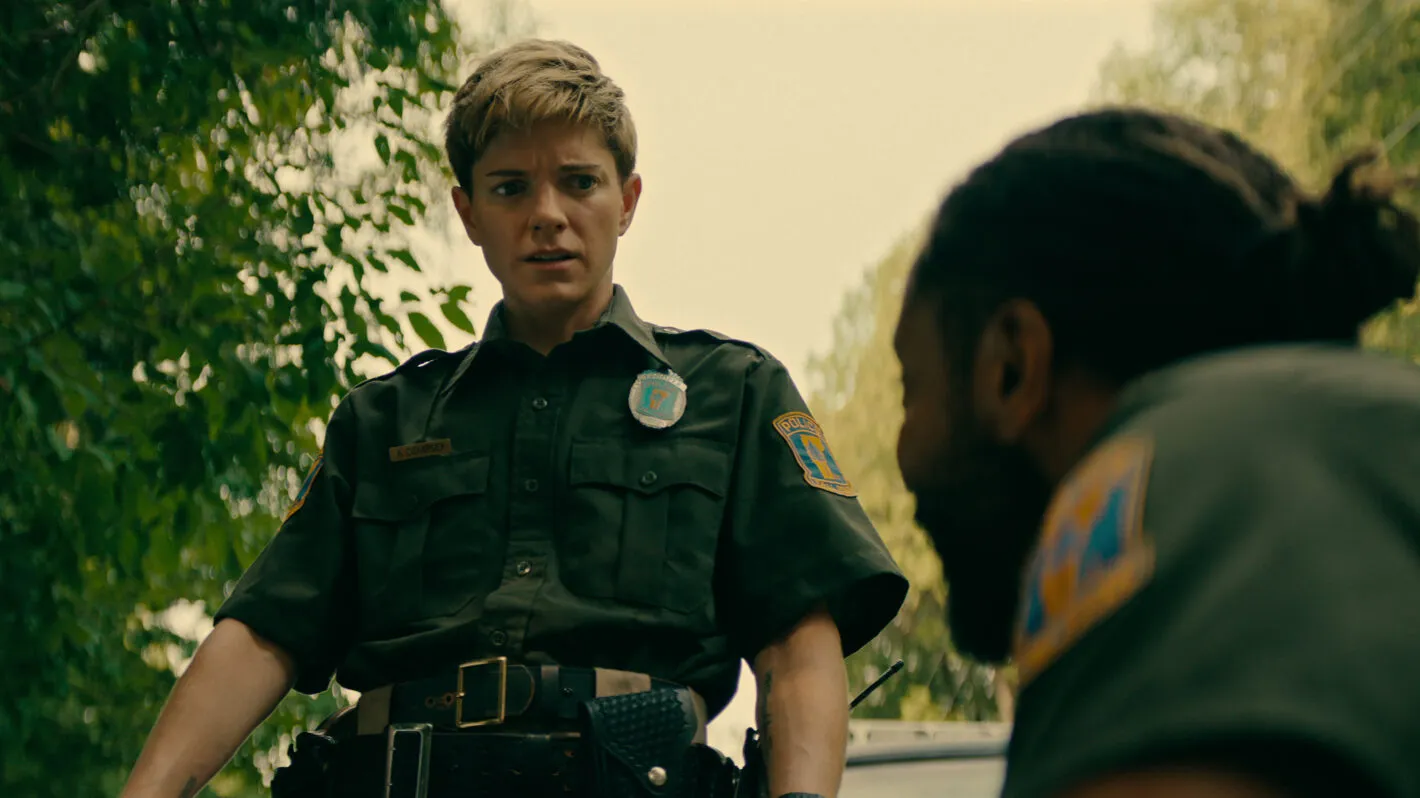

Mae Martin says their new Netflix limited series Wayward was designed to put a spotlight on the “troubled teen industry” without turning real trauma into exploitation, describing the show as a thriller that keeps its “moral compass pointed at the kids.”
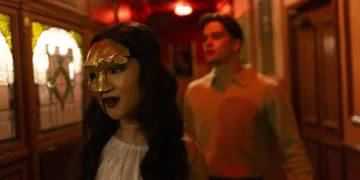
In a new interview timed to release week, the creator and star explained that the story grew from long-standing curiosity about programs that promise to “fix” teenagers and from a desire to affirm adolescent rebellion as a healthy response to hypocrisy. Wayward follows a small-town police officer who begins to suspect that a therapeutic academy is less a clinic than a machine for control; the series premiered at TIFF before bowing Sept. 25 on Netflix.
The eight-episode drama centers on Tall Pines, a facility whose cheerful messaging contrasts with practices students describe as coercive, situating the plot inside a broader debate about private boot camps, wilderness programs, and boarding schools marketed to anxious parents.
Martin, who stars opposite Sarah Gadon and Toni Collette, has said they wanted teenagers on screen to act like actual teens, with friendships, stubbornness, and gallows humor intact, even as the narrative tips into horror. Collette’s role as the academy’s formidable leader adds a cult-like charge to the setting, while the show’s tone references small-town paranoia tales alongside contemporary conversations about consent and power.
Recent coverage has pressed the question of how much of the show draws from life; Martin has been clear that Wayward is fiction but informed by years of reading, reporting, and stories from friends who encountered such programs. They described writing the lead role to ensure the investigation unfolds through a character who can both protect and listen, and they emphasized casting teenagers who could carry scenes that hinge on quiet resistance rather than melodrama.
Netflix materials confirm an eight-episode run, with all chapters now streaming and an ensemble that includes Alyvia Alyn Lind and Brandon Jay McLaren. Early explainers and interviews have focused on the finale’s bleak ambiguities and on whether the limited series might continue, a decision that remains open.