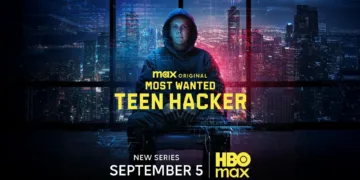
















Imagine a SWAT team, armed and armored, kicking down a suburban door. Now imagine the cause of this mayhem is not a hostage situation, but a bored teenager in another hemisphere making a phone call. This is the world of Most Wanted: Teen Hacker, a docuseries that chronicles the strange career of Julius Kivimäki. The show plunges into the story of a Finnish youth who allegedly treated the internet like his personal chaos engine.
The series details how Kivimäki, known as “Zeekill,” graduated from digital mischief to acts with severe real-world repercussions. He is accused of orchestrating terrifying armed police raids on innocent families, grounding commercial airliners with false bomb threats, and disrupting global gaming networks for sport.
What unfolds is a bizarre international pursuit, with the FBI and Finnish police attempting to corner a suspect whose power was as immense as his physical presence was slight. The series presents a very modern crime story, one where catastrophic effects are unleashed with a few keystrokes.
A Chorus of the Hunted and the Hunters
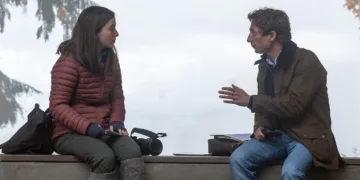
A documentary of this nature lives or dies by its sources, and Most Wanted assembles a full cast. The series builds its narrative through a mosaic of interviews, giving voice to every side of the investigation. We hear from the American FBI agents, whose frustration with a phantom hiding behind jurisdictional lines is palpable.
They speak of the case with a procedural coolness that occasionally cracks to reveal their disbelief at the sheer audacity of their target. Their Finnish police counterparts in Helsinki offer a different perspective, one grounded in a local context where Kivimäki was first a known nuisance before he became an international menace. The series lightly touches upon the friction of this cross-continental collaboration, a bureaucratic dance as complex as the digital forensics.
We also hear from journalists who have been covering Kivimäki for the better part of a decade, acting as the story’s historians. Then there are voices from inside the subculture, like former associate Blair Straiter. He serves as a Virgil guiding the audience through this digital inferno, explaining the hierarchies and motivations of hacker collectives like Lizard Squad. Straiter’s testimony is a fascinating mix of remembered camaraderie and bitter resentment, the confession of a man who was once part of the game before becoming Kivimäki’s “punching bag.”
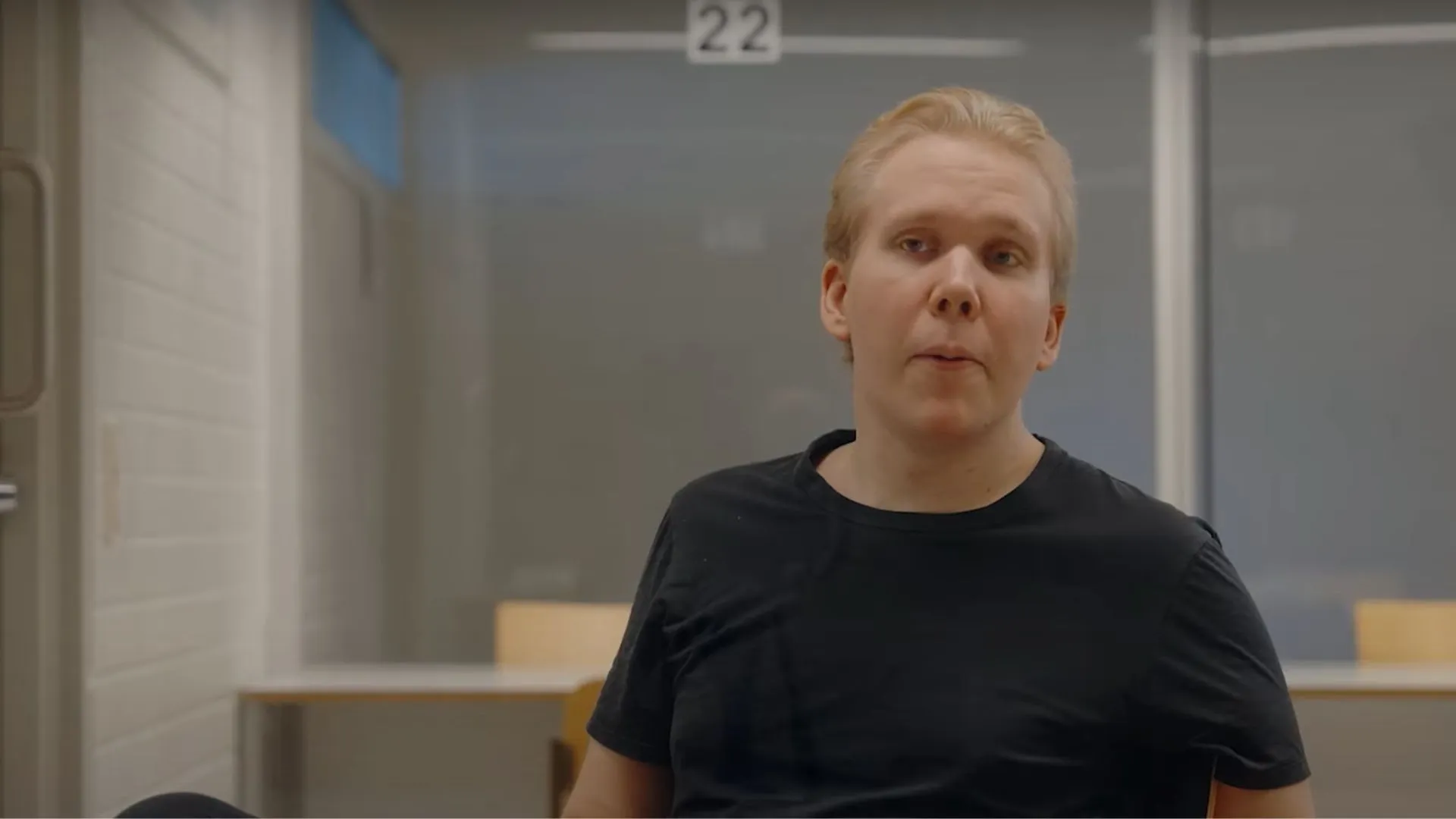
Looming over them all is Kivimäki himself. Interviewed in a maximum-security prison, he is the story’s unrepentant center. He slouches, smirks, and deflects accusations of masterminding a global crime spree with the casual air of someone accused of skipping class. His blanket denial, a dismissive “It’s just bullshit,” is his mantra. He presents a perfect surface of indifference. There is no flicker of guilt, no hint of reflection, making his on-screen presence an exercise in watching a human void. He is less a character explaining himself and more a phenomenon to be observed, a puzzle that refuses to offer any of its pieces.
A Story Stuck on Shuffle
The aesthetic of Most Wanted is pure, uncut 21st-century true crime. The editing is relentlessly paced, driven by a throbbing synth score and overlaid with slick graphics that visualize the invisible flow of data. A narrator with a serious tone walks the viewer through every beat, ensuring the energy never flags. This style, common on networks like Investigation Discovery, is designed for maximum stimulation. It is a cinematic approach that prioritizes momentum.
This devotion to energy likely explains the series’ most baffling structural decision: to tell its story out of order. Instead of building a chronological narrative starting with Kivimäki’s early hacks, the show drops us into the middle of a 2015 FBI sting operation in Las Vegas.
This in medias res opening is a common literary device meant to create immediate tension. Here, it creates immediate confusion. The viewer has no context for this raid, no understanding of the crimes that precipitated it, and no sense of the stakes. The narrative then awkwardly rewinds to fill in the backstory, forcing the audience to mentally reassemble the timeline.
This choice is more than just a stylistic quirk; it actively misrepresents Kivimäki’s legal history. The series makes this 2015 “bust” feel like the story’s climax. The reality is that he received a suspended sentence for those crimes. His current incarceration is for a far more serious, completely separate data breach conviction from 2024. By jumbling the timeline, the documentary creates a false link between the events it focuses on and the image of him in a prison jumpsuit, a structural sleight of hand that muddies the truth for the sake of a more dramatic opening act.
The Emptiness Behind the Screen
While the series excels at mapping the sprawling web of Kivimäki’s alleged crimes, it shows almost no interest in the mind that conceived them. The “what” is cataloged in exhaustive detail, but the “why” is a question the documentary refuses to ask.
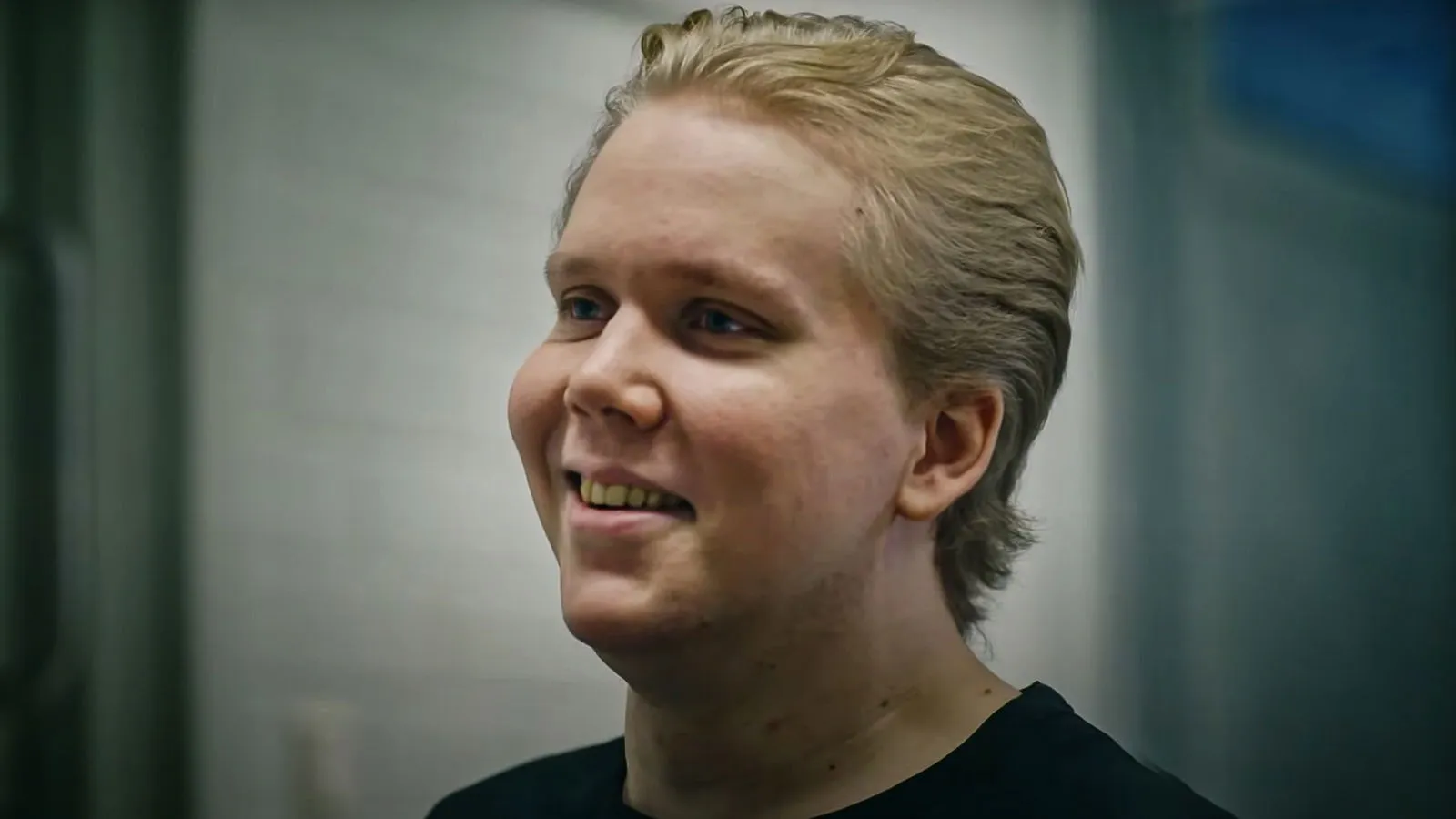
We learn what it means to swat someone. We see the digital breadcrumbs the FBI followed across continents. We are left, however, with no deeper understanding of the person at the keyboard. Was this about money, ideology, boredom, or a pure desire to watch the world burn? The series never hazards a guess. Kivimäki remains a cipher, a collection of actions devoid of discernible motive.
This omission is a significant failing. The show places him within the context of hacker groups like Lizard Squad and Hack the Planet, but it does little to explore the culture of nihilism and notoriety-seeking that defined them. It misses an opportunity to examine how the internet fosters a profound detachment from consequence, allowing a teenager in Finland to view terrorizing a family in Arizona as a victimless prank. The series shows us the ghost in the machine but makes no attempt to understand its nature.
Most Wanted functions as a competent procedural, a chronicle of how modern law enforcement adapts to fight a borderless new form of crime. It captures the essence of a world where incredible disruption can be caused by anyone with a clever bit of code and a stable internet connection. But by treating its subject as a simple black box of malice, it stops short of offering any real insight. It leaves the viewer with a detailed account of a fire but no idea how or why the arsonist ever picked up the match.
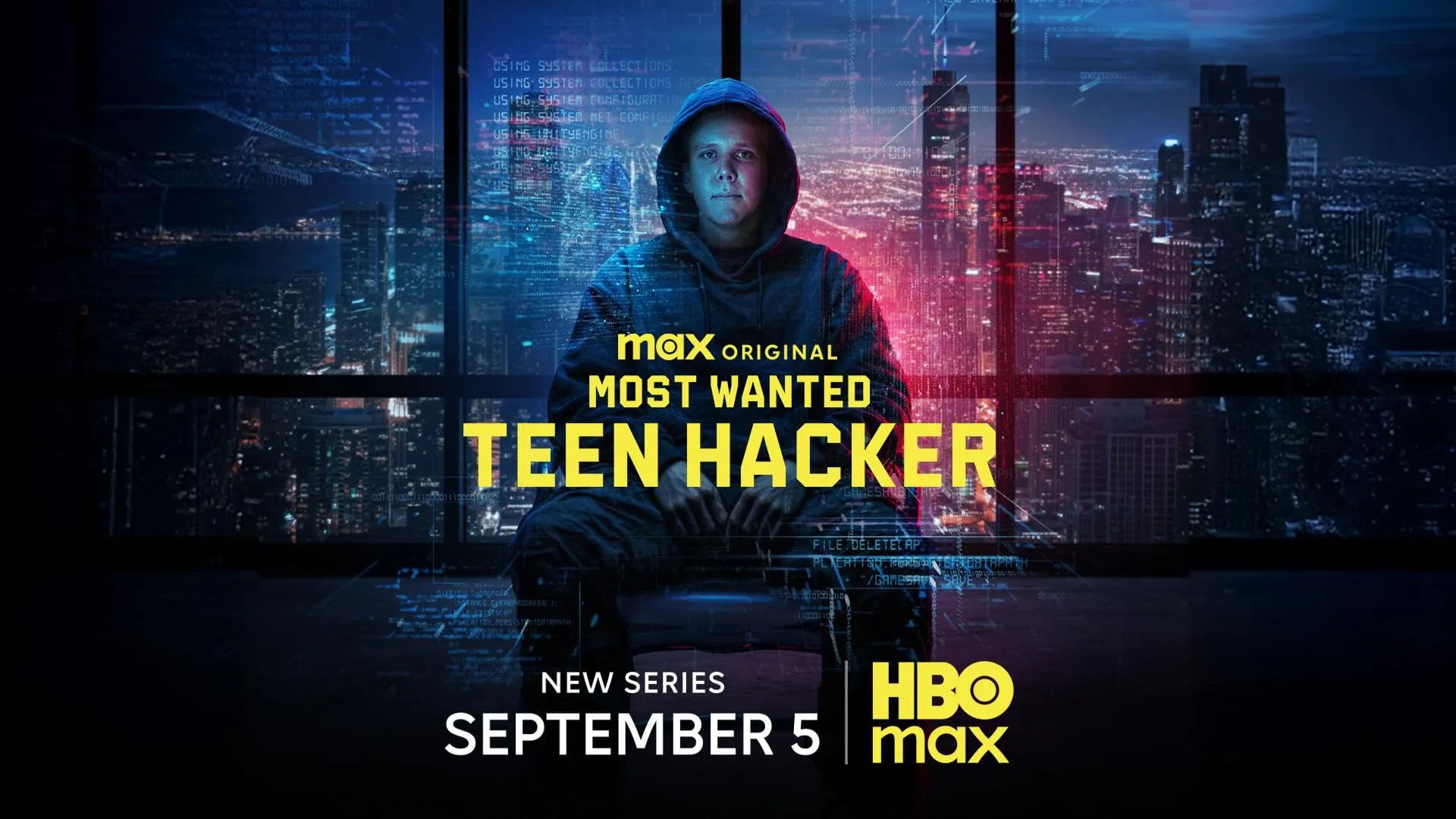
The documentary series “Most Wanted: Teen Hacker,” premiered on September 5, 2025. It is available to watch on HBO Max, and it is a four-part series about the true story of Finnish hacker Julius Kivimäki.
Full Credits
The Review
Most Wanted: Teen Hacker
Most Wanted: Teen Hacker is a high-octane but hollow experience. It successfully captures the procedural thrill of a global cyber-manhunt and features a genuinely unsettling subject in Julius Kivimäki. Its propulsive style makes for an easy watch. The series is undone by a perplexing narrative structure that scrambles the timeline for dramatic effect, creating confusion instead of tension. It meticulously details the crimes but shows a complete lack of curiosity about the criminal, leaving the central figure a frustrating enigma. It's a slickly produced documentary that mistakes action for insight.
PROS
- Features extensive interviews with the central figure, law enforcement, and former associates.
- Energetic, fast-paced editing and a propulsive score create a watchable, high-stakes tone.
- Effectively details the mechanics of the cybercrimes and the international police work required to investigate them.
- The subject, Julius Kivimäki, is a strange and captivating presence on screen.
CONS
- A confusing, non-linear narrative structure obscures the timeline of events.
- Fails to explore the motivations behind the crimes, leaving the subject a complete mystery.
- The structural choices create a misleading connection between the events shown and Kivimäki's actual prison sentence.
- Remains a surface-level treatment of a complex topic, prioritizing style over depth.